KHANI ZULU | BROKER ASSOCIATE, MCNE, CLHMS | September 27, 2023

You might remember the housing crash in 2008, even if you didn’t own a home at the time. If you’re worried there’s going to be a repeat of what happened back then, there’s good news – the housing market now is different from 2008.
One important reason is there aren’t enough homes for sale. That means there’s an undersupply, not an oversupply like the last time. For the market to crash, there would have to be too many houses for sale, but the data doesn’t show that happening.
Housing supply comes from three main sources:
Here’s a closer look at today’s housing inventory to understand why this isn’t like 2008.
Although housing supply did grow compared to last year, it’s still low. The current months’ supply is below the norm. The graph below shows this more clearly. If you look at the latest data (shown in green), compared to 2008 (shown in red), there’s only about a third of that available inventory today.
So, what does this mean? There just aren’t enough homes available to make home values drop. To have a repeat of 2008, there’d need to be a lot more people selling their houses with very few buyers, and that’s not happening right now.
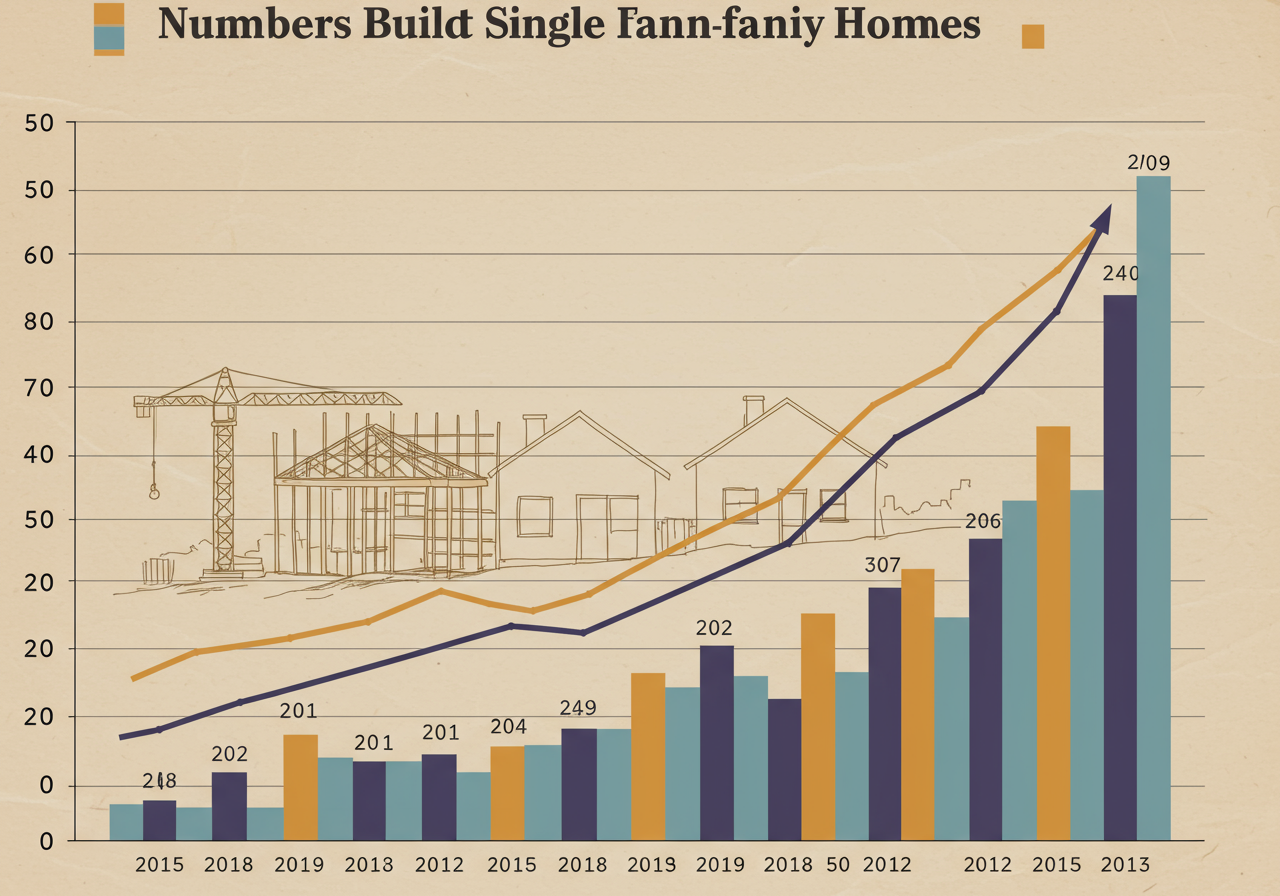
People are also talking a lot about what’s going on with newly built houses these days, and that might make you wonder if homebuilders are overdoing it. The graph below shows the number of new houses built over the last 52 years:
The 14 years of underbuilding (shown in red) is a big part of the reason why inventory is so low today. Basically, builders haven’t been building enough homes for years now and that’s created a significant deficit in supply.
While the final blue bar on the graph shows that’s ramping up and is on pace to hit the long-term average again, it won’t suddenly create an oversupply. That’s because there’s too much of a gap to make up. Plus, builders are being intentional about not overbuilding homes like they did during the bubble.
The last place inventory can come from is distressed properties, including short sales and foreclosures. Back during the housing crisis, there was a flood of foreclosures due to lending standards that allowed many people to get a home loan they couldn’t truly afford.
Today, lending standards are much tighter, resulting in more qualified buyers and far fewer foreclosures. The graph below uses data from the Federal Reserve to show how things have changed since the housing crash:
This graph illustrates, as lending standards got tighter and buyers were more qualified, the number of foreclosures started to go down. And in 2020 and 2021, the combination of a moratorium on foreclosures and the forbearance program helped prevent a repeat of the wave of foreclosures we saw back around 2008.
The forbearance program was a game changer, giving homeowners options for things like loan deferrals and modifications they didn’t have before. And data on the success of that program shows four out of every five homeowners coming out of forbearance are either paid in full or have worked out a repayment plan to avoid foreclosure. These are a few of the biggest reasons there won’t be a wave of foreclosures coming to the market.
Inventory levels aren’t anywhere near where they’d need to be for prices to drop significantly and the housing market to crash. According to , that isn’t going to change anytime soon, especially considering buyer demand is still strong:
“This ongoing lack of inventory explains why many buyers still have little choice but to bid up prices. And it also indicates that the supply-and-demand equation simply won’t allow a price crash in the near future.”
The market doesn’t have enough available homes for a repeat of the 2008 housing crisis – and there’s nothing that suggests that will change anytime soon. That’s why housing inventory tells us there’s no crash on the horizon.
Stay up to date on the latest real estate trends.
Buyer info
October 21, 2026
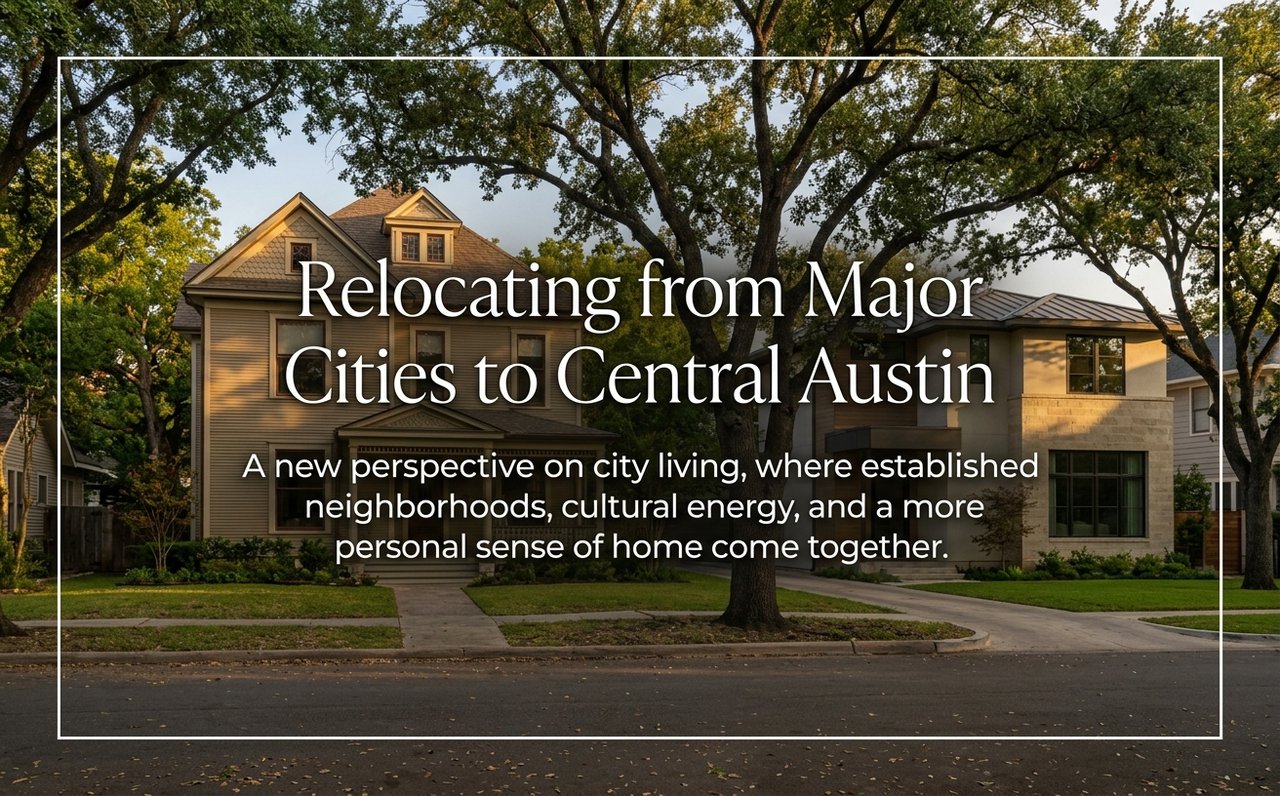
A new perspective on city living, where established neighborhoods, cultural energy, and a more personal sense of home come together.
Buyer info
October 20, 2026
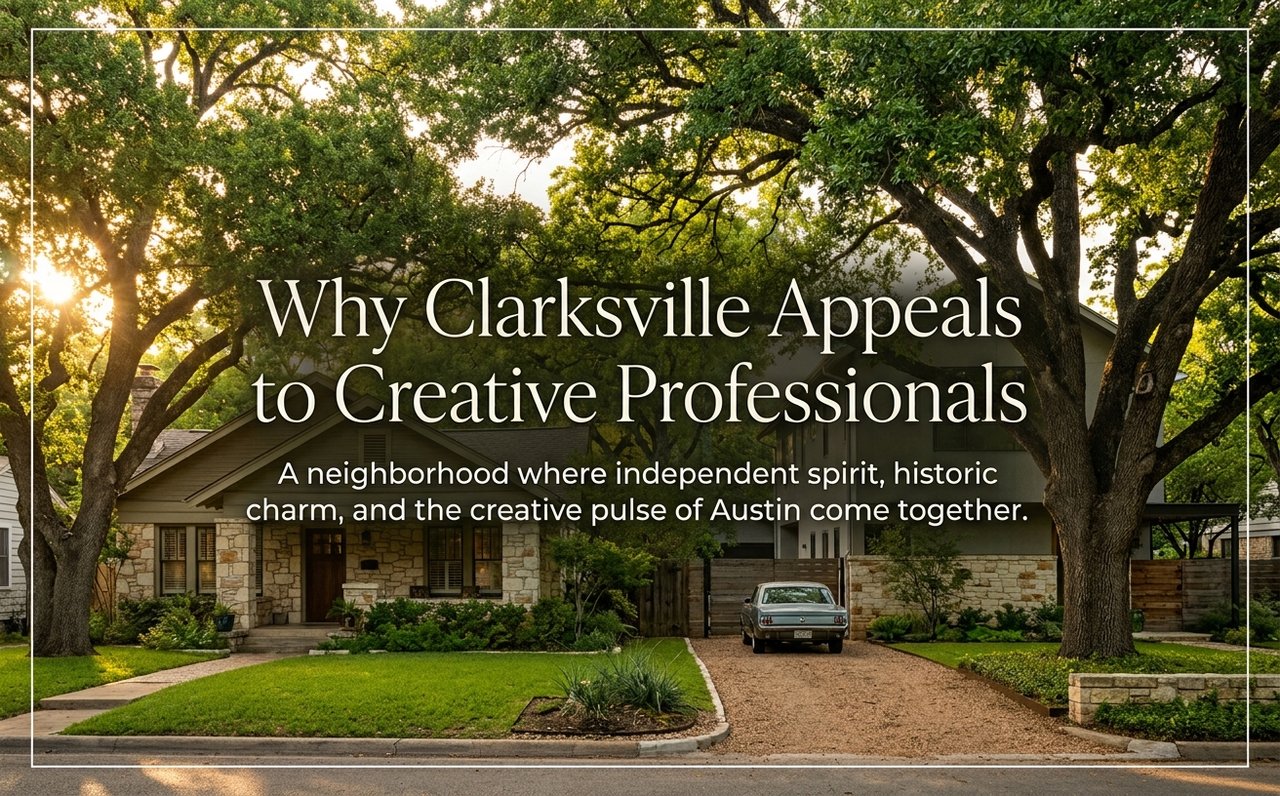
A neighborhood where independent spirit, historic charm, and the creative pulse of Austin come together.
Buyer Education
October 19, 2026
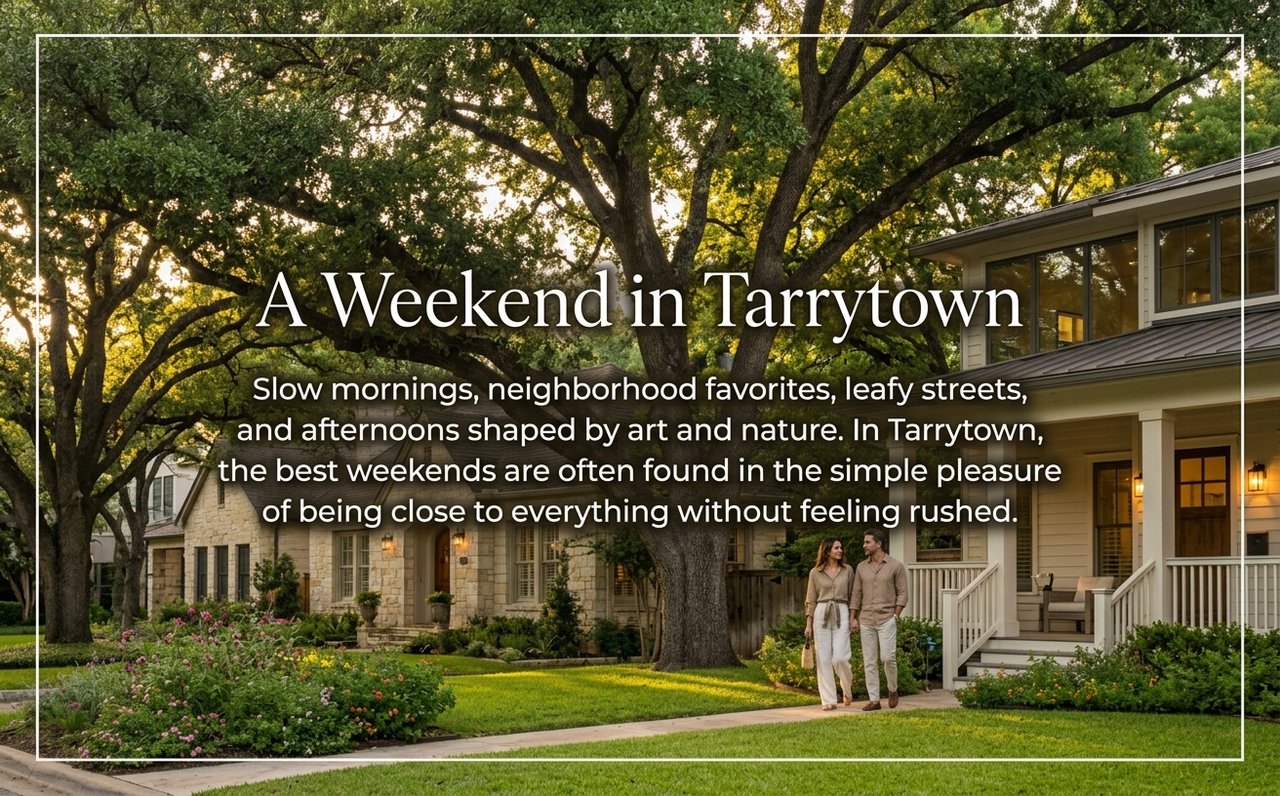
Slow mornings, neighborhood favorites, leafy streets, and afternoons shaped by art and nature. In Tarrytown, the best weekends are often found in the simple pleasure o… Read more
Buyer info
October 16, 2026
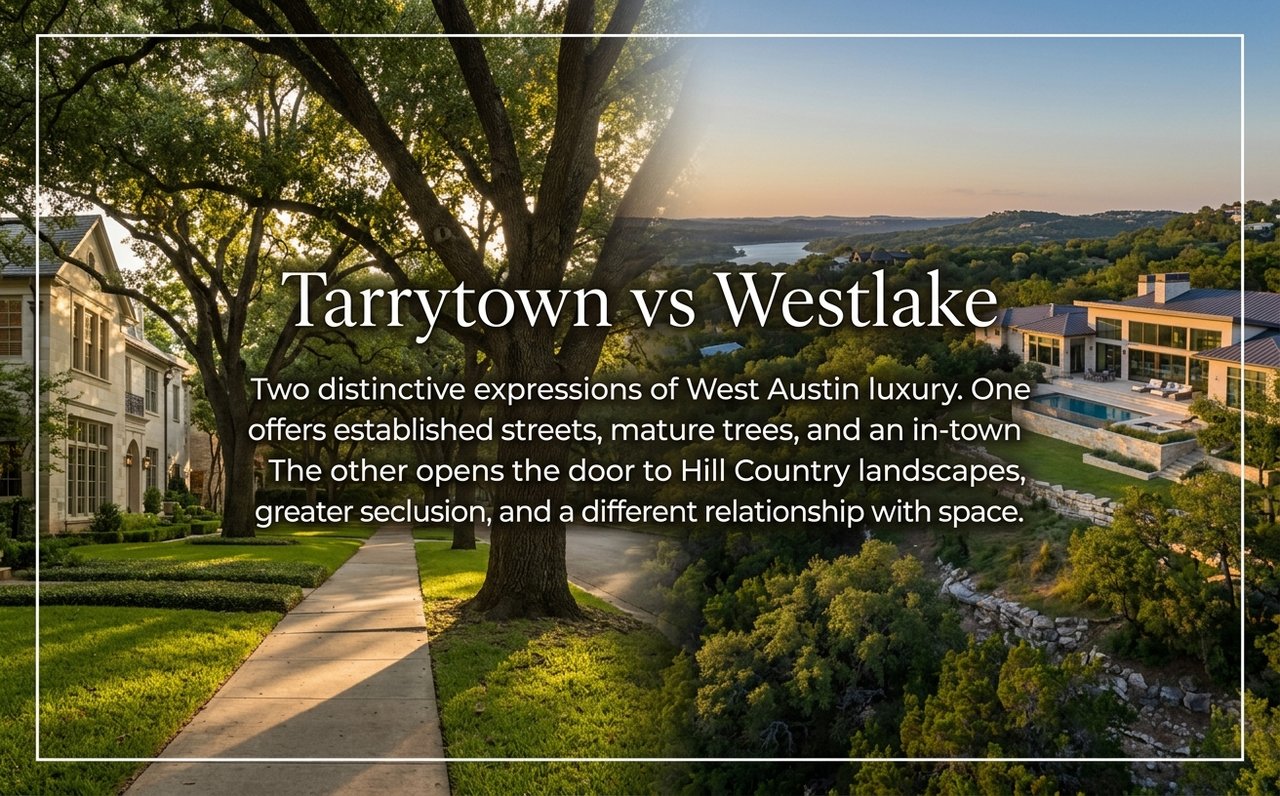
Two distinctive expressions of West Austin luxury. One offers established streets, mature trees, and an in-town rhythm. The other opens the door to Hill Country landsc… Read more

Art & Culture
October 15, 2026
In Clarksville, creativity is woven into the neighborhood’s everyday rhythm, from intimate galleries and historic homes to contemporary art, independent spaces, and cu… Read more
Lifestyle
October 14, 2026
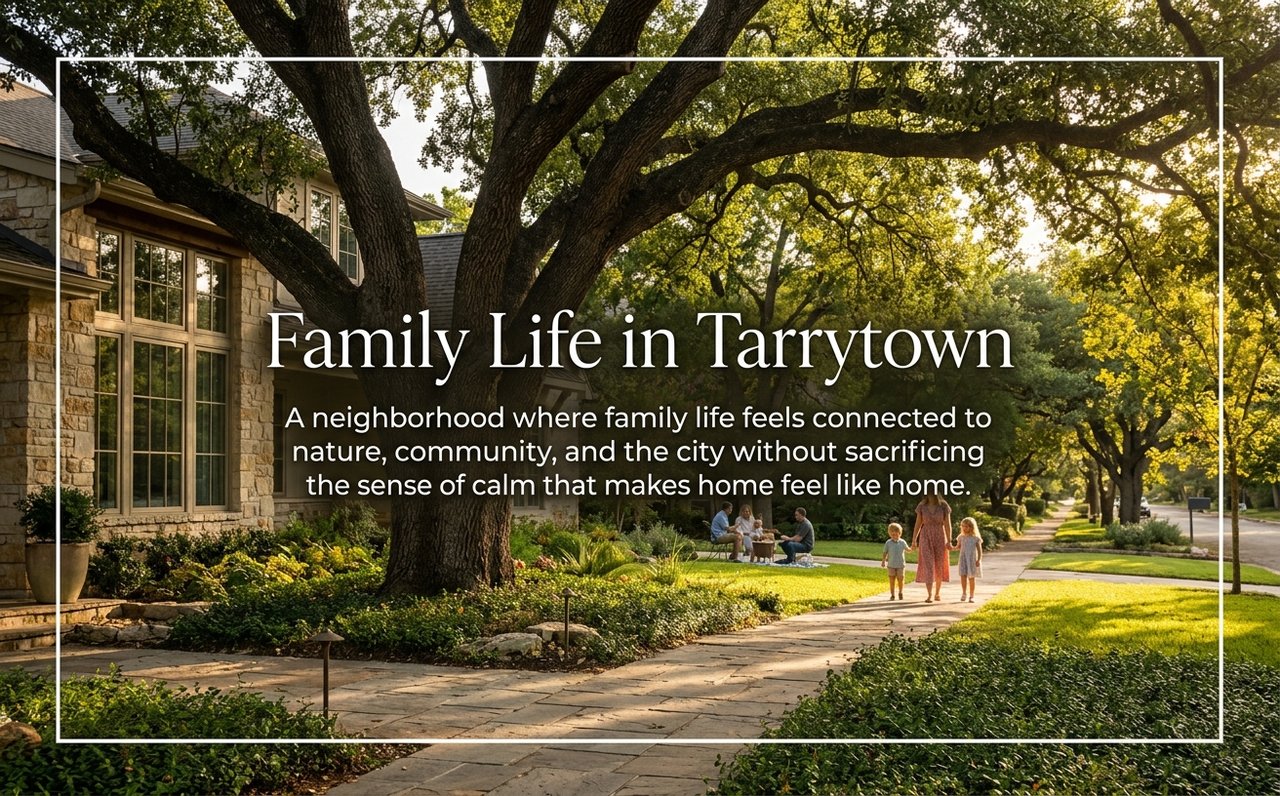
A neighborhood where family life feels connected to nature, community, and the city without sacrificing the sense of calm that makes home feel like home.

Lifestyle
October 13, 2026
When the lake becomes part of everyday life, home feels less like a place you return to and more like a lifestyle you never have to leave.

Lifestyle
October 12, 2026
The most valuable things in Tarrytown are often the ones you notice slowly: mature trees, privacy, architectural character, lake access, and the rare feeling of being … Read more

Buyer Education
October 10, 2026
In a changing market, the right preparation, pricing, and presentation can make all the difference in how buyers see your home.
Get In Touch With Our Team To Learn More