KHANI ZULU | BROKER ASSOCIATE, MCNE, CLHMS | November 6, 2026
Lifestyle
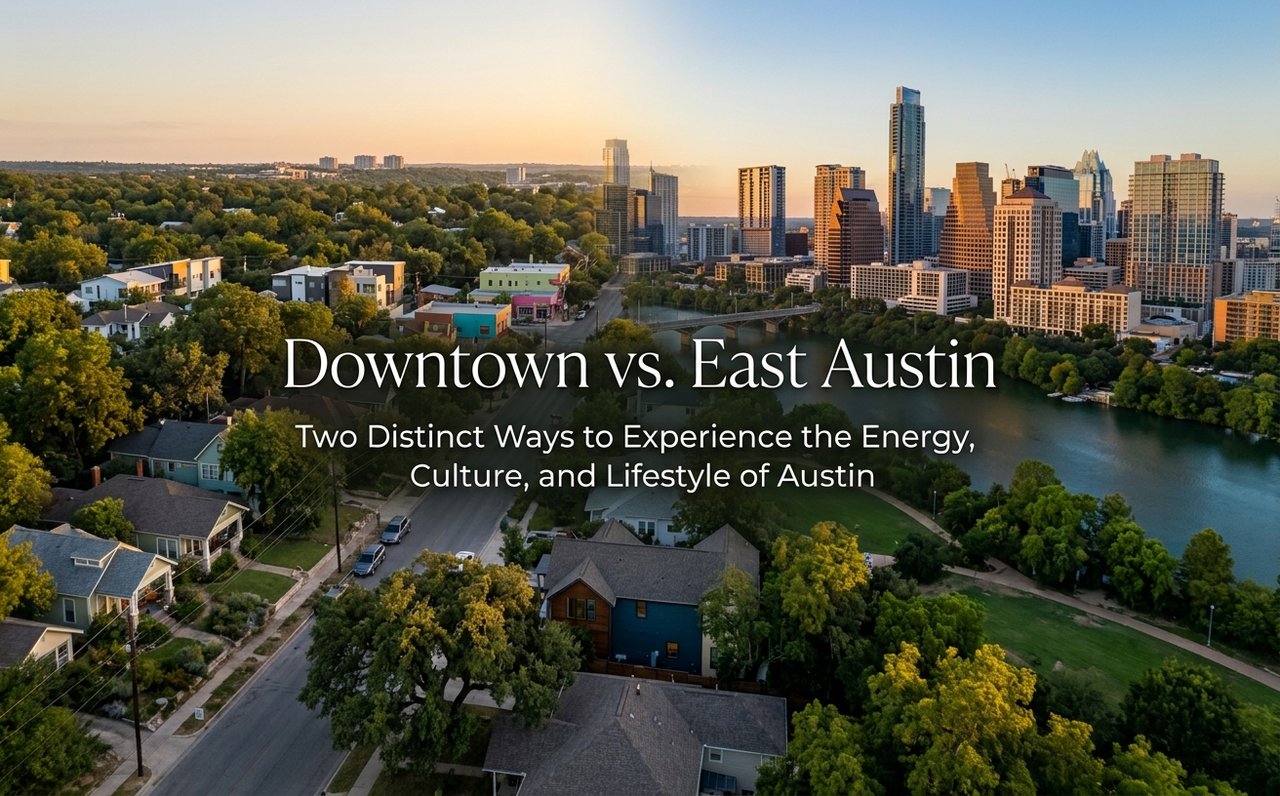
Choosing between Downtown and East Austin is about more than deciding which side of I-35 to call home. It is about the kind of daily experience you want, from the architecture outside your window to the places you visit after work and the atmosphere you return to at the end of the day.
Downtown offers a more concentrated urban environment, with condominium residences, cultural destinations, restaurants, and public spaces woven into the city's core. East Austin presents a different mix, where historic homes, contemporary architecture, independent businesses, and a rich cultural identity shape the neighborhood experience.
Both offer access to Austin's energy, but they deliver it in different ways. Understanding those differences can help buyers focus on the location that best reflects their priorities.
Downtown appeals to buyers who want to live close to the center of the action. Modern condominium buildings, restaurants, music venues, cultural institutions, and access to Lady Bird Lake create an environment where many activities can fit into a relatively compact area. The city's Downtown Austin Plan also emphasizes walkability, connected public spaces, varied housing options, and a stronger relationship between the urban core and surrounding neighborhoods.
For luxury buyers, downtown living can mean contemporary interiors, skyline views, building amenities, and convenient access to dining and entertainment. Depending on the residence, services such as concierge support, fitness facilities, secure parking, and shared outdoor spaces may add to the experience.
The trade-off is that urban convenience comes with its own considerations. Buyers should think about association fees, parking arrangements, nearby nightlife, building management, and the level of activity around a property. Privacy and outdoor space may look different in a condominium than they would in a traditional single-family home.
For those who value convenience, walkability, and a vibrant city atmosphere, these characteristics can make Downtown a compelling place to live.
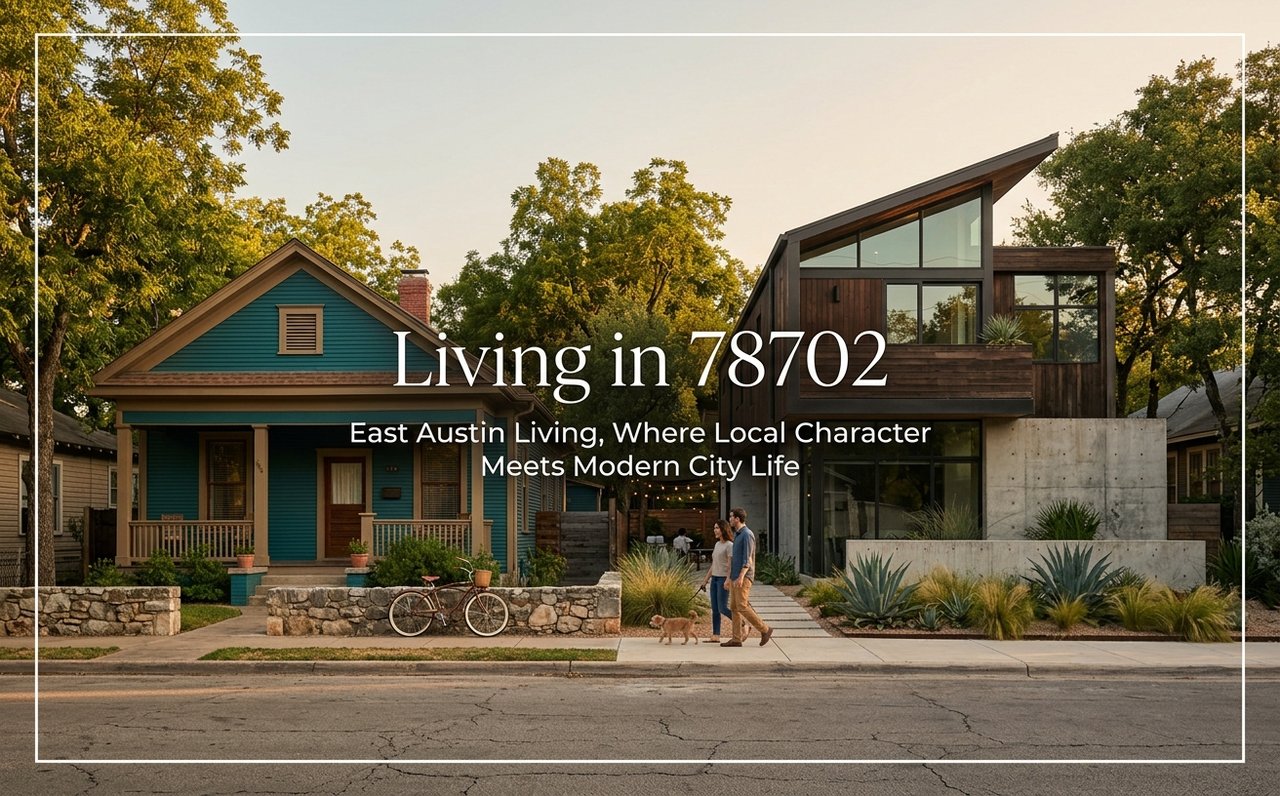
East Austin offers a more varied residential landscape, combining historic homes, renovated bungalows, contemporary houses, townhomes, and newer developments. Its streets reflect different periods of the city's growth, while local restaurants, creative businesses, music venues, and cultural institutions contribute to a distinctive neighborhood identity.
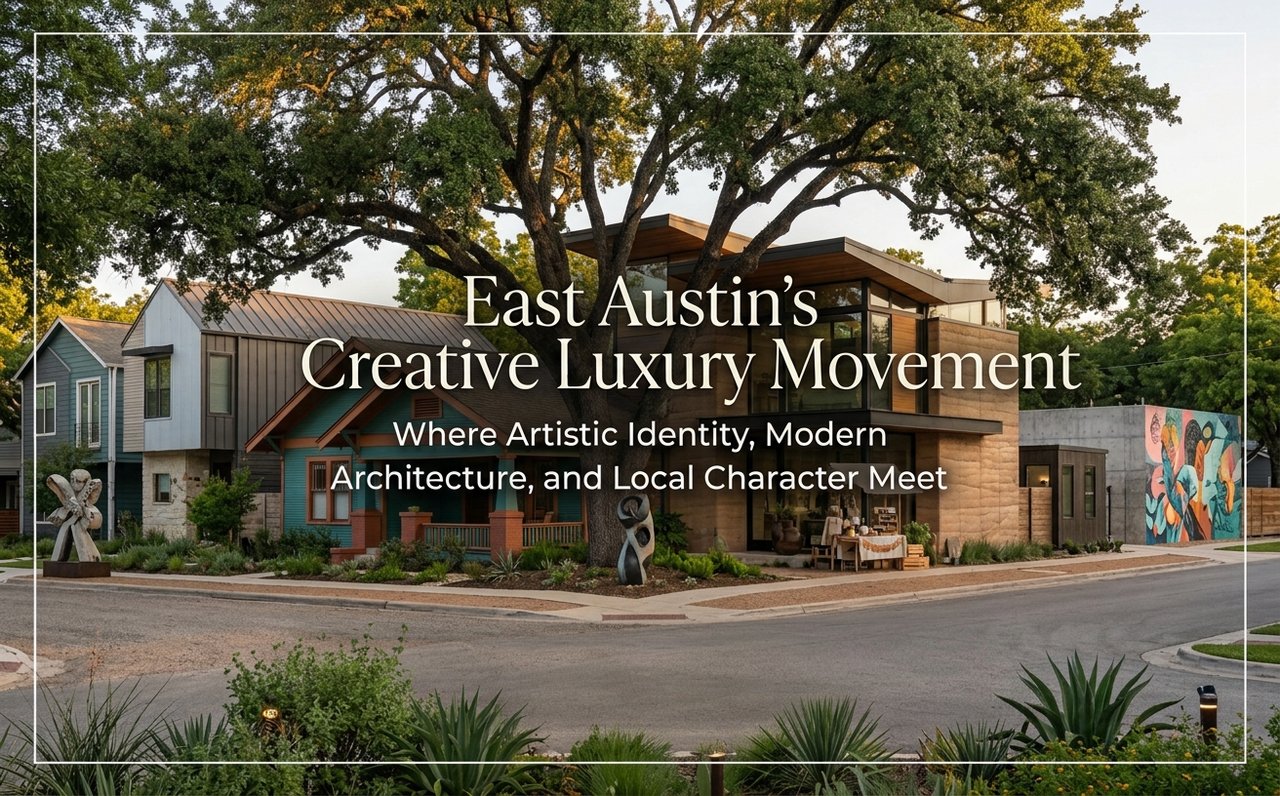
The East Side's cultural history is especially important to its character. African American and Latino communities, longstanding local businesses, artists, and neighborhood institutions have helped shape the area over generations. Today, that history exists alongside new development and a changing mix of residential and commercial spaces.
For buyers, East Austin can offer the opportunity to find a home with architectural individuality and a strong connection to its immediate surroundings. Some areas feel lively and closely connected to dining and entertainment corridors, while others offer quieter residential streets.
The key is to look beyond the broad East Austin label. The experience of living near a busy stretch of East Sixth Street can differ significantly from life on a residential block farther from the main commercial activity. Location within the neighborhood matters just as much as the property itself.
One of the most noticeable differences between Downtown and East Austin is the range of property types available in each area.
Downtown is strongly associated with condominium and apartment buildings, including contemporary towers and residences within mixed-use developments. Buyers may find appealing views, shared amenities, and layouts designed to make efficient use of space. Ownership also involves understanding the condominium association, its finances, building maintenance responsibilities, and rules governing the property.
East Austin offers a broader mix of residential forms, from older homes with original details to modern construction with open layouts and contemporary finishes. Depending on the property, buyers may have more direct control over outdoor spaces and the way the home is adapted over time. However, standalone homes can also require greater attention to landscaping, exterior maintenance, repairs, and renovation costs.
Neither option is inherently superior. A condominium may suit someone seeking a more streamlined ownership experience, while a house may appeal to someone who values privacy, architectural character, or a private yard. The right choice depends on how much space you need, how you prefer to manage a property, and what you want your home to make possible.
Downtown and East Austin both offer strong connections to Austin's food, music, and cultural scenes, but their experiences differ in character and concentration.
Downtown brings together several entertainment districts, restaurants, music venues, and cultural destinations within a compact urban center. Residents can build routines around evening performances, waterfront walks, dining, and events without necessarily traveling far from home.
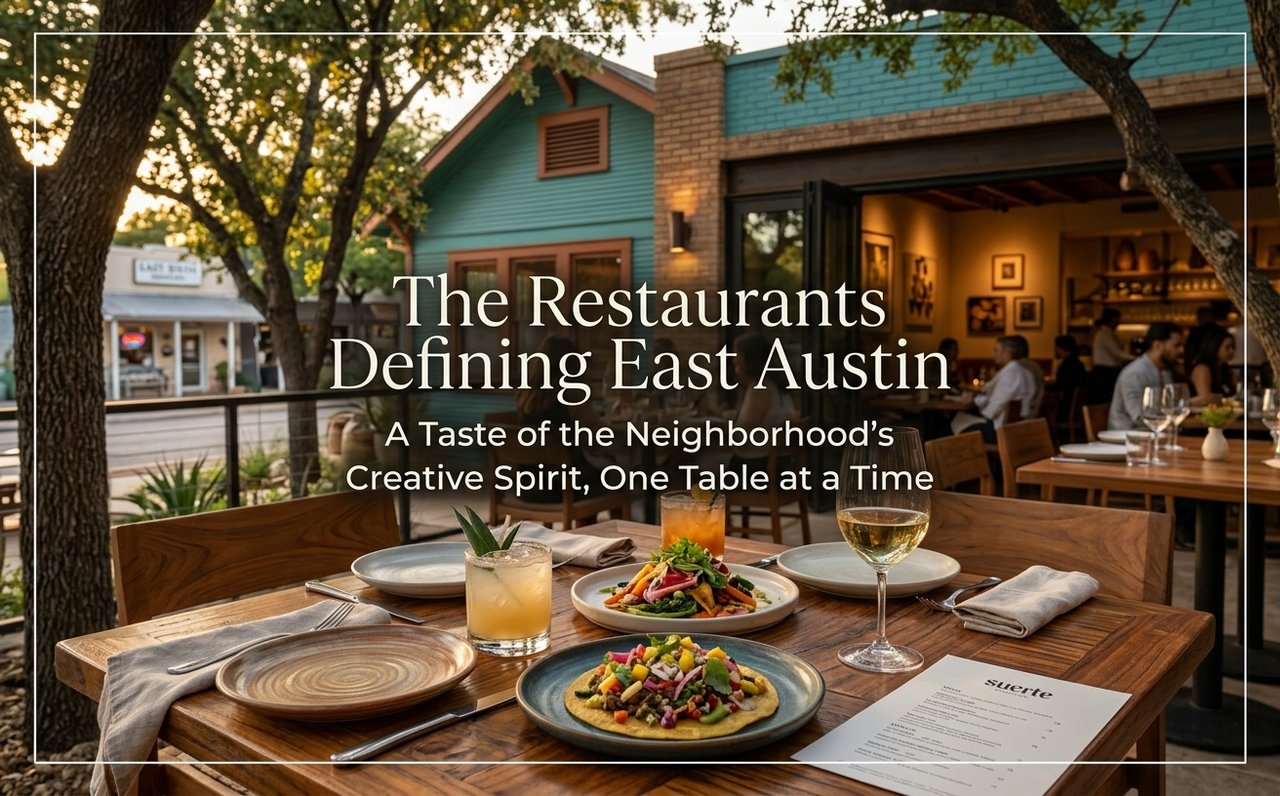
East Austin's appeal often comes through its mix of independent restaurants, neighborhood bars, creative spaces, local shops, and cultural institutions. Its dining scene ranges from casual neighborhood favorites to destination restaurants, while its artistic identity is connected to both contemporary creative activity and a deeper local history.
For buyers, the most useful question is not which area has more to do, but which experiences they are most likely to enjoy regularly. Someone who prefers a lively downtown evening may value proximity to the urban core, while someone who enjoys discovering independent businesses and exploring different neighborhood pockets may feel more connected to East Austin.
Downtown's compact layout can make it easier to reach certain restaurants, workplaces, entertainment venues, and public spaces on foot. The actual experience depends on the building's location and the destinations a resident uses most frequently, but walkability is a central part of the downtown lifestyle.
East Austin also has walkable areas, particularly around commercial corridors such as East Sixth Street and East Cesar Chavez. However, walkability varies considerably across the wider area, and residents may rely on a combination of walking, cycling, driving, and rideshare depending on where they live.
Buyers should consider their everyday routes rather than relying on a neighborhood's general reputation. Test the walk to a favorite restaurant or coffee shop, evaluate access to transit, and consider how parking and traffic might affect regular routines. If commuting is part of the decision, visit the route during typical travel times.
A location that works well for a weekend visit may feel different during a busy weekday. Understanding that distinction can help buyers make a more practical choice.
The financial side of choosing between Downtown and East Austin extends beyond the purchase price. In a downtown condominium, monthly association dues may cover certain building services, common-area maintenance, and amenities. Buyers should review what those fees include, the association's financial health, reserve funding, and any known or anticipated special assessments.
In East Austin, ownership costs depend heavily on the property. Older homes may need repairs or system updates, while newer construction can bring different maintenance requirements. Landscaping, exterior upkeep, insurance, property taxes, and utilities should all be considered when estimating the full cost of ownership.
Pricing also varies within each area. A property's condition, size, location, design, and recent comparable sales are more useful guides than broad assumptions about one neighborhood being more affordable or offering stronger future appreciation.
A thoughtful comparison starts with specific properties and a realistic budget, allowing buyers to understand both the initial purchase and the ongoing responsibilities of ownership.
Downtown may be the better fit for buyers who prioritize a more concentrated urban lifestyle, contemporary condominium living, building amenities, and easy access to dining, entertainment, and public spaces.
East Austin may appeal to buyers who value architectural variety, local culture, independent businesses, and a mix of residential settings. It can offer a different sense of individuality, although the experience varies by location and property type.
For some buyers, the decision will come down to convenience versus space, or shared amenities versus greater independence. For others, it will be about the surrounding environment and the places that make everyday life feel meaningful.
Before making a decision, spend time in both areas. Visit at different times of day, explore the immediate streets around properties, and consider how each location aligns with your work, social life, and long-term plans. The best neighborhood is the one that supports the way you actually want to live.
Downtown and East Austin illustrate two distinctive sides of the city's residential landscape. One offers a concentrated urban experience shaped by contemporary buildings and connected destinations. The other combines historic character, creative energy, and a wider variety of residential settings.
Neither is the universal choice for luxury buyers. What matters is how a specific property, its surroundings, and the full cost of ownership align with your priorities.
By looking beyond first impressions and evaluating the details that shape everyday life, buyers can approach the decision with greater clarity. The right home should not only appeal on a tour. It should feel like the right place to return to, day after day.
Stay up to date on the latest real estate trends.
Lifestyle
November 6, 2026
Two Distinct Ways to Experience the Energy, Culture, and Lifestyle of Austin

Buyer info
November 5, 2026
Where Local Heritage, Art, and Everyday Life Shape a Distinctive Austin Experience
Lifestyle
November 4, 2026
East Austin Living, Where Local Character Meets Modern City Life
Buyer info
November 3, 2026
A Taste of the Neighborhood's Creative Spirit, One Table at a Time
Art & Culture
November 2, 2026
Where Artistic Identity, Modern Architecture, and Local Character Meet

October 31, 2026
Some stories begin with love at first sight. The most beautiful ones are built by choosing each other, year after year.
Buyer info
October 30, 2026
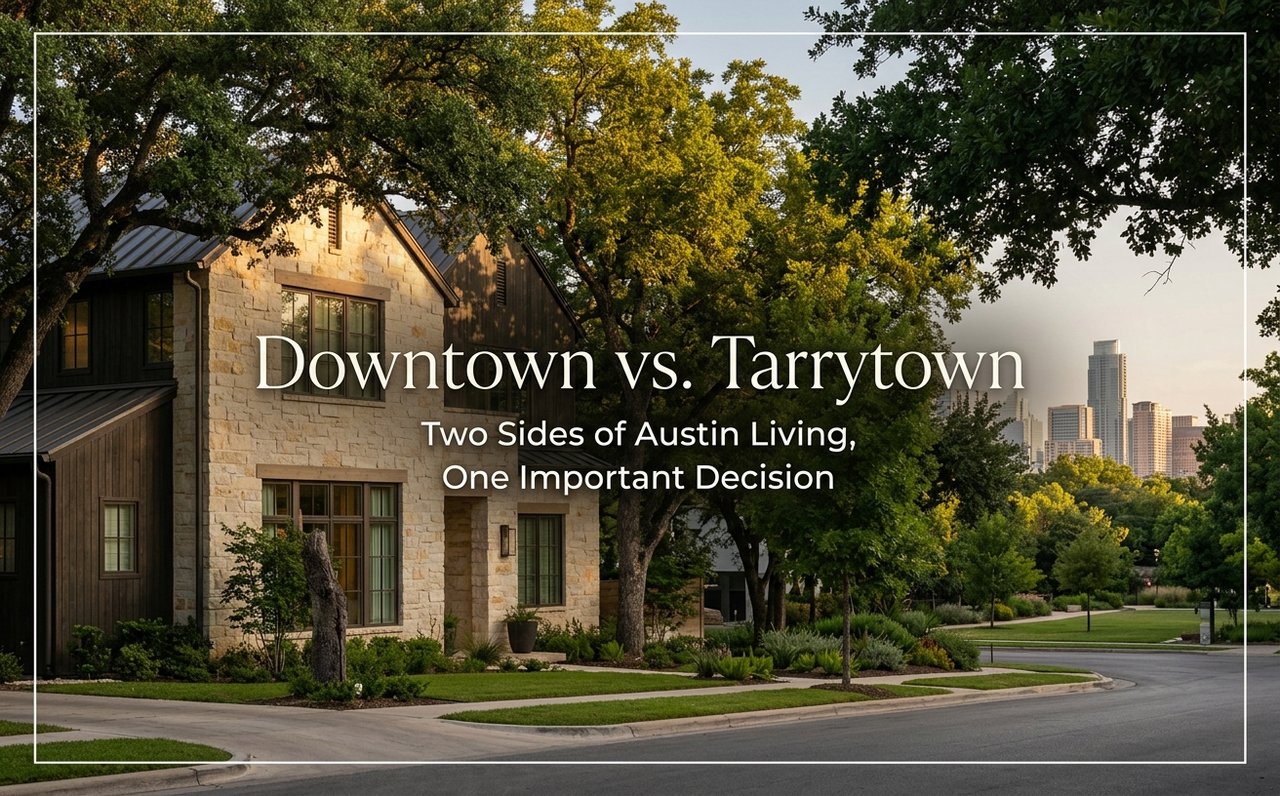
Two Sides of Austin Living, One Important Decision
Lifestyle
October 29, 2026
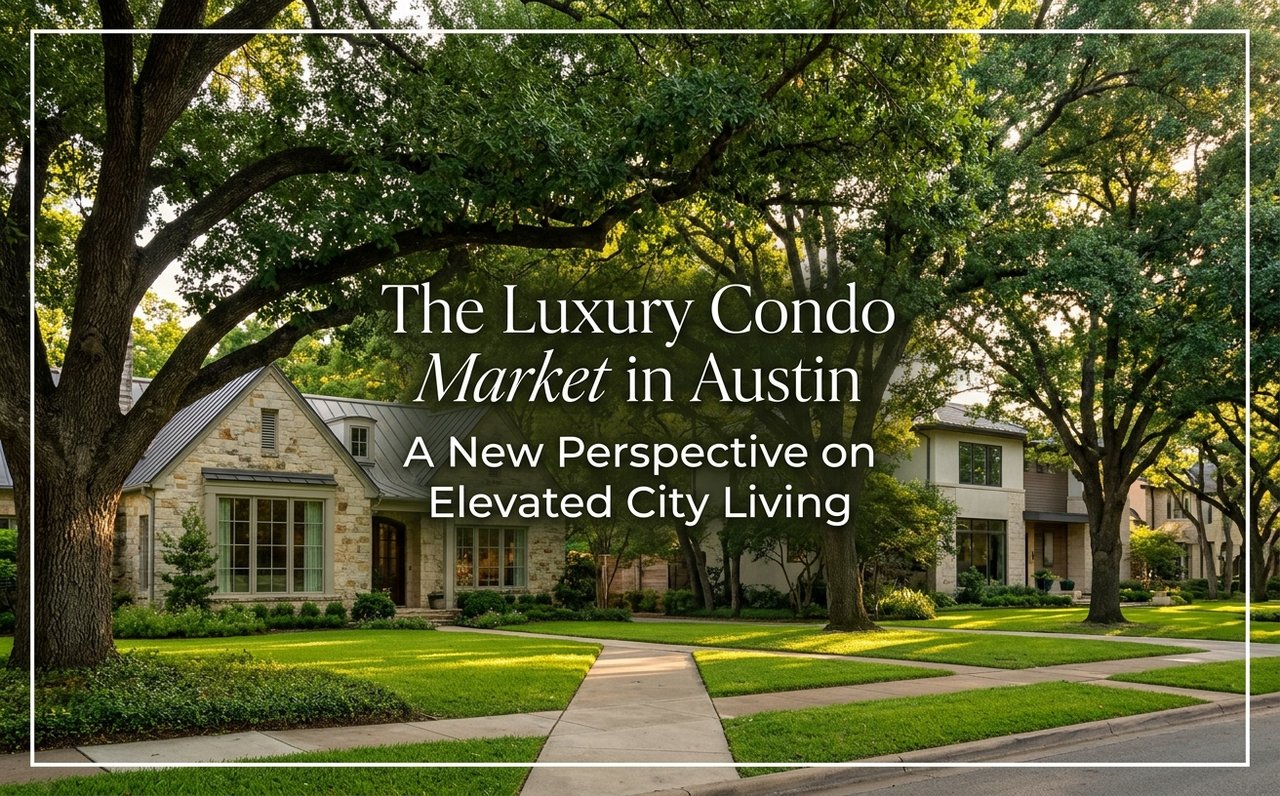
A New Perspective on Elevated City Living
Buyer Education
October 28, 2026
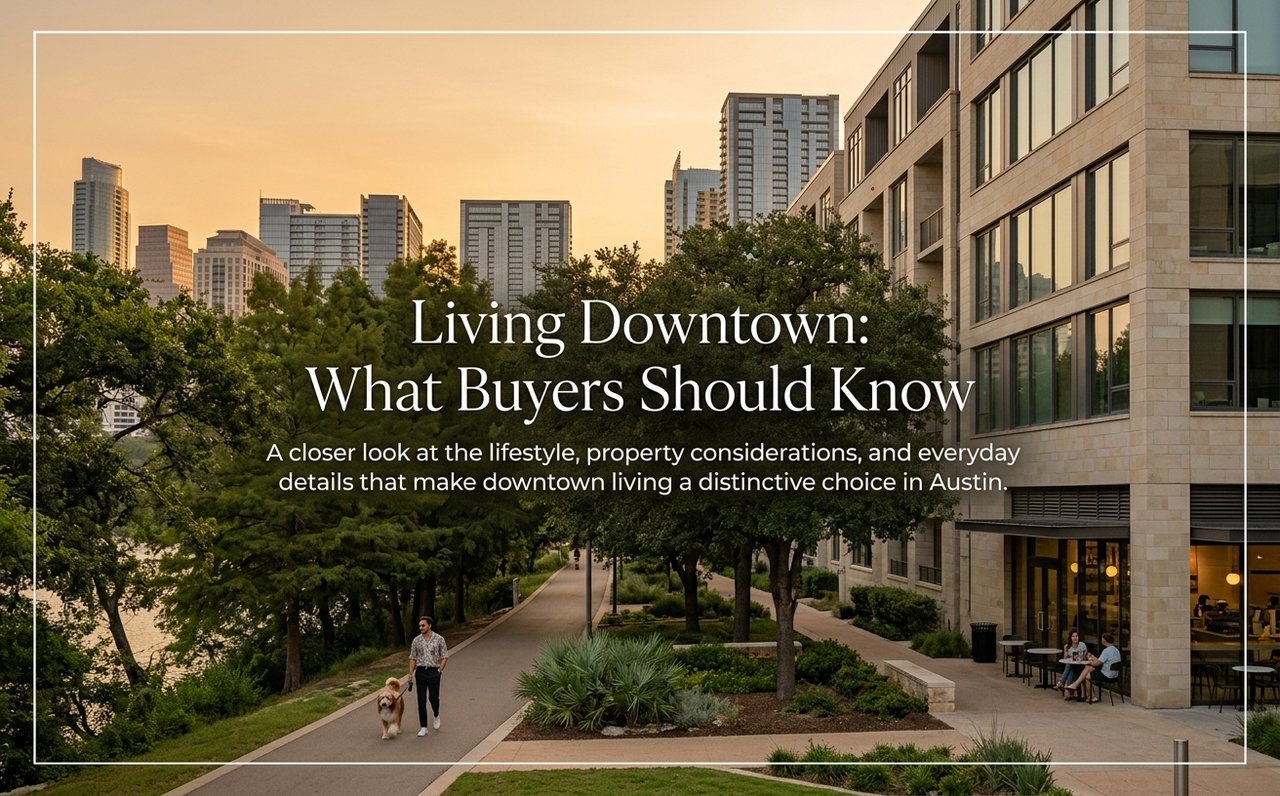
A closer look at the lifestyle, property considerations, and everyday details that make downtown living a distinctive choice in Austin.
Get In Touch With Our Team To Learn More