KHANI ZULU | BROKER ASSOCIATE, MCNE, CLHMS | November 9, 2026
Art & Culture
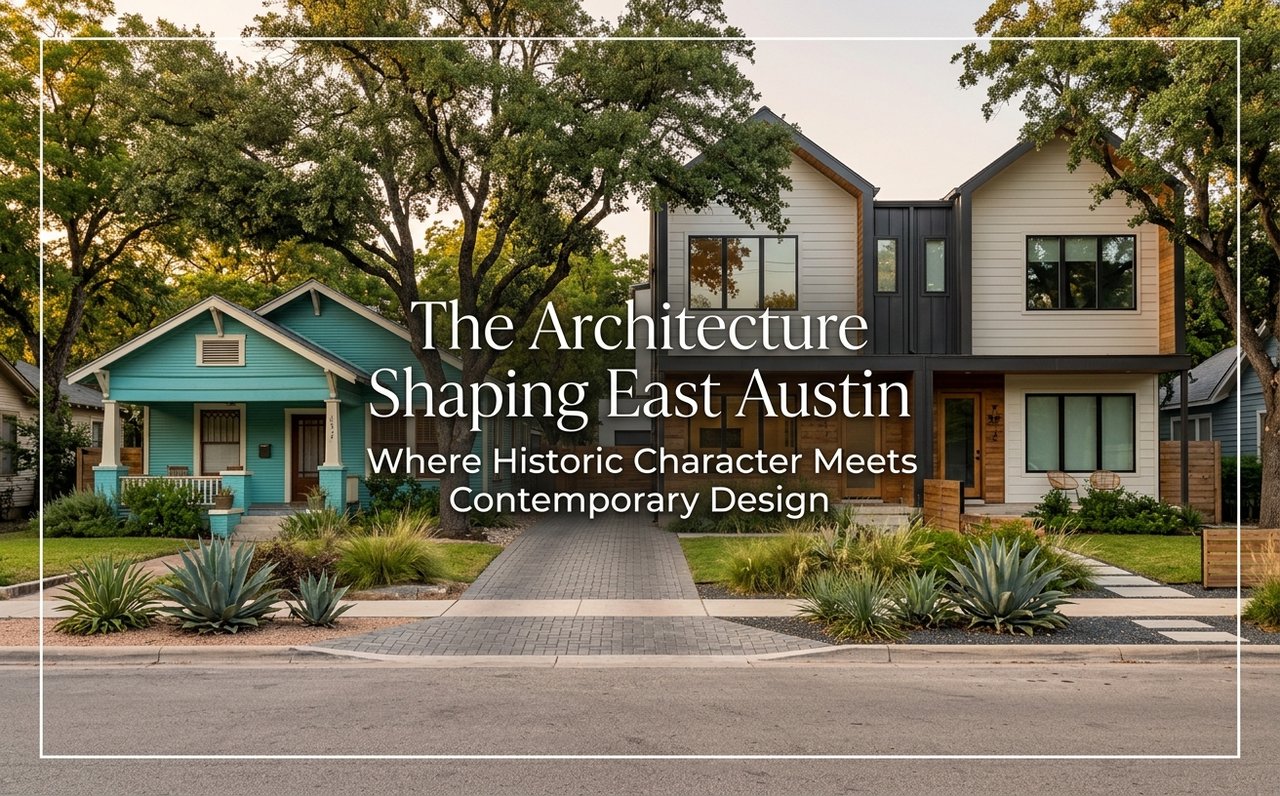
East Austin's architectural character is found in the contrast between what has endured and what is being reimagined. Historic bungalows, modest cottages, renovated residences, and contemporary homes share a landscape that reflects different periods of Austin's growth. Rather than following a single architectural style, the area offers a collection of buildings that tell different stories about how people have lived, designed, and built here.
For buyers drawn to distinctive homes, this variety creates an opportunity to look beyond conventional ideas of luxury. A residence may stand out through its original craftsmanship, the precision of a modern addition, or the way natural materials and carefully considered spaces create a sense of calm. In East Austin, architecture is often most compelling when it responds to the property's history and its surroundings.
Older homes remain an important part of East Austin's built environment. Bungalows, cottages, and vernacular residences reflect the practical design traditions of earlier generations, often featuring modest proportions, front porches, pitched roofs, and details that give each property its own identity.
These homes can offer a sense of scale and character that feels different from contemporary construction. Original woodwork, established landscaping, and traditional floor plans may provide a strong foundation for a thoughtful renovation, while the surrounding streets preserve connections to the area's residential history.
However, age alone does not determine architectural value. Buyers should look at how much of a home's original character remains, whether previous alterations have been carefully executed, and how the property has been maintained. A beautiful exterior may conceal outdated systems or deferred repairs, making a thorough inspection essential before purchasing.
Alongside its older residences, East Austin has seen contemporary homes introduce new forms, materials, and ways of using space. Clean lines, larger windows, open living areas, and carefully framed outdoor spaces can create a striking contrast with neighboring historic structures.
The strongest contemporary designs do more than make a visual statement. They respond to the site, consider privacy and natural light, and create a relationship between interior rooms and outdoor living areas. Material choices, proportions, shading, and landscaping can help a modern home feel connected to its surroundings rather than simply placed within them.
For buyers interested in contemporary architecture, it is worth looking closely at the details behind the appearance. Construction quality, durability, energy performance, and how the floor plan supports everyday routines all contribute to the long-term experience of living in the home.
Renovation is one of the most interesting architectural conversations in East Austin. Some projects preserve the original structure while updating kitchens, bathrooms, and essential systems. Others introduce contemporary additions that expand the home while creating a clear distinction between old and new.
A successful renovation respects the qualities that make a property distinctive while addressing how people live today. Natural light, circulation, storage, flexible rooms, and a stronger connection to the outdoors can transform an older home without erasing its identity. The result can feel both familiar and fresh, with architectural character that is difficult to reproduce through new construction alone.
The quality of the work matters as much as the design concept. Buyers should review renovation permits where applicable, understand which systems have been replaced, and ask about the scope of previous work. If a property has been substantially altered, it is also important to determine whether any historic designation or applicable regulations affect future changes.
Architecture is often remembered through its larger gestures, but a home's character is equally shaped by the details. The texture of brick, the warmth of wood, the restraint of a neutral palette, and the way daylight moves through a room can influence how a space feels throughout the day.
In East Austin's contemporary residences, thoughtful material combinations can create visual interest without overwhelming the architecture. In older homes, original details may provide a natural starting point for selecting finishes and introducing modern elements. In both cases, the goal is to establish a coherent relationship between materials, proportions, and the way the home is used.
Natural light deserves particular attention. Window placement, orientation, shading, and neighboring buildings can affect the comfort and atmosphere of a space. A property that looks bright during a midday showing may feel very different at other times, so visiting at different hours can offer a more complete understanding of its interior environment.
East Austin's built environment cannot be separated from the communities and history that shaped it. The area's residential streets, commercial buildings, and cultural landmarks reflect the experiences of generations of Black and Latino residents, local business owners, and families who helped establish its identity.
Preservation efforts continue to document that history and identify buildings that may hold architectural or cultural significance. The City of Austin's East Austin Historic Resource Survey is part of this broader effort to record places and stories that could otherwise be overlooked as the area changes.
This context is important when considering new development and renovation. Architecture contributes to a neighborhood's character not only through individual homes, but also through the scale of its streets, the relationship between buildings, and the history represented by the structures that remain. Thoughtful design can create room for contemporary living while acknowledging the character of the place in which it belongs.
East Austin's architectural diversity makes it important to evaluate each property on its own merits. A historic cottage, a fully renovated residence, and a newly built contemporary home may offer very different advantages, responsibilities, and long-term considerations.
Beyond the initial impression, buyers should assess the home's condition, construction quality, layout, natural light, privacy, outdoor space, and maintenance requirements. For older properties, a professional inspection and a review of renovation history can help clarify potential costs. For contemporary homes, attention to materials, workmanship, drainage, shading, and energy performance can reveal how well the design translates into everyday comfort.
It is also worth verifying whether a property is designated as historic or subject to specific preservation requirements before planning exterior alterations or additions. Not every older building is formally designated, and inclusion in a historic resource survey does not automatically confer that status. Confirming the property's circumstances can help buyers understand both its opportunities and any limitations on future work.
The most appealing homes often bring together qualities that might initially seem to compete. Historic character can coexist with modern functionality, while contemporary architecture can feel grounded in a neighborhood with a long-established identity. The balance depends on the property, the quality of its design, and how successfully it responds to its surroundings.
For luxury buyers, this creates an opportunity to think about value beyond square footage or a list of finishes. Architectural integrity, livability, material quality, and the relationship between a home and its setting can all contribute to a more lasting sense of appeal.
East Austin's diversity means there is no single architectural formula to follow. The right home may be one that preserves the details you love, introduces modern spaces with care, or offers a contemporary interpretation of residential living that feels connected to the neighborhood.
East Austin's architecture reflects a city that continues to evolve while carrying its history forward. Historic residences, careful renovations, and contemporary construction contribute different perspectives to the same broader landscape, creating a neighborhood where design remains an ongoing conversation.
For those considering a home in the area, exploring its architecture offers more than an opportunity to identify a preferred style. It provides a way to understand the property's context, the quality of its design, and the character of the streets around it.
Ultimately, a well-designed home does more than look beautiful. It responds to its surroundings, supports the way people live, and creates a meaningful connection between architecture and place. That is what makes East Austin's residential landscape worth looking at more closely.
Stay up to date on the latest real estate trends.
Lifestyle
November 13, 2026
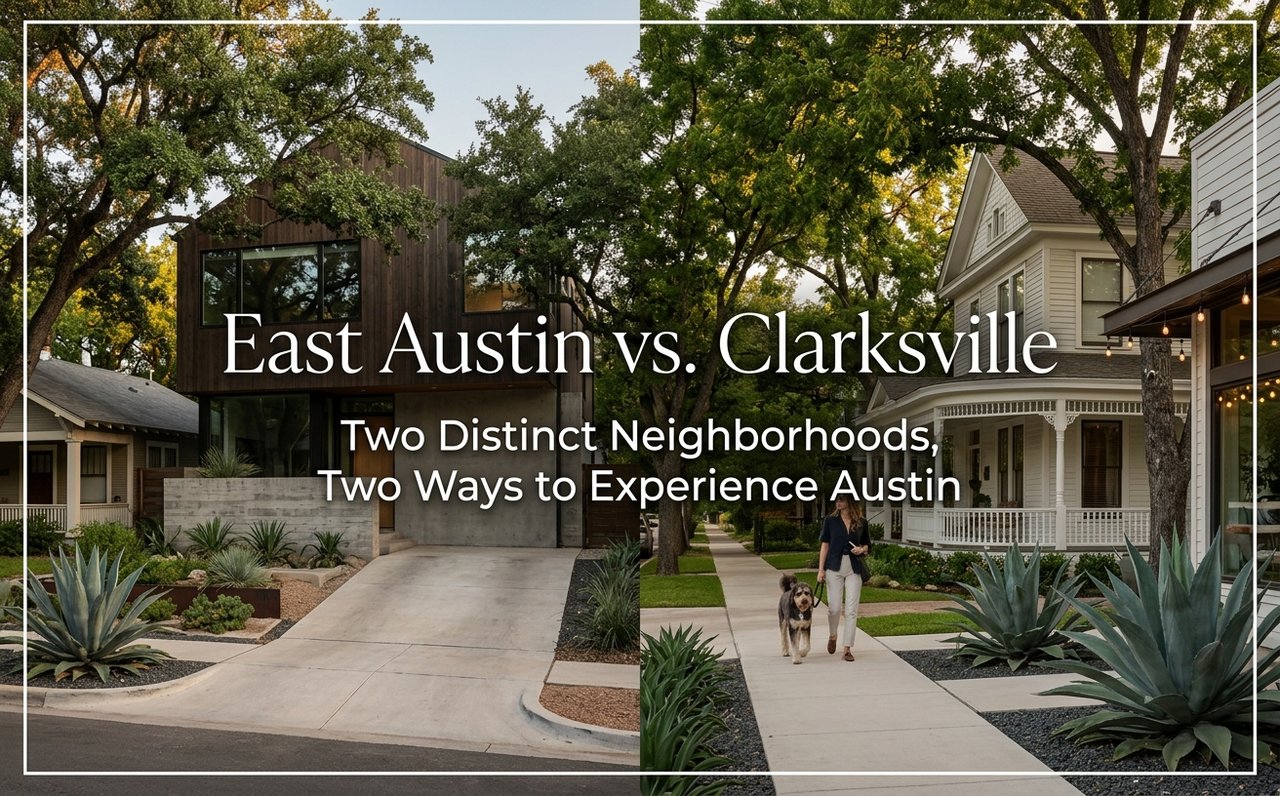
Two Distinct Neighborhoods, Two Ways to Experience Austin
Buyer info
November 12, 2026
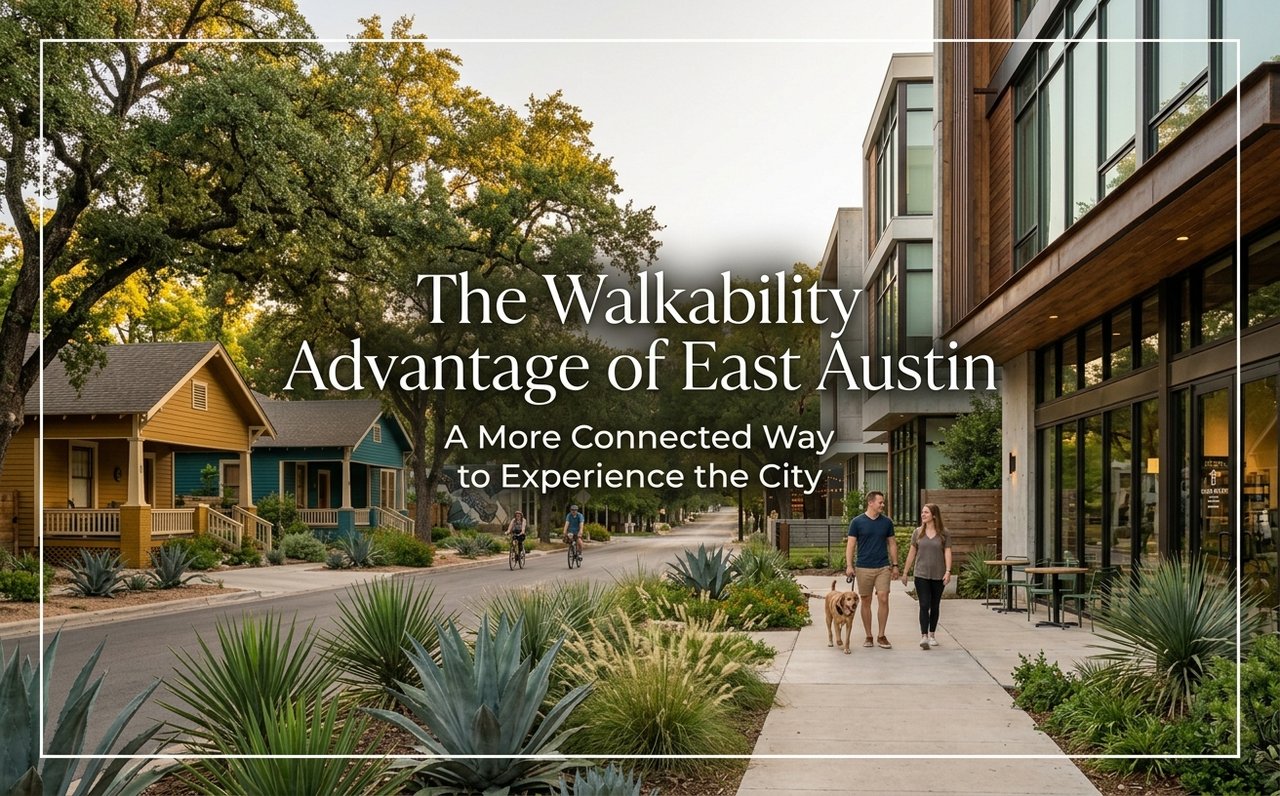
A More Connected Way to Experience the City
Buyer info
November 11, 2026
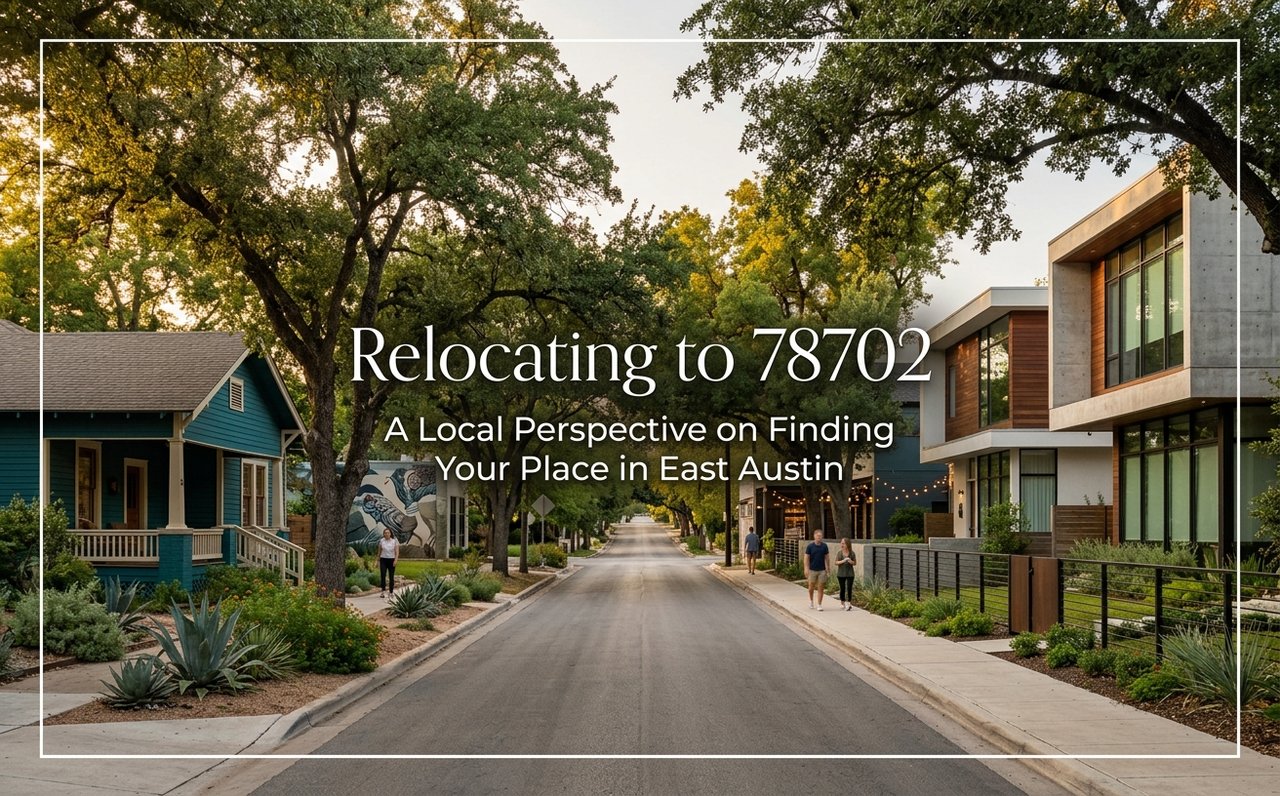
A Local Perspective on Finding Your Place in East Austin

Lifestyle
November 10, 2026
A Neighborhood Where Ideas Find Room to Grow
Art & Culture
November 9, 2026
Where Historic Character Meets Contemporary Design

Lifestyle
November 6, 2026
Two Distinct Ways to Experience the Energy, Culture, and Lifestyle of Austin

Buyer info
November 5, 2026
Where Local Heritage, Art, and Everyday Life Shape a Distinctive Austin Experience
Lifestyle
November 4, 2026
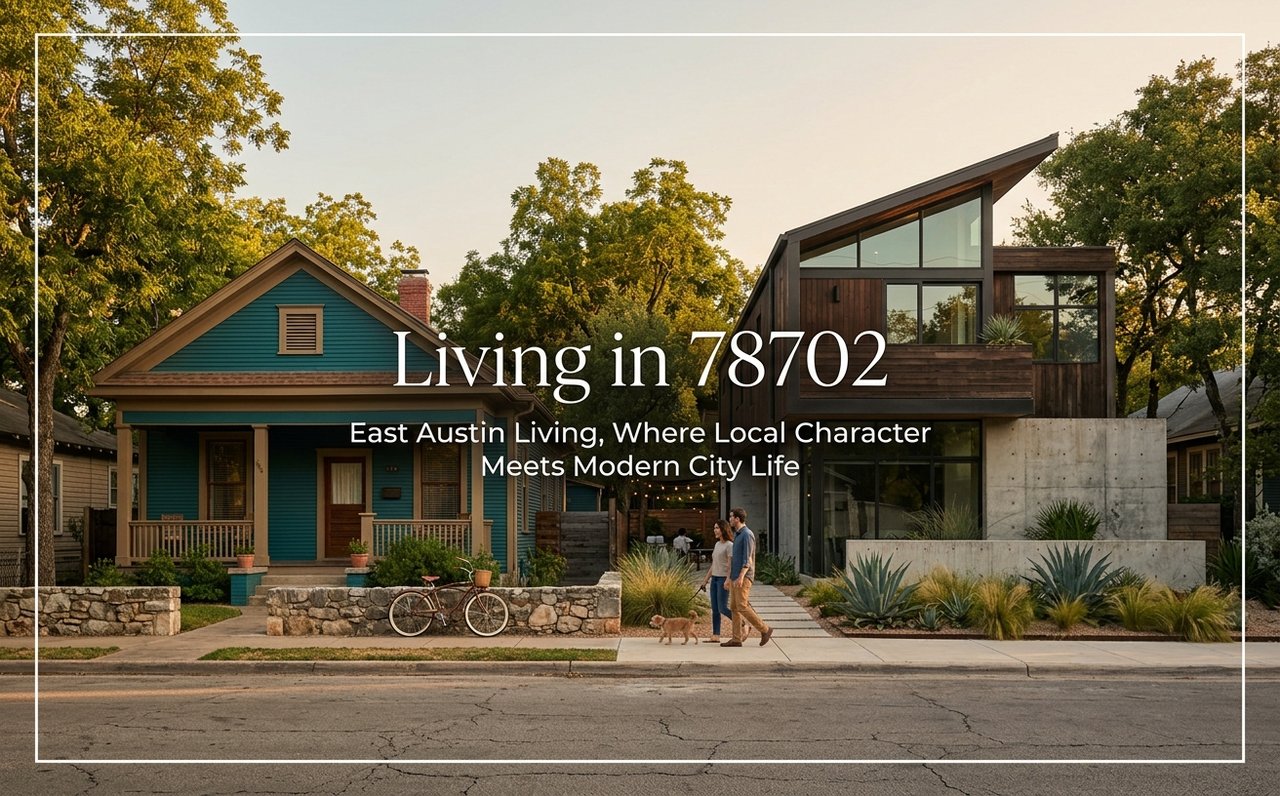
East Austin Living, Where Local Character Meets Modern City Life
Buyer info
November 3, 2026
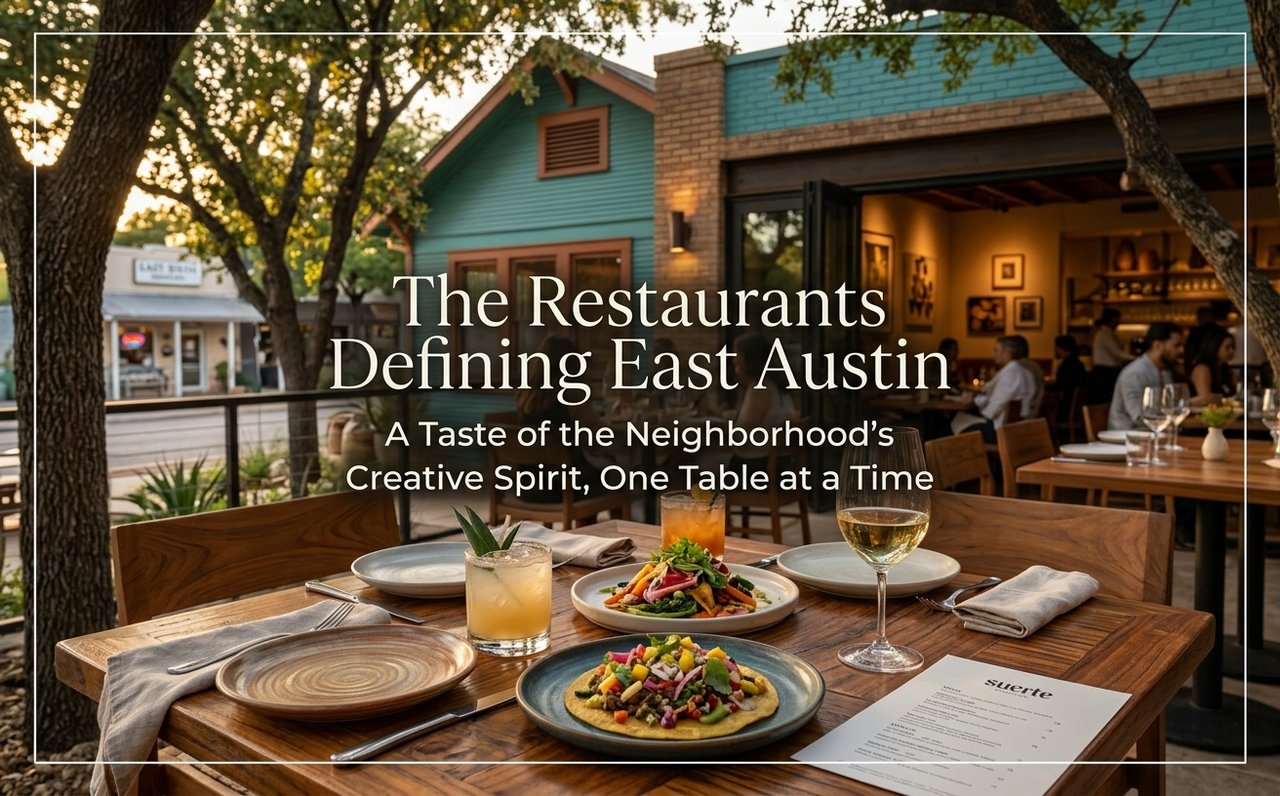
A Taste of the Neighborhood's Creative Spirit, One Table at a Time
Get In Touch With Our Team To Learn More