KHANI ZULU | BROKER ASSOCIATE, MCNE, CLHMS | November 13, 2026
Lifestyle
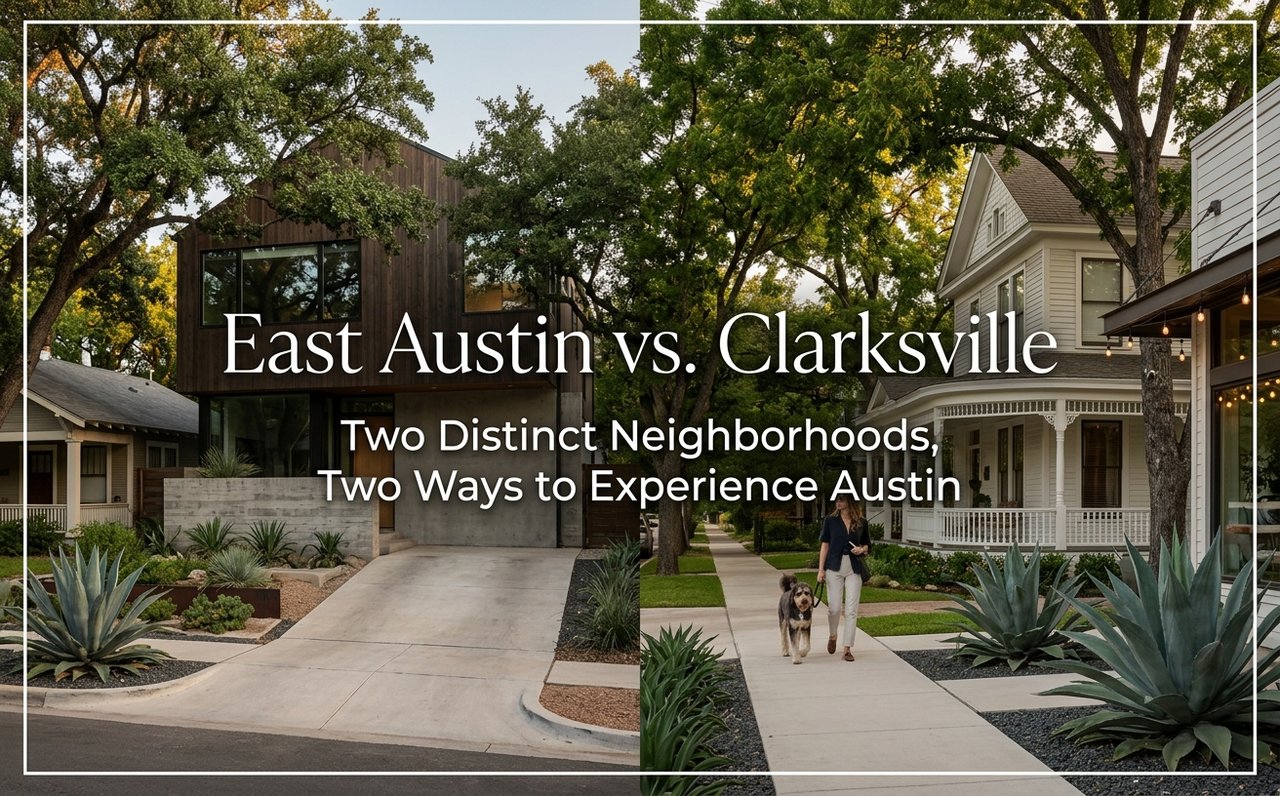
Choosing where to live in Austin is about more than finding a beautiful property. The surrounding streets, architectural character, local businesses, and rhythm of everyday life all influence how a home feels once the moving boxes are gone.
East Austin and Clarksville offer two distinctive ways to experience the city. East Austin is known for its varied residential architecture, independent businesses, creative spaces, and culturally rich history. Clarksville, just west of downtown, offers a more intimate residential atmosphere shaped by historic homes, mature trees, and a strong connection to Austin's past.
Both provide access to central Austin and opportunities to enjoy local dining, culture, and outdoor spaces. The difference lies in the details: the type of home you prefer, the environment you want around you, and the way you imagine spending your time.
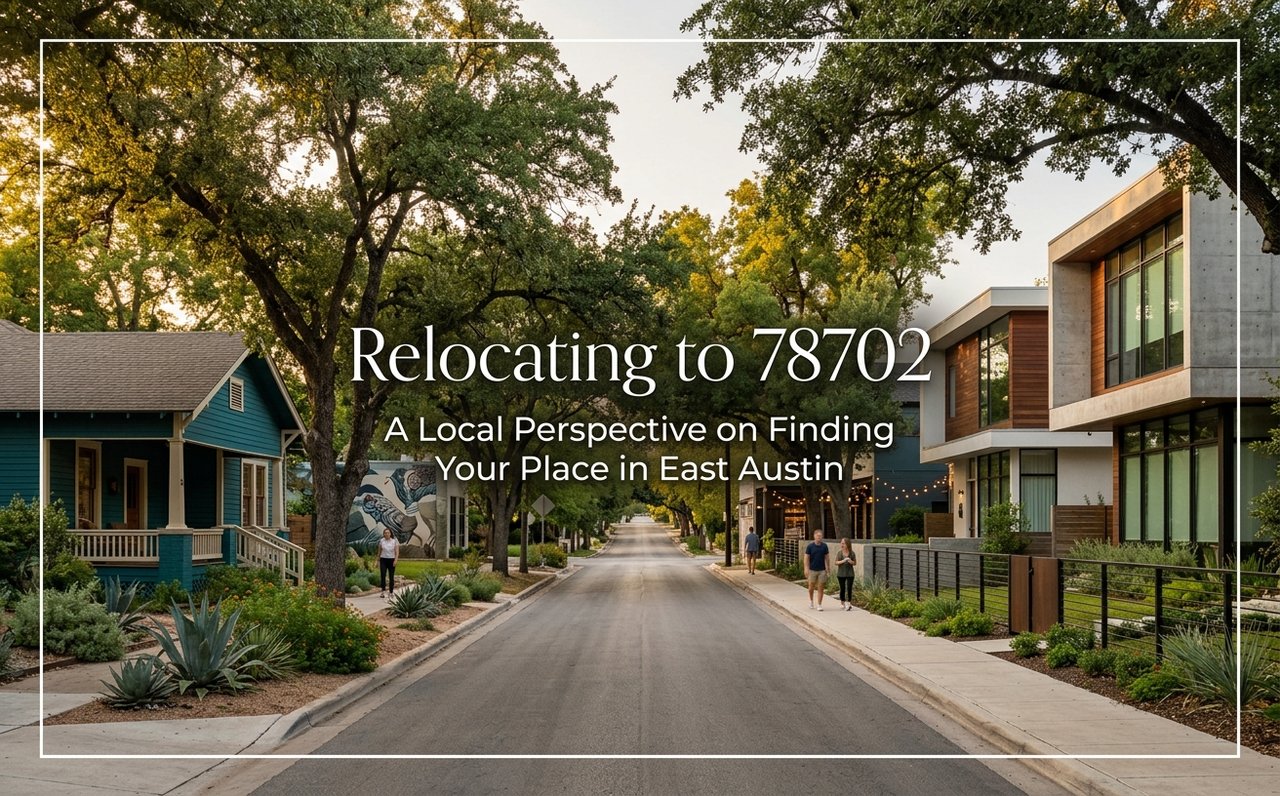
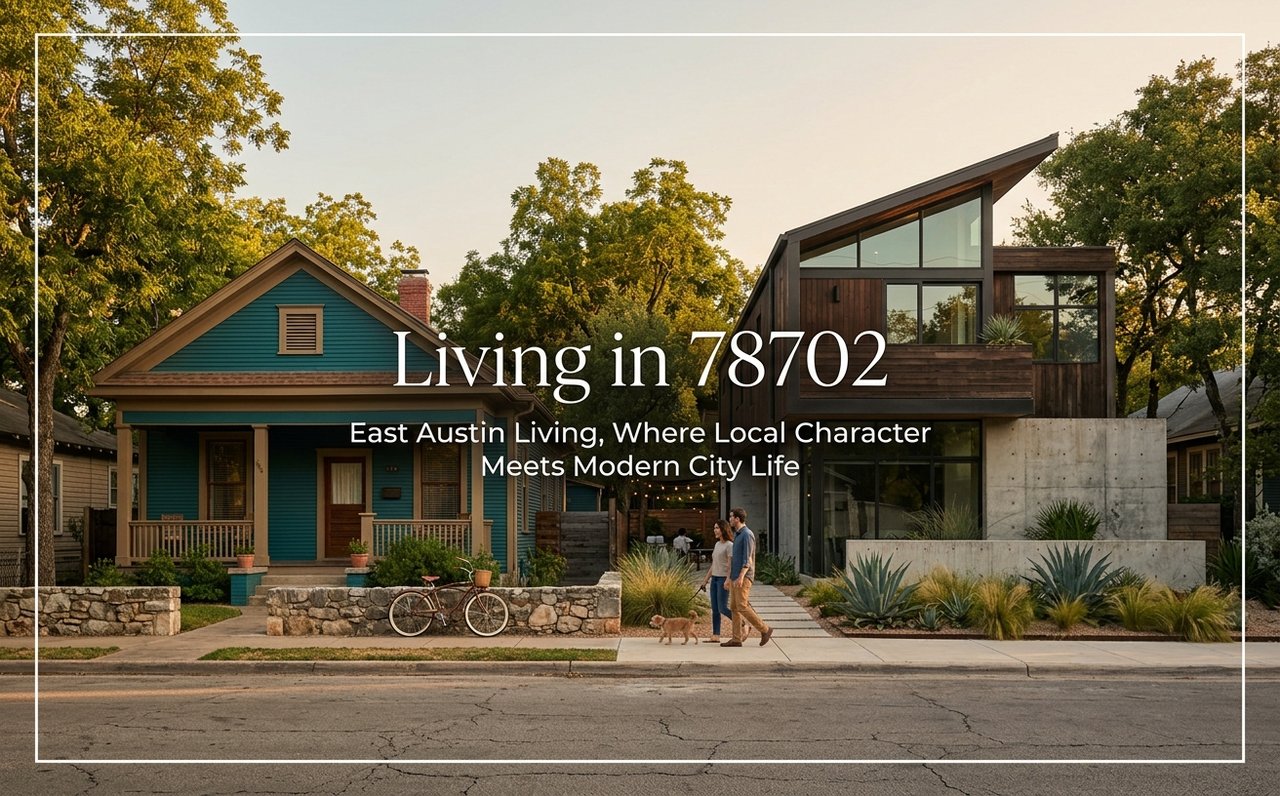
East Austin encompasses a broad collection of neighborhoods rather than one uniform district. Across the area, historic cottages and bungalows sit alongside renovated residences and contemporary construction, creating a residential landscape with a wide range of architectural expressions.
Its appeal also extends beyond housing. Independent restaurants, galleries, local shops, and creative spaces contribute to a lively mix of experiences. Places such as the Govalle Cultural District and the East 12th Street corridor reflect different aspects of the area's cultural and commercial identity, while local institutions preserve stories that have shaped generations of East Austin residents.
For buyers, this variety creates flexibility. You might prioritize a contemporary home with open living areas, a renovated property with original details, or a residence that offers room to personalize over time. The surrounding environment can vary just as much, from active commercial streets to quieter residential blocks.
East Austin may be a compelling fit for buyers who value individuality, local businesses, architectural contrast, and a neighborhood experience that changes from one pocket to another. The key is to explore specific locations rather than assuming the entire area offers the same lifestyle.
Clarksville offers a different atmosphere within central Austin. Located west of downtown, this historic neighborhood is known for its residential streets, mature landscaping, distinctive older homes, and proximity to local dining and everyday conveniences.
Its history is especially significant. Founded in 1871 by Charles Clark, a formerly enslaved man, Clarksville became one of Austin's historic Black communities. Its legacy is reflected in preservation efforts and landmarks such as Sweet Home Baptist Church. The neighborhood's history deserves recognition not only for its architecture, but also for the community that established it and the challenges residents have faced as the area changed.
Architecturally, Clarksville offers a blend of historic cottages, bungalows, renovated residences, and newer homes. Its streets can feel more intimate and established than the varied commercial and residential corridors found across East Austin, although the experience depends on the exact location.
For buyers drawn to traditional architecture, mature trees, and a residential setting close to downtown, Clarksville may be especially appealing. Its historic character also makes property-specific research important, particularly for anyone considering exterior alterations, additions, or substantial renovations.
One of the clearest distinctions between these areas is how their architectural character is experienced.
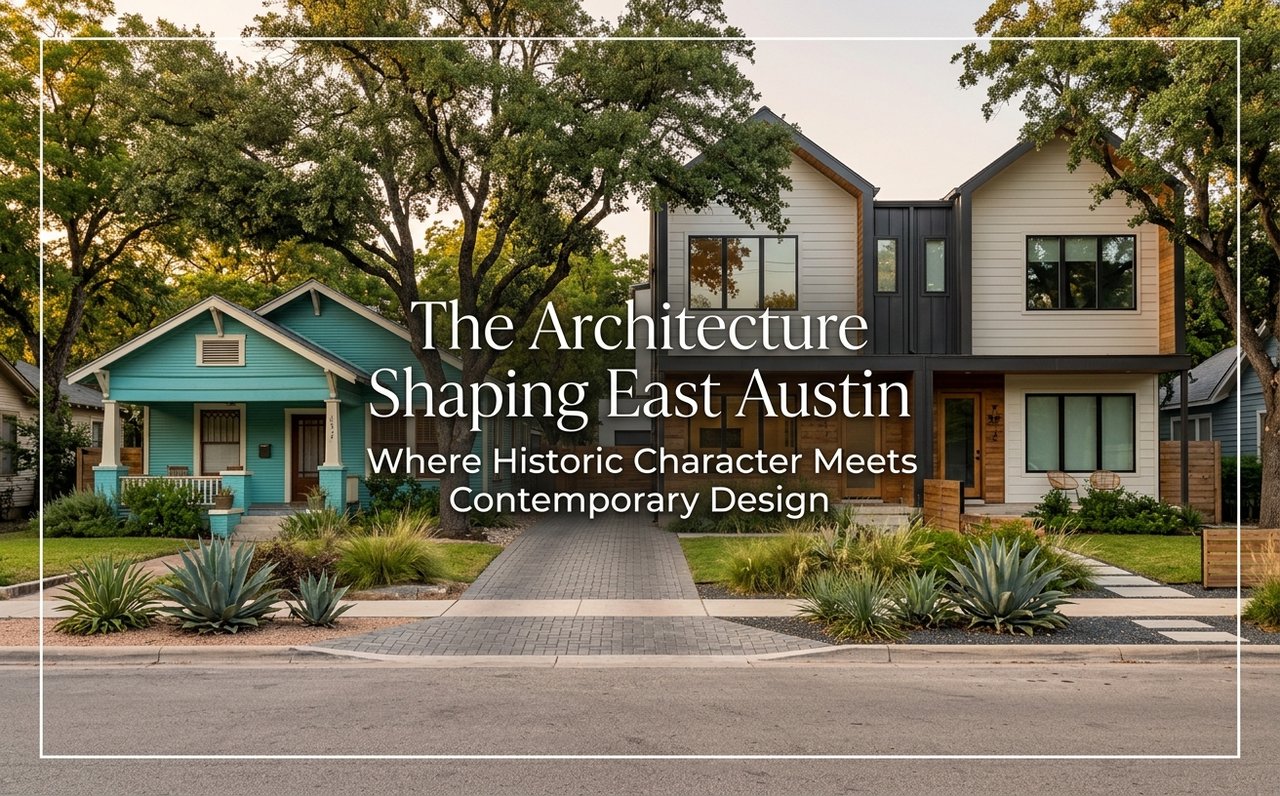
East Austin offers a broad mix of building styles and eras. Modern homes may introduce clean lines, generous glazing, and flexible interiors beside older houses with traditional proportions and original details. Renovations can create an interesting dialogue between old and new, making the area's residential identity feel varied and evolving.
Clarksville's historic core has a more established architectural identity, with older residences and traditional streetscapes contributing to its sense of place. Renovated homes may combine historic features with contemporary kitchens, updated systems, and modern living spaces, while newer construction introduces a different interpretation of central Austin living.
Neither approach is inherently better. Buyers who enjoy architectural variety and contemporary design may gravitate toward particular pockets of East Austin. Those who prefer historic character and an established residential atmosphere may find Clarksville more aligned with their preferences.
In both locations, it is important to look beyond the exterior. Construction quality, natural light, floor-plan functionality, privacy, and maintenance requirements often matter more to everyday comfort than architectural style alone.
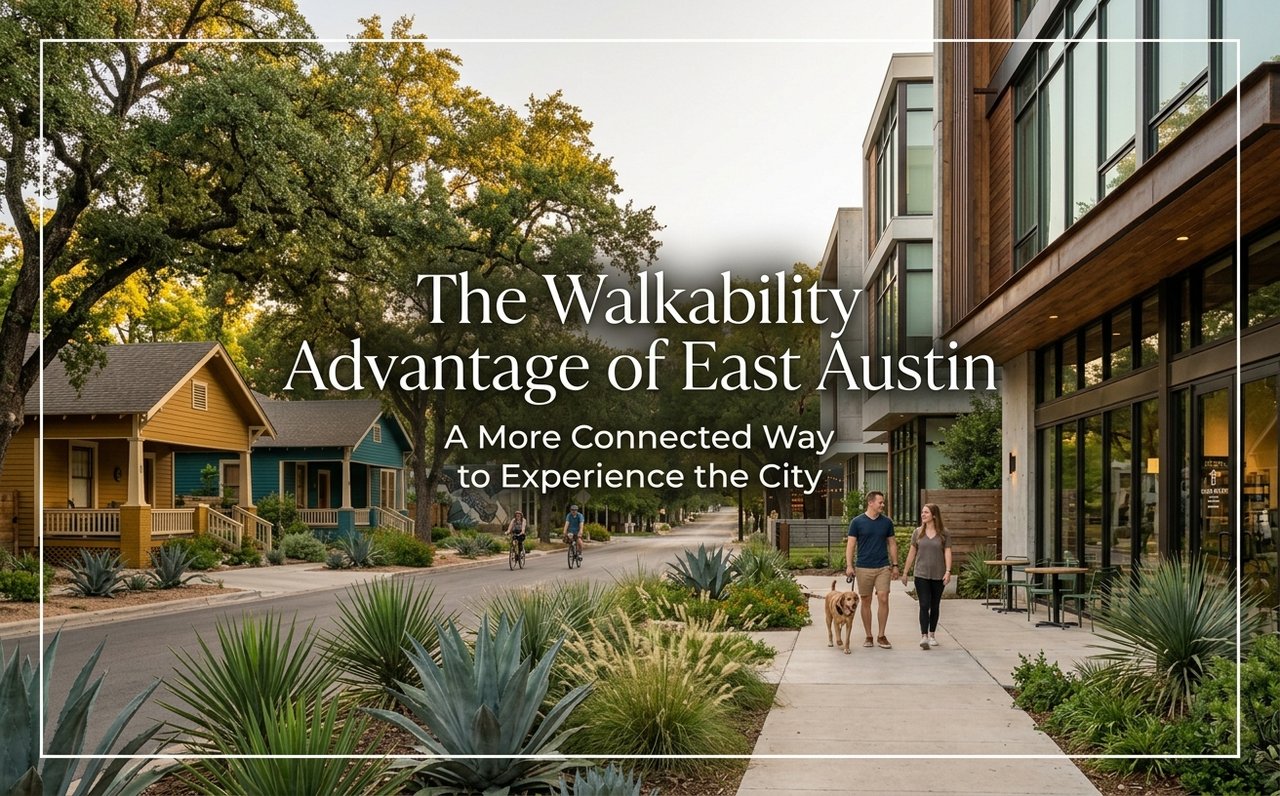
Both East Austin and Clarksville offer opportunities for a more connected lifestyle, but walkability varies considerably by address.
In East Austin, access to restaurants, coffee shops, cultural venues, and parks often depends on proximity to a particular commercial corridor. Some homes make it easy to incorporate local destinations into a daily routine, while others may require driving for many errands. The wider area also offers different transportation connections and routes toward downtown.
Clarksville benefits from its central location and established neighborhood streets, with local dining, shops, and services in and around the area. Depending on the property, residents may be able to combine neighborhood walks with convenient access to downtown destinations and nearby green spaces such as Pease Park.
For either neighborhood, the most useful approach is to evaluate the specific routes you would take regularly. Walk the blocks around a property, check sidewalk continuity and crossings, and consider the destinations that matter most to you. A neighborhood's general reputation for walkability cannot guarantee that every home offers the same convenience.
East Austin's broad geographic scope means its housing options can differ substantially in size, style, condition, and setting. Buyers may encounter historic homes, contemporary single-family residences, renovated properties, and some attached housing options. This range makes it particularly important to compare properties with similar characteristics and locations.
Clarksville's housing selection is shaped by its smaller historic core and surrounding central residential areas. Older homes, renovated cottages, and newer residences can each offer different advantages, but property condition and renovation history deserve careful attention.
In both neighborhoods, the purchase price is only one part of the decision. Buyers should account for property taxes, insurance, utilities, ongoing maintenance, and potential renovation costs. Older properties may require additional investment in major systems or repairs, while newer homes still warrant a thorough inspection of workmanship, materials, drainage, and overall condition.
Historic status is another consideration, especially in Clarksville's designated historic district. Buyers should verify the status of the specific property and understand which requirements, if any, apply to future changes. Not every older home is formally designated, and assumptions about renovation flexibility can lead to unexpected complications.
The choice between East Austin and Clarksville becomes clearer when you consider how you want to spend an ordinary week.
East Austin may appeal to someone who enjoys exploring independent businesses, discovering new restaurants, engaging with creative spaces, and choosing from a varied mix of architectural styles. Because the area encompasses multiple pockets, buyers can also look for a balance between lively surroundings and quieter residential streets.
Clarksville may suit someone who prefers an established residential setting with historic character, tree-lined streets, and convenient access to central Austin. Its atmosphere can feel more intimate, while still offering proximity to restaurants, cultural destinations, and downtown.
Think about the details that influence your routine: how much privacy you want, whether outdoor space is a priority, how often you walk to local destinations, and how your commute or work-from-home needs affect the ideal floor plan. These practical considerations can reveal more about neighborhood fit than a list of amenities alone.
Both neighborhoods benefit from their relationship to central Austin, but their specific locations and surrounding development patterns differ. East Austin spans a larger area with varied connections to downtown and other parts of the city, while Clarksville sits immediately west of downtown within the broader Old West Austin area.
For buyers evaluating long-term ownership, location should be considered alongside property-specific factors. Nearby development, traffic patterns, access to daily necessities, the condition of the home, and the character of the immediate block can all influence how a property fits future needs.
It is also important to approach market potential carefully. Neither neighborhood guarantees appreciation simply because it is desirable or centrally located. Reviewing recent comparable sales, understanding current market conditions, and assessing the property's individual qualities provide a more useful foundation for a real estate decision.
East Austin and Clarksville each offer a distinctive perspective on central Austin living. East Austin stands out for its creative energy, architectural diversity, independent businesses, and range of neighborhood experiences. Clarksville offers historic character, an established residential atmosphere, and a close connection to downtown.
The right choice depends on what you want your home and surroundings to provide. If you are drawn to contemporary design, local creative culture, and the opportunity to explore different residential pockets, East Austin may be worth a closer look. If historic architecture, mature landscaping, and a more intimate residential setting are high on your list, Clarksville may feel like a natural fit.
Ultimately, choosing between them is less about deciding which neighborhood is better and more about identifying where your priorities align. Explore the streets, experience the daily rhythm, compare properties carefully, and look beyond first impressions. The right neighborhood is the one that supports the way you want to live, both inside your home and beyond its front door.
Stay up to date on the latest real estate trends.
Lifestyle
November 13, 2026
Two Distinct Neighborhoods, Two Ways to Experience Austin
Buyer info
November 12, 2026
A More Connected Way to Experience the City
Buyer info
November 11, 2026
A Local Perspective on Finding Your Place in East Austin

Lifestyle
November 10, 2026
A Neighborhood Where Ideas Find Room to Grow
Art & Culture
November 9, 2026
Where Historic Character Meets Contemporary Design

Lifestyle
November 6, 2026
Two Distinct Ways to Experience the Energy, Culture, and Lifestyle of Austin

Buyer info
November 5, 2026
Where Local Heritage, Art, and Everyday Life Shape a Distinctive Austin Experience
Lifestyle
November 4, 2026
East Austin Living, Where Local Character Meets Modern City Life

Buyer info
November 3, 2026
A Taste of the Neighborhood's Creative Spirit, One Table at a Time
Get In Touch With Our Team To Learn More