KHANI ZULU | BROKER ASSOCIATE, MCNE, CLHMS | October 5, 2026
Lifestyle
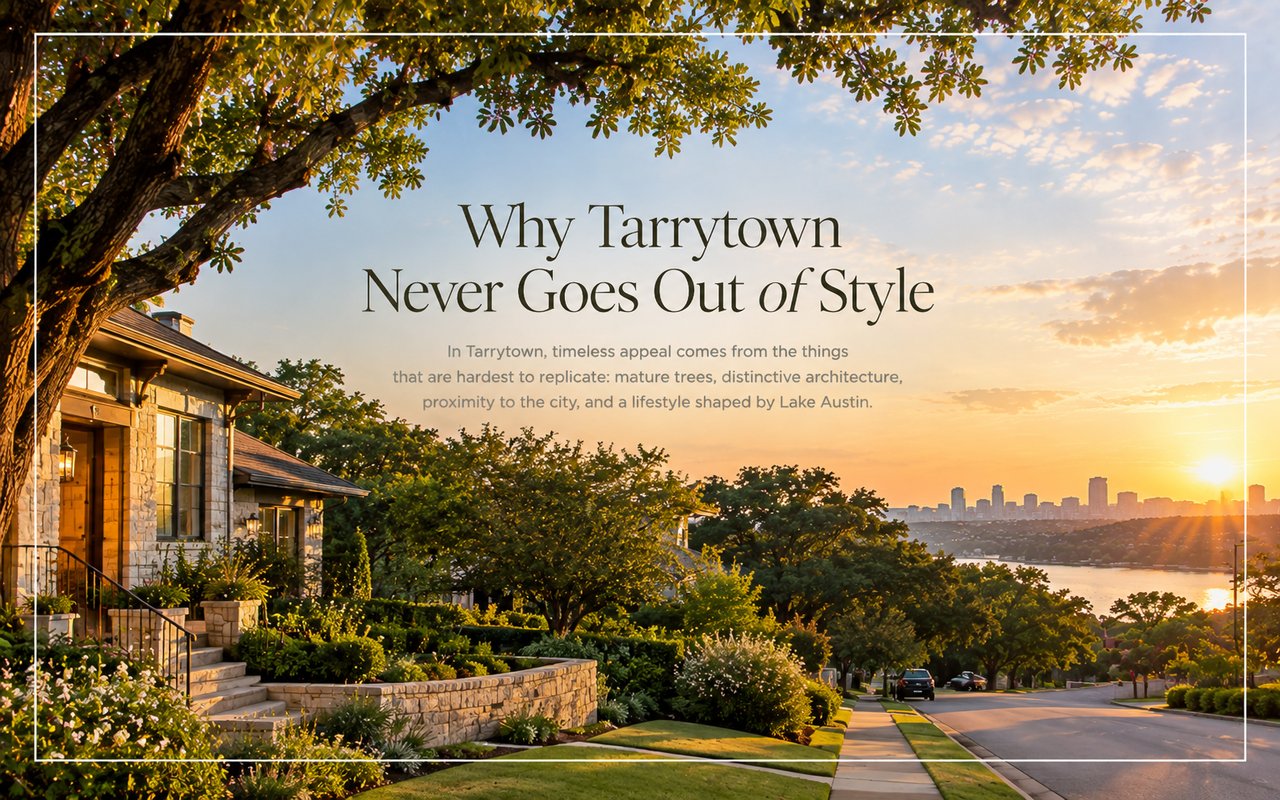
Some neighborhoods are defined by what is new. Others become more interesting as time passes.
Tarrytown belongs to the second category.
Just west of downtown Austin, between Lake Austin and MoPac, Tarrytown has developed a reputation for mature trees, distinctive homes, established streets, and an unusually close relationship with both the city and the water. The neighborhood's character is not tied to one architectural style or one generation of buyers. It has evolved while retaining the qualities that made the area special in the first place.
That may be the secret to its staying power.
Tarrytown's history reaches back more than a century, with roots connected to the former Woodlawn estate and the Pease family. The first Tarrytown subdivision phase opened in 1934, creating a residential neighborhood built around the area's mature landscape.
You can still feel that history today.
The streets do not read like a collection of identical homes built at the same time. Instead, they reveal layers of Austin's architectural evolution, from older bungalows and traditional residences to Mid Century Modern homes and contemporary custom builds.
That variety gives Tarrytown something many newer communities spend years trying to create: character.
Walk through Tarrytown and the first impression may not be the size of the homes.
It is the canopy.
Large, mature trees and established landscaping create a sense of enclosure and permanence throughout the neighborhood. The Tarrytown Alliance describes the area's character through its old trees, residential gardens, and established setting between Lake Austin and MoPac.
For luxury buyers, that landscape can become one of the property's most meaningful assets.
A house can be renovated. A kitchen can be redesigned. An interior can be completely transformed.
Mature trees take decades.
One of Tarrytown's most compelling qualities is its architectural diversity.
Historic homes, cottages, bungalows, Tudor and Colonial influences, Mid Century Modern residences, and contemporary construction can all exist within the same broader neighborhood.
That creates an interesting dynamic for buyers.
Some are drawn to preservation and original character. Others want a contemporary home with expansive glass, clean lines, and modern indoor outdoor living. Others may want to renovate an existing property and create something that reflects their own aesthetic.
There is room for different interpretations of luxury.
Tarrytown's western edge meets Lake Austin, giving the neighborhood a relationship with the water that is unusual for such a central Austin address. The Tarrytown Alliance also highlights nearby lake access, parks, recreation, and waterfront destinations as part of the neighborhood's lifestyle.
The appeal is not simply about owning waterfront property.
It is about proximity to a completely different pace of life.
A morning near the water. A walk beneath the trees. An afternoon outdoors. Dinner at home while the light changes across the lake.
The city can be close without defining every moment.
Tarrytown sits close enough to downtown and the University of Texas to make city access part of everyday life, while its residential streets create a distinctly quieter environment.
That combination is difficult to reproduce.
You do not have to choose between an established residential setting and proximity to Austin's cultural and urban life.
You can have both.
For buyers who value convenience but do not want their home to feel surrounded by the pace of the city, that distinction can be meaningful.
The strongest neighborhoods tend to accommodate different chapters of life.
Tarrytown can support that flexibility through its range of homes, lot sizes, architectural styles, recreational spaces, and proximity to everyday amenities. The neighborhood includes access to parks such as Reed Park, which has served the Tarrytown community since 1954 and includes a pool, playscape, natural areas, and the historic Taylor Lime Kiln.
That gives the neighborhood an everyday quality that goes beyond real estate.
It is a place where the surrounding environment becomes part of how people live.
Tarrytown is served by Austin ISD, with Casis Elementary located within the neighborhood. Casis opened in 1951 and today offers programs including Spanish and special education, while Austin ISD notes that exact school assignment is determined by home address.
For families considering a move, that last detail matters.
Neighborhood names are useful for orientation, but the specific property should always be verified through the district's current school finder and attendance boundaries.
It is another example of why choosing a home in Tarrytown is about more than the house itself.
One of the interesting things about Tarrytown is that its appeal has not depended on everything remaining exactly as it was.
The neighborhood continues to evolve.
Older homes have been renovated. Some properties have been replaced with new construction. Contemporary architecture has found its place alongside homes from earlier eras. Yet the broader landscape and residential identity remain recognizable.
That balance is important.
Timeless design does not mean resisting change.
It means allowing change without losing the qualities that give a place its identity.
It is rarely a single feature.
In Tarrytown, the appeal comes from a collection of details that reinforce one another:
Mature trees and established landscapes.
Distinctive architecture with a sense of history.
A close relationship with Lake Austin.
Proximity to downtown and the University of Texas.
Parks, recreation, and everyday neighborhood amenities.
Homes that can evolve with different generations of owners.
None of these qualities depends entirely on a particular design trend.
That is what gives them staying power.
Perhaps Tarrytown never goes out of style because it does not need to chase style in the first place.
Its appeal comes from a feeling that is harder to manufacture: established but not static, sophisticated but not overly formal, close to the city but surrounded by nature.
The architecture can change.
The interiors can change.
The people can change.
But when the trees mature, the lake remains nearby, and the neighborhood continues to feel unmistakably Austin, the foundation of its appeal remains.
And sometimes, the most luxurious thing a neighborhood can offer is not something new at all.
It is the feeling that it was always meant to be there.
Stay up to date on the latest real estate trends.
Buyer info
November 12, 2026
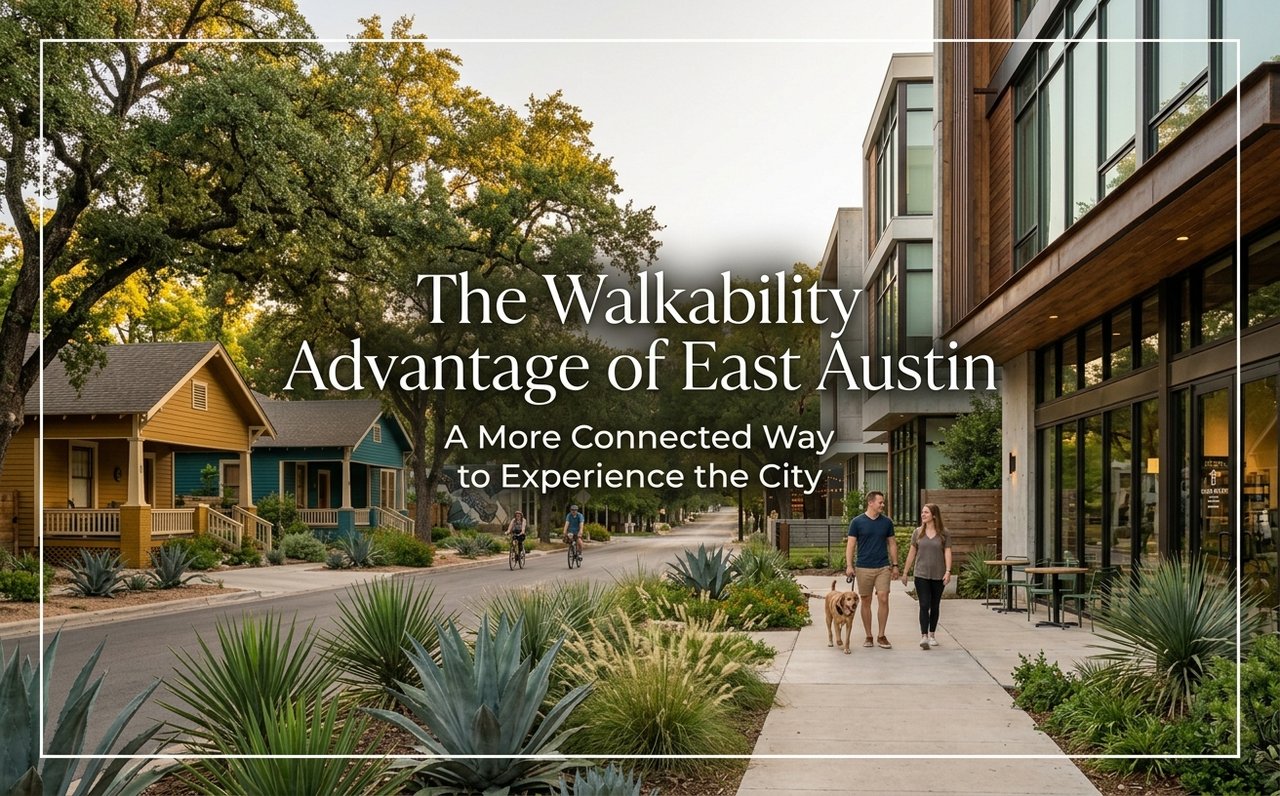
A More Connected Way to Experience the City
Buyer info
November 11, 2026
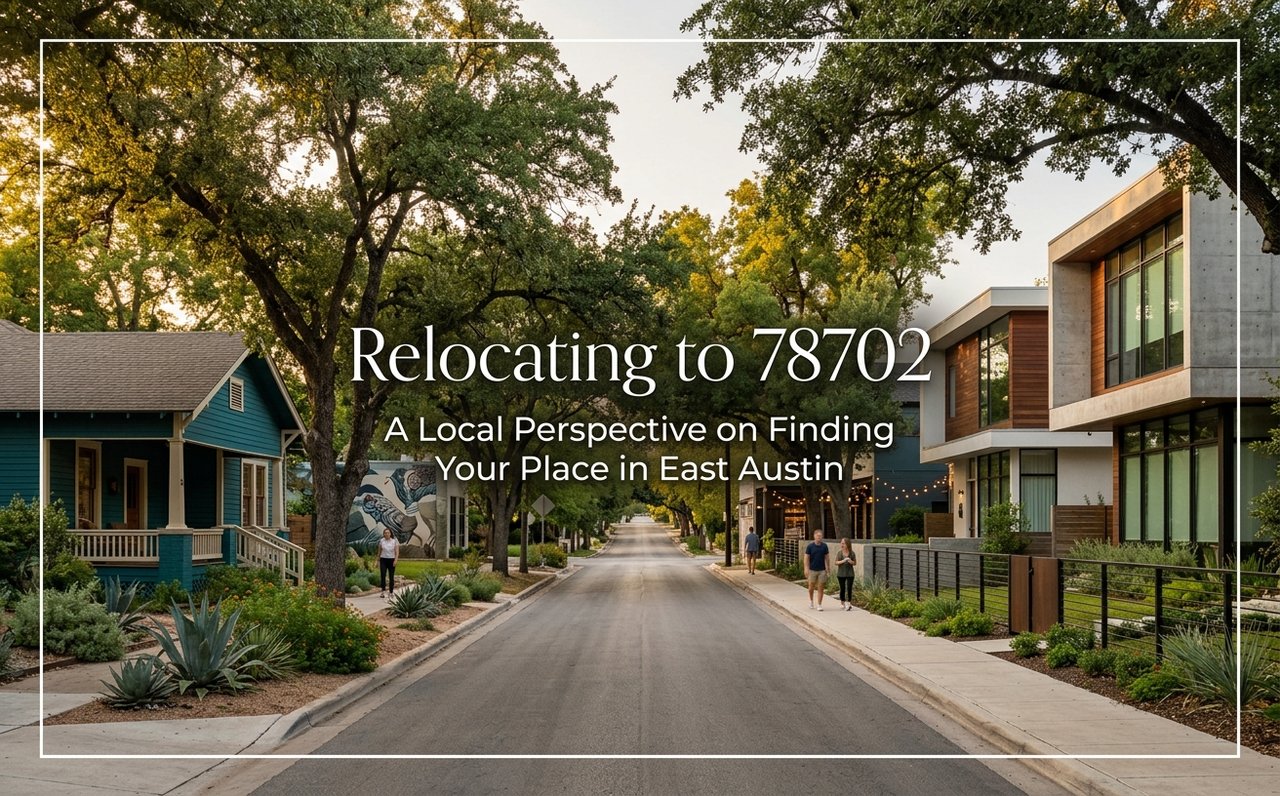
A Local Perspective on Finding Your Place in East Austin
Lifestyle
November 10, 2026
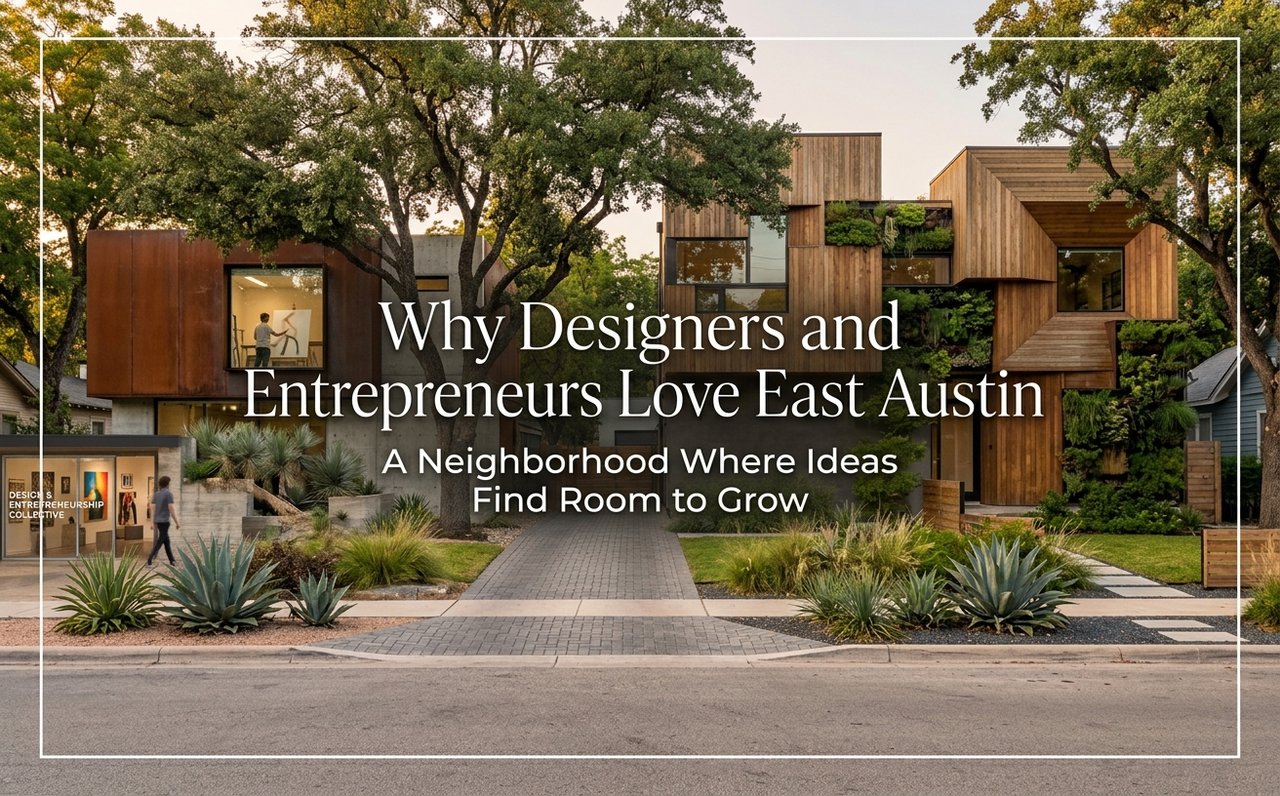
A Neighborhood Where Ideas Find Room to Grow
Art & Culture
November 9, 2026
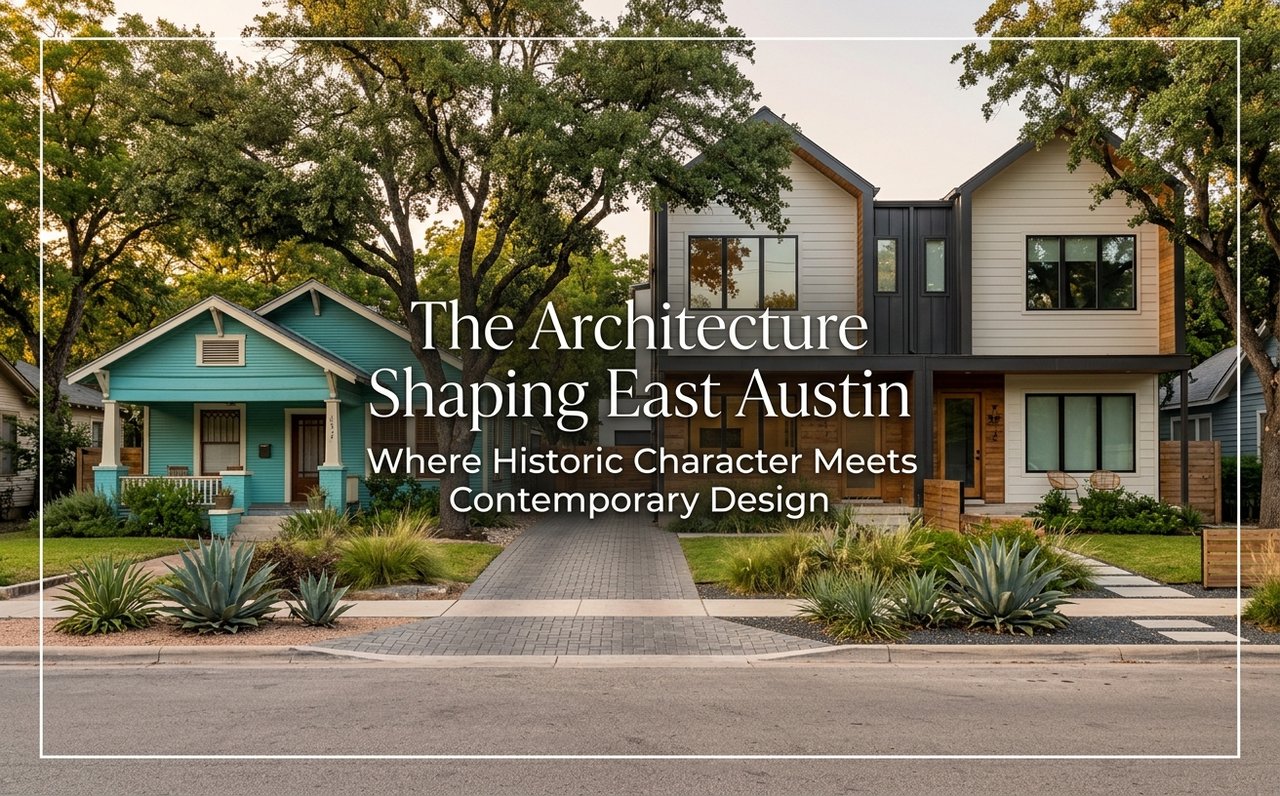
Where Historic Character Meets Contemporary Design
Lifestyle
November 6, 2026
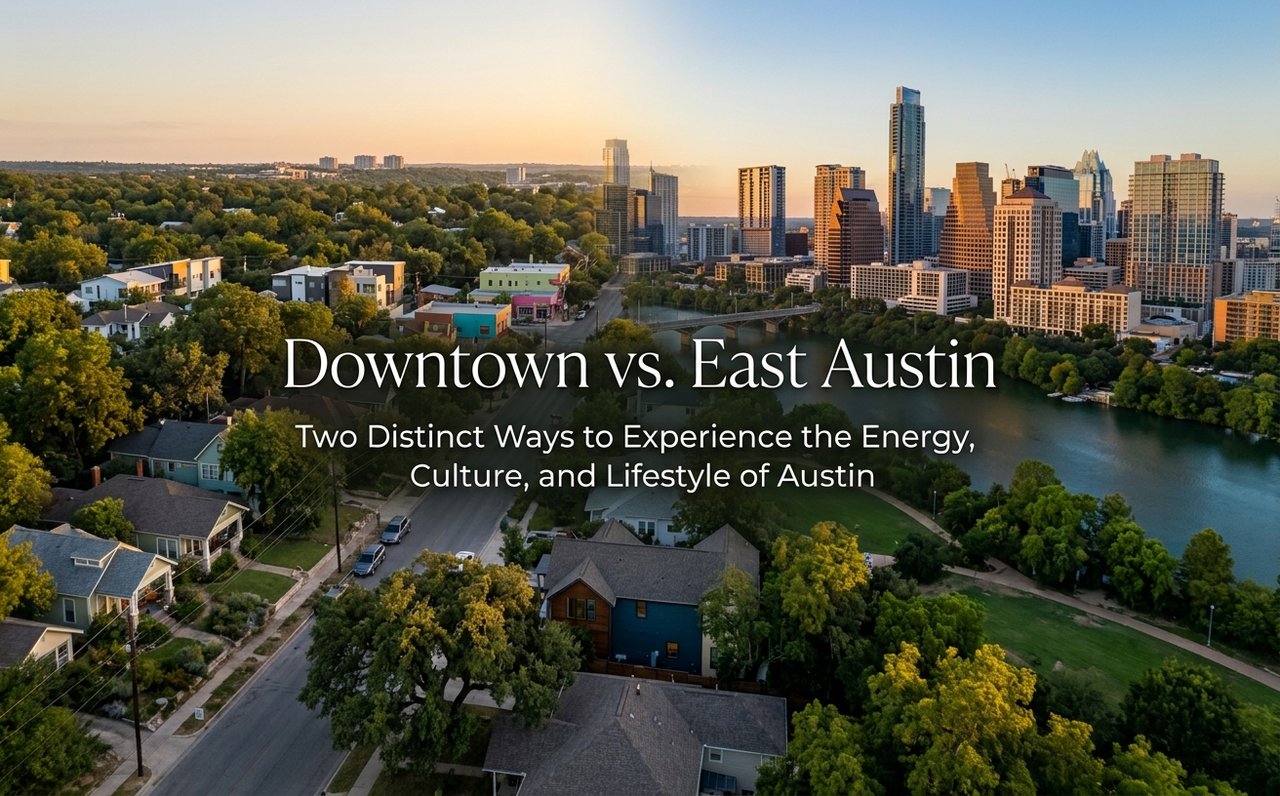
Two Distinct Ways to Experience the Energy, Culture, and Lifestyle of Austin

Buyer info
November 5, 2026
Where Local Heritage, Art, and Everyday Life Shape a Distinctive Austin Experience
Lifestyle
November 4, 2026
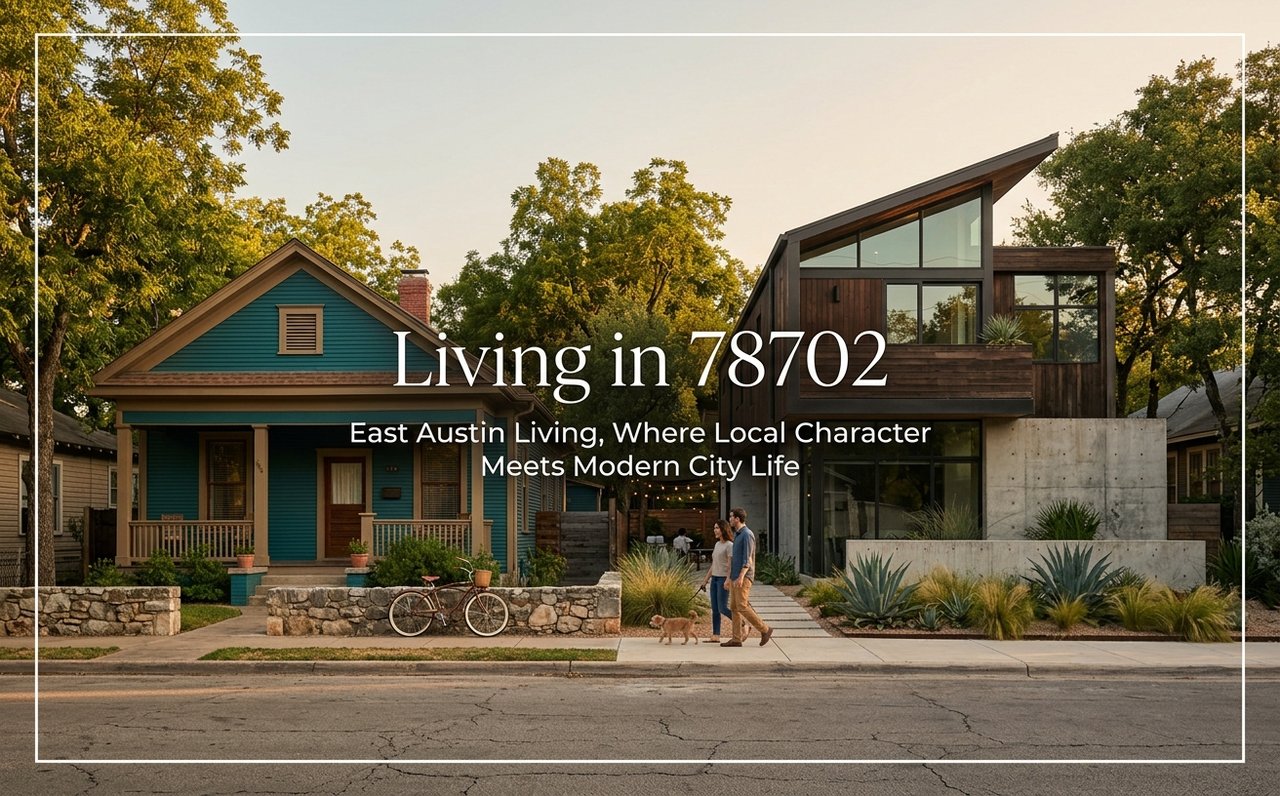
East Austin Living, Where Local Character Meets Modern City Life
Buyer info
November 3, 2026
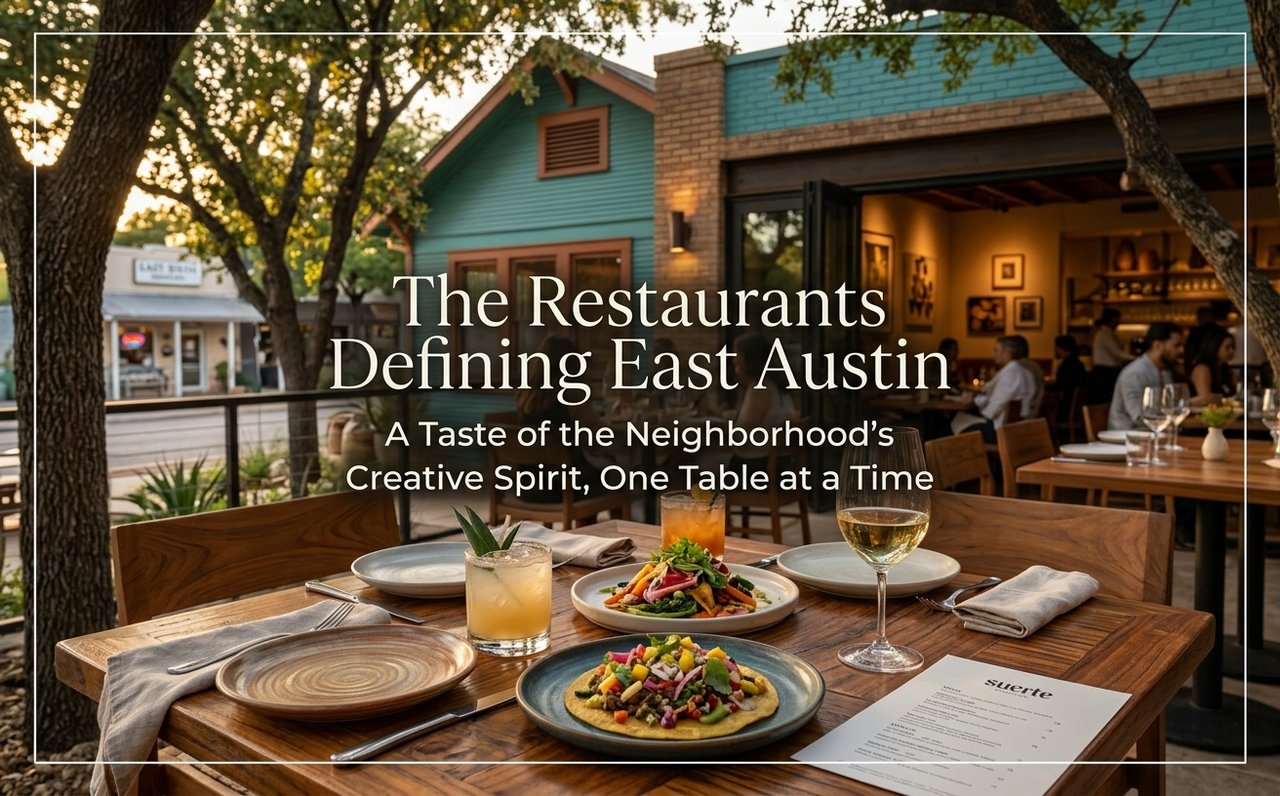
A Taste of the Neighborhood's Creative Spirit, One Table at a Time
Art & Culture
November 2, 2026
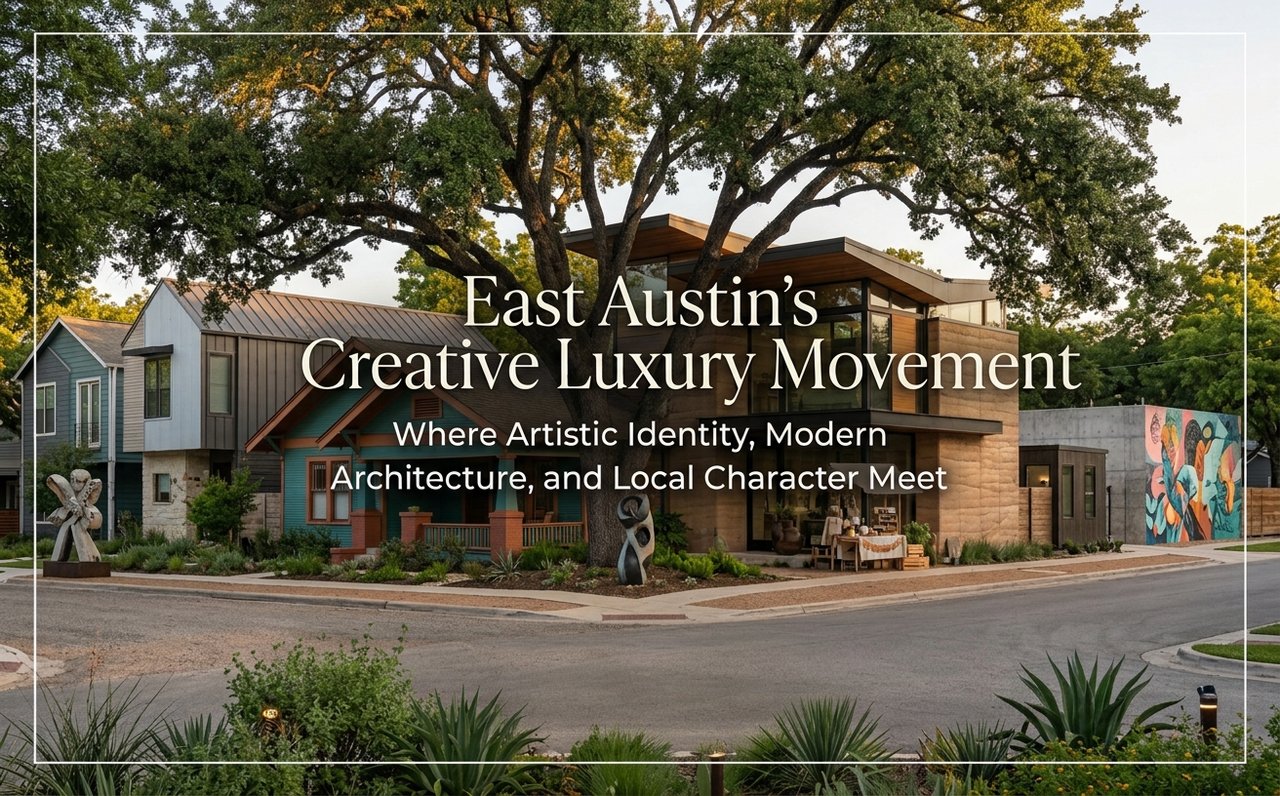
Where Artistic Identity, Modern Architecture, and Local Character Meet
Get In Touch With Our Team To Learn More