KHANI ZULU | BROKER ASSOCIATE, MCNE, CLHMS | October 26, 2026
Buyer Education
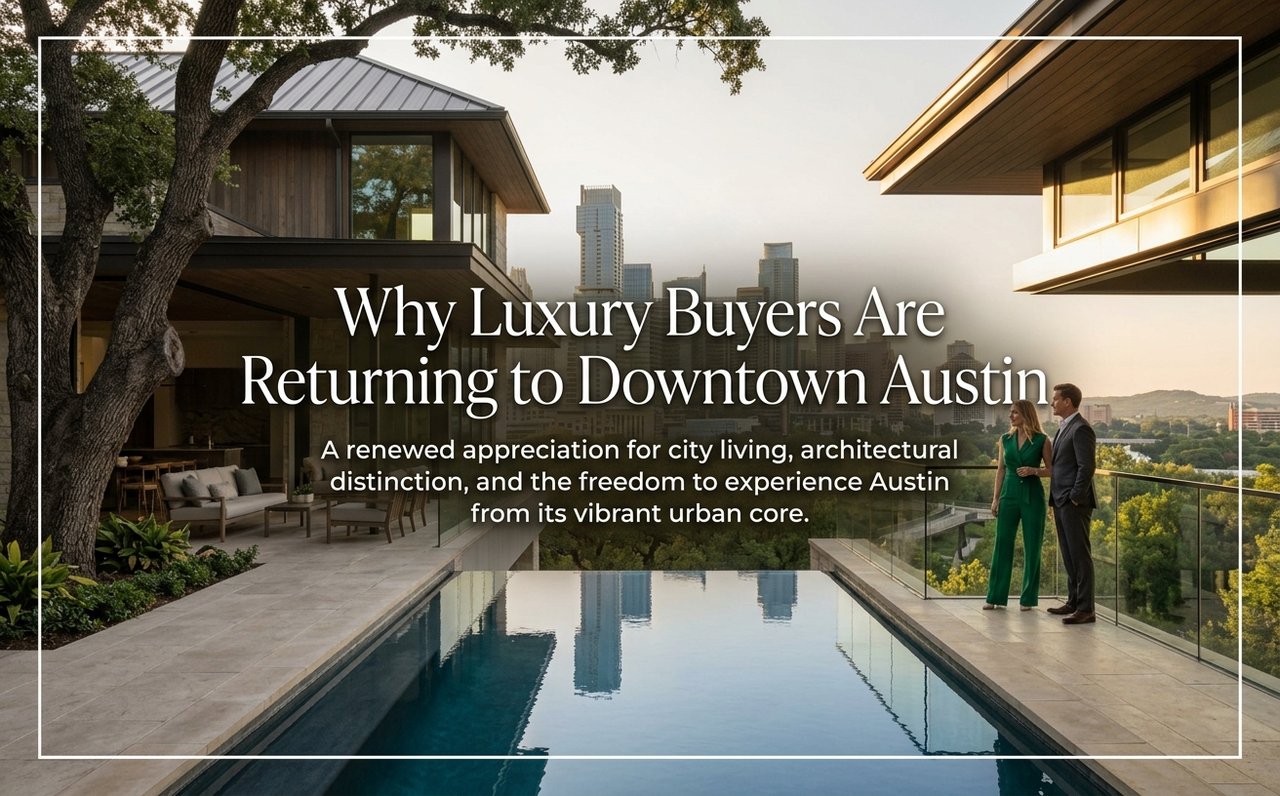
For years, luxury living has often been associated with expansive homes, private outdoor spaces, and the quiet comfort of established residential neighborhoods. Yet the definition of luxury continues to evolve. For some buyers, the appeal of a home is increasingly connected to what lies beyond its walls, including the ability to enjoy dining, culture, entertainment, and everyday conveniences without planning every outing around a drive.
Downtown Austin offers a distinctive expression of that lifestyle. Contemporary residential buildings, skyline views, access to Lady Bird Lake, and proximity to the city's cultural destinations create an environment that feels different from traditional suburban living. For buyers seeking a more connected and convenient way to experience Austin, the urban core presents an alternative worth considering.
Interest in downtown living should not be confused with a universal return to city residences. Buyers continue to weigh different priorities, and the downtown condominium market has its own inventory, pricing, and ownership considerations. What makes the area compelling is the range of experiences it can offer, particularly for those who value location, flexibility, and a closer relationship with the city.
The renewed conversation around Downtown Austin luxury living is ultimately about understanding how a home can support not only where someone lives, but how they want to spend their time.
One of downtown's most compelling qualities is its proximity to the experiences that give Austin its character. Restaurants, live music venues, galleries, entertainment destinations, and public spaces contribute to a lifestyle shaped by movement and discovery. Rather than treating these experiences as occasional outings, residents can make them a more natural part of their routines.
For buyers who travel frequently, maintain demanding professional schedules, or enjoy an active social life, this convenience can be particularly appealing. A well located residence may make it easier to meet friends after work, explore a new restaurant, attend a performance, or spend an evening walking through the city.
Downtown also offers a different relationship with time. Less dependence on driving for certain activities can create more opportunities to enjoy spontaneous plans and everyday experiences. Actual walkability varies by building, route, weather, and destination, so buyers should evaluate the surroundings of each property rather than assume that every downtown address provides the same level of convenience.
The attraction is not simply being close to more places. It is having greater choice in how to spend an ordinary day.
Downtown Austin's residential landscape includes contemporary condominiums, high rise residences, and properties that offer different combinations of design, amenities, and city views. For luxury buyers, these options can provide a distinct alternative to maintaining a larger detached home.
Many urban residences emphasize open living areas, generous windows, contemporary finishes, and layouts that bring natural light into the home. Depending on the building and unit, residents may also have access to amenities such as fitness facilities, concierge services, shared gathering spaces, or outdoor terraces.
These features can change the experience of ownership. For someone who prefers a more streamlined home environment, a condominium may offer the advantages of a central location without the same level of direct responsibility for exterior grounds and building maintenance associated with a detached residence.
However, the quality of the experience depends on the individual property. Interior layouts, sound insulation, storage, parking arrangements, building management, and shared amenities can vary considerably. Buyers should look beyond polished photographs and amenity lists to understand how a residence functions in everyday life.
The most appealing urban homes are not necessarily the ones with the longest list of features. They are the ones in which design, service, and location work together to create a comfortable and well considered living environment.
Downtown living does not have to mean choosing between an urban atmosphere and time outdoors. One of Austin's defining qualities is the relationship between its city center and the natural landscape surrounding it.
Lady Bird Lake and its adjacent trails provide opportunities for walking, running, cycling, and enjoying views of the water within reach of downtown. Parks and public spaces introduce moments of openness into the urban environment, offering a contrast to the density and activity of the surrounding streets.
For luxury buyers, this relationship can be an important part of a property's appeal. A residence near outdoor recreation may support a morning walk before work, an evening run, or a weekend spent exploring the city at a slower pace. Views of the skyline, water, or surrounding landscape can also influence the atmosphere of a home, although the outlook and access available depend on the specific property.
Austin's Downtown Plan identifies connected streets, public spaces, cultural destinations, and trails extending from Lady Bird Lake as important elements of the city's vision for a more livable urban center. These priorities reflect the role that outdoor access and connectivity can play in the downtown experience.
For buyers considering a move into the city, the balance between urban energy and outdoor access can make downtown living feel more complete.
The appeal of Downtown Austin is not limited to one type of buyer. Different households may be drawn to the area for entirely different reasons, and its range of residential options allows for several interpretations of luxury living.
For professionals with demanding schedules, a central residence can offer convenience and reduce the time spent traveling between work, dining, entertainment, and social commitments. Buyers who frequently travel may appreciate a home that is easier to maintain while they are away, although building services and management arrangements should always be evaluated individually.
For established homeowners considering a change, downtown condominiums may offer an opportunity to simplify daily responsibilities without giving up architectural quality or access to the city. The transition can involve a different set of tradeoffs, including less private outdoor space, shared building facilities, and homeowners association fees.
Other buyers may view a downtown residence as a second home that provides a convenient base for experiencing Austin. In that case, security, property management, parking, and the practicalities of maintaining a residence from a distance may be especially important.
There is no single profile of the luxury buyer drawn to downtown. The common thread is often a desire to align the home more closely with current priorities, whether those involve convenience, flexibility, social connection, or a different pace of everyday life.
Downtown Austin continues to evolve through changes in its residential offerings, commercial activity, public spaces, and development patterns. These changes help explain why the area remains part of the broader conversation about the city's future.
The Downtown Austin Alliance's 2026 State of Downtown report notes that the downtown condominium market added 550 units since 2024, representing a 14 percent increase in inventory. The report also describes a more measured development pipeline, with projects continuing across residential, hotel, and mixed use categories. These figures provide context for the range of choices available to buyers, rather than evidence that every segment of the market is experiencing the same level of demand.
For prospective homeowners, a broader selection of residences can create more opportunities to compare buildings, layouts, amenities, and price points. It can also make careful property selection more important. Differences in building quality, monthly costs, views, location, and unit condition can influence both the experience of ownership and a property's relative appeal.
Downtown's future will also depend on how effectively the city balances new development with the preservation of its cultural identity, public spaces, and established destinations. The most meaningful changes are those that strengthen the experience of living in the city, not simply the number of buildings within it.
For buyers, understanding this broader context can help them evaluate a property as part of a changing urban environment rather than as an isolated address.
The appeal of downtown living deserves to be balanced with a clear understanding of the responsibilities and costs associated with condominium ownership. A beautiful residence and a desirable location are important, but they do not tell the full story.
Buyers should pay particular attention to the following considerations:
Building financial health. Review homeowners association fees, reserve funding, anticipated capital projects, insurance arrangements, and the possibility of future assessments. The financial condition of the condominium association can influence the long term cost of ownership.
Location within the urban core. Consider proximity to the destinations that matter most, along with traffic patterns, construction activity, noise, parking, and access to outdoor spaces. A building's immediate surroundings can shape the daily experience as much as its interior design.
Privacy and building operations. Evaluate sound insulation, security procedures, elevator access, visitor arrangements, and the quality of property management. These details are particularly relevant for buyers who value a quiet, private home within a busy urban environment.
The residence itself. Assess natural light, orientation, storage, floor plan, mechanical systems, and the condition of windows and interior finishes. Views and amenities may be attractive, but the functionality of the home should remain central to the decision.
Long term plans. Consider whether the property will continue to support the intended lifestyle over time. Buyers should also understand applicable building rules, including restrictions on leasing, pets, renovations, and other aspects of ownership.
These considerations are not reasons to avoid downtown living. They are part of identifying the right property and understanding the full experience it offers.
For some buyers, a downtown residence represents a lifestyle decision. For others, it may also form part of a broader real estate strategy. Understanding the distinction is essential.
A central location, distinctive views, quality architecture, and desirable building amenities may contribute to a property's appeal. However, none of these characteristics guarantees appreciation or strong resale performance. Results depend on purchase price, market conditions, comparable sales, building expenses, inventory, and demand for the specific type of residence.
Downtown condominiums should also be evaluated differently from detached homes in established residential neighborhoods. Building level factors, monthly association fees, shared maintenance obligations, and the supply of comparable units can all affect value. Two residences in the same building may perform differently because of their floor, orientation, condition, layout, or views.
Buyers considering a downtown property as an investment should review recent comparable transactions, current listings, rental restrictions where relevant, and realistic ownership expenses. Those purchasing primarily for personal use may place greater weight on convenience, design, and lifestyle, but financial due diligence remains important.
The most thoughtful approach is to evaluate a residence according to its intended purpose. A property that offers exceptional personal value may not necessarily deliver the same financial outcome as another, and those two forms of value should not be confused.
The renewed interest in Downtown Austin reflects a broader question about what buyers want from their homes. For some, luxury means more space and a greater sense of separation from the city. For others, it means having favorite restaurants, cultural destinations, outdoor recreation, and social experiences closer to everyday life.
Downtown offers a distinctive response to the latter preference. Its residential options allow buyers to explore a lifestyle in which location becomes an active part of the home experience, rather than simply a feature listed alongside square footage and finishes.
That does not make downtown living the right choice for everyone. It makes understanding the differences between neighborhoods, buildings, and property types more valuable. The best decision comes from identifying what matters most and evaluating each residence through that lens.
As Austin continues to evolve, downtown remains an important part of the city's residential story, offering opportunities for buyers who want to experience its energy while creating a home that reflects their own priorities.
Choosing a luxury residence in Downtown Austin involves more than selecting a building with impressive views or a desirable address. It requires understanding how the property, its management, its surroundings, and its long term costs align with the way you want to live.
At Khani Zulu, we believe exceptional real estate begins with understanding the person behind the purchase. By looking beyond surface features and considering lifestyle, architectural quality, location, and long term potential, buyers can make more informed decisions in Austin's evolving luxury market.
For those drawn to a more connected way of living, Downtown Austin offers an opportunity to experience the city from a different perspective. The right residence is one that makes that experience feel natural, personal, and lasting.
Stay up to date on the latest real estate trends.
Lifestyle
November 13, 2026
Two Distinct Neighborhoods, Two Ways to Experience Austin
Buyer info
November 12, 2026
A More Connected Way to Experience the City
Buyer info
November 11, 2026
A Local Perspective on Finding Your Place in East Austin

Lifestyle
November 10, 2026
A Neighborhood Where Ideas Find Room to Grow
Art & Culture
November 9, 2026
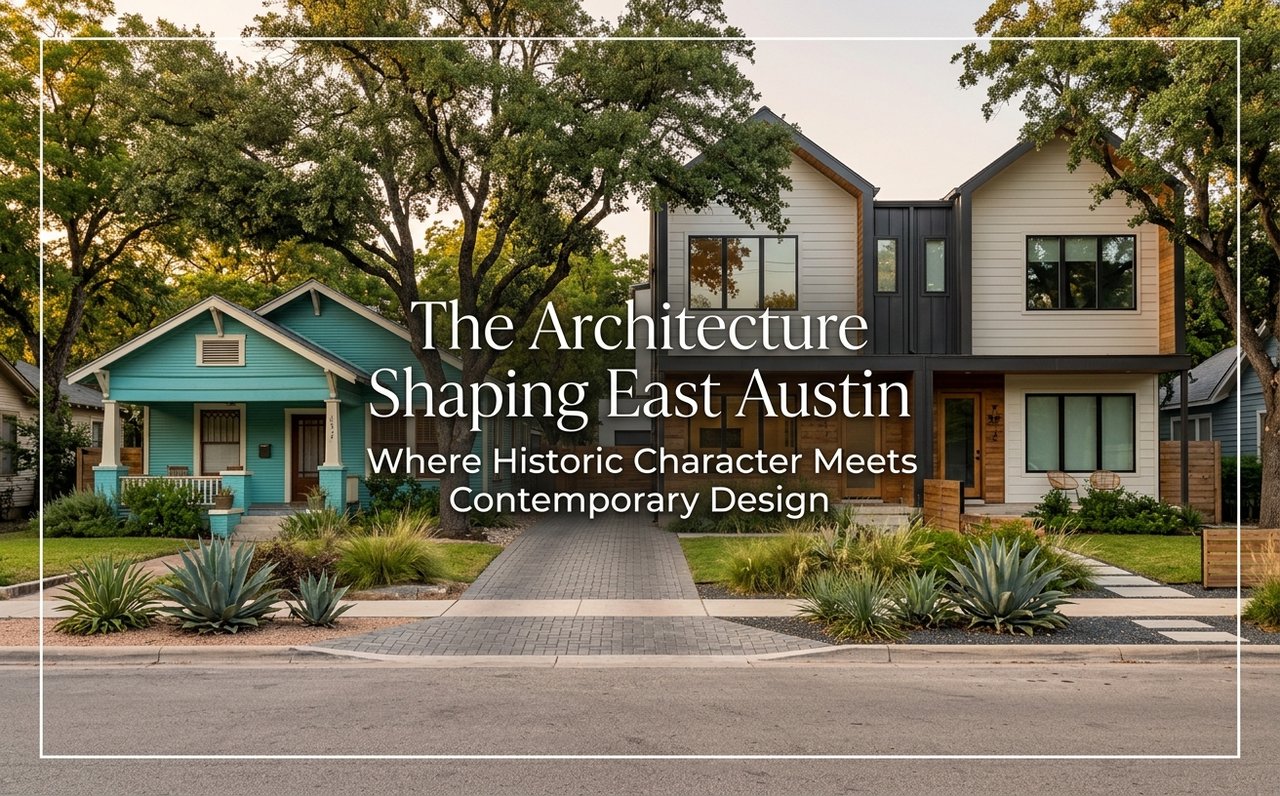
Where Historic Character Meets Contemporary Design
Lifestyle
November 6, 2026
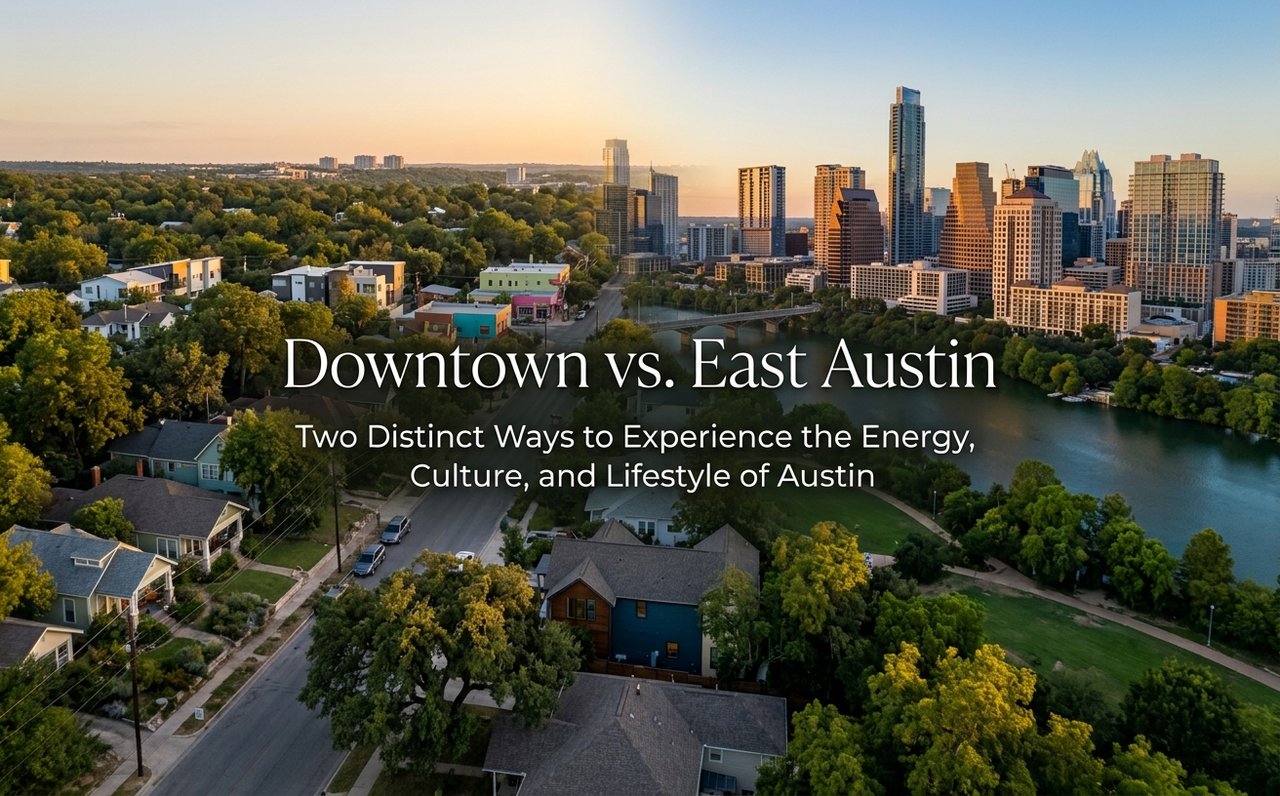
Two Distinct Ways to Experience the Energy, Culture, and Lifestyle of Austin

Buyer info
November 5, 2026
Where Local Heritage, Art, and Everyday Life Shape a Distinctive Austin Experience
Lifestyle
November 4, 2026
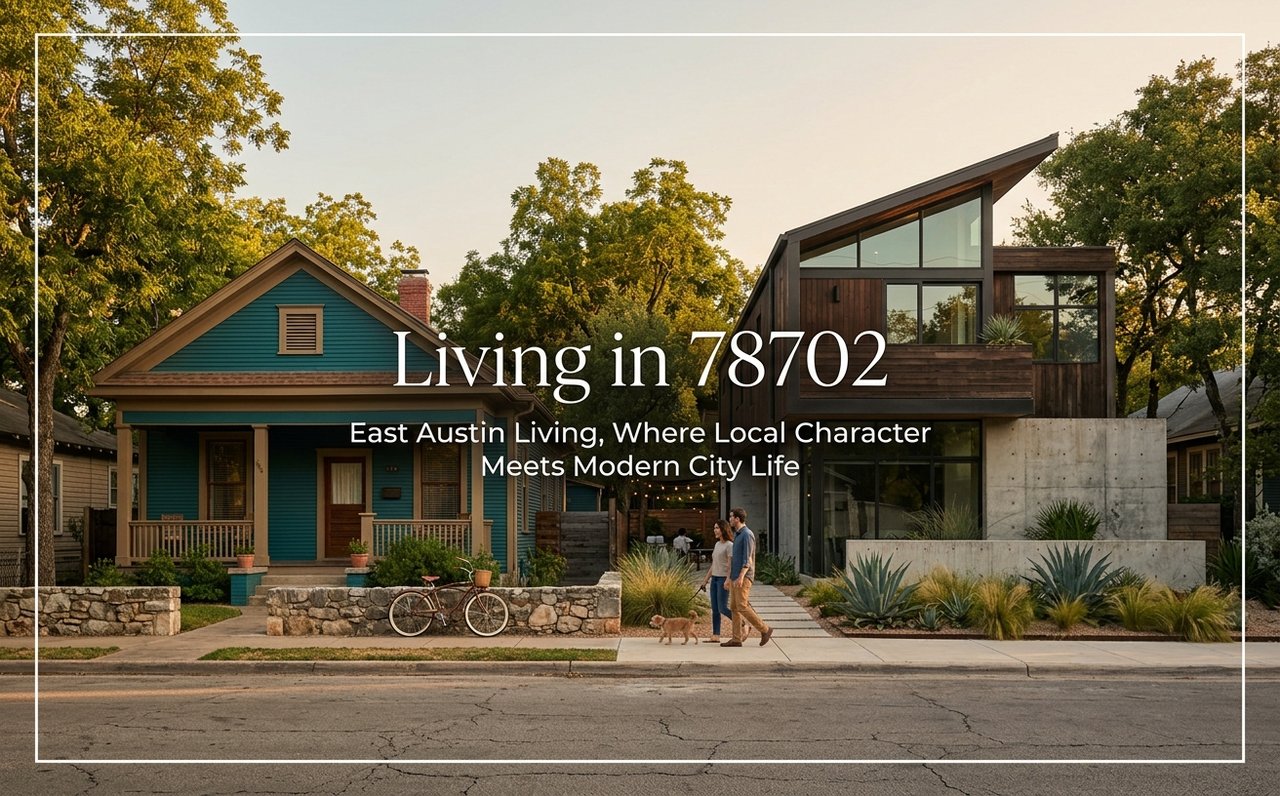
East Austin Living, Where Local Character Meets Modern City Life

Buyer info
November 3, 2026
A Taste of the Neighborhood's Creative Spirit, One Table at a Time
Get In Touch With Our Team To Learn More