KHANI ZULU | BROKER ASSOCIATE, MCNE, CLHMS | May 15, 2026
Art & Culture
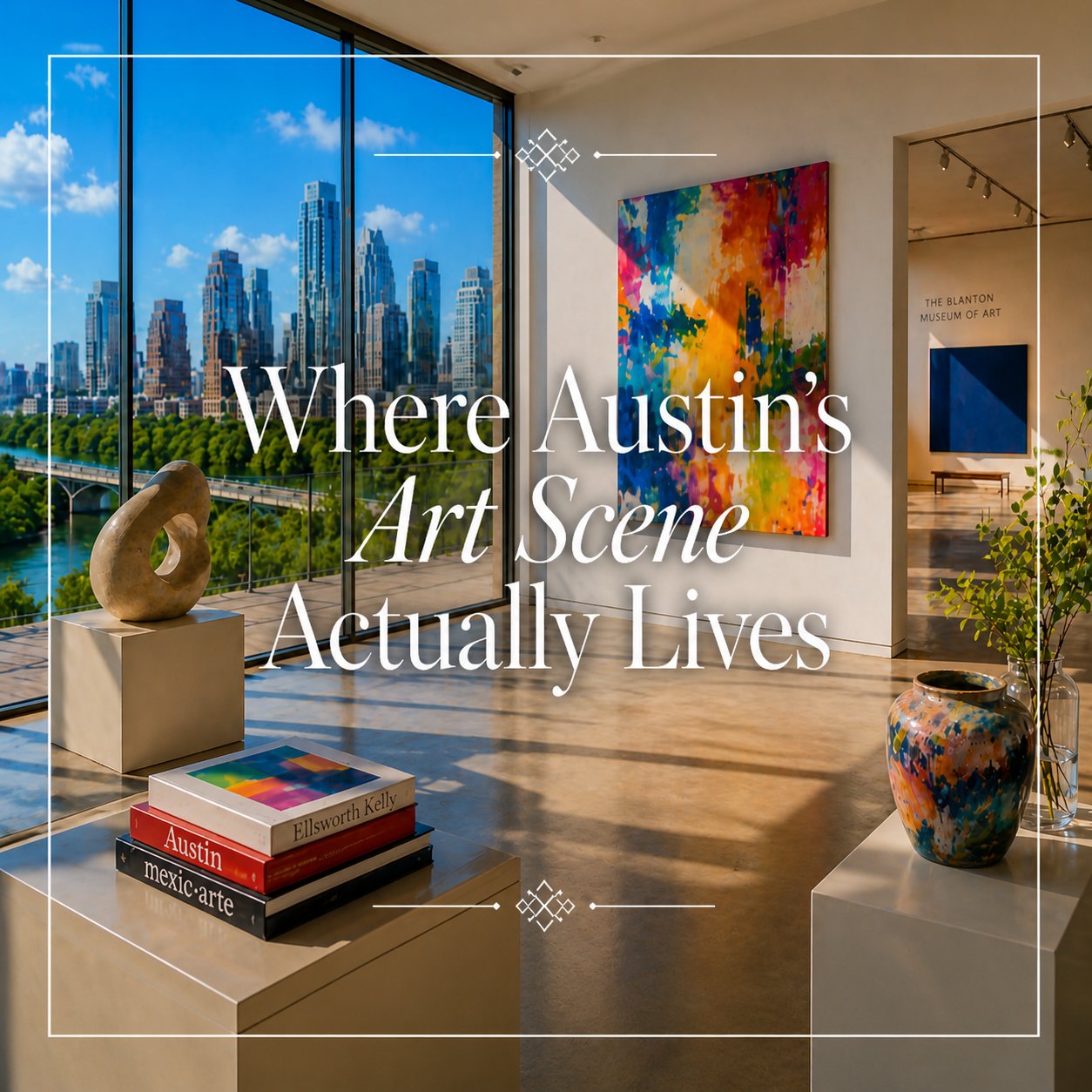
For a city its size, Austin holds a disproportionate amount of working creative talent. Painters, sculptors, photographers, ceramicists, designers, and writers have built quiet careers here for decades. For collectors and culturally curious newcomers, the question is where the scene actually lives. The answer is more layered than a single gallery district.
The most visible center is East Austin. Beginning in the early 2000s, working artists priced out of central neighborhoods began moving east, and the area between East Cesar Chavez and Manor Road became a real studio district.
Galleries like grayDUCK, Wally Workman East, and Big Medium anchor a scene that is still genuinely working. The East Austin Studio Tour, held each November over two weekends, is the single best way to see how broadly the scene runs.
It is one of the largest open-studio tours in the country, with hundreds of artists participating, and a thoughtful collector can build an entire afternoon around a single block.
The Contemporary Austin operates two locations that frame the institutional side of the scene.
The Jones Center downtown handles rotating exhibitions and a strong public art program along Congress Avenue. Laguna Gloria, on the lake just west of downtown, pairs an outdoor sculpture park with the historic villa that once anchored the site.
The juxtaposition of contemporary work against the lakeside landscape gives Laguna Gloria one of the most distinctive settings of any sculpture park in the country.
The Blanton Museum of Art, on the University of Texas campus, holds the city’s most ambitious collection. Its program runs from European old masters to contemporary Latin American art, and Ellsworth Kelly’s Austin, the only freestanding building the artist designed, sits adjacent to the museum and is open to visitors.
For families and visiting collectors, the Blanton is often the right first stop in the city.
Beyond galleries and museums, a different layer of the art world lives in the studios.
Many of Austin’s most respected artists work from converted warehouses, converted homes, or shared studio buildings. Visiting a working studio is a different experience than visiting a gallery, and the relationships built in those spaces tend to last.
Several private dealers in the city specialize in pairing collectors with working artists, and a quiet introduction can open doors that public exhibitions cannot.
A few smaller institutions deserve attention as well.
For a buyer or relocator interested in entering the scene, a few practical thoughts.
Begin with visits, not purchases. Build a relationship with a gallerist or a private dealer before assembling a collection. Attend one or two studio tours before deciding what kind of work you respond to.
The Austin art world is welcoming to those who arrive curious rather than transactional, and the collections built here over time tend to be among the most personal we see in our work.
If you would like introductions or recommendations for where to start, I am always glad to be helpful.
With Gratitude,
Khani Zulu Group
@properties Christie’s International Real Estate
Stay up to date on the latest real estate trends.
Buyer info
October 21, 2026
A new perspective on city living, where established neighborhoods, cultural energy, and a more personal sense of home come together.
Buyer info
October 20, 2026
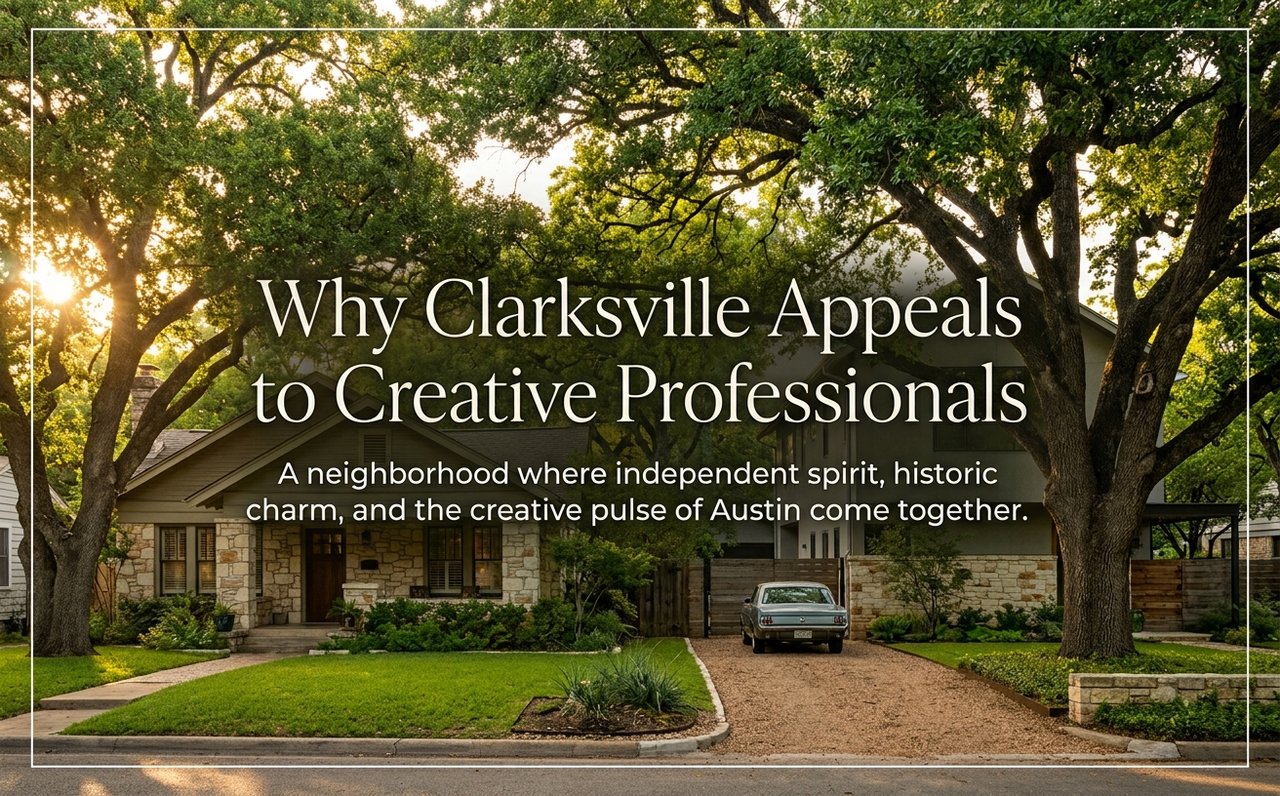
A neighborhood where independent spirit, historic charm, and the creative pulse of Austin come together.
Buyer Education
October 19, 2026
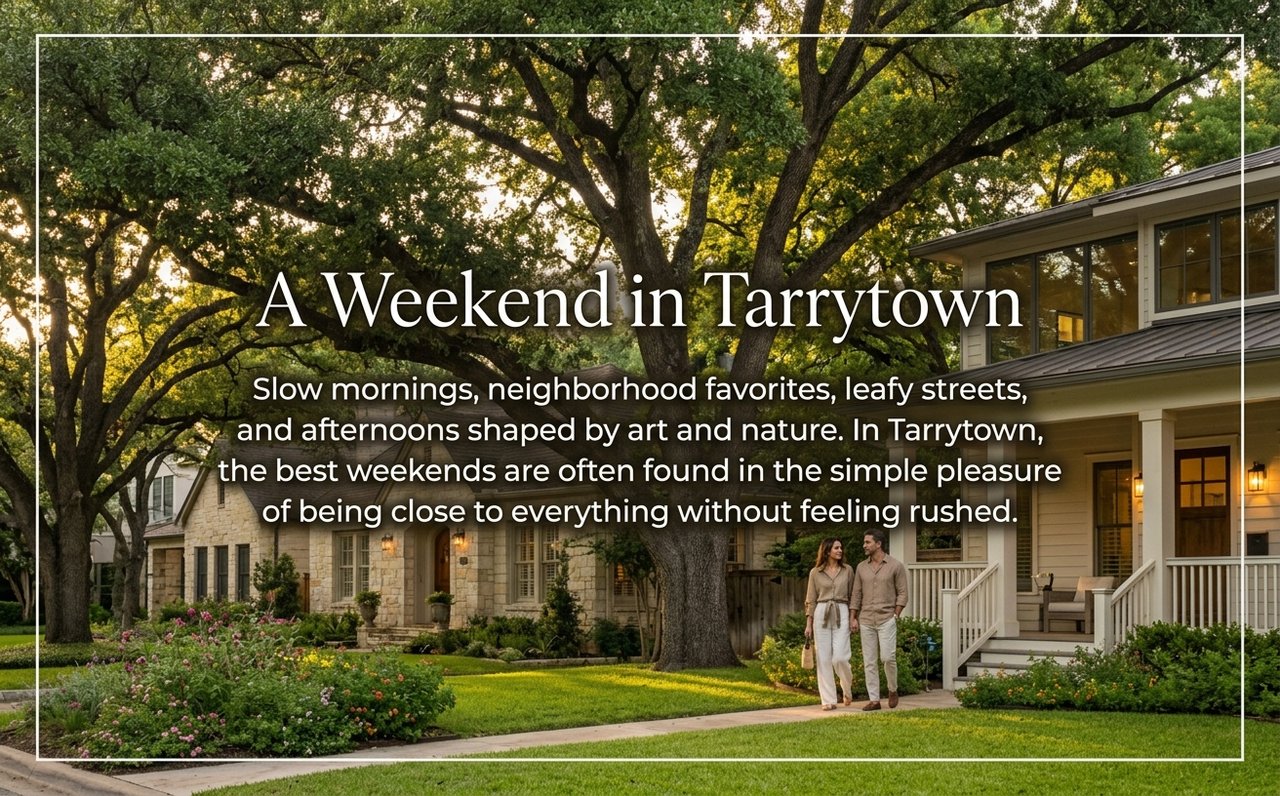
Slow mornings, neighborhood favorites, leafy streets, and afternoons shaped by art and nature. In Tarrytown, the best weekends are often found in the simple pleasure o… Read more
Buyer info
October 16, 2026
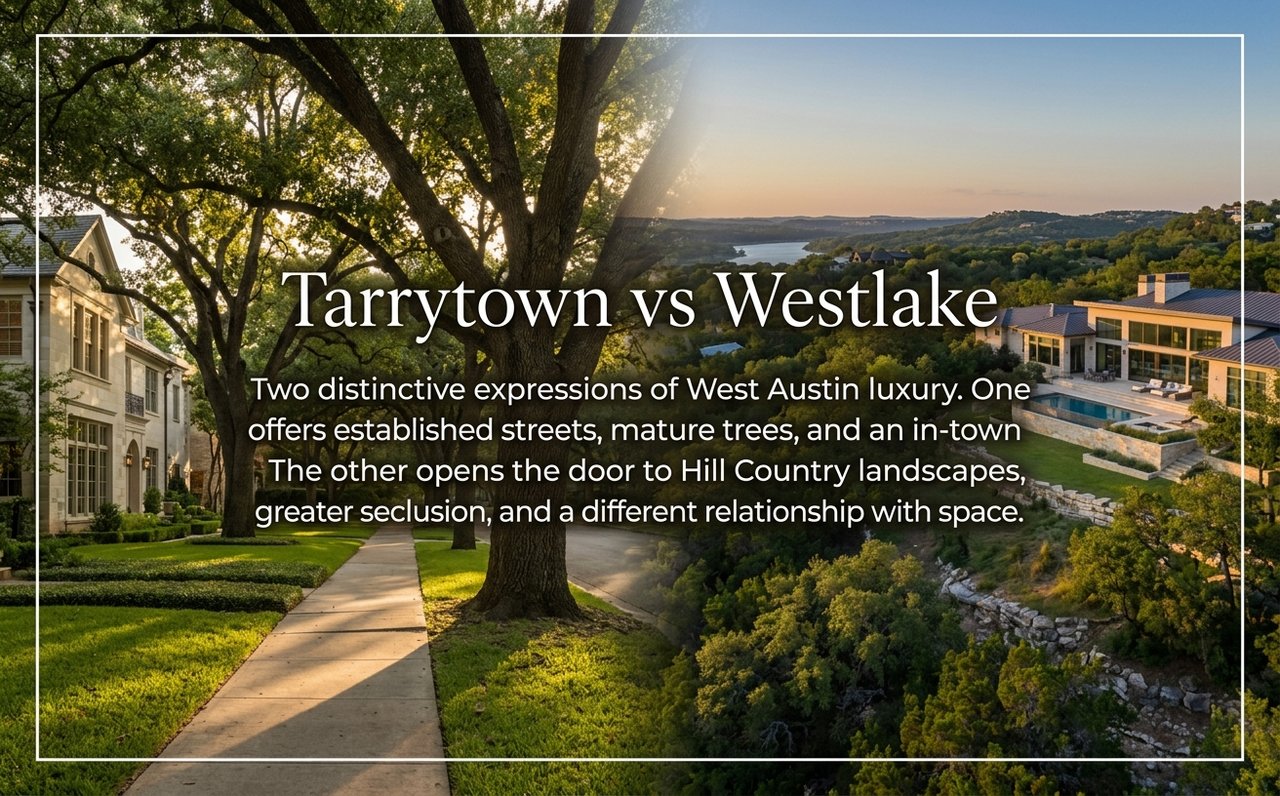
Two distinctive expressions of West Austin luxury. One offers established streets, mature trees, and an in-town rhythm. The other opens the door to Hill Country landsc… Read more
Art & Culture
October 15, 2026
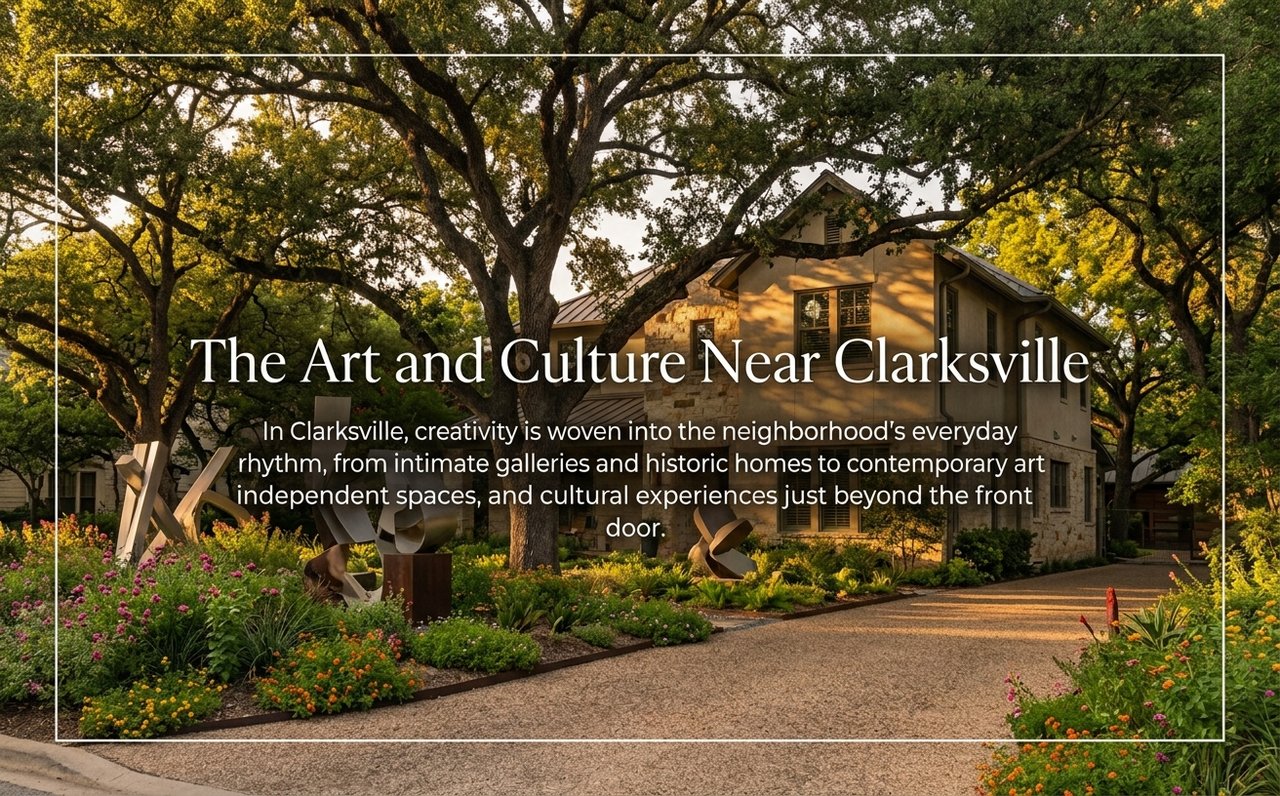
In Clarksville, creativity is woven into the neighborhood’s everyday rhythm, from intimate galleries and historic homes to contemporary art, independent spaces, and cu… Read more
Lifestyle
October 14, 2026
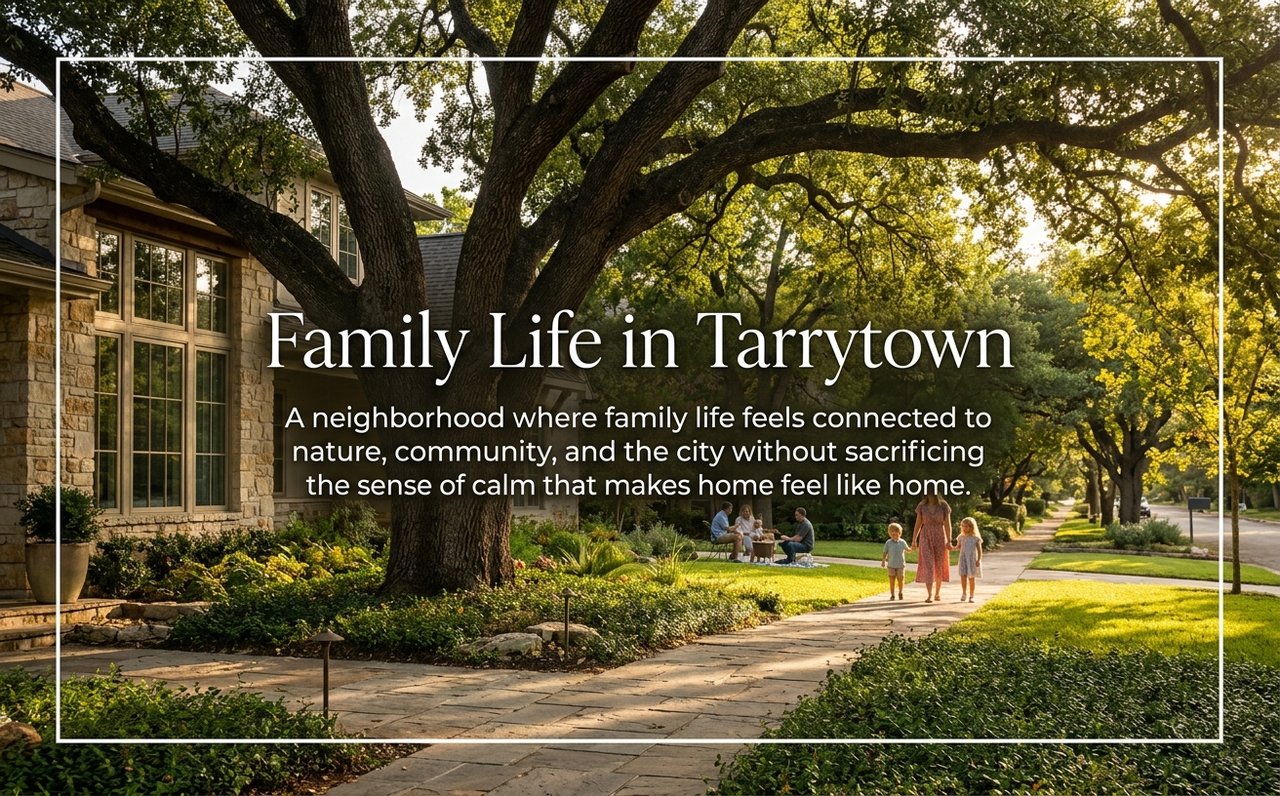
A neighborhood where family life feels connected to nature, community, and the city without sacrificing the sense of calm that makes home feel like home.
Lifestyle
October 13, 2026
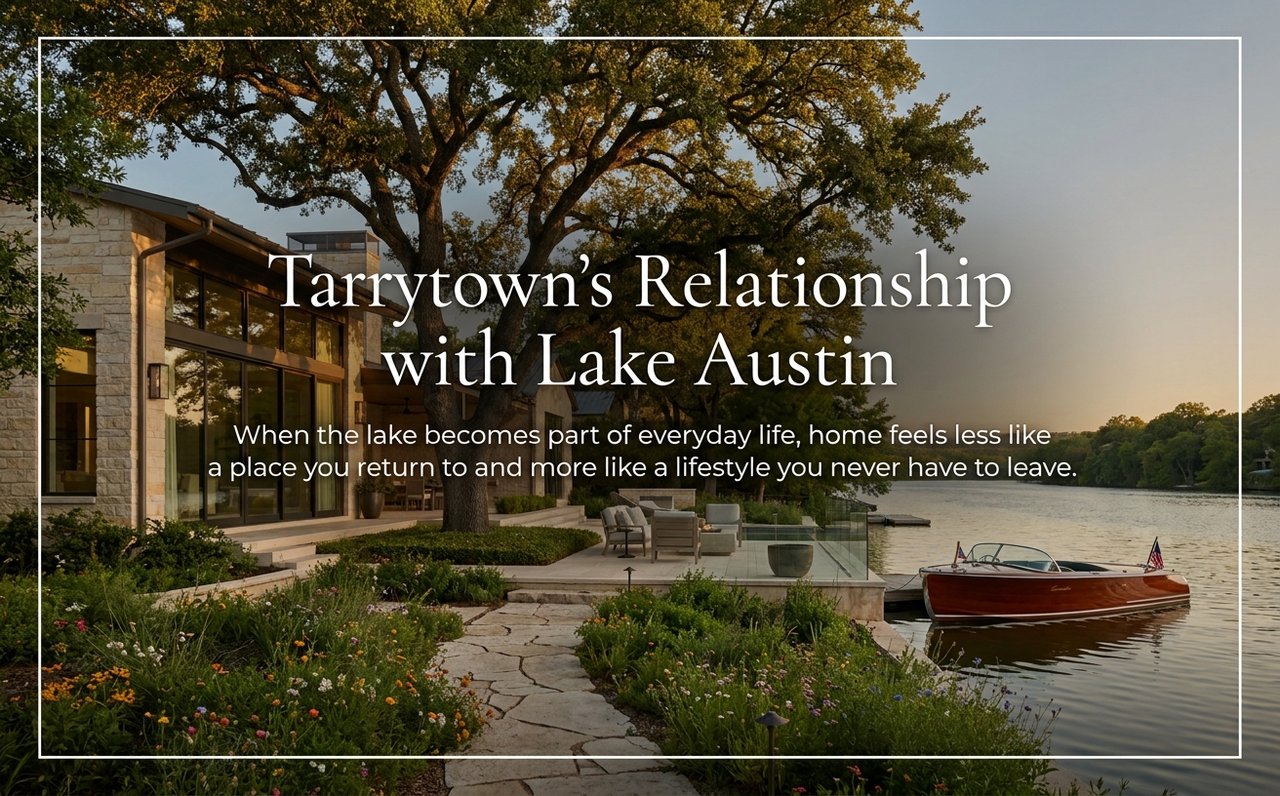
When the lake becomes part of everyday life, home feels less like a place you return to and more like a lifestyle you never have to leave.
Lifestyle
October 12, 2026
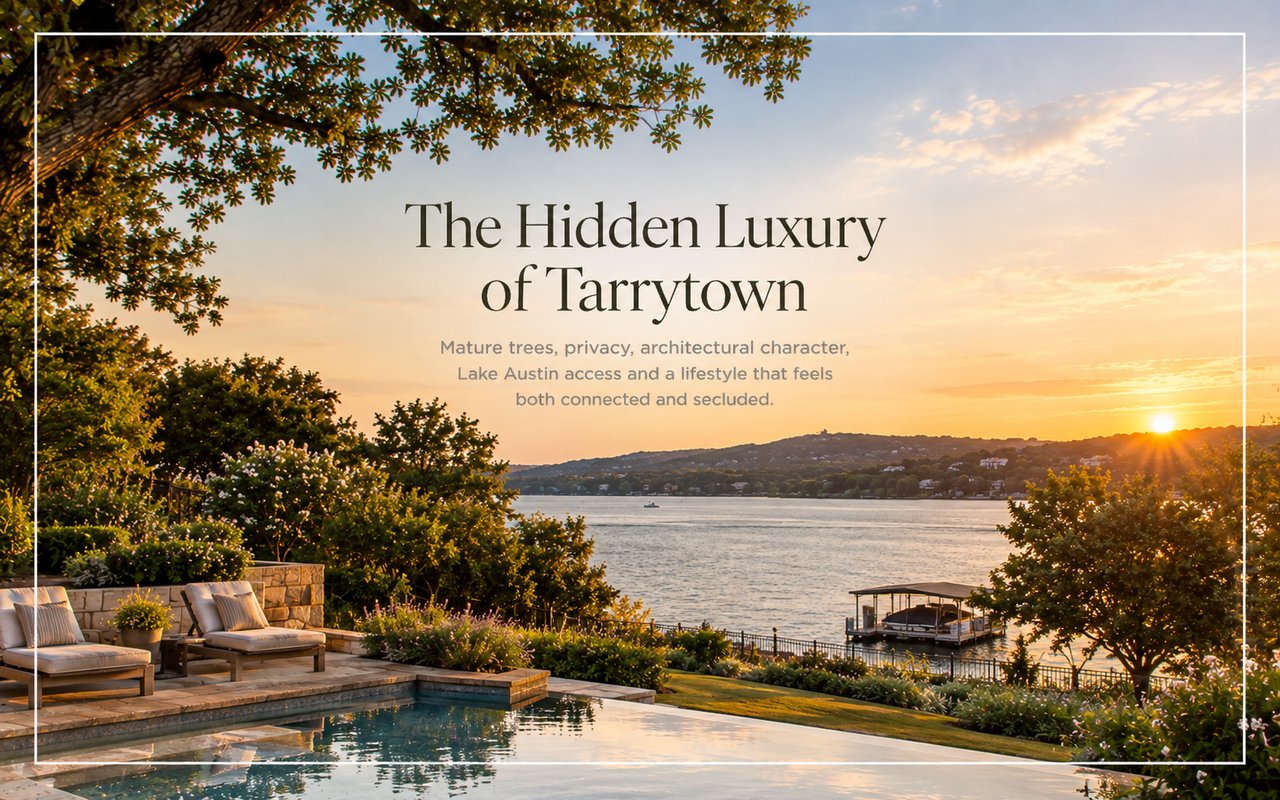
The most valuable things in Tarrytown are often the ones you notice slowly: mature trees, privacy, architectural character, lake access, and the rare feeling of being … Read more

Buyer Education
October 10, 2026
In a changing market, the right preparation, pricing, and presentation can make all the difference in how buyers see your home.
Get In Touch With Our Team To Learn More