KHANI ZULU | BROKER ASSOCIATE, MCNE, CLHMS | May 6, 2026
Buyer info

Most of our relocating buyers arrive with one piece of homework already done. They know what their budget buys at home, and they have begun to suspect it buys something different in Austin. The instinct is correct, and the differences are worth understanding before the home search begins.
In San Francisco at two million dollars, the typical buyer is looking at a three-bedroom condominium in a desirable neighborhood, or a modest single-family home in need of work in a good school district. The lot is small, the garage is tight, and outdoor space is rare.
In Austin, two million dollars buys a four-to-five-bedroom single family home, often on a quarter acre or more, in a strong school district with a pool and a real backyard.
In Los Angeles, the comparison is similar.
Two million in Brentwood or the Palisades buys a smaller home, often original, with limited yard. In Westlake or Tarrytown, two million is a thoughtfully updated home with good light, a flexible floor plan, and room for a family to grow without compromise. In some pockets of Austin, two million reaches into estate territory.
In Manhattan, two million dollars is a two bedroom apartment in a good building.
In Austin, it is a private home on a private street. The difference in lifestyle, particularly for families with children, is meaningful.
First, the dollar goes further, but the right home is not necessarily larger. Many of our buyers find that their best fit in Austin is actually smaller than what they could afford. The point of the move is often quality of life, not square footage, and the right floor plan matters more than the most house the budget can buy.
Second, the cost of carrying a home in Austin is different. Texas has no state income tax, which is a real benefit. Property taxes are higher than in California and New York, which surprises some buyers. Insurance premiums in certain areas, particularly near wildfire zones, have risen. The full picture of carrying costs deserves a careful look before the offer.
Third, the resale picture matters. Austin is a strong long-term market, but the homes that hold value are not always the ones that look most impressive at first showing. Lot quality, school district, walkability, and street character carry weight that often outlasts trends in finishes.
Buyers who try to time the market often spend more, not less. The right home in the right neighborhood at a fair price is almost always a better outcome than the wrong home at a discount.
If you are weighing a move from another city, or simply curious how your current budget translates, I would be glad to walk you through what we are seeing in Austin right now, candidly and without pressure.
With Gratitude,
Khani Zulu Group
@properties Christie’s International Real Estate
Stay up to date on the latest real estate trends.
Buyer info
October 21, 2026
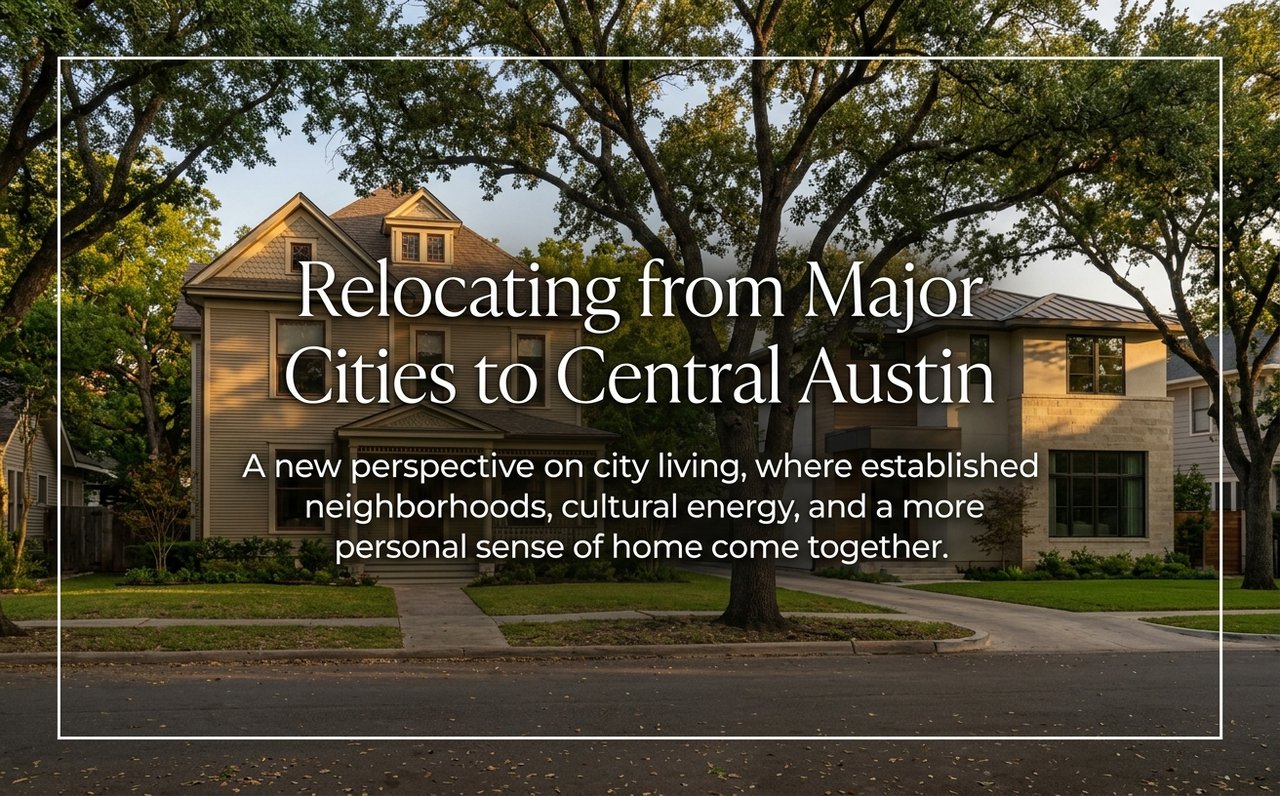
A new perspective on city living, where established neighborhoods, cultural energy, and a more personal sense of home come together.
Buyer info
October 20, 2026
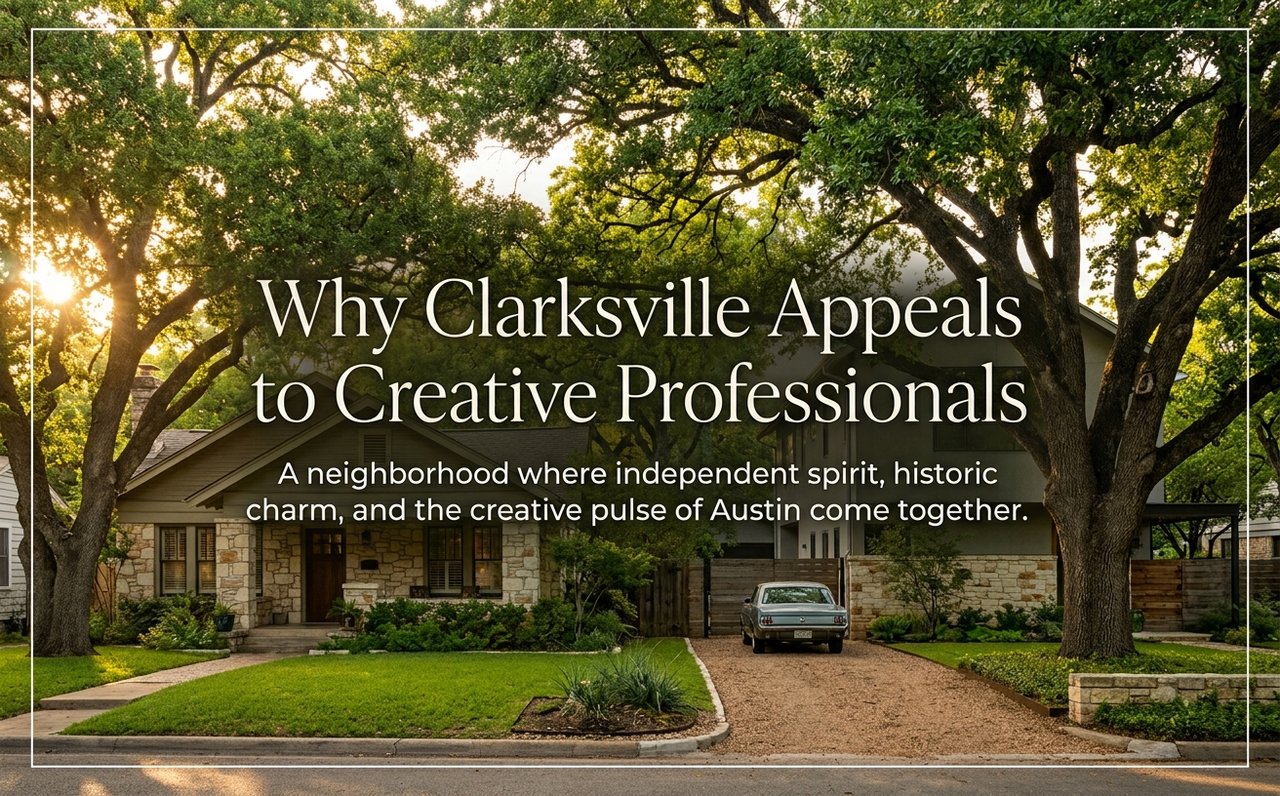
A neighborhood where independent spirit, historic charm, and the creative pulse of Austin come together.
Buyer Education
October 19, 2026
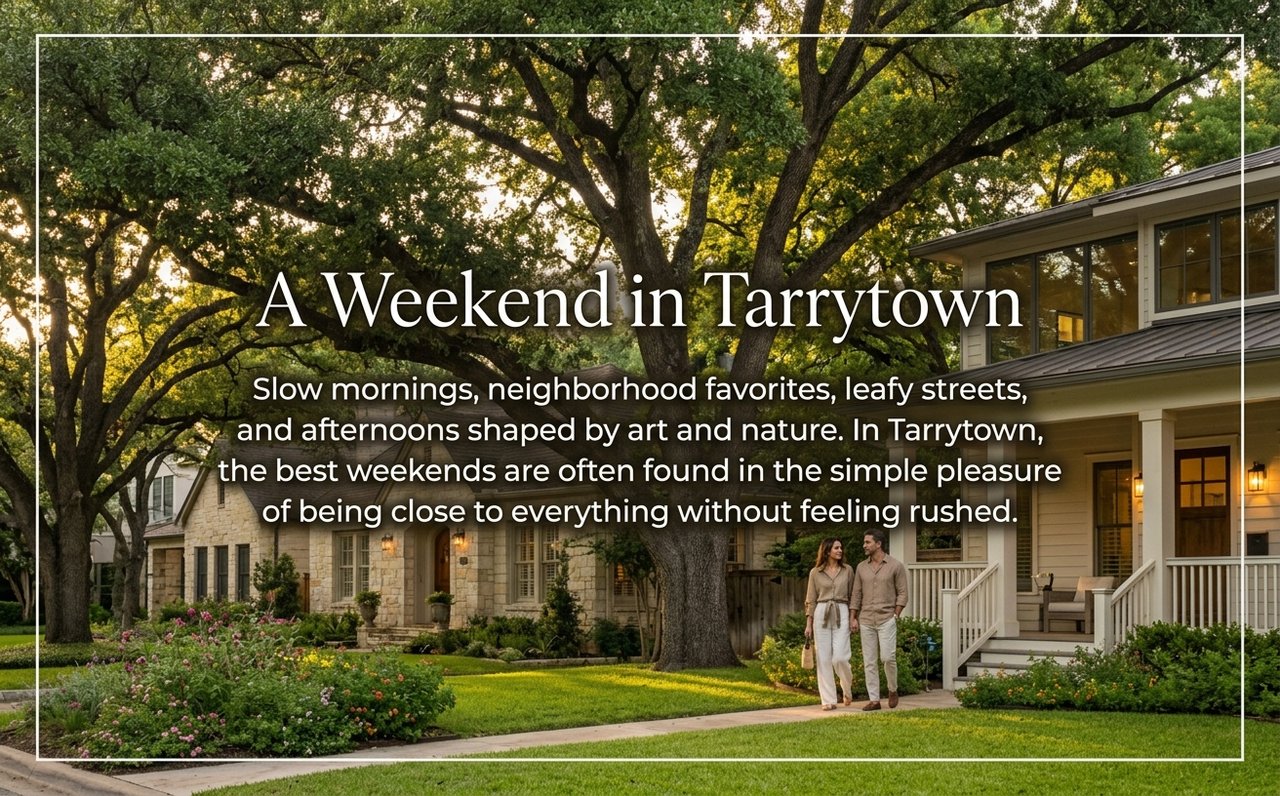
Slow mornings, neighborhood favorites, leafy streets, and afternoons shaped by art and nature. In Tarrytown, the best weekends are often found in the simple pleasure o… Read more

Buyer info
October 16, 2026
Two distinctive expressions of West Austin luxury. One offers established streets, mature trees, and an in-town rhythm. The other opens the door to Hill Country landsc… Read more
Art & Culture
October 15, 2026
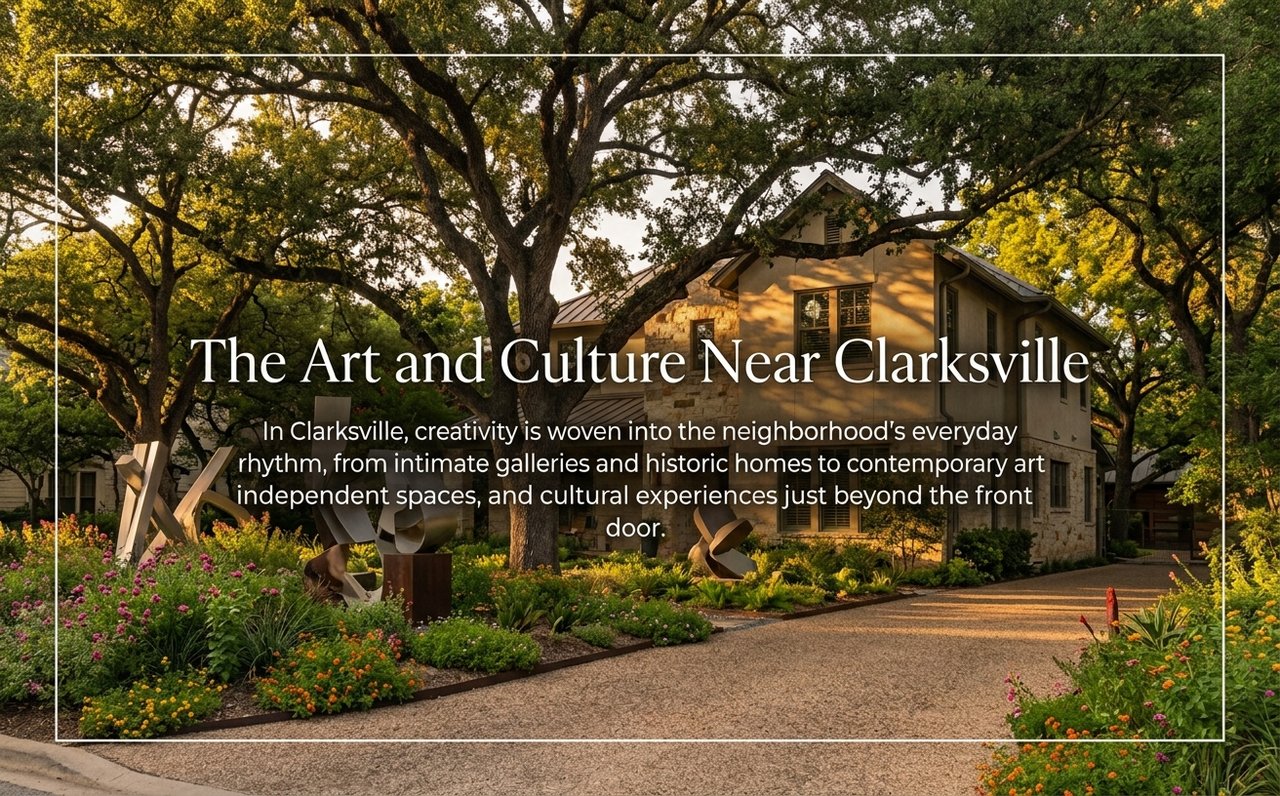
In Clarksville, creativity is woven into the neighborhood’s everyday rhythm, from intimate galleries and historic homes to contemporary art, independent spaces, and cu… Read more
Lifestyle
October 14, 2026
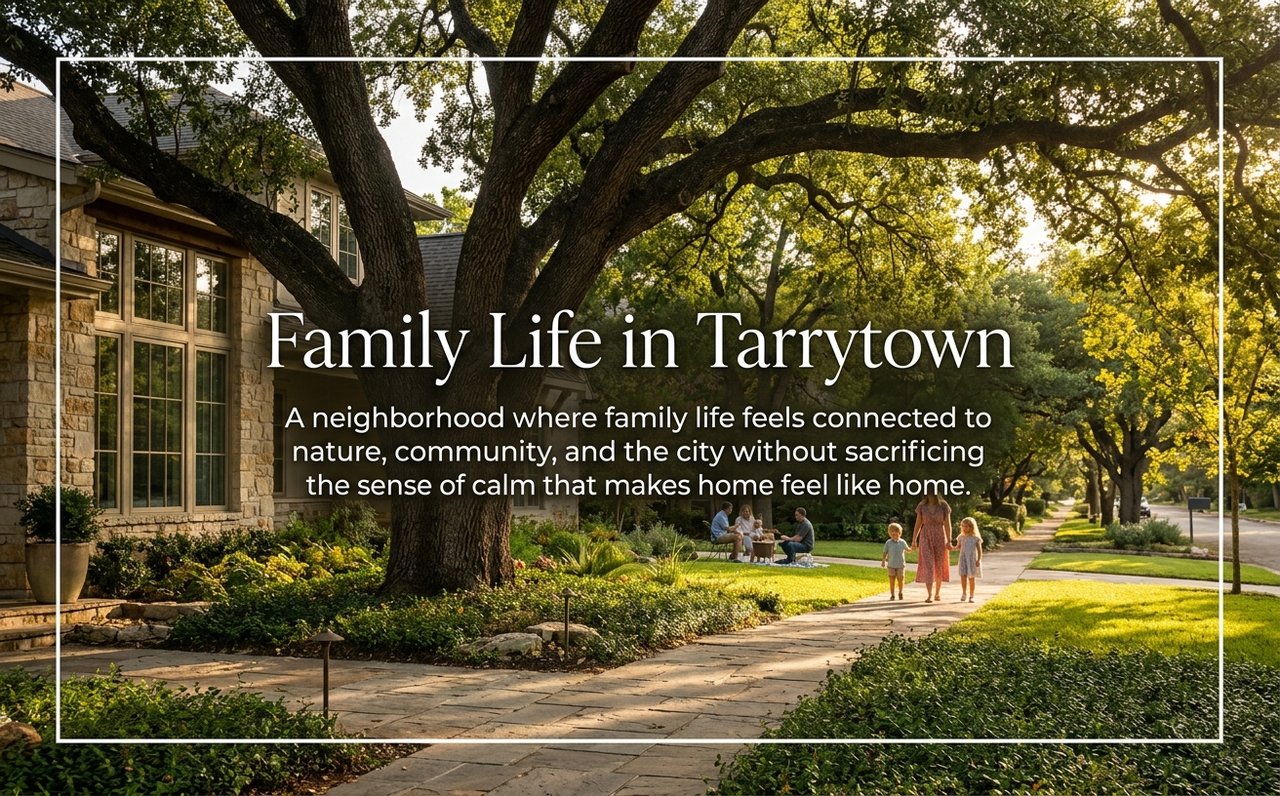
A neighborhood where family life feels connected to nature, community, and the city without sacrificing the sense of calm that makes home feel like home.

Lifestyle
October 13, 2026
When the lake becomes part of everyday life, home feels less like a place you return to and more like a lifestyle you never have to leave.

Lifestyle
October 12, 2026
The most valuable things in Tarrytown are often the ones you notice slowly: mature trees, privacy, architectural character, lake access, and the rare feeling of being … Read more

Buyer Education
October 10, 2026
In a changing market, the right preparation, pricing, and presentation can make all the difference in how buyers see your home.
Get In Touch With Our Team To Learn More