KHANI ZULU | BROKER ASSOCIATE, MCNE, CLHMS | October 6, 2026
Wellness
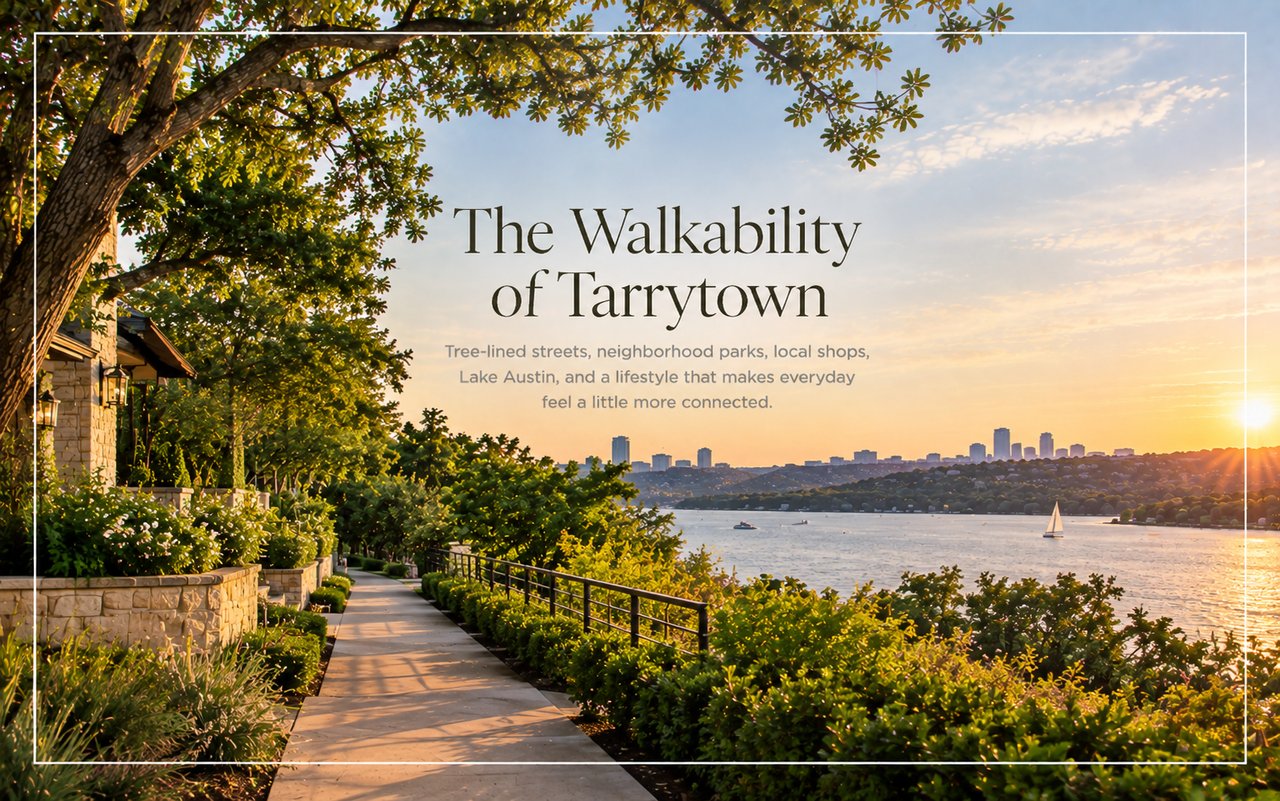
Tarrytown is not walkable in the same way as downtown Austin or South Congress.
And that distinction is important.
Here, walkability is woven into the neighborhood itself. It is the morning walk beneath mature trees, the stroll to a local park, coffee near the lake, or the simple ability to step outside and experience a quieter side of Austin without immediately getting into the car.
That combination of residential calm and everyday connectivity is one of the qualities that continues to make Tarrytown distinctive.
Located just west of downtown and the University of Texas, Tarrytown sits between Lake Austin and MoPac, with Lake Austin Boulevard and 35th Street defining its southern and northern edges. The neighborhood's established streets, mature trees, gardens, and varied architecture create a setting that feels removed from the city while remaining remarkably close to it.
The experience is less urban and more residential.
You are not necessarily walking because you need to reach ten different destinations in a single afternoon.
You are walking because the neighborhood invites you to.
Tarrytown's street network contributes significantly to its pedestrian character.
The City of Austin's Central West Austin neighborhood plan describes a combination of interconnected grid streets and winding residential roads, shaped in part by the area's topography. It also notes that many of the neighborhood's streets are narrow and quiet, creating an environment that can be favorable to pedestrians and cyclists.
That creates a different kind of luxury.
There is space to slow down.
A walk can become part of the day rather than simply a way to move between destinations.
One of Tarrytown's strengths is the number of everyday experiences that sit within the broader neighborhood.
The Tarrytown Alliance highlights local shopping, services, dining, parks, and recreational destinations throughout the area, including Westenfield Park, Tarrytown Neighborhood Park, Reed Park, and nearby Mayfield Park and Nature Preserve.
For residents, that means the neighborhood can feel surprisingly self-contained.
A morning walk can become a coffee run. An afternoon stroll can end at a park. A weekend outing can lead toward the lake or one of the area's cultural destinations.
The destinations matter, but so does everything in between.
Tarrytown's relationship with its parks adds another layer to the walking experience.
Reed Park has served the neighborhood since 1954, while Mayfield Park offers 23 acres of gardens, ponds, historic architecture, and walking paths just within the neighborhood's broader setting.
Mayfield is especially different from the typical urban park experience.
Its paths move through gardens and mature landscaping, creating a slower, almost hidden atmosphere despite being close to downtown. Austin Parks and Recreation describes the park as an oasis within the city's urban environment.
That proximity to nature changes the meaning of a neighborhood walk.
Then there is the water.
Tarrytown's position along Lake Austin gives residents another dimension of outdoor access, while nearby Lady Bird Lake expands the recreational possibilities even further. The Tarrytown Alliance specifically highlights both lakes as part of the neighborhood's lifestyle, along with opportunities for paddling, rowing, paddleboarding, and other outdoor activities.
The result is a neighborhood where walking, cycling, recreation, and the outdoors naturally overlap.
You can leave the house for a walk and end up beside the water.
That kind of spontaneity is difficult to create through architecture alone.
This is where buyers should look beyond the word "walkable."
Tarrytown is still primarily a residential neighborhood, and the experience varies depending on the specific part of the neighborhood and the destination. Local guides consistently describe its walkability as more neighborhood-oriented than urban, with everyday retail, restaurants, parks, and lake-oriented destinations accessible from certain areas, while many larger errands still require a car.
That balance is actually part of the appeal.
You can have a quieter residential setting without feeling disconnected from Austin.
For many buyers, the real value of Tarrytown's walkability is not measured by how many errands can be completed without a vehicle.
It is measured by how connected everyday life feels.
Downtown is close. The University of Texas is close. Lake Austin is close. Parks, restaurants, neighborhood services, and cultural destinations are woven into the surrounding area.
Yet the neighborhood itself retains a distinctly residential atmosphere.
That combination can be difficult to find.
Walkability can also become a property-selection consideration.
Two homes may share the same neighborhood name while offering very different daily experiences depending on their position relative to parks, shops, major streets, the lake, schools, and other destinations.
For buyers considering Tarrytown, the question is not simply:
"Is Tarrytown walkable?"
It is:
"What do I want to be able to walk to?"
That answer can influence which streets, blocks, and homes deserve a closer look.
There is something quietly luxurious about having options.
You can drive downtown.
You can bike.
You can walk beneath the trees.
You can head toward the lake.
You can spend an afternoon at a park without turning it into an entire outing.
Tarrytown's walkability is not about trying to recreate an urban neighborhood. It is about creating a residential lifestyle where movement, nature, community, and convenience can coexist.
And perhaps that is what makes it so appealing.
The best kind of walkability does not make a neighborhood feel busier. It makes everyday life feel richer.
With Gratitude,
Khani Zulu Group
@properties Christie's International Real Estate
Stay up to date on the latest real estate trends.
Buyer info
November 12, 2026
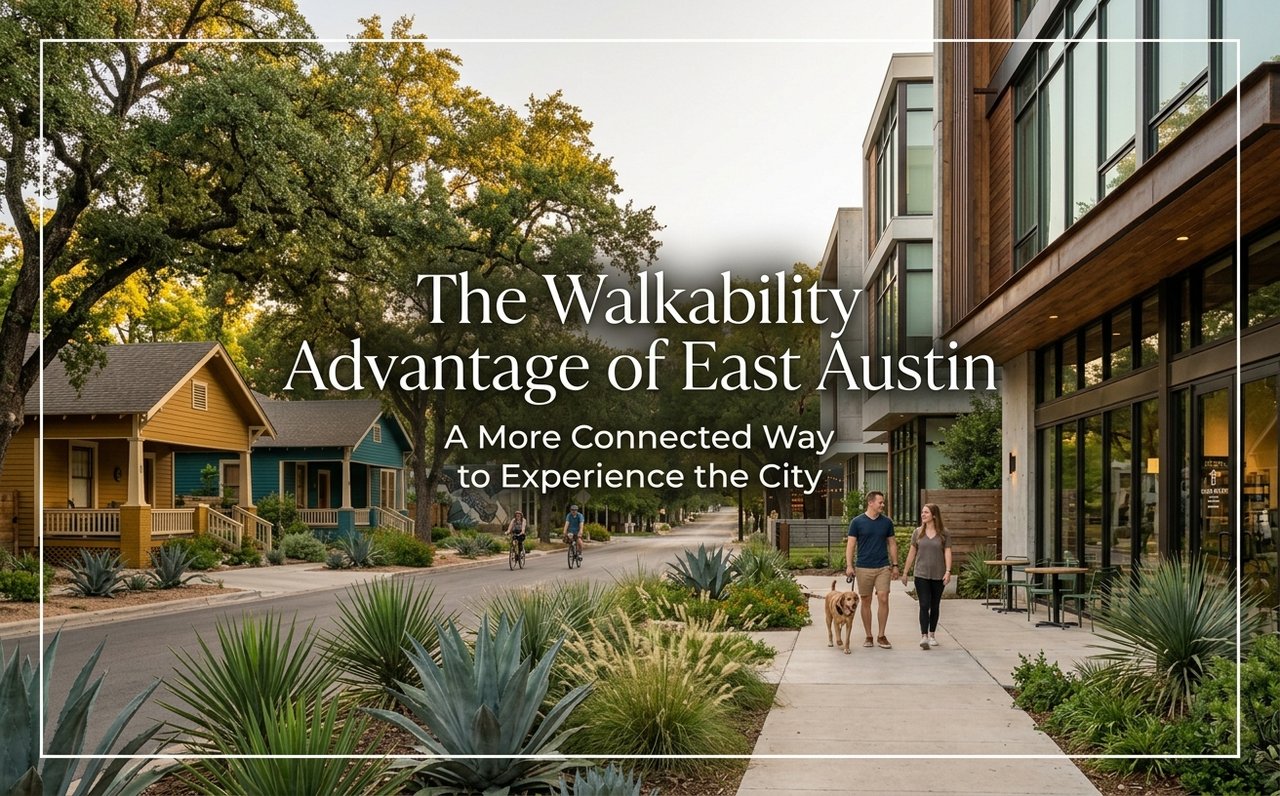
A More Connected Way to Experience the City
Buyer info
November 11, 2026
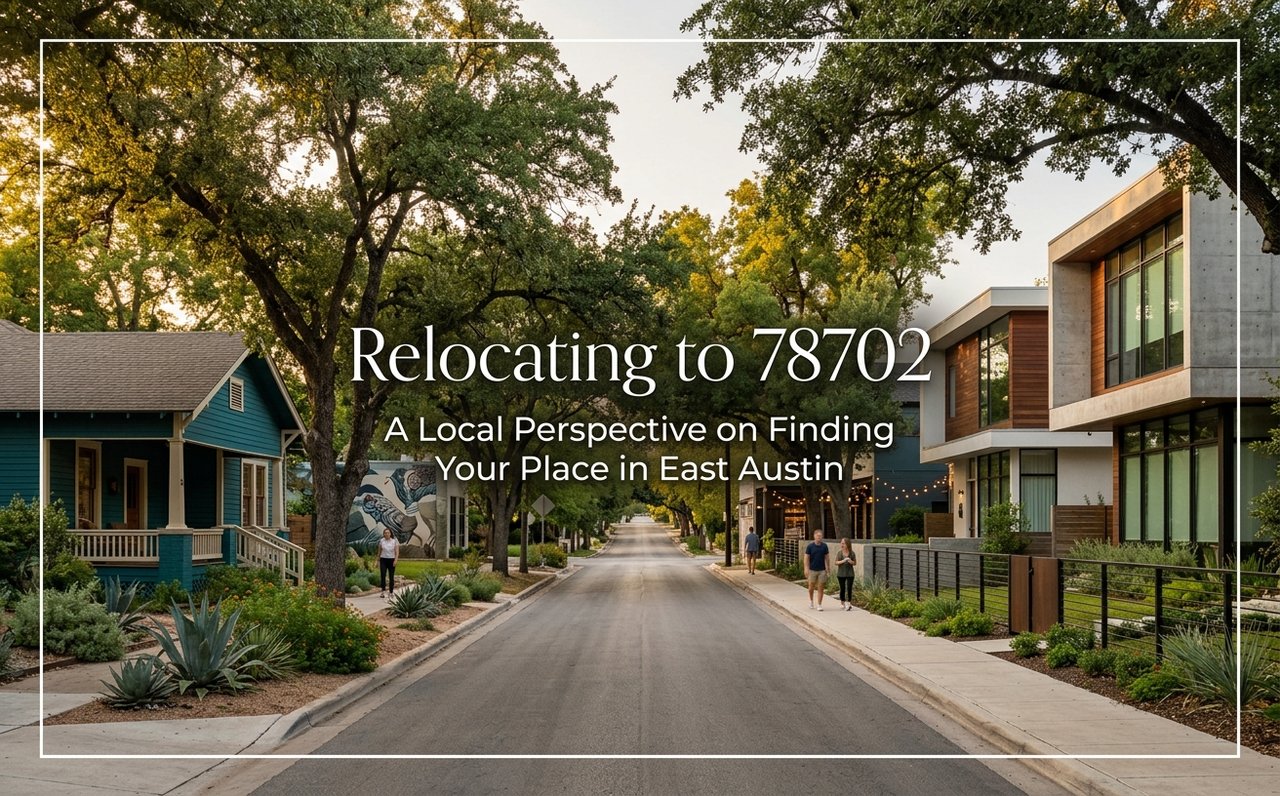
A Local Perspective on Finding Your Place in East Austin

Lifestyle
November 10, 2026
A Neighborhood Where Ideas Find Room to Grow
Art & Culture
November 9, 2026
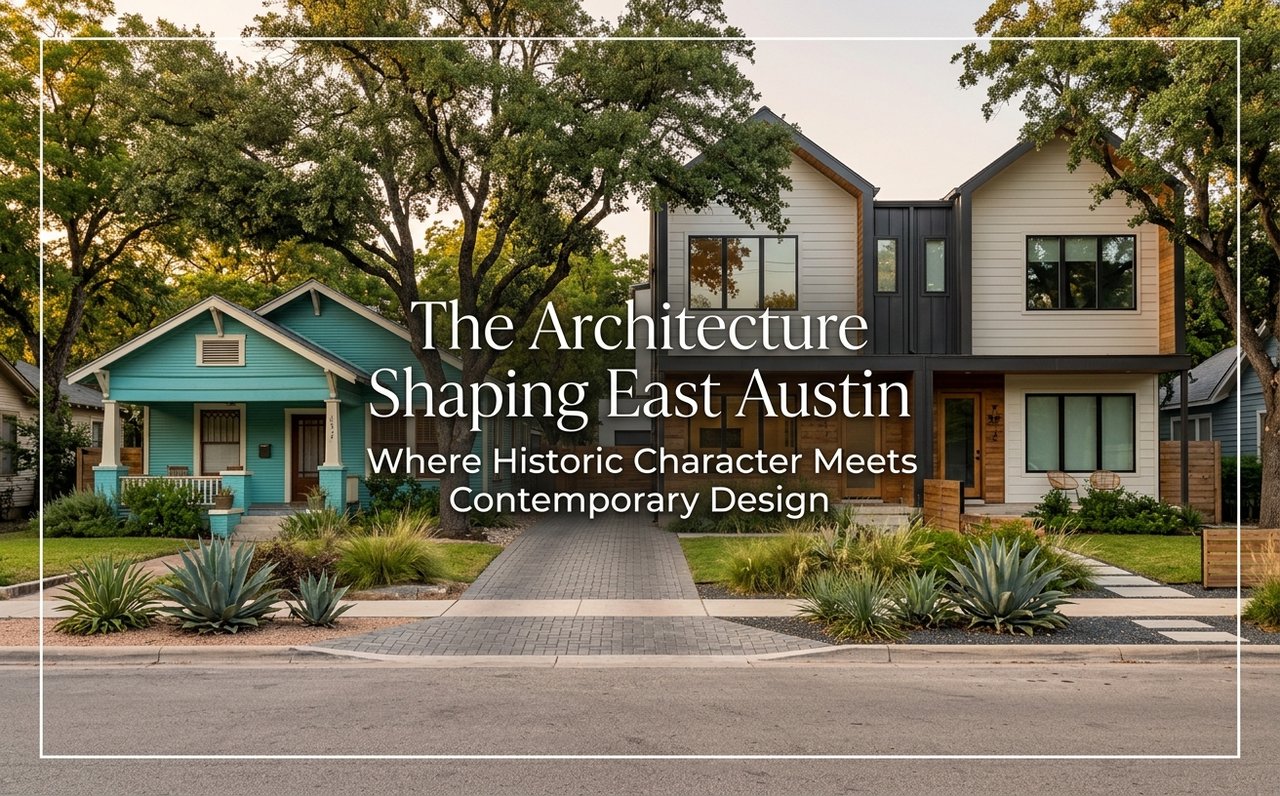
Where Historic Character Meets Contemporary Design
Lifestyle
November 6, 2026
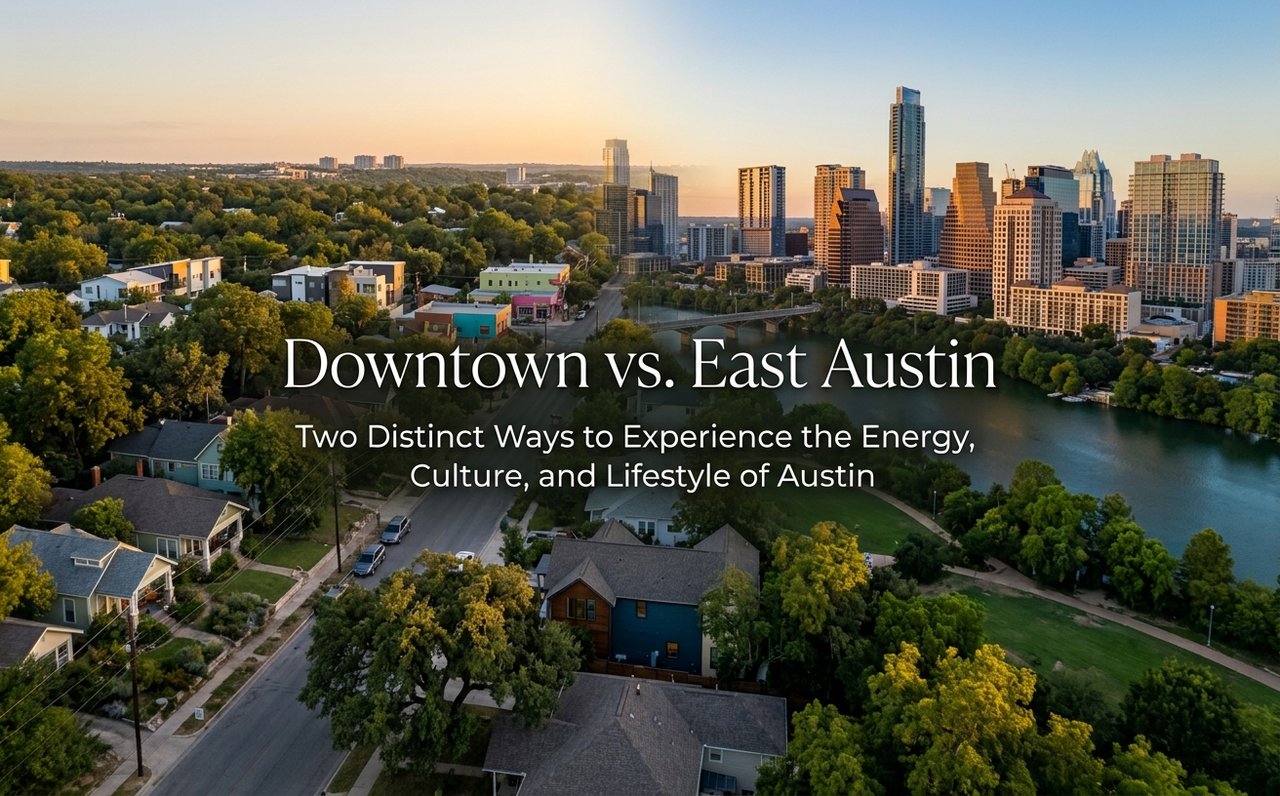
Two Distinct Ways to Experience the Energy, Culture, and Lifestyle of Austin

Buyer info
November 5, 2026
Where Local Heritage, Art, and Everyday Life Shape a Distinctive Austin Experience
Lifestyle
November 4, 2026
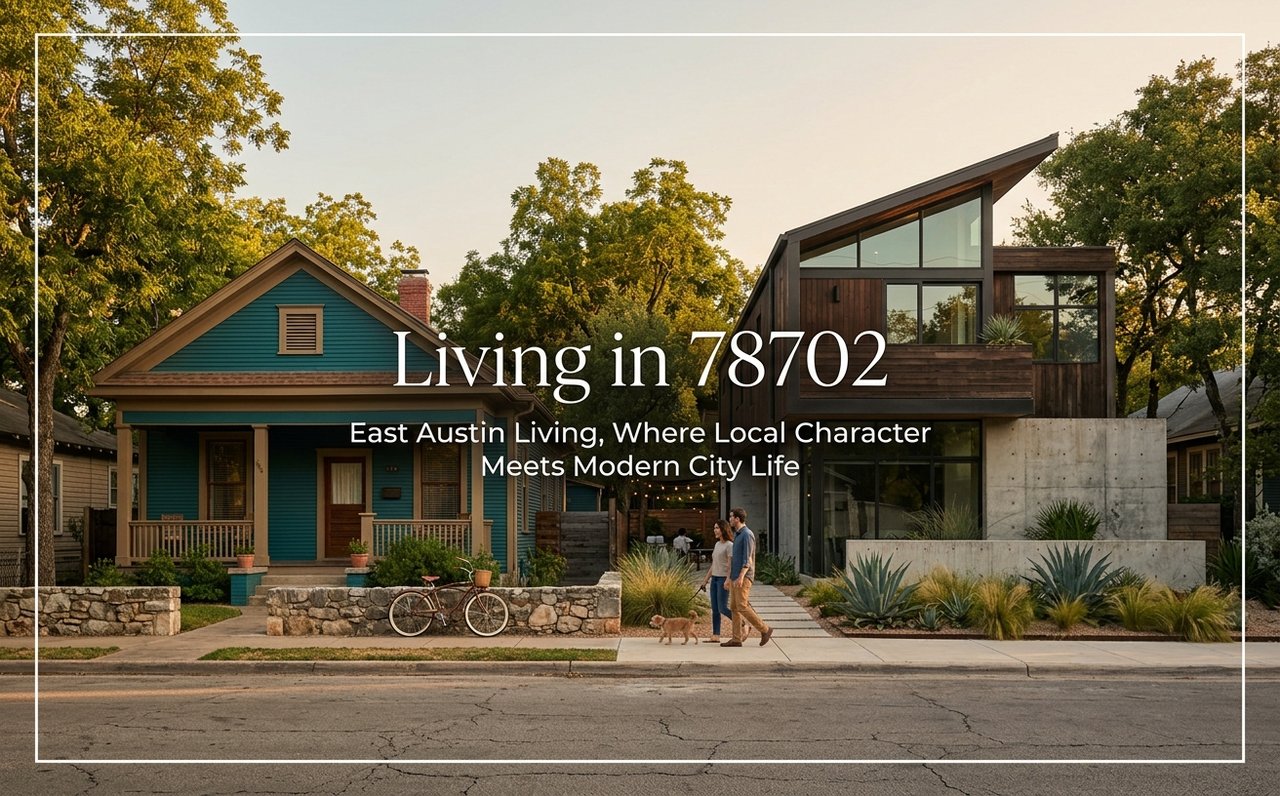
East Austin Living, Where Local Character Meets Modern City Life
Buyer info
November 3, 2026
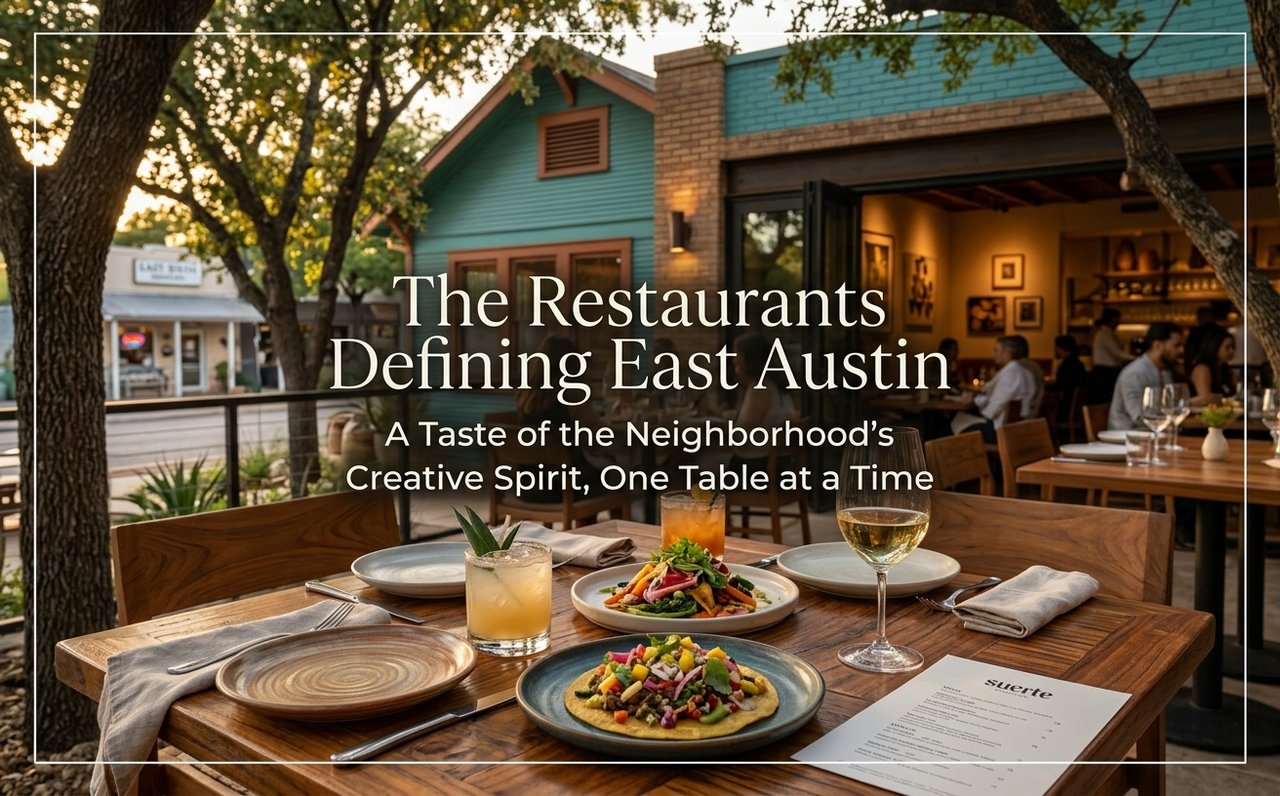
A Taste of the Neighborhood's Creative Spirit, One Table at a Time
Art & Culture
November 2, 2026
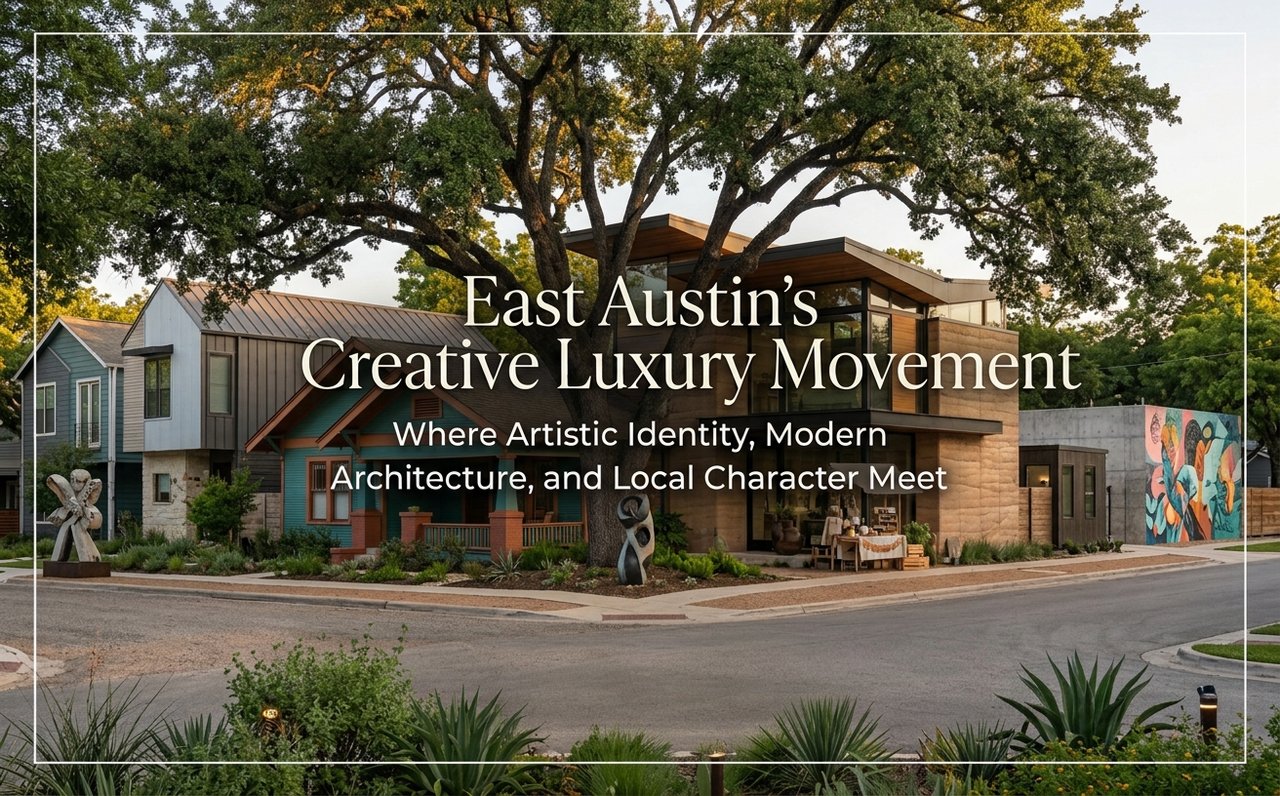
Where Artistic Identity, Modern Architecture, and Local Character Meet
Get In Touch With Our Team To Learn More