KHANI ZULU | BROKER ASSOCIATE, MCNE, CLHMS | October 22, 2026
Art & Culture
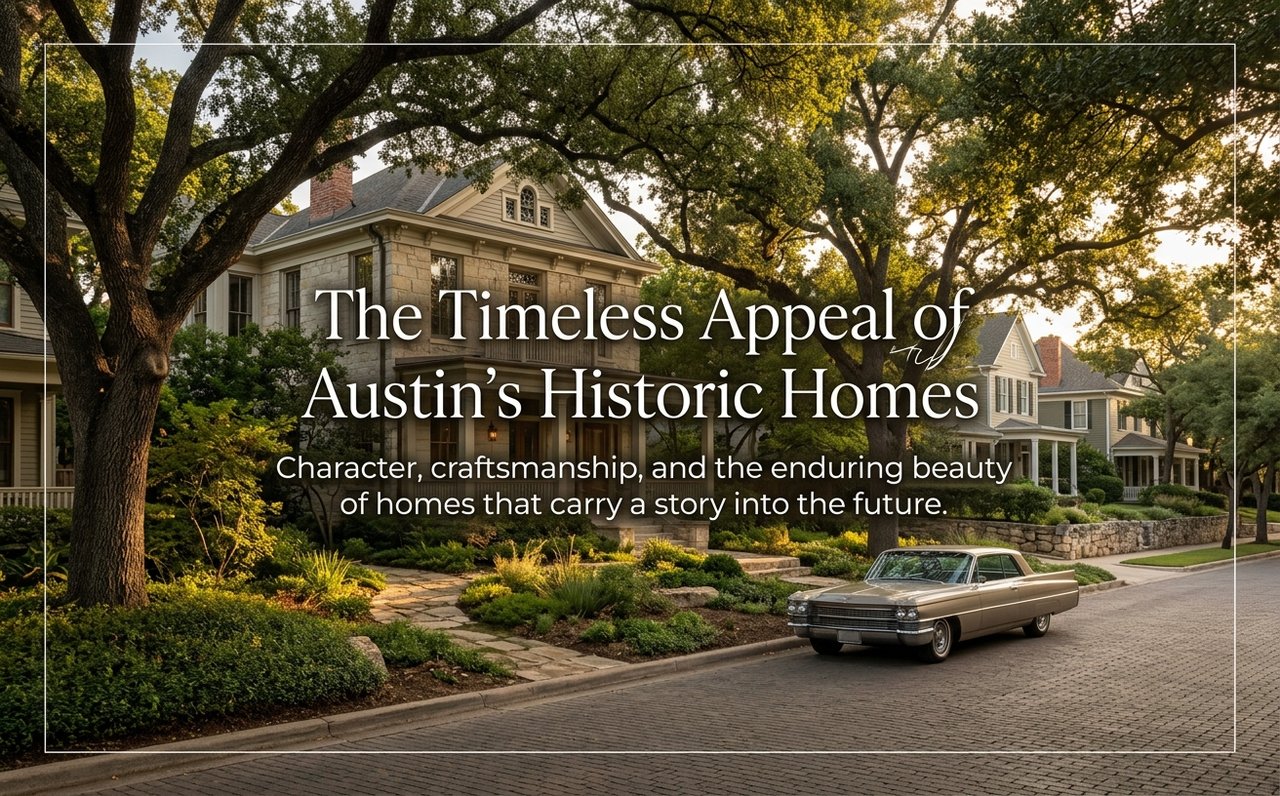
Some homes make an impression through scale. Others draw you in through the details: original woodwork, a welcoming front porch, a beautifully proportioned room, or the way natural light moves across an old hardwood floor. Austin’s historic homes offer something that can be difficult to recreate in new construction: a sense of character shaped by time.
These residences reflect different chapters of the city’s evolution, from early architectural influences to the bungalows and traditional homes that helped define its established neighborhoods. Their appeal is not simply about age or nostalgia. It is about individuality, craftsmanship, and the feeling that a home has a story of its own.
For buyers drawn to architecture with personality, a historic property can offer a more personal relationship with the place they call home.
Austin’s historic residential architecture is far from uniform. Victorian-era homes, Craftsman bungalows, Classical Revival residences, and early 20th-century houses each bring their own proportions, materials, and design language. Some are defined by intricate millwork and decorative trim, while others rely on restrained detailing, practical layouts, and a close relationship between indoor and outdoor spaces.
What connects these homes is their ability to express a particular time and way of living. A deep front porch creates a natural transition between home and neighborhood. Tall windows invite daylight into rooms with generous proportions. Original materials introduce texture and variation that give a space depth.
These architectural details are not merely decorative. They shape the experience of moving through a home, influencing its atmosphere, rhythm, and relationship with its surroundings.
Historic homes are often inseparable from the neighborhoods that surround them. Established streets, mature trees, familiar local businesses, and a mix of architectural styles can create an atmosphere that feels distinct from newer residential developments.
Hyde Park is one of Austin’s best-known examples. Platted in 1891, the neighborhood developed through the late 19th and early 20th centuries, with homes reflecting styles ranging from Victorian and Queen Anne to Craftsman and Classical Revival. Its residential character offers a glimpse into Austin’s architectural evolution, with a streetscape that rewards a slower pace of discovery.
Old Enfield offers another perspective on established Austin living, with stately residences, mature landscapes, and a sense of architectural continuity close to the city’s central neighborhoods. Clarksville, meanwhile, brings together historic homes, a distinctive neighborhood identity, and convenient access to downtown. Its appeal lies in the way residential character and city life coexist.
Each neighborhood has its own personality. The right fit depends on what a buyer values most, whether that is architectural detail, a particular streetscape, proximity to daily destinations, or a home that feels connected to Austin’s past.
In a market where design trends can change quickly, original craftsmanship has a particular kind of staying power. Solid wood floors, detailed staircases, vintage hardware, built-in cabinetry, traditional masonry, and thoughtfully framed windows can give a home a sense of depth that extends beyond its visual appeal.
These elements also invite a different way of thinking about design. Rather than treating every older feature as something to replace, the most thoughtful renovations identify what gives a property its identity and build around it.
A contemporary kitchen can sit comfortably alongside original architectural details. Updated lighting can bring new dimension to traditional rooms. Carefully planned additions can introduce more functional living space while respecting the proportions and character of the original home.
The goal is not to freeze a house in time. It is to understand what makes it distinctive and carry those qualities forward.
The most compelling historic homes balance preservation with the realities of contemporary life. Buyers may appreciate the intimacy of an older floor plan while still wanting a larger kitchen, more storage, dedicated workspaces, improved energy performance, or a stronger connection to outdoor living.
Achieving that balance requires thoughtful planning. Some properties lend themselves to sensitive updates, while others may present structural, spatial, or regulatory challenges. The possibilities depend on the home itself, the site, its existing condition, and any applicable historic protections.
For some buyers, the ideal property is one that retains its original character with minimal intervention. Others may prefer a home that has already undergone a carefully considered renovation. Neither approach is inherently better. The important question is how well the home supports the way its next owner wants to live.
The appeal of a historic home should always be considered alongside its practical requirements. Older properties can offer exceptional character, but their condition and renovation needs vary considerably. A beautiful exterior does not tell the full story of a building’s structure, systems, or maintenance history.
Before purchasing, buyers should pay particular attention to:
In Austin, historic designation matters. Exterior alterations to locally designated landmarks and contributing properties in local historic districts generally require review, subject to applicable exceptions. Design standards and requirements vary by designation and property status. Buyers considering renovations should verify the specific property’s designation and consult the City of Austin’s Historic Preservation Office before making assumptions about what can be changed.
These steps do not diminish the appeal of a historic home. They help buyers understand the responsibility that comes with owning a piece of the city’s architectural heritage.
The value of a historic home is not always captured by square footage, the number of bedrooms, or the age of its finishes. Architectural integrity, lot characteristics, neighborhood context, the quality of previous renovations, and the scarcity of certain property types can all influence how a home is experienced and evaluated.
At the same time, historic character alone does not guarantee investment performance. Buyers should consider comparable sales, maintenance costs, insurance, renovation budgets, and long-term plans alongside the qualities that first attracted them to the property.
A thoughtful purchase begins with understanding both the tangible property and the lifestyle it offers. For some, that may mean choosing a smaller home with exceptional architectural detail. For others, it may mean finding a historic residence on a distinctive lot with room to adapt over time.
The most meaningful choice is the one that aligns character with practical needs.
Austin continues to evolve, but its historic homes provide an important connection to the people, design traditions, and neighborhood patterns that shaped the city. Their continued relevance depends on more than preservation alone. It also depends on owners who recognize their value, maintain them carefully, and make thoughtful decisions about how they will serve the next generation.
For buyers, these homes offer an opportunity to become part of that ongoing story. The experience may involve restoring an original detail, reimagining a room, or simply enjoying the way an established neighborhood changes with the seasons.
The enduring appeal of a historic home is ultimately about more than what has been preserved. It is about what can continue to unfold within its walls.
Choosing a historic home is a personal decision that brings architecture, lifestyle, and long-term stewardship together. The right property offers more than period details or a desirable address. It feels connected to its surroundings while leaving room for the life you want to create.
At Khani Zulu, we believe exceptional real estate is about understanding what makes a property meaningful to the person who will call it home. In Austin’s historic neighborhoods, that often begins with looking beyond appearances to recognize the craftsmanship, context, and possibilities that make each residence distinct.
With Gratitude,
Khani Zulu Group
@properties Christie's International Real Estate
Stay up to date on the latest real estate trends.
Buyer info
November 12, 2026
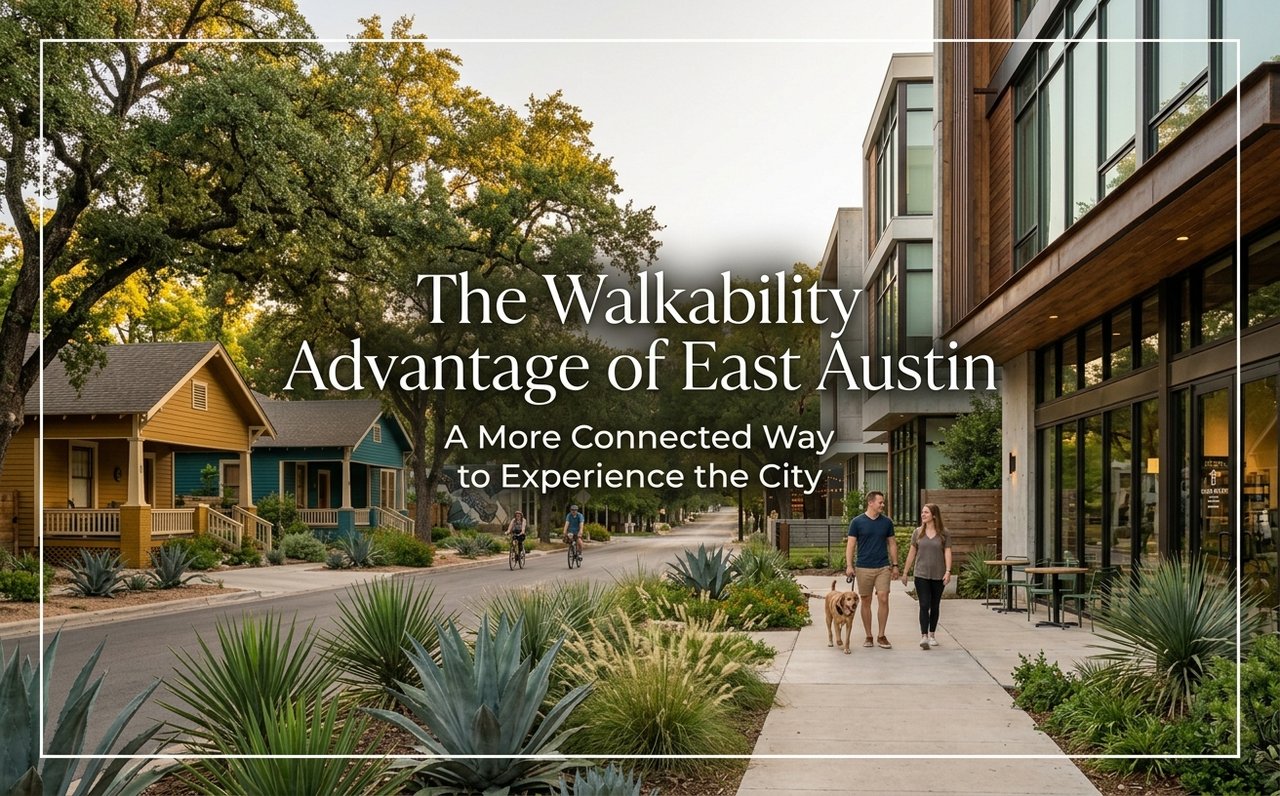
A More Connected Way to Experience the City
Buyer info
November 11, 2026
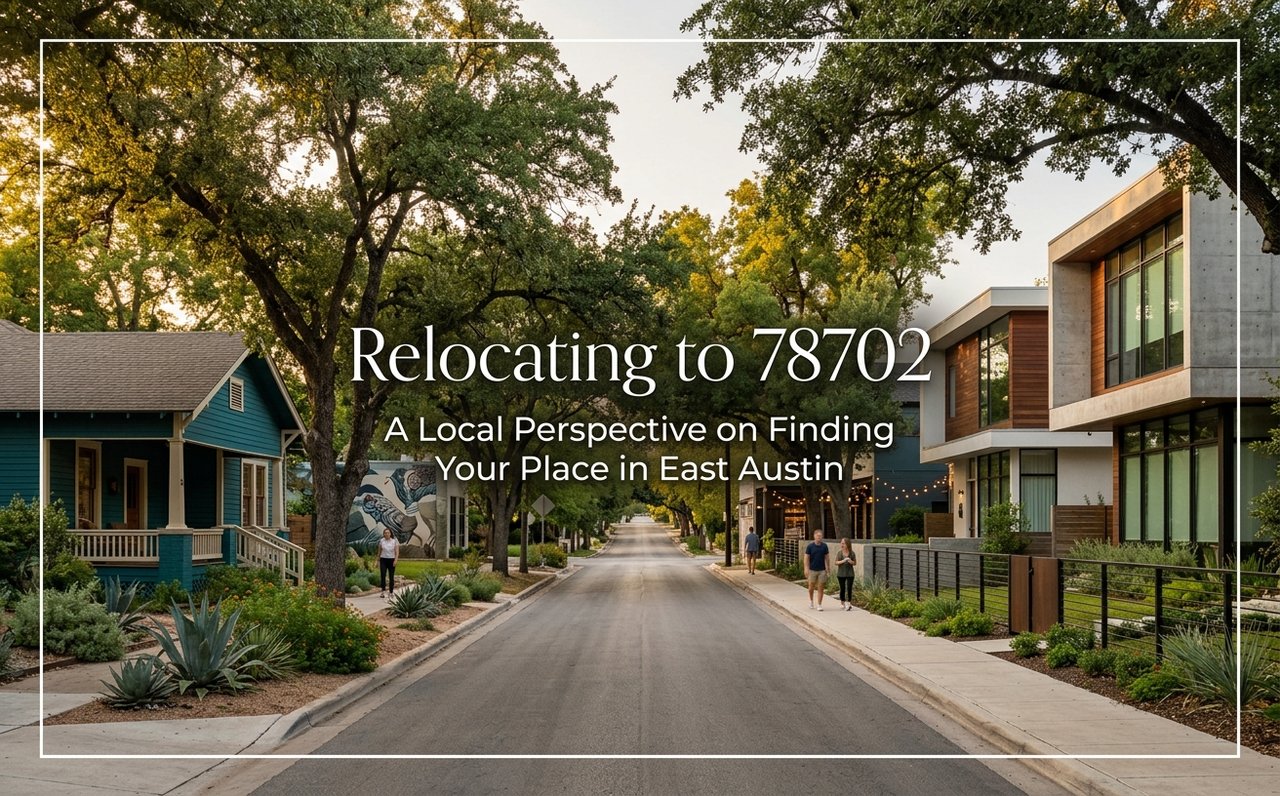
A Local Perspective on Finding Your Place in East Austin

Lifestyle
November 10, 2026
A Neighborhood Where Ideas Find Room to Grow
Art & Culture
November 9, 2026
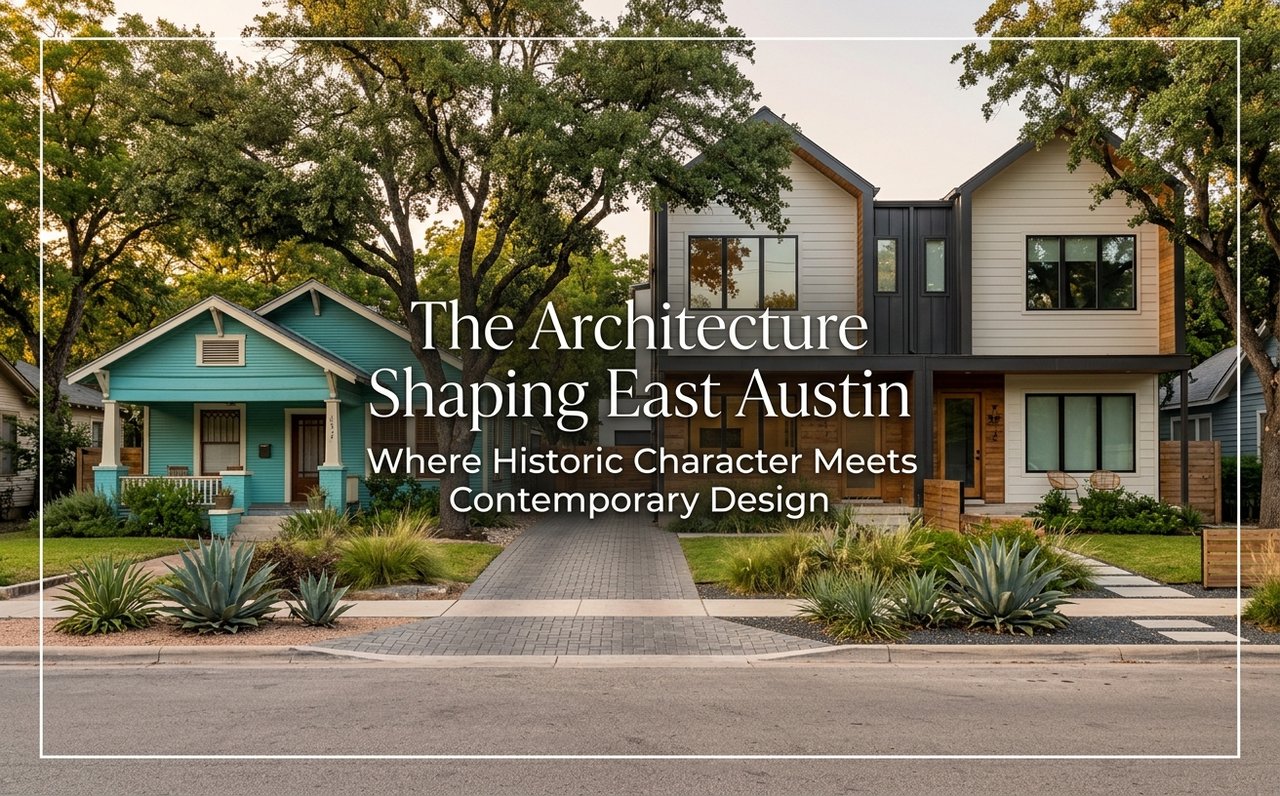
Where Historic Character Meets Contemporary Design

Lifestyle
November 6, 2026
Two Distinct Ways to Experience the Energy, Culture, and Lifestyle of Austin

Buyer info
November 5, 2026
Where Local Heritage, Art, and Everyday Life Shape a Distinctive Austin Experience
Lifestyle
November 4, 2026
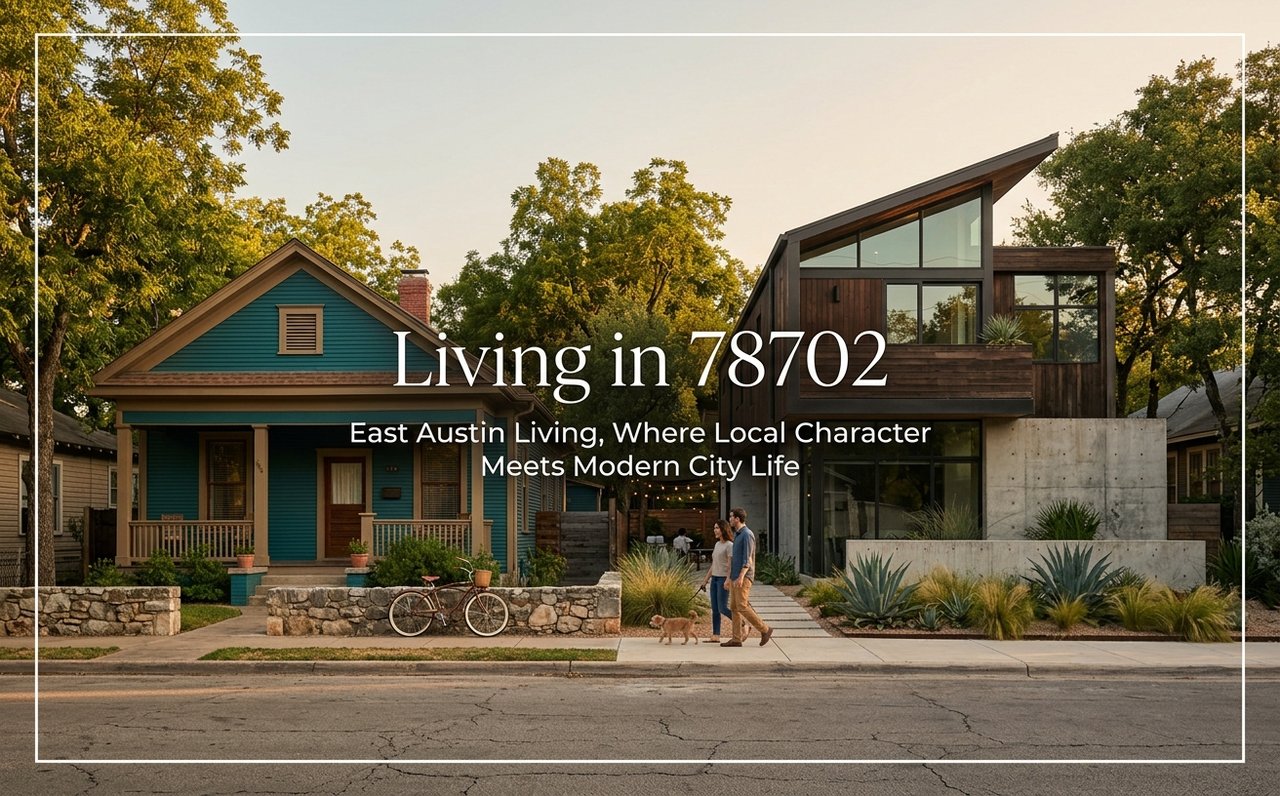
East Austin Living, Where Local Character Meets Modern City Life

Buyer info
November 3, 2026
A Taste of the Neighborhood's Creative Spirit, One Table at a Time
Art & Culture
November 2, 2026
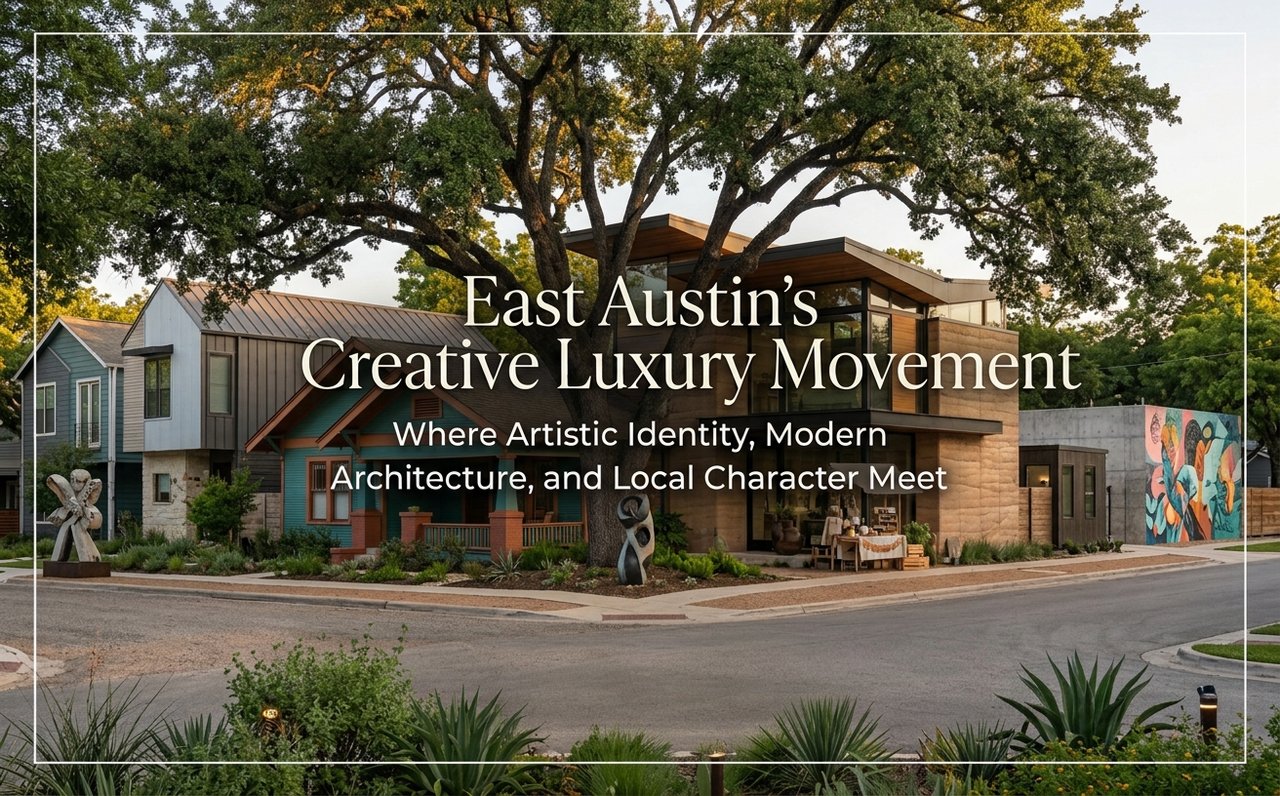
Where Artistic Identity, Modern Architecture, and Local Character Meet
Get In Touch With Our Team To Learn More