KHANI ZULU | BROKER ASSOCIATE, MCNE, CLHMS | October 27, 2026
Buyer info
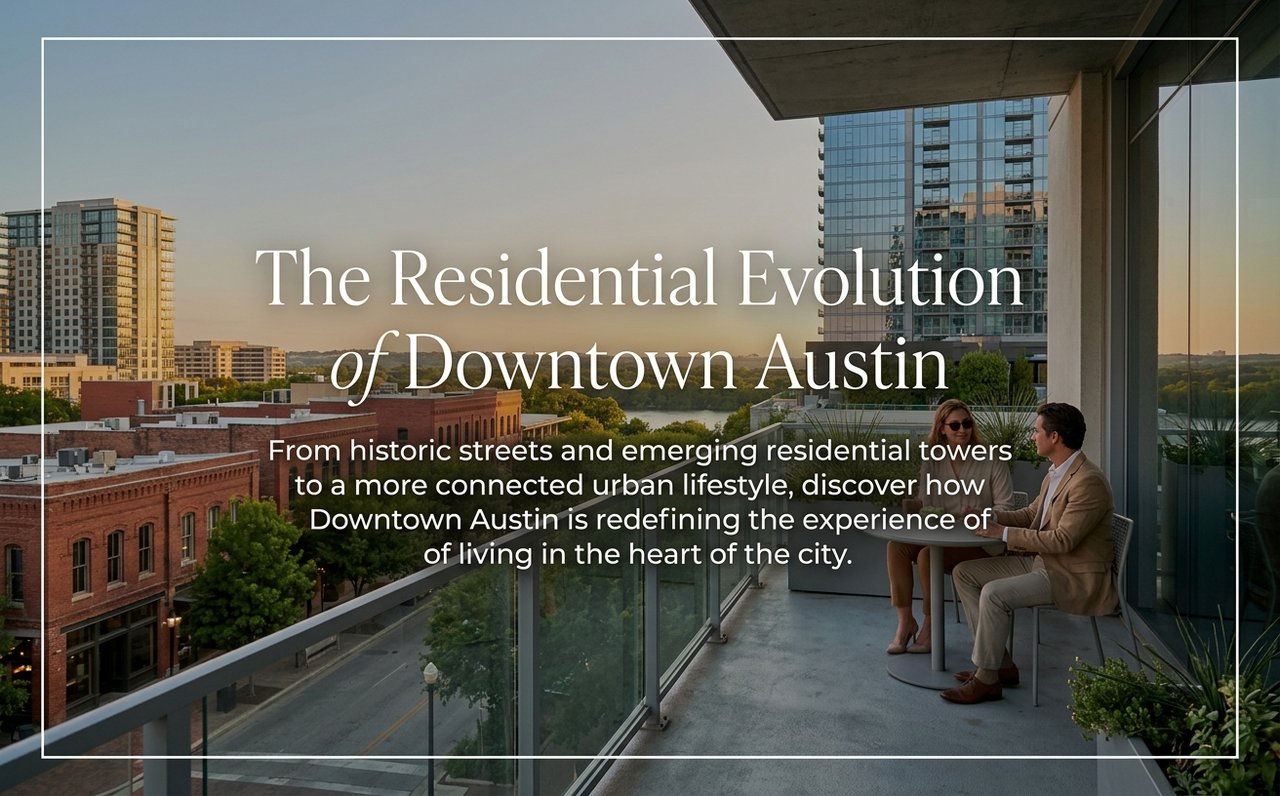
Downtown Austin has always been central to the city's identity, but the way people experience it continues to change. What began as the original urban center has evolved into a place where residential life, business, culture, and recreation increasingly intersect. Today, its identity extends beyond offices, entertainment venues, and commercial streets to include a growing range of homes designed for people who want to live closer to the city's activity.
This transformation reflects a broader shift in how urban neighborhoods are understood. A successful downtown is not defined solely by its skyline or commercial activity. It also depends on whether people can build meaningful daily routines there, access public spaces, connect with their surroundings, and find homes that suit different stages of life.
For buyers exploring Downtown Austin, this evolution offers a distinct perspective on urban real estate. Contemporary condominiums, established buildings, and new residential developments create opportunities to experience the city in different ways, with each property offering its own balance of location, design, convenience, and privacy.
Understanding how downtown has developed helps explain not only what it offers today, but also the priorities shaping its next chapter.
Downtown Austin's architectural identity reflects more than one period of development. The original city grid dates to 1839, and the area has since experienced successive waves of growth that introduced different building types, architectural influences, and patterns of urban life.
Historic commercial buildings, civic landmarks, and established streets exist alongside contemporary towers and modern mixed use developments. This contrast gives downtown a visual character that cannot be attributed to a single architectural style. Instead, its identity emerges from the relationship between its historic foundations and the structures that continue to reshape the skyline.
Residential development adds another dimension to this landscape. Contemporary condominiums bring new interpretations of urban living through expansive windows, open layouts, shared amenities, and elevated views. Older buildings, meanwhile, offer their own architectural presence and a different relationship with the surrounding streets.
The result is a downtown where residential experiences can vary significantly within a relatively compact area. Some properties prioritize panoramic views and contemporary finishes, while others appeal through their location, building character, or connection to established parts of the city.
For buyers, understanding these differences is essential. The most compelling property is not necessarily the newest or most visually striking, but the one whose architecture, surroundings, and functionality align with the experience its owner wants to create.
As Austin has grown, downtown has continued to develop as a place where people can live as well as work, socialize, and explore. Residential buildings contribute to a more varied urban environment, bringing daily activity into streets and districts that might otherwise be defined primarily by business hours or entertainment schedules.
The Downtown Austin Alliance reported 14,164 residential units in downtown in its 2025 to 2026 annual report. Its 2026 State of Downtown report also noted that the condominium market added 550 units since 2024, representing a 14 percent increase in inventory. These figures illustrate the scale of downtown's residential presence and the expansion of condominium options, although inventory growth alone does not establish the level of buyer demand or guarantee future market performance.
The significance of residential development extends beyond the number of homes. A more established residential population can support neighborhood businesses, encourage activity at different times of day, and strengthen the relationship between homes and public spaces.
For prospective buyers, this creates an opportunity to consider downtown as more than a convenient address. It becomes a potential setting for everyday life, with access to restaurants, cultural destinations, employment centers, and outdoor recreation shaped by the specific location of each residence.
The long term success of this evolution will depend on how effectively new housing integrates with the existing urban environment. Building design, pedestrian access, neighborhood services, public spaces, and the quality of the surrounding streets all contribute to whether downtown feels like a place to live rather than simply a place to visit.
The evolution of downtown housing has also changed the way luxury buyers can approach residential design. Modern condominiums offer an alternative to the traditional detached home, emphasizing a different combination of space, service, convenience, and architectural experience.
Large windows can frame the skyline or surrounding landscape, while open layouts create visual continuity between kitchens, dining areas, and living spaces. Private balconies and terraces, where available, introduce opportunities for outdoor relaxation without requiring the maintenance of a large garden. Depending on the building, shared amenities may include fitness facilities, concierge services, resident lounges, and landscaped outdoor areas.
These features can appeal to buyers who prefer a more streamlined approach to homeownership. A condominium may reduce certain exterior maintenance responsibilities while placing everyday destinations closer at hand. At the same time, shared facilities and building services introduce their own costs, rules, and management considerations.
Design quality remains especially important. A sophisticated interior should support practical routines as well as visual appeal, with thoughtful storage, comfortable circulation, effective sound insulation, and a layout that makes the most of the available space.
As expectations continue to evolve, successful urban residences will be those that balance architectural expression with genuine livability. Luxury is not simply a matter of finishes or amenities. It is the experience of moving through a home that feels considered, comfortable, and well suited to its surroundings.
One of downtown's defining residential advantages is its relationship with the broader city. Restaurants, live music venues, galleries, cultural institutions, and entertainment destinations create an environment in which daily life can extend beyond the home with relatively little planning.
For residents who enjoy an active social calendar, this proximity can change the rhythm of the week. An evening at a restaurant, a performance, or an informal gathering with friends may become part of a normal routine rather than a destination requiring a dedicated trip across town.
Downtown also offers access to outdoor spaces that provide a different kind of connection. Lady Bird Lake and its surrounding trail network create opportunities for walking, running, cycling, and enjoying the landscape near the urban center. These spaces introduce a welcome contrast to the built environment while contributing to the appeal of living in the heart of Austin.
Connectivity, however, is about more than distance. The quality of pedestrian routes, transportation options, street conditions, and access to everyday services can influence the experience of living in a particular building. Buyers should consider their own routines and evaluate how easily they can reach the places that matter most to them.
The evolution of downtown living is therefore closely tied to how the city connects its residences with its cultural, commercial, and natural environments. The more effectively these elements work together, the more opportunities residents have to experience Austin as an integrated part of everyday life.
As downtown continues to evolve, one of its central challenges is balancing new development with the architectural and cultural qualities that give Austin its identity.
The city's Downtown Austin Plan emphasizes a combination of livable density, connected streets and public spaces, transportation choices, historic preservation, cultural destinations, and a range of housing options. These priorities reflect the idea that urban growth should contribute to a more complete residential environment rather than focus exclusively on adding buildings.
For real estate buyers, this balance can have practical implications. A property's surroundings influence its atmosphere, accessibility, and relationship with the neighborhood. Established businesses, historic structures, public spaces, and the scale of nearby buildings can all contribute to the character of a location.
New development may introduce additional housing, services, and public improvements, while infrastructure projects can reshape how people move through the city. These changes can also create temporary construction activity, disruptions, and uncertainty about how specific streets or properties will be affected.
Buyers considering a downtown residence should look beyond the current appearance of the immediate surroundings. Reviewing relevant planning documents, zoning information, and nearby development proposals can provide a clearer understanding of the area's context and potential changes.
Preserving downtown's character does not require preventing all change. It requires thoughtful decisions about how new buildings, public spaces, and residential communities contribute to the city that already exists.
Downtown Austin's residential future will depend on several interconnected factors, including housing supply, construction activity, infrastructure investment, public space improvements, and the preferences of people choosing to live in the urban core.
The Downtown Austin Alliance's 2026 reporting describes a period of adjustment in the development pipeline, with fewer projects moving through the pipeline than during earlier years of expansion. At the same time, residential and mixed use developments remain part of the area's ongoing transformation. This suggests a more measured development environment in which the absorption of existing inventory and the delivery of projects already underway will remain important considerations.
Future residential offerings may continue to explore different approaches to urban living, from compact residences designed for convenience to larger homes that prioritize views, privacy, and generous interior spaces. Mixed use development may also influence how residential buildings relate to retail, dining, and public destinations, although the outcomes will vary by project and location.
Infrastructure improvements are another important part of the picture. Investments in streets, transportation, public spaces, and pedestrian connections can affect how residents experience downtown, while construction activity may influence access and daily routines during implementation.
For buyers, these developments provide useful context rather than a guarantee of future appreciation. A changing neighborhood can create new opportunities, but the value of an individual residence will still depend on its price, condition, building management, location, and position within the broader market.
The most useful question is not simply what downtown will look like in the future, but how a particular property is positioned to meet the needs of the people who will live there.
Downtown Austin offers different residential experiences, and selecting the right one requires understanding the tradeoffs associated with each property.
Buyers who prioritize skyline views, shared amenities, and proximity to cultural destinations may be drawn to contemporary condominium buildings. Those who value privacy, quieter surroundings, or more generous private outdoor space may need to evaluate specific locations and layouts more carefully.
Building operations also deserve attention. Homeowners association fees, reserve funding, insurance arrangements, maintenance responsibilities, and potential special assessments can affect the overall cost of ownership. Rules governing pets, leasing, renovations, and shared amenities may also influence whether a building fits a buyer's plans.
The residence itself should be assessed with equal care. Natural light, orientation, storage, noise levels, parking, and the quality of major systems can make a substantial difference to everyday comfort. For buyers who travel frequently or intend to use the property as a second home, security and property management may carry additional weight.
There is no universal definition of the ideal downtown home. The right choice depends on how a buyer intends to use the property, which features genuinely matter, and how the building's responsibilities align with long term expectations.
Downtown's evolving residential landscape creates opportunities for buyers to compare properties with different architectural characteristics, amenities, and locations. Yet the long term value of a residence cannot be determined by its skyline views or proximity to popular destinations alone.
Comparable sales, current inventory, building finances, maintenance costs, and the condition of the individual unit all contribute to a more complete evaluation. In condominium buildings, the financial health of the association and the condition of shared systems can be especially important because they affect the ownership experience beyond the boundaries of a single residence.
Buyers should also consider the relationship between purchase price and intended use. Someone purchasing a primary residence may place greater emphasis on comfort, convenience, and personal enjoyment, while someone considering an investment may need a more detailed assessment of carrying costs, rental restrictions, potential income, and resale conditions.
Downtown Austin's continuing transformation may influence the appeal of particular locations, but future market outcomes remain uncertain. A disciplined purchase considers both the qualities that make a property desirable and the practical responsibilities that come with owning it.
Ultimately, long term value is best understood through a combination of market evidence, property specific due diligence, and a clear understanding of the buyer's objectives.
The residential evolution of Downtown Austin reflects a broader transformation in how the city understands its urban core. Historic architecture, contemporary residential buildings, cultural destinations, outdoor spaces, and ongoing infrastructure improvements all contribute to an environment that continues to develop.
For some buyers, downtown represents a more convenient and connected lifestyle. For others, it offers an opportunity to simplify homeownership, enjoy contemporary architecture, or maintain a residence close to the places that shape their personal and professional lives.
Its future will not be defined by development alone. The quality of residential design, the preservation of local character, the accessibility of public spaces, and the strength of the surrounding community will all influence how downtown continues to mature as a place to live.
As the area changes, buyers have an opportunity to look beyond individual buildings and consider the broader experience each location offers. The most compelling residences will be those that connect thoughtful design with practical comfort and a meaningful relationship to the city.
Choosing a home in Downtown Austin means considering more than the property itself. It involves understanding the building, the surrounding neighborhood, the pace of urban life, and the responsibilities that come with ownership.
At Khani Zulu, we believe exceptional real estate begins with understanding what makes a property meaningful to the person who will call it home. By considering architecture, location, lifestyle, and long term potential together, buyers can navigate downtown's evolving residential landscape with a clearer sense of what matters most.
Downtown Austin continues to write new chapters in its architectural and residential story. The right home offers an opportunity to become part of that evolution while creating a living experience that feels distinctly your own.
Stay up to date on the latest real estate trends.
Lifestyle
November 13, 2026
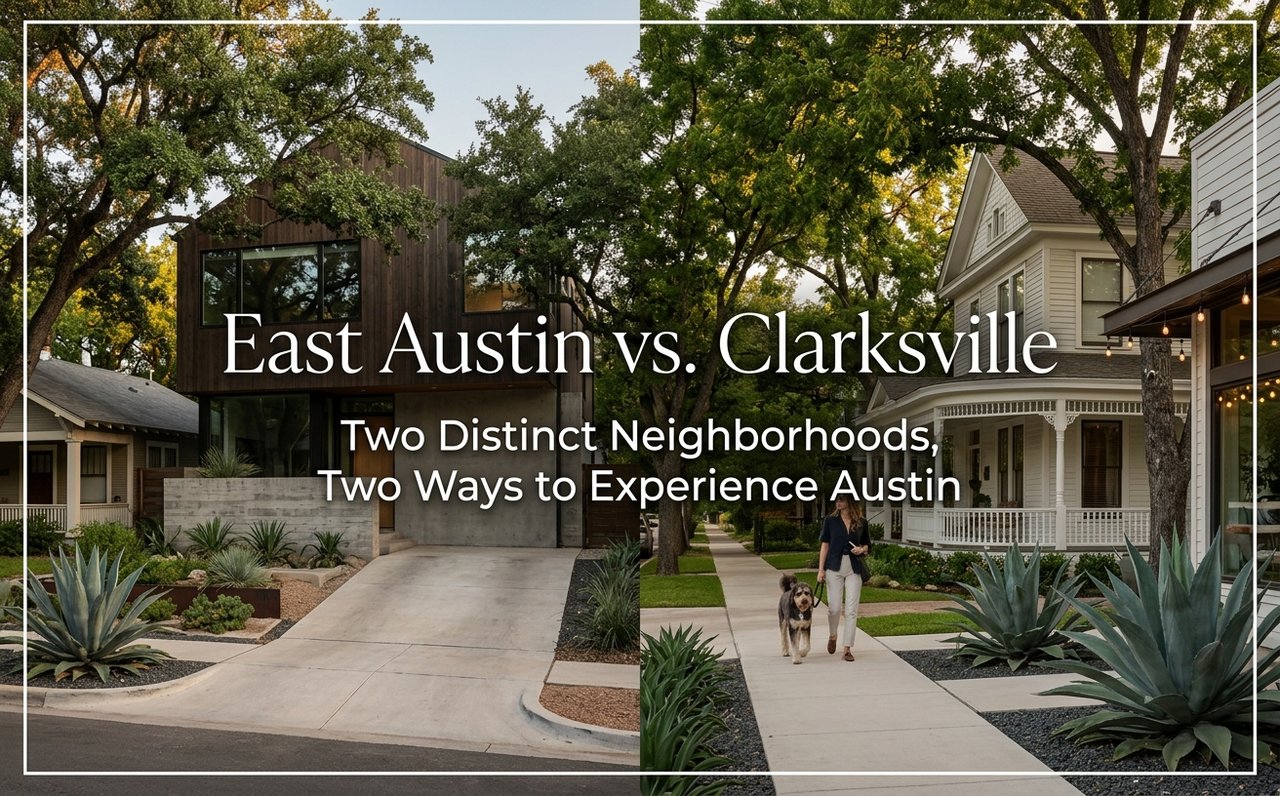
Two Distinct Neighborhoods, Two Ways to Experience Austin
Buyer info
November 12, 2026
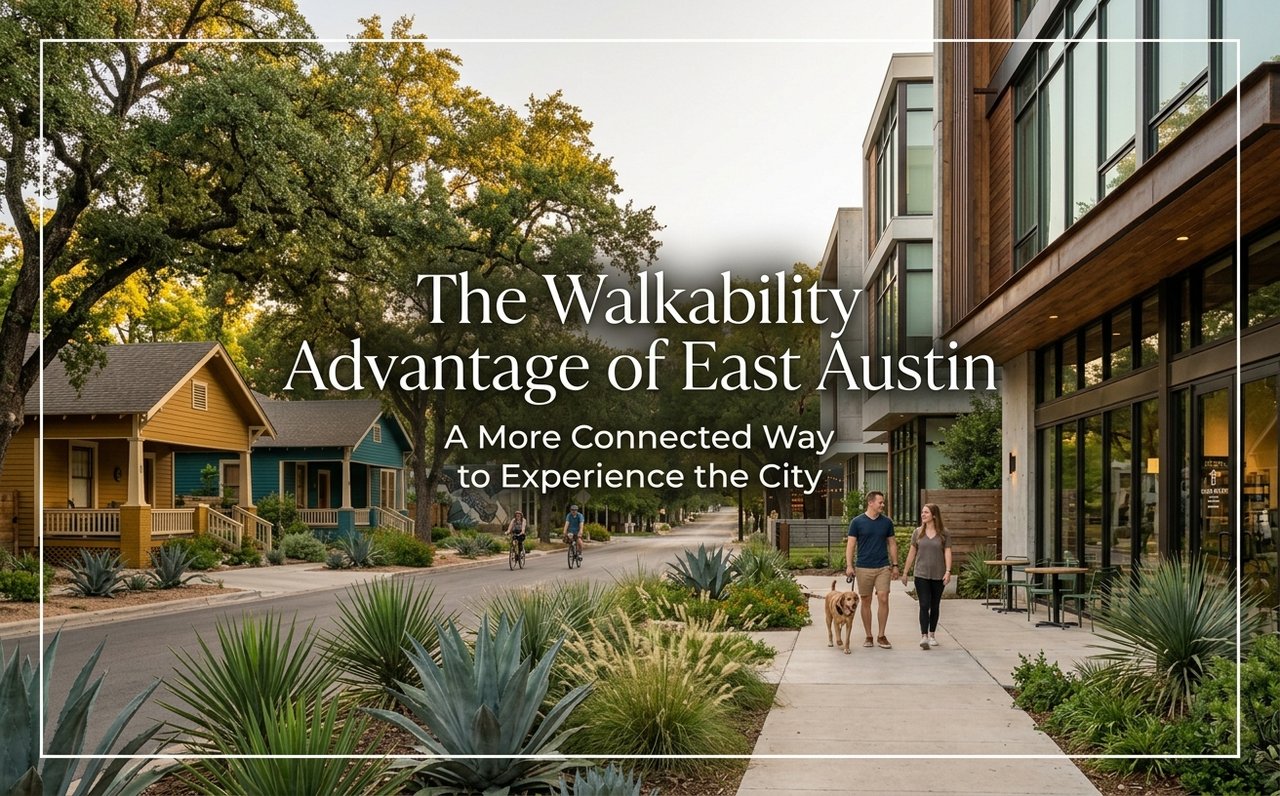
A More Connected Way to Experience the City
Buyer info
November 11, 2026
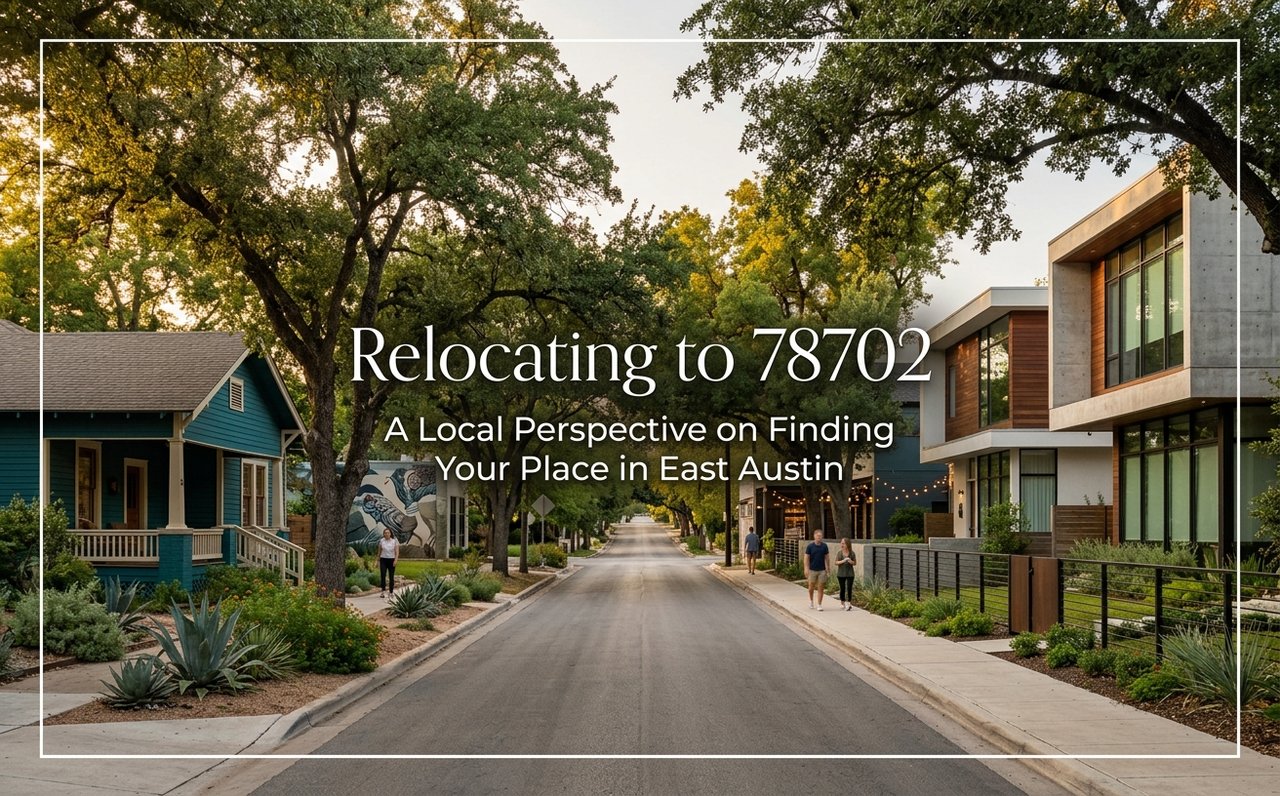
A Local Perspective on Finding Your Place in East Austin
Lifestyle
November 10, 2026
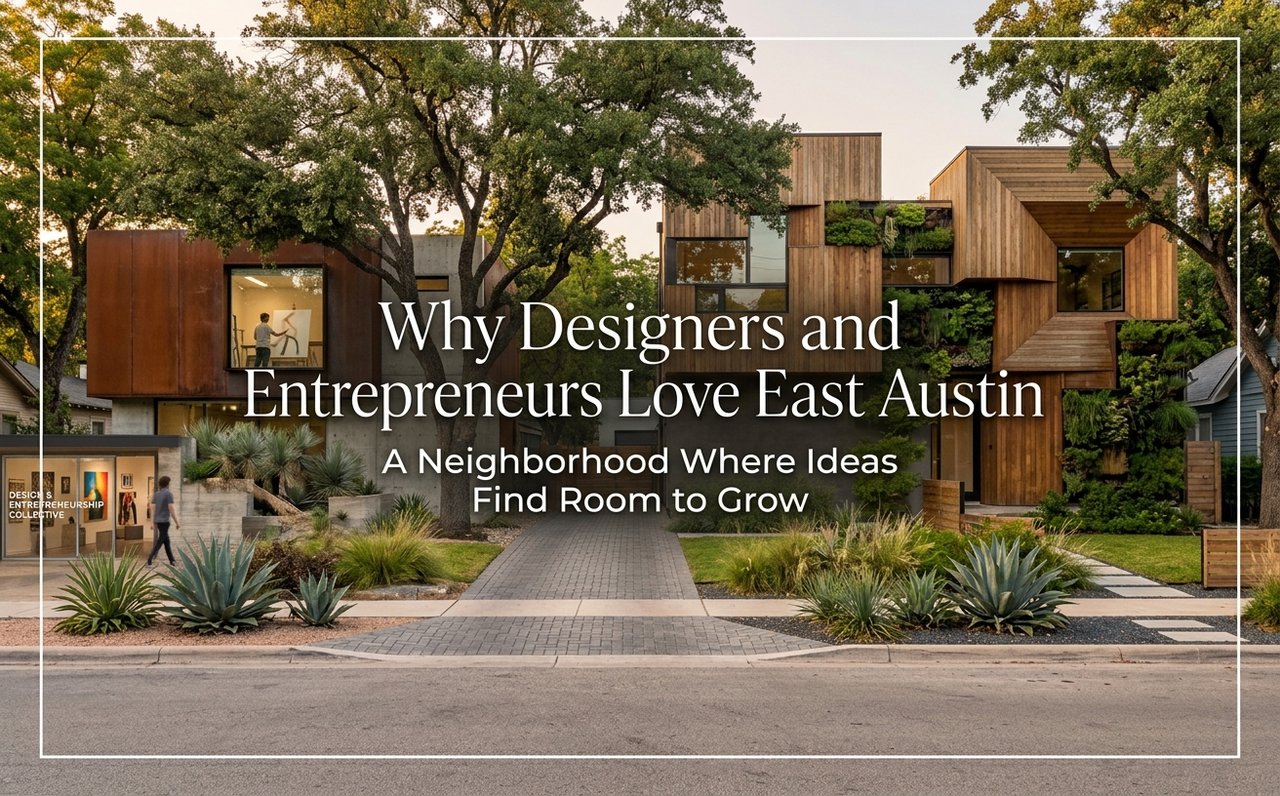
A Neighborhood Where Ideas Find Room to Grow
Art & Culture
November 9, 2026
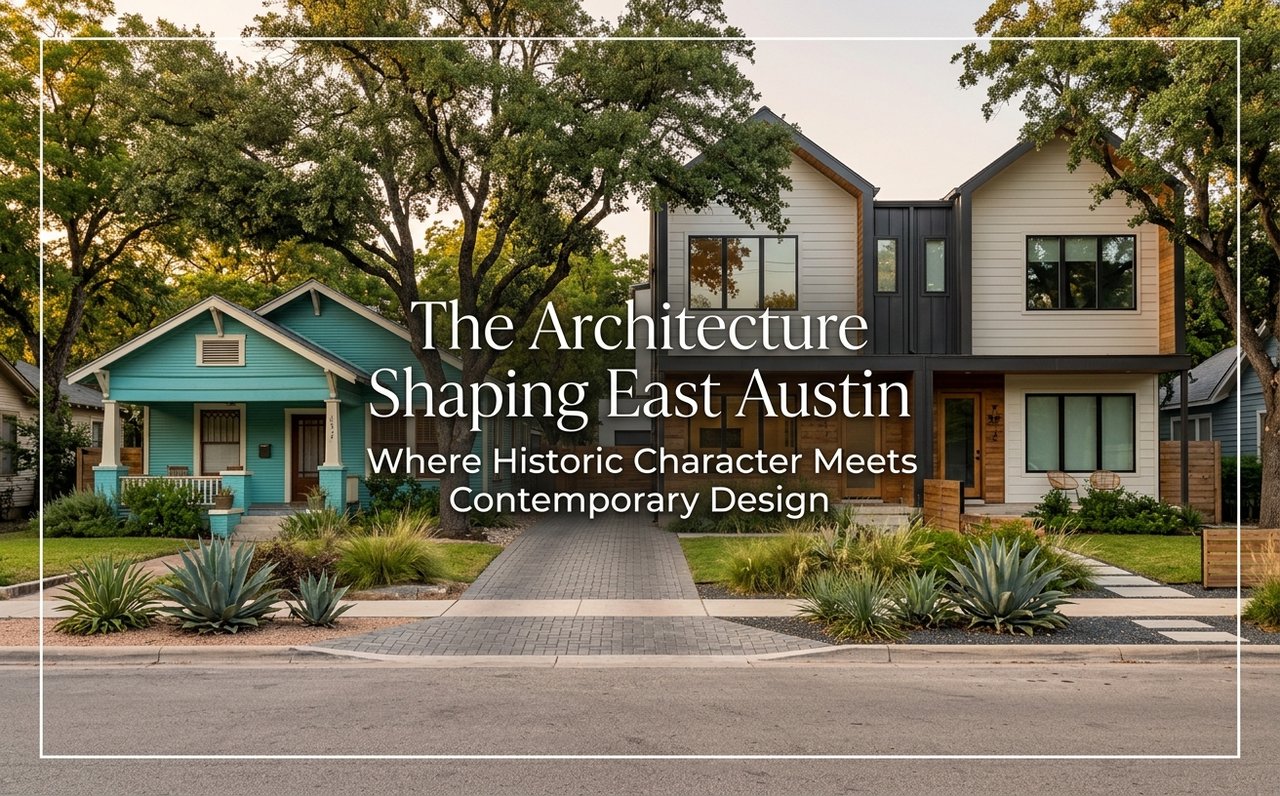
Where Historic Character Meets Contemporary Design
Lifestyle
November 6, 2026
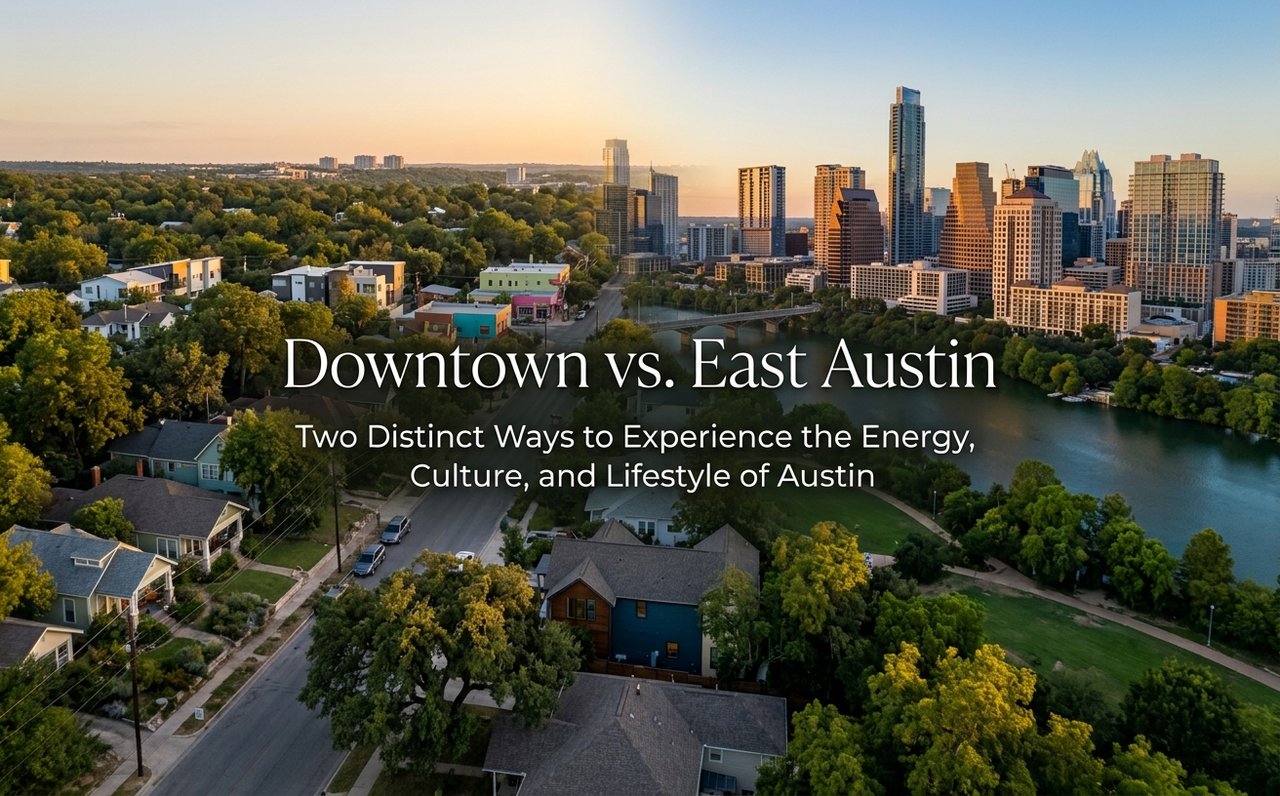
Two Distinct Ways to Experience the Energy, Culture, and Lifestyle of Austin

Buyer info
November 5, 2026
Where Local Heritage, Art, and Everyday Life Shape a Distinctive Austin Experience
Lifestyle
November 4, 2026
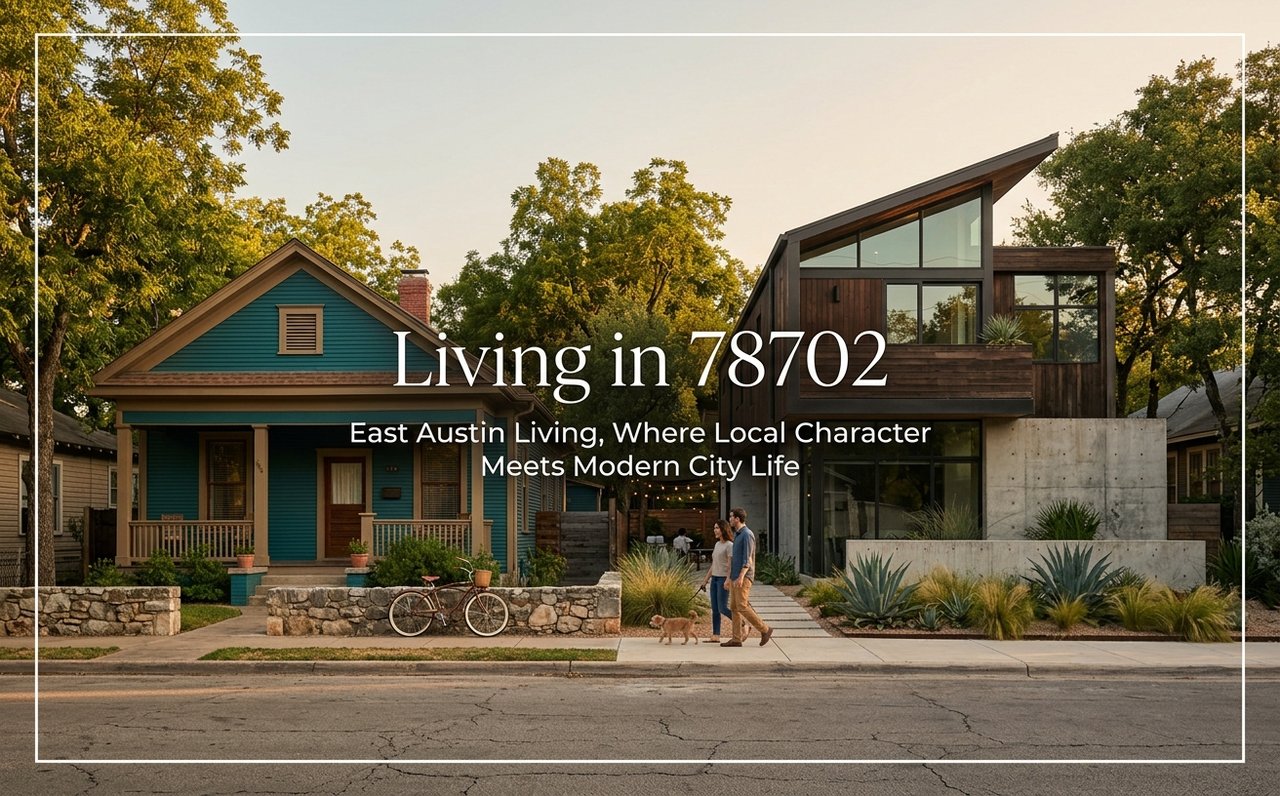
East Austin Living, Where Local Character Meets Modern City Life
Buyer info
November 3, 2026
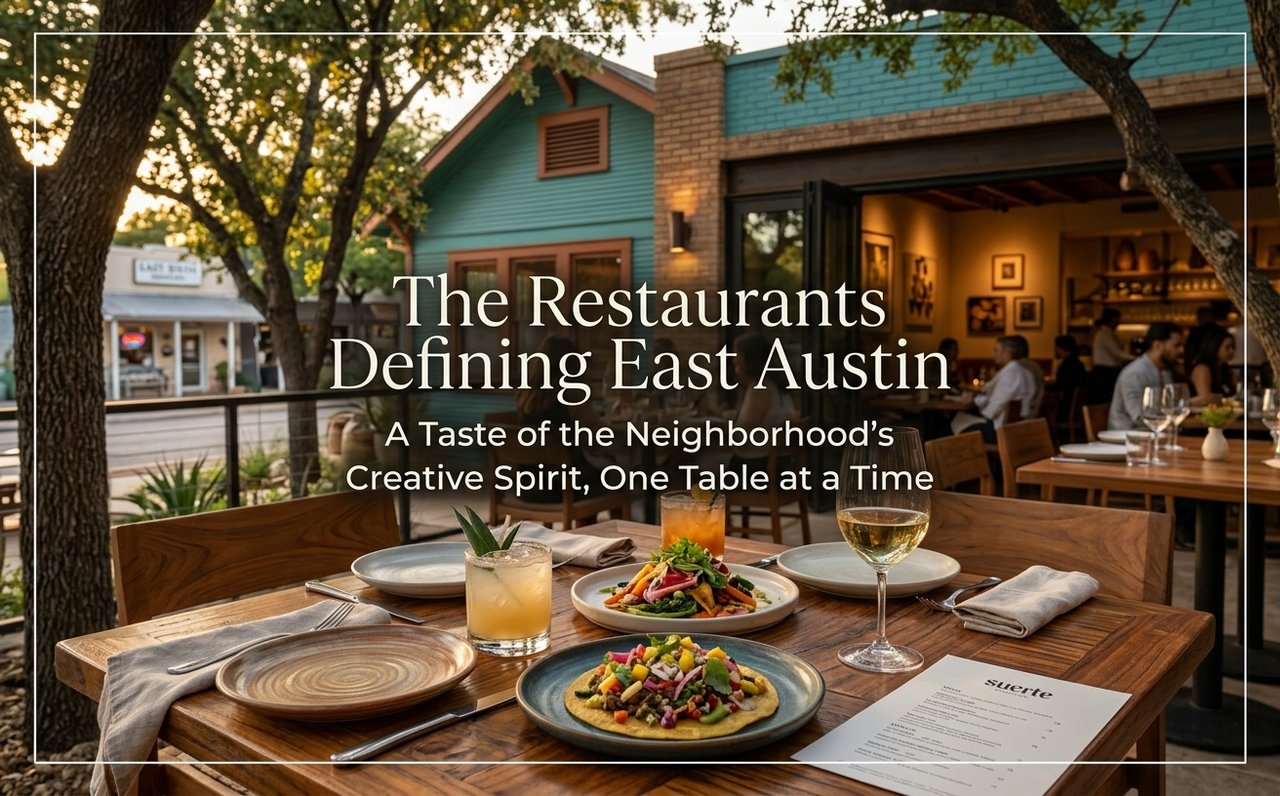
A Taste of the Neighborhood's Creative Spirit, One Table at a Time
Get In Touch With Our Team To Learn More