KHANI ZULU | BROKER ASSOCIATE, MCNE, CLHMS | October 23, 2026
Buyer info
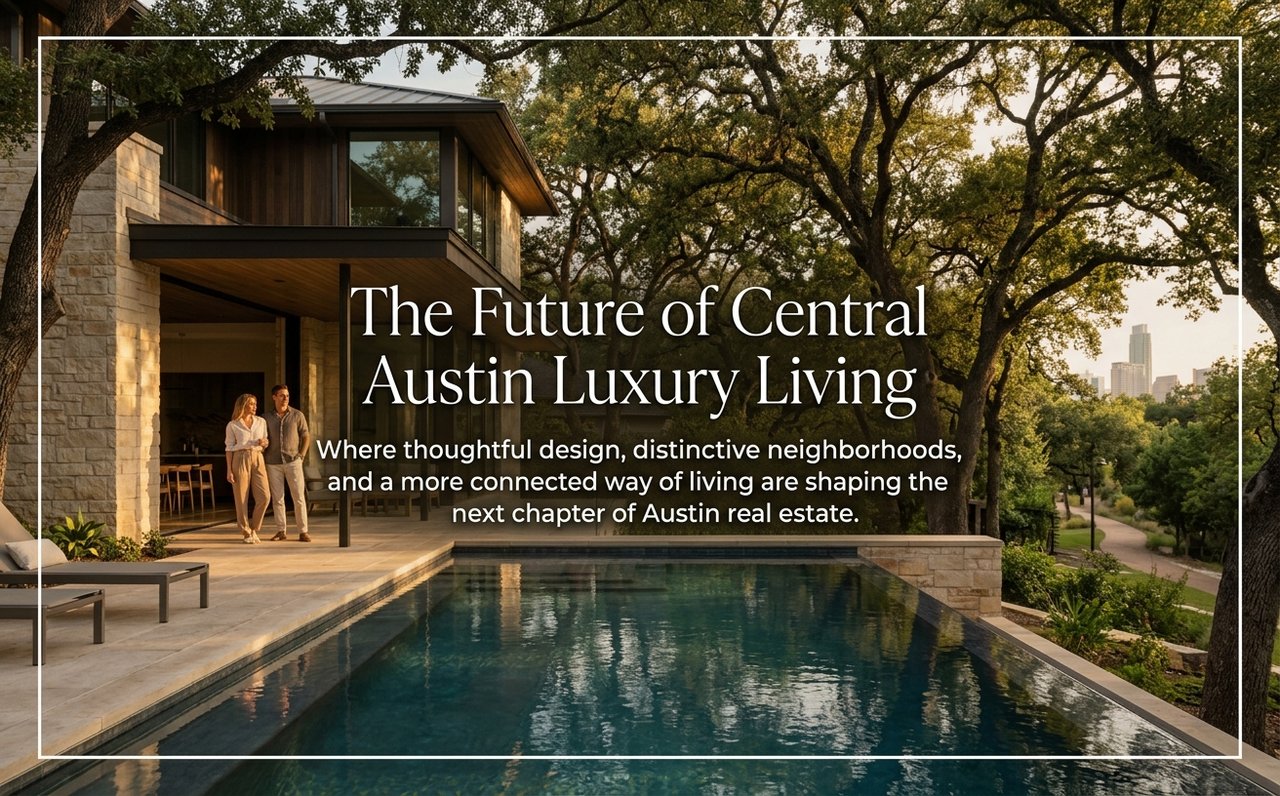
Luxury living is evolving. While expansive interiors, premium finishes, and impressive architecture remain important, the meaning of an exceptional home increasingly extends beyond its physical features. Buyers are considering how a property supports their routines, connects them to their surroundings, and creates a sense of ease in everyday life.
In Central Austin, this shift takes on a distinctive character. Established neighborhoods, contemporary residences, historic homes, and urban living options offer different ways to experience the city. The appeal lies in finding a balance between personal space and connection, architectural identity and modern convenience, and the energy of Austin and the comfort of home.
As the city continues to evolve, Central Austin offers an opportunity to explore what the next generation of luxury real estate might look like. Rather than following a single design trend or lifestyle formula, the future will likely be shaped by a more thoughtful understanding of what makes a property desirable, both today and over time.
In a central neighborhood, location influences far more than a property's address. It shapes how residents spend their mornings, where they meet friends, how they access cultural destinations, and how easily everyday responsibilities fit into their schedules.
For some buyers, luxury means being close to downtown, restaurants, galleries, and Austin's creative scene. Others prioritize access to parks, established residential streets, outdoor recreation, and the quieter atmosphere of a neighborhood with mature trees and a strong sense of place. Central Austin brings these possibilities into close proximity, although the experience varies considerably from one area to another.
Clarksville, Tarrytown, Old West Austin, and the neighborhoods surrounding downtown each offer a different relationship with the city. Some emphasize historic character and residential calm, while others provide a more immediate connection to urban activity. The right choice depends on how a buyer wants to experience Austin rather than simply how close a property appears on a map.
Walkability and access to everyday destinations may continue to influence buyer preferences, particularly among those who value convenience without wanting to sacrifice architectural character or privacy. Still, these qualities should be evaluated at the neighborhood and property level. A central address does not automatically guarantee a walkable lifestyle, and proximity to popular destinations can mean different things to different households.
The future of Central Austin luxury living is therefore not just about being close to everything. It is about choosing a location that makes the right things easier to reach.
As design expectations evolve, the most compelling luxury homes are likely to be those that combine architectural distinction with a genuine understanding of how people live.
Central Austin already offers a broad architectural vocabulary, from historic bungalows and traditional residences to contemporary homes defined by clean lines, expansive glazing, and carefully composed indoor and outdoor spaces. This diversity creates opportunities for different interpretations of luxury, each responding to its setting rather than relying on a universal aesthetic.
Future design will continue to explore the relationship between natural materials, daylight, proportion, and spatial flexibility. Warm wood, stone, textured finishes, and restrained palettes can introduce a sense of permanence, while contemporary detailing and thoughtful lighting bring clarity and refinement to a space.
The most successful designs are not necessarily the most elaborate. They are the ones in which every element feels intentional, from the transition between public and private areas to the placement of windows and the relationship between the kitchen, living spaces, and outdoor areas.
For existing homes, this may mean renovations that preserve original details while improving functionality. In newer construction, it may involve creating a distinctive architectural identity that responds to the neighborhood and its landscape.
As Central Austin continues to accommodate different forms of development, thoughtful design will remain important in determining how new homes contribute to the character of their surroundings.
The way people use their homes has changed, and residential design continues to respond. Work, relaxation, entertaining, and personal interests increasingly coexist within the same environment, creating demand for spaces that can adapt without feeling improvised.
In luxury homes, flexibility does not necessarily mean adding more rooms. It can mean designing spaces that serve multiple purposes while maintaining a clear sense of organization and comfort. A private study can support focused work, a secondary living area can offer separation from the main gathering spaces, and carefully integrated storage can help keep the home visually calm.
Privacy is another important consideration. Buyers may look for layouts that distinguish quieter personal areas from spaces intended for guests, along with acoustic comfort, considered lighting, and outdoor areas that provide a welcome retreat.
Technology can support this flexibility when it is integrated thoughtfully. Lighting controls, climate management, security systems, and connected home features can make daily routines more convenient, but their value depends on reliability, usability, and how naturally they fit into the home.
The future of luxury living is not about filling a property with the latest technology or maximizing the number of amenities. It is about creating an environment that responds to its occupants with minimal friction and leaves room for their needs to change.
Sustainability is becoming an increasingly relevant consideration in residential design, not only as an environmental goal but also as a way to improve the experience of living in a home.
In Austin, where hot summers place significant demands on residential cooling, energy performance can be particularly important. Insulation, efficient windows, appropriate shading, air sealing, and well designed heating and cooling systems can influence indoor comfort and ongoing operating costs.
Natural daylight and carefully positioned outdoor spaces can also contribute to a more comfortable home. Covered patios, shaded gardens, and thoughtful landscaping create opportunities to enjoy outdoor living while responding to the local climate.
For buyers considering newer construction, energy efficient systems and the quality of the building envelope are worth examining alongside visible finishes. For those purchasing an older property, an assessment of existing systems can help identify improvements that may enhance comfort and performance without compromising architectural character.
Water conservation, durable materials, and landscape choices suited to local conditions may also shape future design decisions. The most effective approach is one that considers the property's setting, construction, maintenance requirements, and long term use rather than treating sustainability as a collection of individual features.
A more thoughtful home is not simply one that looks beautiful. It is one that performs well, feels comfortable throughout the seasons, and makes responsible use of its resources.
One of the defining questions for Central Austin is how the city can accommodate change while retaining the qualities that make its established neighborhoods distinctive.
The city's planning framework recognizes the importance of land use, transportation, urban design, public spaces, and historic character in shaping the urban core. Austin's Downtown Plan, for example, envisions a more connected and livable center, with public spaces, cultural destinations, transportation choices, and historic places contributing to the experience of the city. These priorities provide a useful context for understanding the relationship between development and neighborhood identity.
For luxury real estate, that relationship matters. A property's appeal can be influenced by more than its interior design or lot size. Mature trees, established streetscapes, nearby parks, neighborhood businesses, and the scale of surrounding buildings all contribute to the way a location feels.
Future development may introduce new housing options, updated infrastructure, and additional destinations. At the same time, established residential areas will continue to raise important questions about compatibility, privacy, traffic, and the preservation of existing character.
For buyers, understanding these dynamics can provide a more complete picture of a property's setting. Reviewing applicable planning information, zoning, nearby development proposals, and any historic designation can help clarify what is permitted and what changes may be possible in the surrounding area.
The future of Central Austin does not have to be a choice between preserving the past and embracing progress. Thoughtful planning can help the city evolve while respecting the architectural and community qualities that make its neighborhoods meaningful.
Although no single trend will define every property or buyer, several considerations are likely to remain important as expectations evolve.
Design that feels enduring. Buyers may continue to value materials, proportions, and architectural details that remain appealing beyond a particular design cycle. A well considered home can feel contemporary without depending on finishes that quickly become dated.
Privacy within an urban setting. Central locations offer access to the city, but privacy remains a meaningful part of residential comfort. Landscaping, window placement, thoughtful setbacks, and the arrangement of outdoor spaces can all influence how a home feels.
Outdoor living suited to Austin. Courtyards, shaded terraces, gardens, and covered patios can extend the usable living environment. Their success depends on climate responsive design, maintenance requirements, and the relationship between indoor and outdoor areas.
Adaptability over time. Flexible rooms, accessible layouts, and systems that can accommodate changing needs may help a property remain functional through different stages of ownership.
A stronger understanding of property performance. Energy use, maintenance requirements, construction quality, and the condition of major systems deserve attention alongside visual appeal. These factors can influence both daily comfort and the cost of ownership.
These considerations are not guarantees of future demand or appreciation. Rather, they offer a framework for evaluating whether a property is thoughtfully designed for the realities of modern living.
Central Austin's established location and architectural diversity can make its luxury properties appealing to buyers with very different priorities. However, the long term value of an individual home depends on more than its neighborhood reputation or design features.
Location, land characteristics, condition, construction quality, renovation history, and the availability of comparable properties can all influence how a residence is evaluated. A well maintained home with a functional layout may appeal to a different buyer than a property offering an opportunity for extensive renovation or architectural reinvention.
Buyers should also consider ownership costs, including property taxes, insurance, utilities, routine maintenance, and the potential expense of future improvements. In older homes, a professional assessment of structural components and major systems can be particularly valuable. In newer construction, reviewing workmanship, warranties, and the quality of installed systems can provide useful context.
Understanding the surrounding area is equally important. Changes to nearby streets, development patterns, public spaces, and neighborhood amenities may affect how a property is experienced over time. These factors should be investigated through reliable sources rather than assumed from general market narratives.
No one can predict exactly how Central Austin's luxury market will perform in the years ahead. A considered approach focuses instead on the property's individual strengths, the buyer's intended use, and the financial realities of ownership.
The most meaningful long term decision is one that brings together personal priorities and a clear understanding of the property itself.
The future of Central Austin luxury living will not be defined by a single architectural style, a particular amenity, or the latest design trend. It will be shaped by the relationship between homes and the lives unfolding within them.
For some, that future may mean a contemporary residence with carefully integrated technology and a strong connection to outdoor living. For others, it may mean a historic home that preserves its original character while accommodating modern routines. Still others may find their ideal setting in an urban residence that places cultural destinations, dining, and daily conveniences within easier reach.
What connects these possibilities is a more considered approach to luxury. Quality, comfort, location, privacy, and architectural integrity remain important, but their meaning becomes personal when viewed through the lens of everyday life.
As Austin evolves, Central Austin will continue to offer a distinctive range of residential experiences. Understanding those differences can help buyers look beyond immediate impressions and identify properties that reflect both their current priorities and their vision for the future.
Choosing a luxury home is ultimately about finding the right relationship between a property, its surroundings, and the life you want to create. In Central Austin, that decision may involve weighing historic character against contemporary design, urban convenience against privacy, or immediate appeal against long term practicality.
At Khani Zulu, we believe exceptional real estate begins with understanding what makes a property meaningful to the person who will call it home. By looking beyond surface features and considering architecture, neighborhood context, lifestyle, and long term potential, buyers can approach Central Austin's evolving residential landscape with greater clarity.
The future of luxury living is not simply about finding the next exceptional property. It is about finding a home that feels right for the way you want to live.
Stay up to date on the latest real estate trends.

October 31, 2026
Some stories begin with love at first sight. The most beautiful ones are built by choosing each other, year after year.
Buyer info
October 30, 2026
Two Sides of Austin Living, One Important Decision
Lifestyle
October 29, 2026
A New Perspective on Elevated City Living
Buyer Education
October 28, 2026
A closer look at the lifestyle, property considerations, and everyday details that make downtown living a distinctive choice in Austin.
Buyer info
October 27, 2026
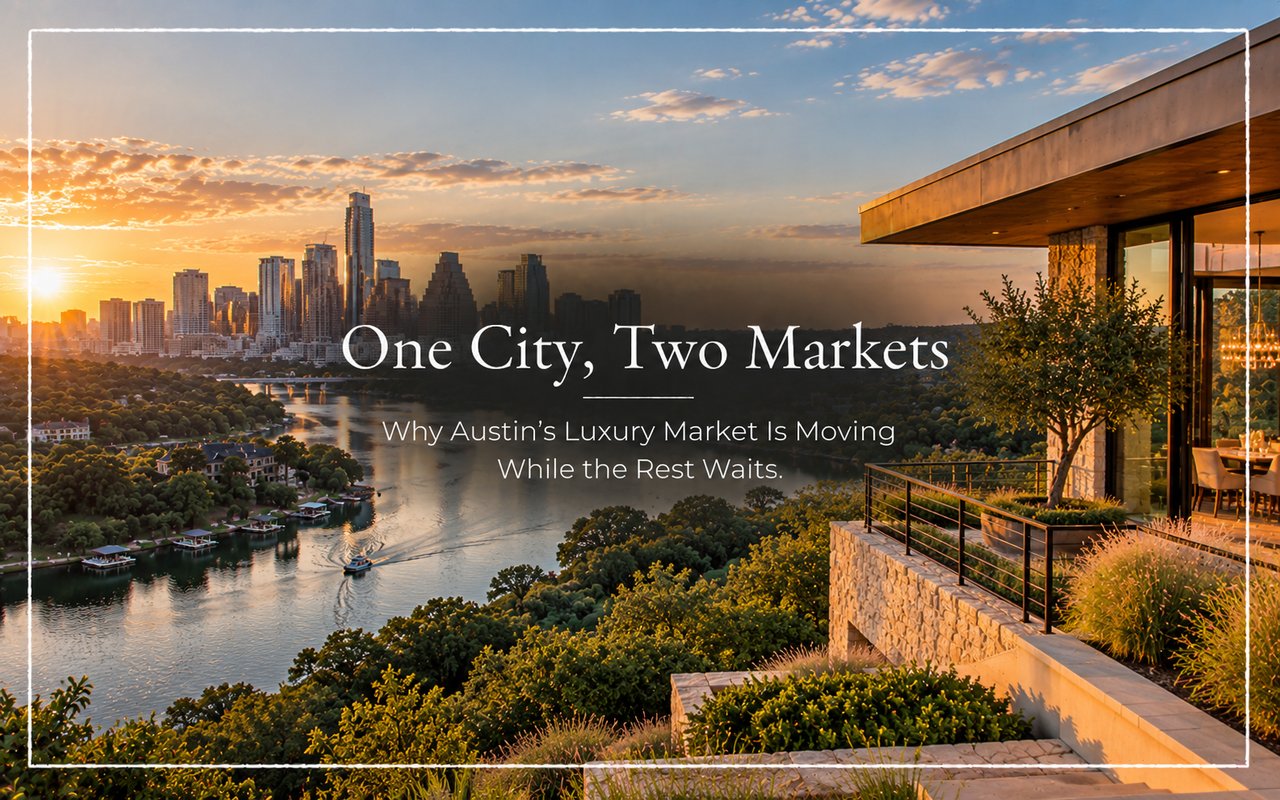
Two very different market realities are shaping the way Austin buyers and sellers should approach their next move.
Buyer info
October 27, 2026
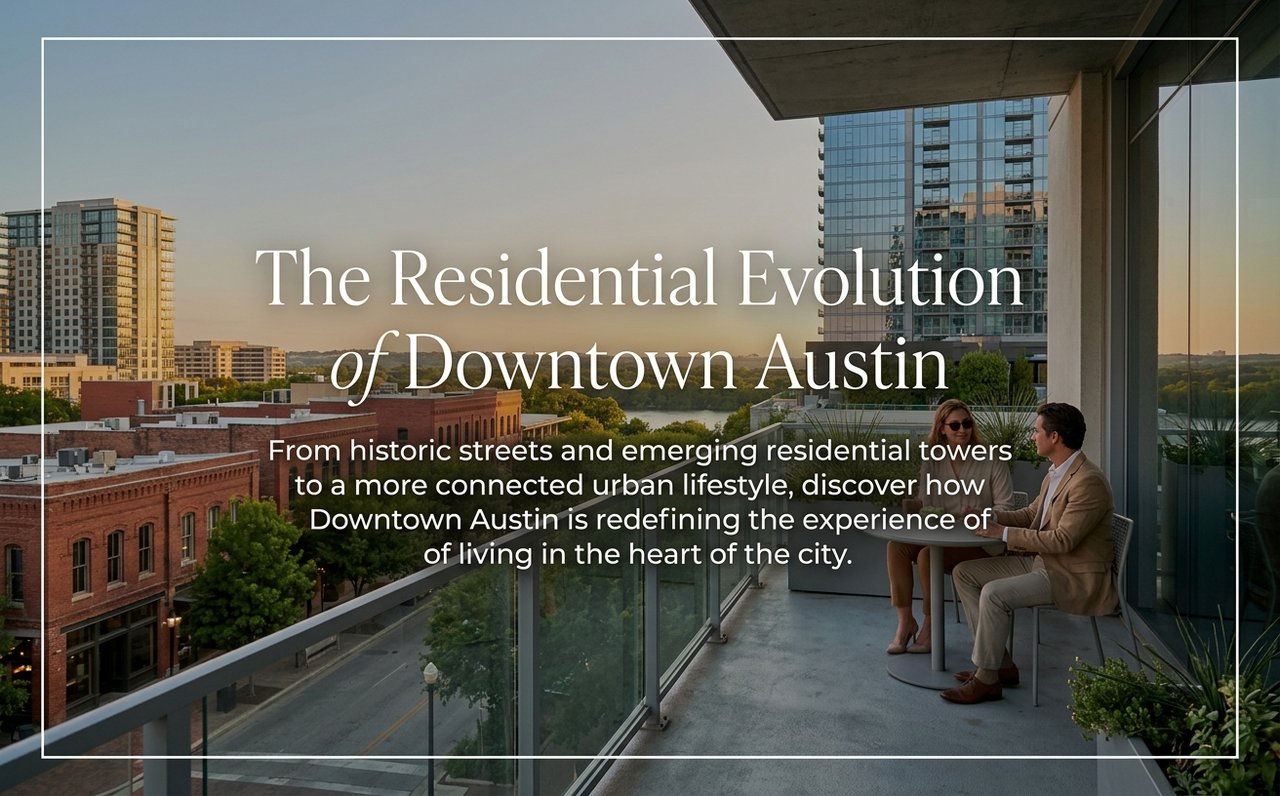
From historic streets and emerging residential towers to a more connected urban lifestyle, discover how Downtown Austin is redefining the experience of living in the h… Read more
Buyer Education
October 26, 2026
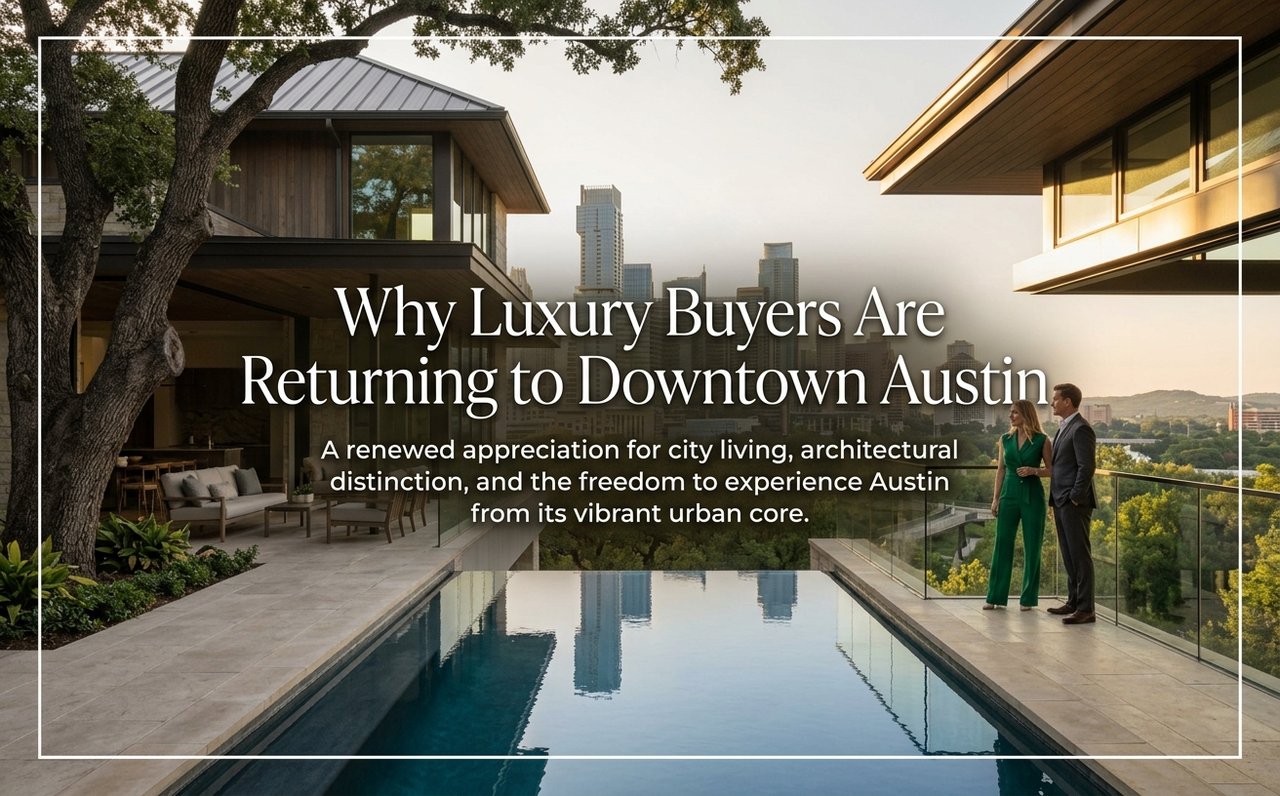
A renewed appreciation for city living, architectural distinction, and the freedom to experience Austin from its vibrant urban core.
Buyer info
October 23, 2026
Where thoughtful design, distinctive neighborhoods, and a more connected way of living are shaping the next chapter of Austin real estate.
Art & Culture
October 22, 2026
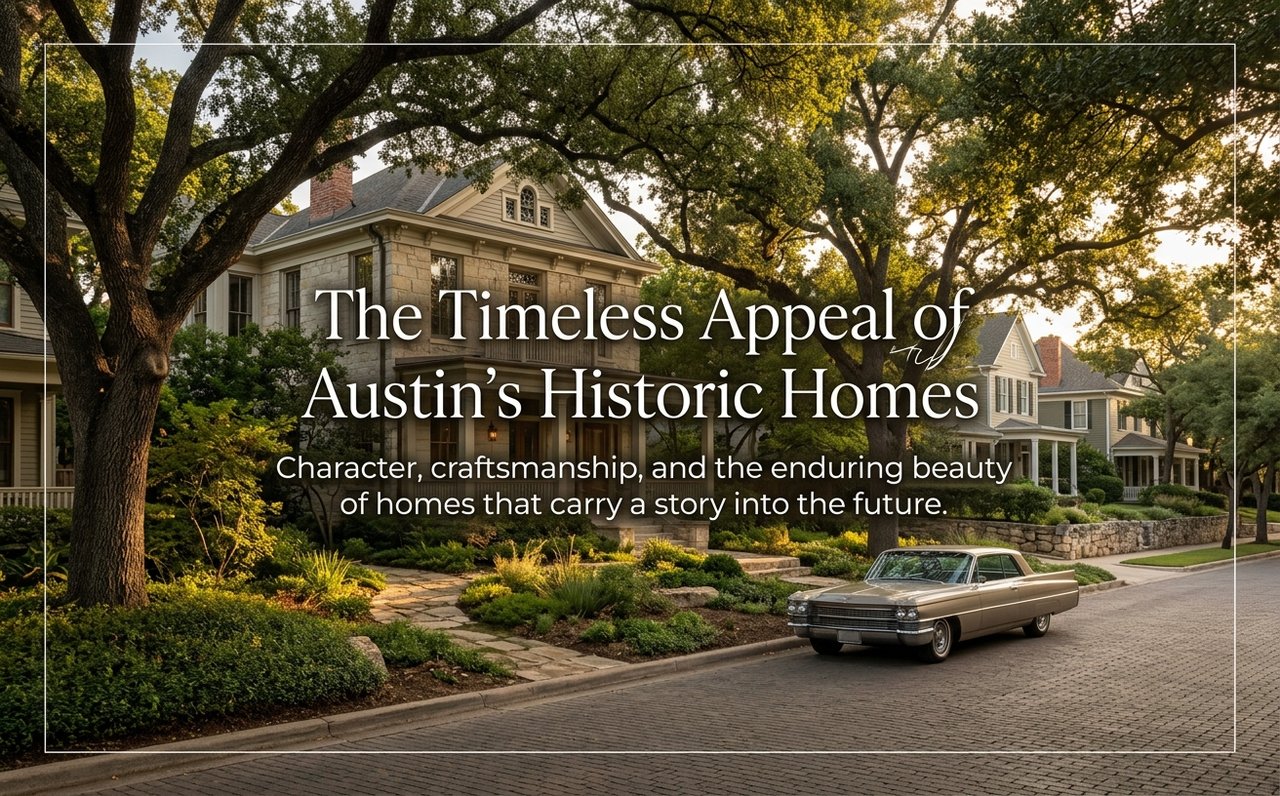
Character, craftsmanship, and the enduring beauty of homes that carry a story into the future.
Get In Touch With Our Team To Learn More