KHANI ZULU | BROKER ASSOCIATE, MCNE, CLHMS | October 8, 2026
Buyer Education
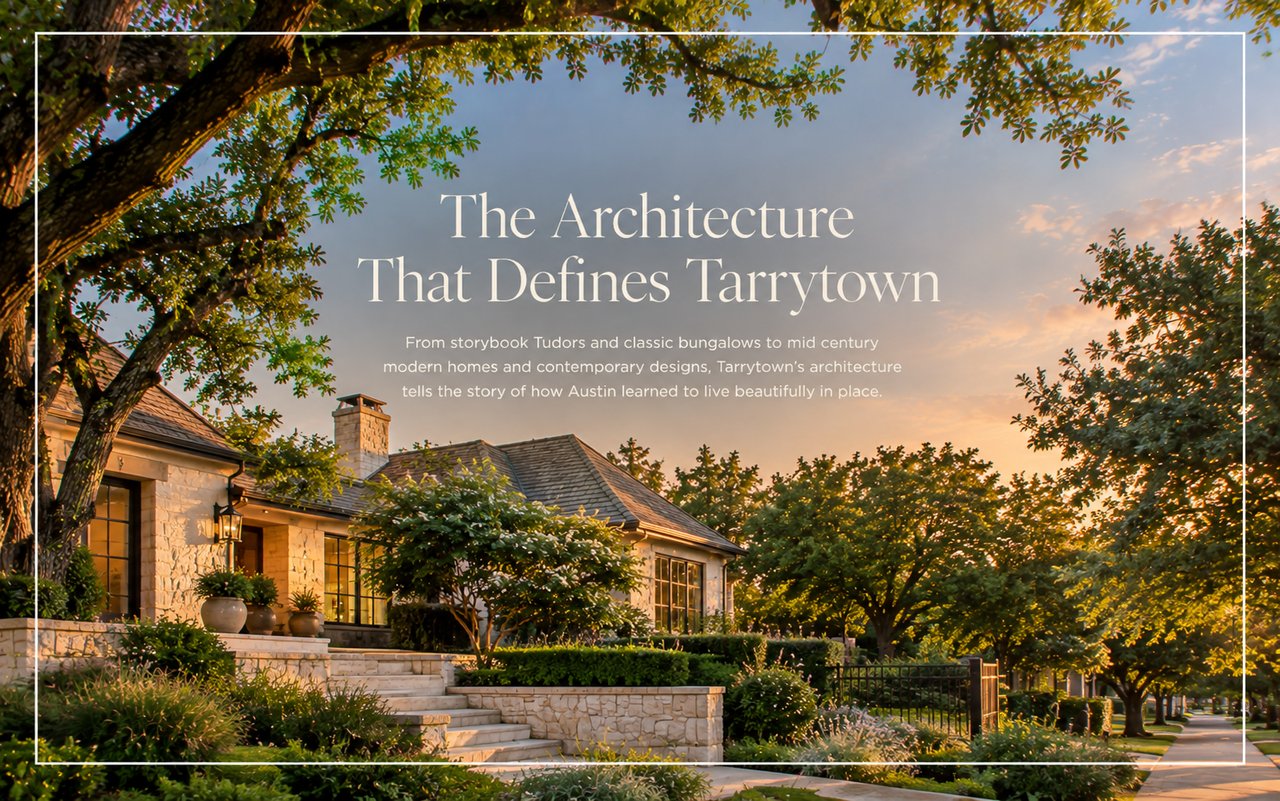
Tarrytown does not have a signature architectural style.
That is precisely what makes it interesting.
Walk through the neighborhood and the architecture changes from one block to the next. A storybook Tudor may sit near a Colonial Revival, a Spanish inspired home, a classic bungalow, a Mid Century Modern residence, or a contemporary custom build surrounded by mature live oaks.
The result feels less like a planned collection of houses and more like a living architectural timeline.
Tarrytown developed gradually through several decades, with its first subdivision phase opening in 1934 and some homes dating earlier. That history helps explain the architectural variety that defines the neighborhood today.
Instead of one architectural language dominating the streetscape, different eras remain visible.
That gives buyers something increasingly rare in newer communities: choice without sacrificing a strong sense of place.
If there is one style most closely associated with classic Tarrytown, it is Tudor Revival.
These homes often feature steeply pitched gables, decorative half timbering, tall narrow windows, masonry chimneys, and asymmetrical facades. The result is romantic and distinctive, with a sense of European influence adapted to Austin's residential landscape.
There is an intimacy to the style that continues to resonate.
Rather than announcing itself through scale alone, a well preserved Tudor creates interest through proportion, texture, craftsmanship, and detail.
Colonial Revival homes offer a completely different expression.
Symmetry, balanced proportions, centered entrances, traditional windows, brick, and restrained detailing create a more formal architectural language. In Tarrytown, these homes contribute another layer of permanence to the streetscape.
They are often the kind of homes that feel timeless without trying to be dramatic.
And that is part of their appeal.
Spanish Colonial Revival and Mediterranean influenced homes introduce another architectural vocabulary to Tarrytown.
Stucco, clay tile, arches, heavy wood doors, wrought iron, and shaded outdoor spaces create homes that feel naturally suited to Central Texas. Many of these designs emphasize courtyards and protected gardens, bringing outdoor living into the architecture itself.
That relationship between architecture and climate remains relevant today.
The best homes do not simply look beautiful from the street. They understand how light, shade, landscape, and outdoor living should shape the experience of the interior.
Some of Tarrytown's earlier homes are more modest in scale.
Craftsman bungalows and period cottages bring deep porches, low rooflines, exposed structural details, and an emphasis on craftsmanship to the neighborhood. Some predate the main wave of Tarrytown development and remain important pieces of its architectural story.
Their appeal is different from that of a large estate.
It is about proportion, character, and the feeling of coming home.
By the 1950s and 1960s, another architectural philosophy began appearing throughout Tarrytown.
Mid Century Modern homes turned away from historical references and toward the landscape itself.
Clean horizontal lines, generous glazing, simple forms, patios, terraces, and stronger connections between interior and exterior spaces created a distinctly different way of living. Mature trees became part of the composition rather than simply something outside the windows.
That connection feels particularly relevant in Austin today.
Natural light, indoor outdoor living, privacy, and architecture that responds to its site remain central to contemporary luxury design.
Tarrytown continues to evolve.
Contemporary homes have become part of the neighborhood's architectural mix, often using expansive glass, natural stone, warm wood, steel, concrete, and carefully considered landscaping. Larger lots and mature trees create opportunities for new architecture while also demanding sensitivity to the existing setting.
This is where Tarrytown becomes especially interesting for today's luxury buyer.
Modern architecture does not necessarily erase the neighborhood's history.
It becomes another chapter.
Architecture in Tarrytown cannot really be separated from the landscape.
Mature live oaks, established gardens, deep lots, and the natural character of the neighborhood frame the homes and soften the transitions between architectural eras. Local planning materials describe Tarrytown as an eclectic mix of primarily one and two story residences, shaped by both traditional grid streets and winding residential patterns.
That setting gives even very different homes a common visual language.
The architecture changes.
The landscape ties it together.
For buyers, architectural style is rarely just about aesthetics.
It can influence how a home lives, how much renovation may be appropriate, how natural light moves through the spaces, how the property relates to its lot, and whether the existing architecture should be preserved, expanded, or completely reimagined.
That is why two homes with similar square footage can feel completely different.
One may offer original character that cannot easily be recreated.
Another may offer a contemporary floor plan designed around today's lifestyle.
Neither is automatically better.
The question is whether the architecture fits the way you want to live.
Perhaps the most compelling thing about Tarrytown's architecture is that it has never been frozen in one moment.
Tudor Revival homes remain part of its identity. Bungalows and traditional residences preserve earlier chapters. Mid Century Modern homes bring a distinctly Austin sense of place. Contemporary construction continues to introduce new ideas.
Together, they create something more sophisticated than uniformity.
Tarrytown's architecture tells a story of Austin itself: where history, landscape, individuality, and modern design continue to coexist.
And for buyers who appreciate architecture, that may be one of the neighborhood's greatest luxuries.
Stay up to date on the latest real estate trends.
Lifestyle
November 13, 2026
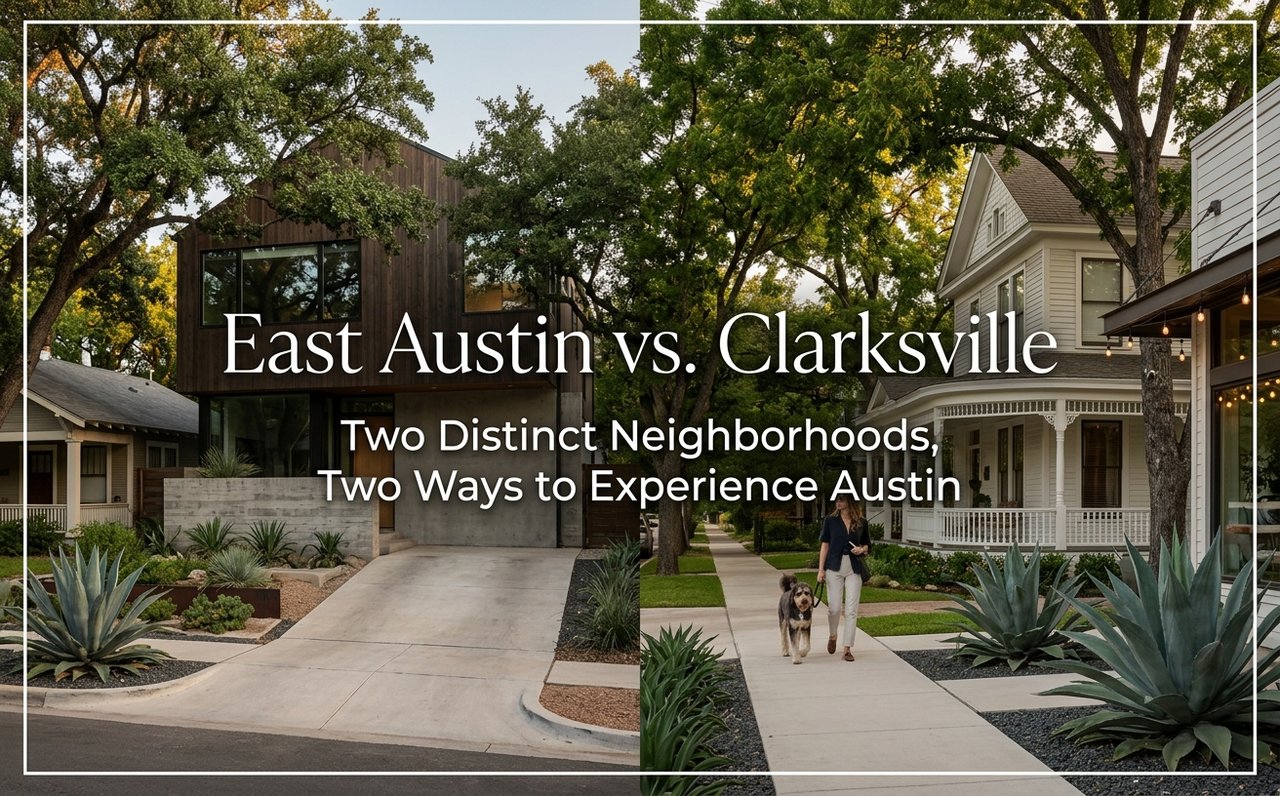
Two Distinct Neighborhoods, Two Ways to Experience Austin
Buyer info
November 12, 2026
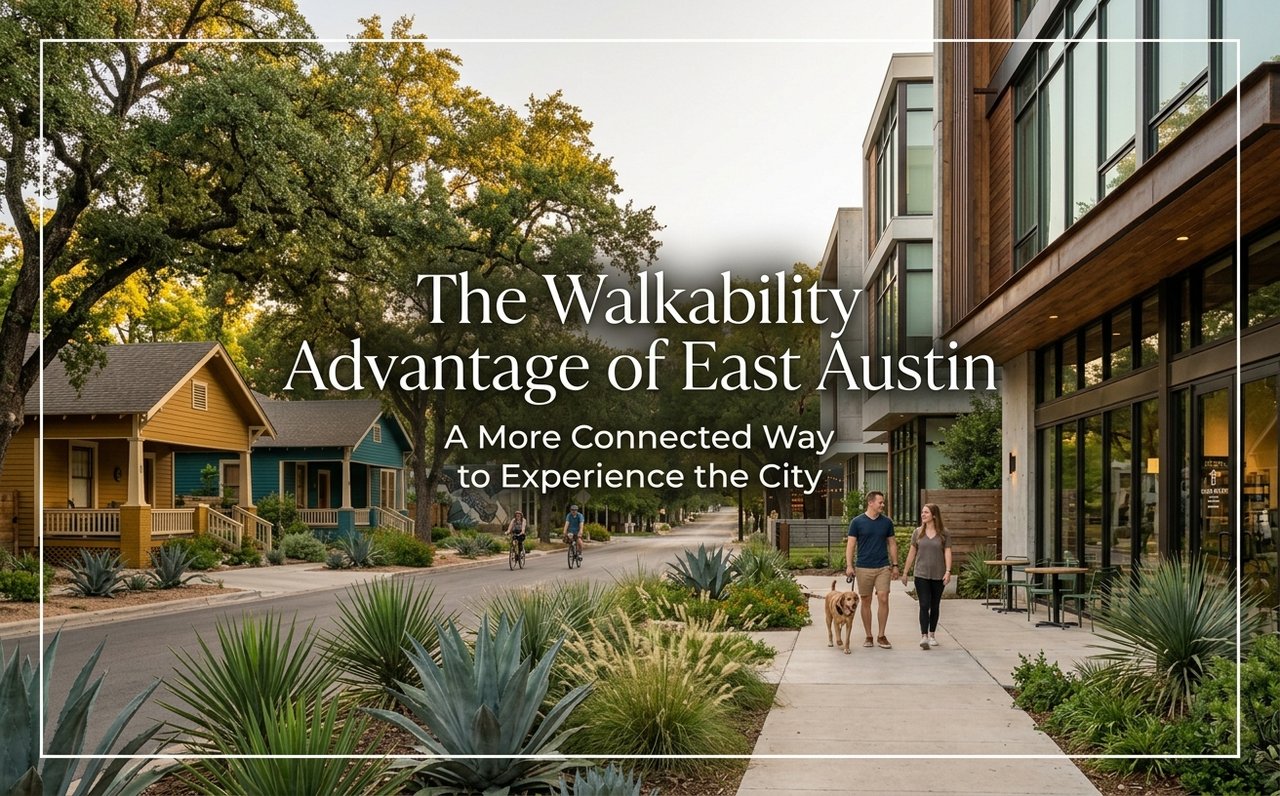
A More Connected Way to Experience the City
Buyer info
November 11, 2026
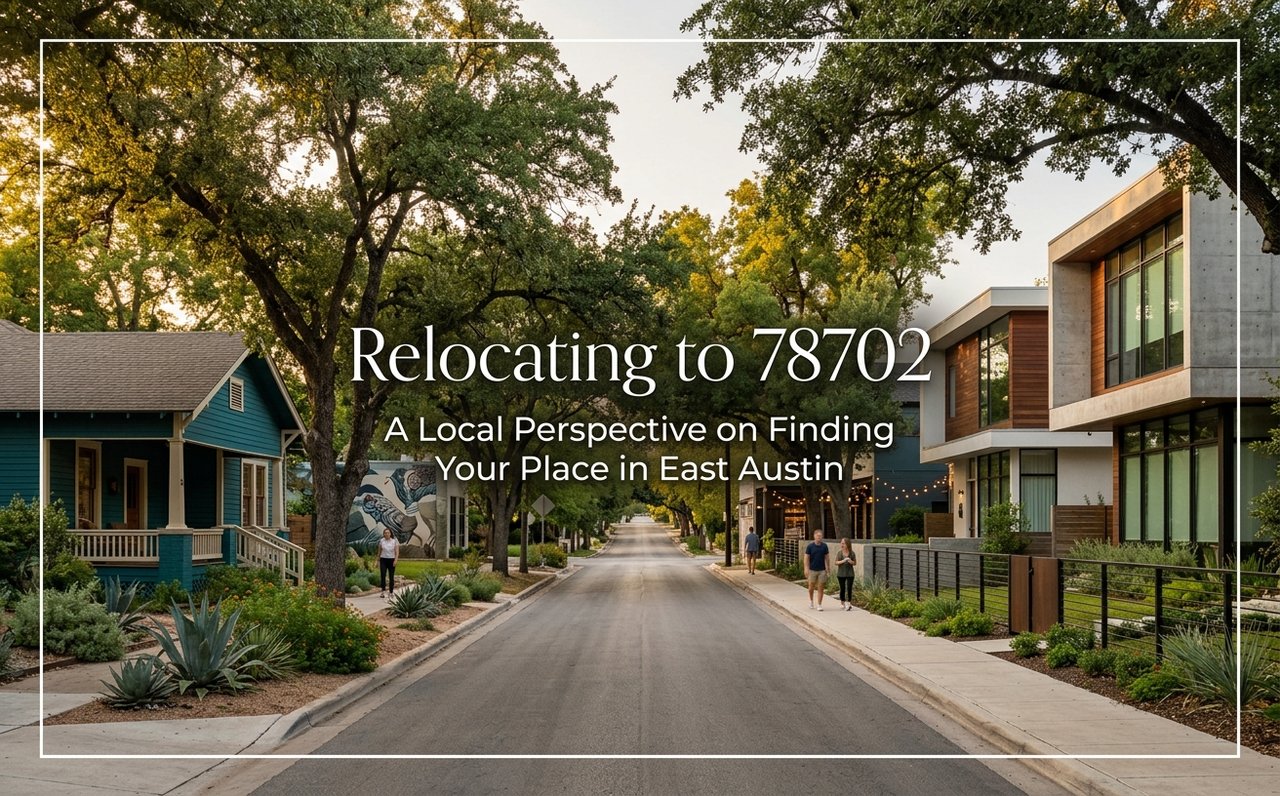
A Local Perspective on Finding Your Place in East Austin
Lifestyle
November 10, 2026
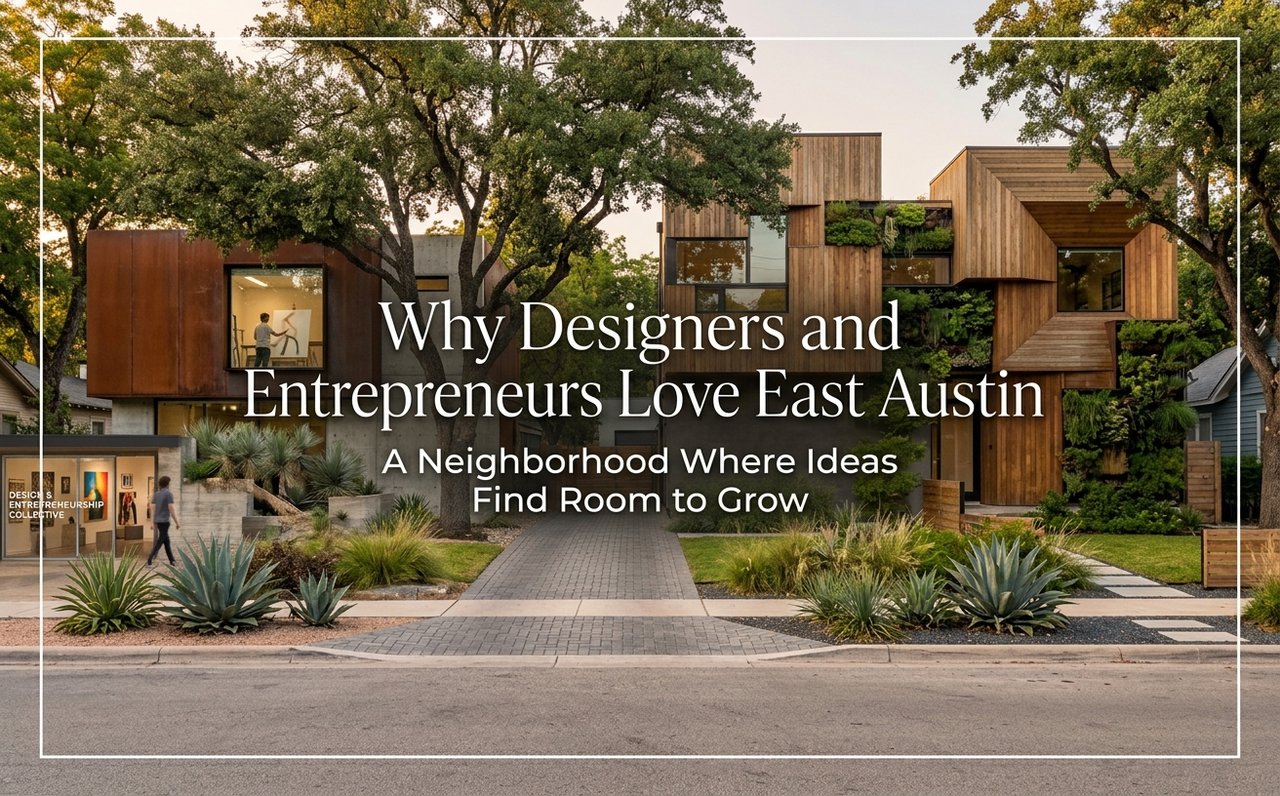
A Neighborhood Where Ideas Find Room to Grow
Art & Culture
November 9, 2026
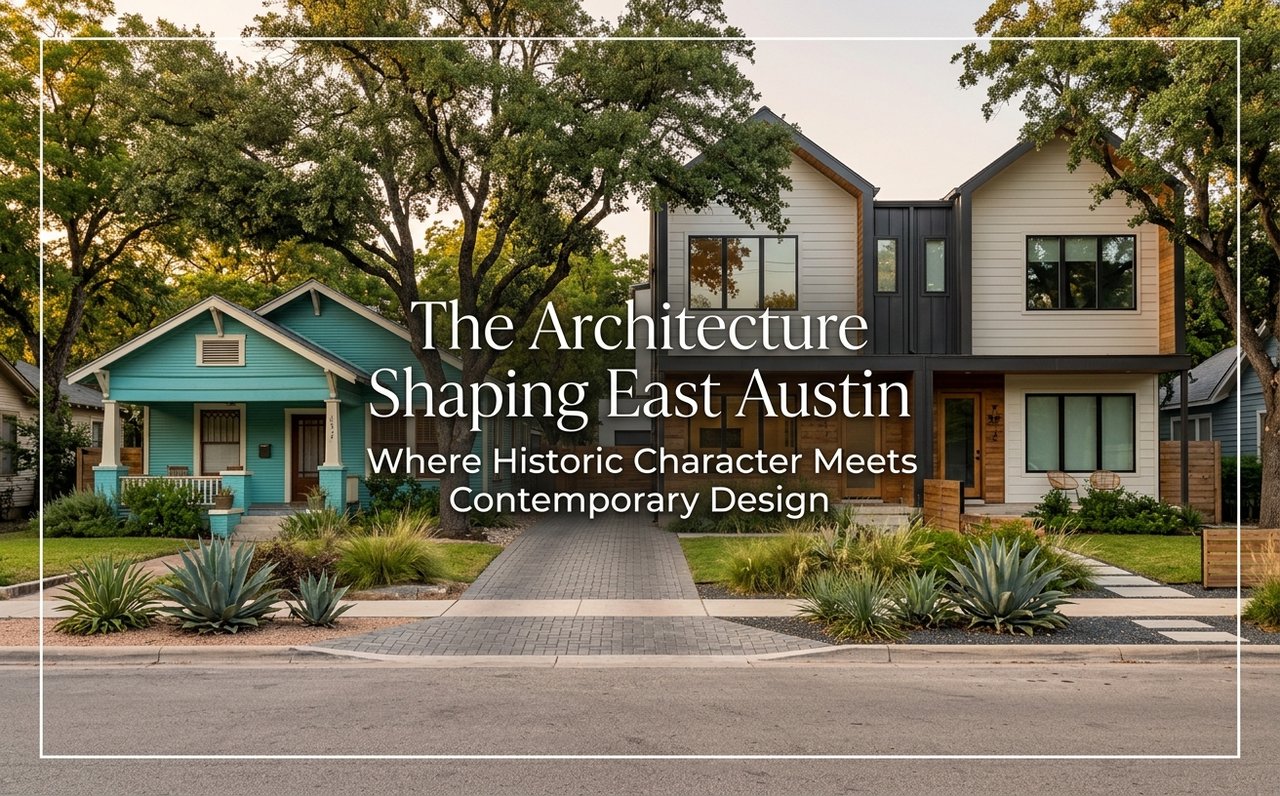
Where Historic Character Meets Contemporary Design
Lifestyle
November 6, 2026
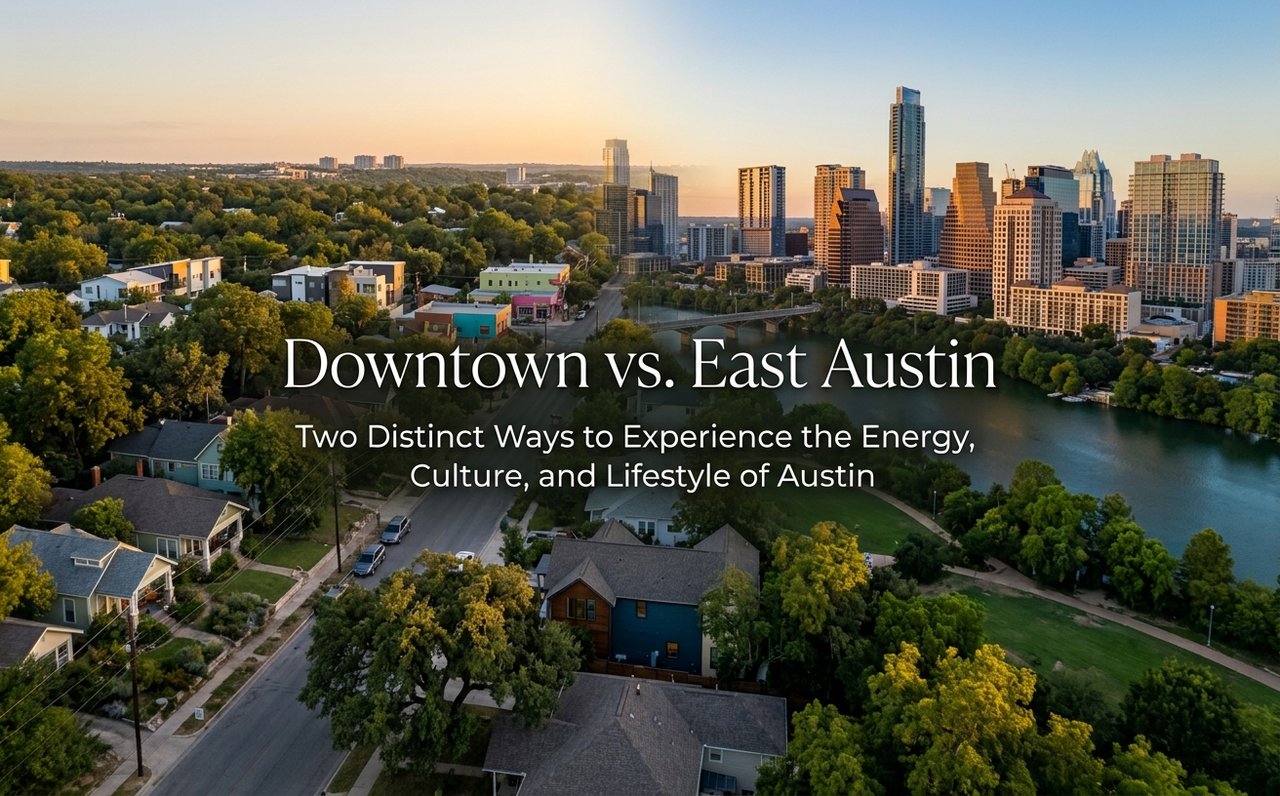
Two Distinct Ways to Experience the Energy, Culture, and Lifestyle of Austin

Buyer info
November 5, 2026
Where Local Heritage, Art, and Everyday Life Shape a Distinctive Austin Experience
Lifestyle
November 4, 2026
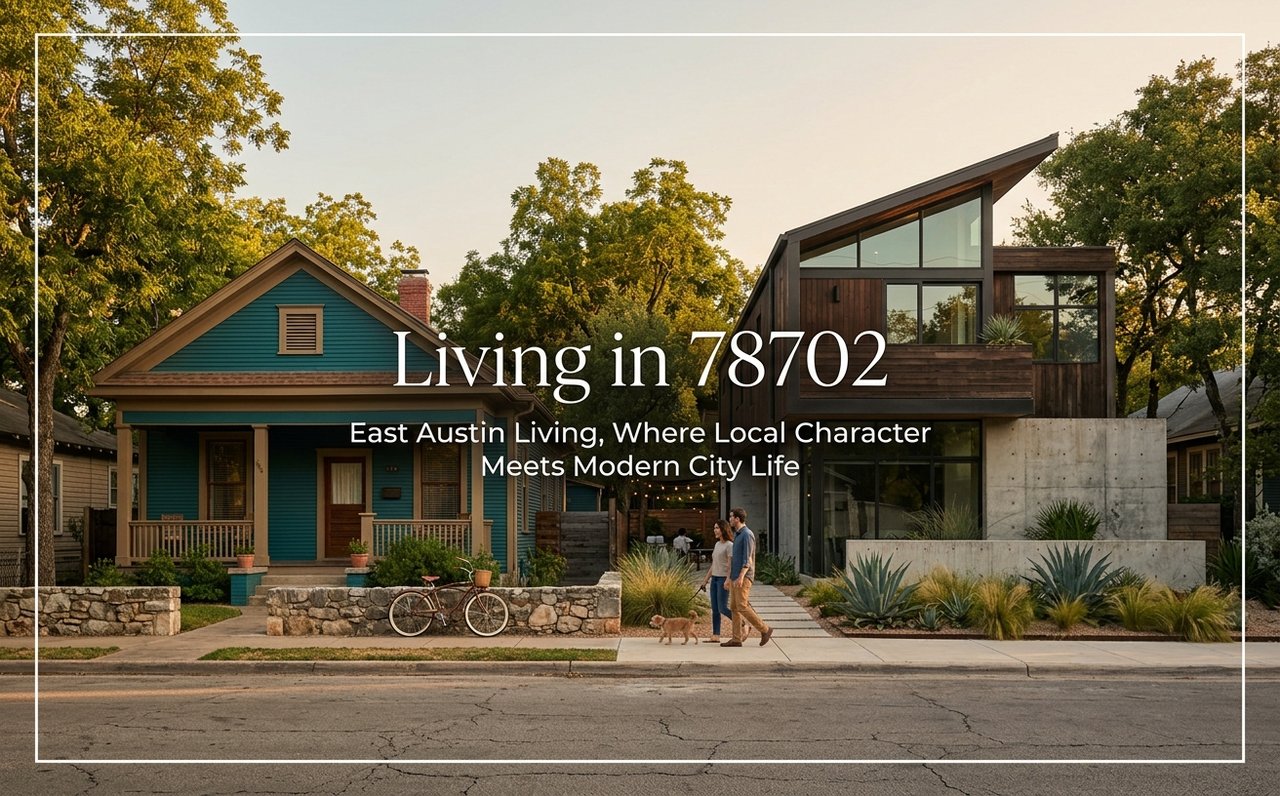
East Austin Living, Where Local Character Meets Modern City Life
Buyer info
November 3, 2026
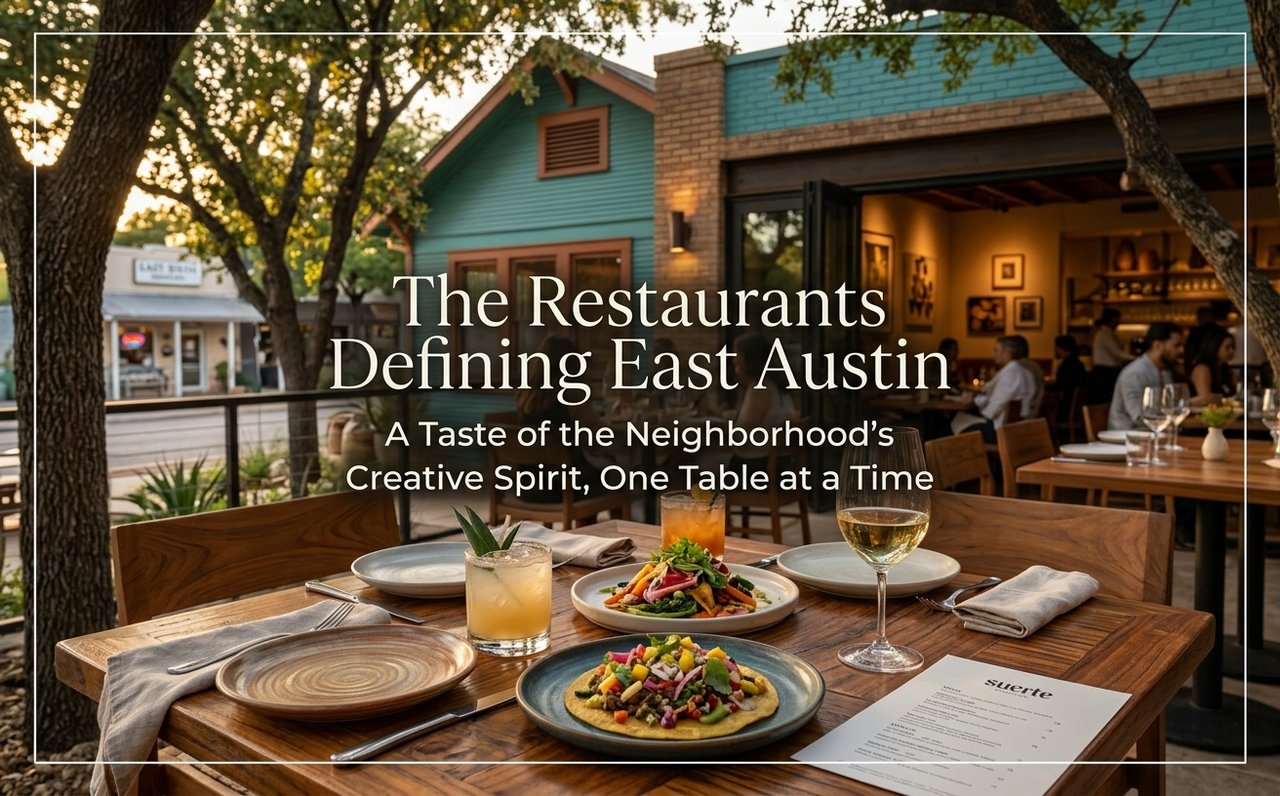
A Taste of the Neighborhood's Creative Spirit, One Table at a Time
Get In Touch With Our Team To Learn More