KHANI ZULU | BROKER ASSOCIATE, MCNE, CLHMS | September 21, 2026
Buyer info
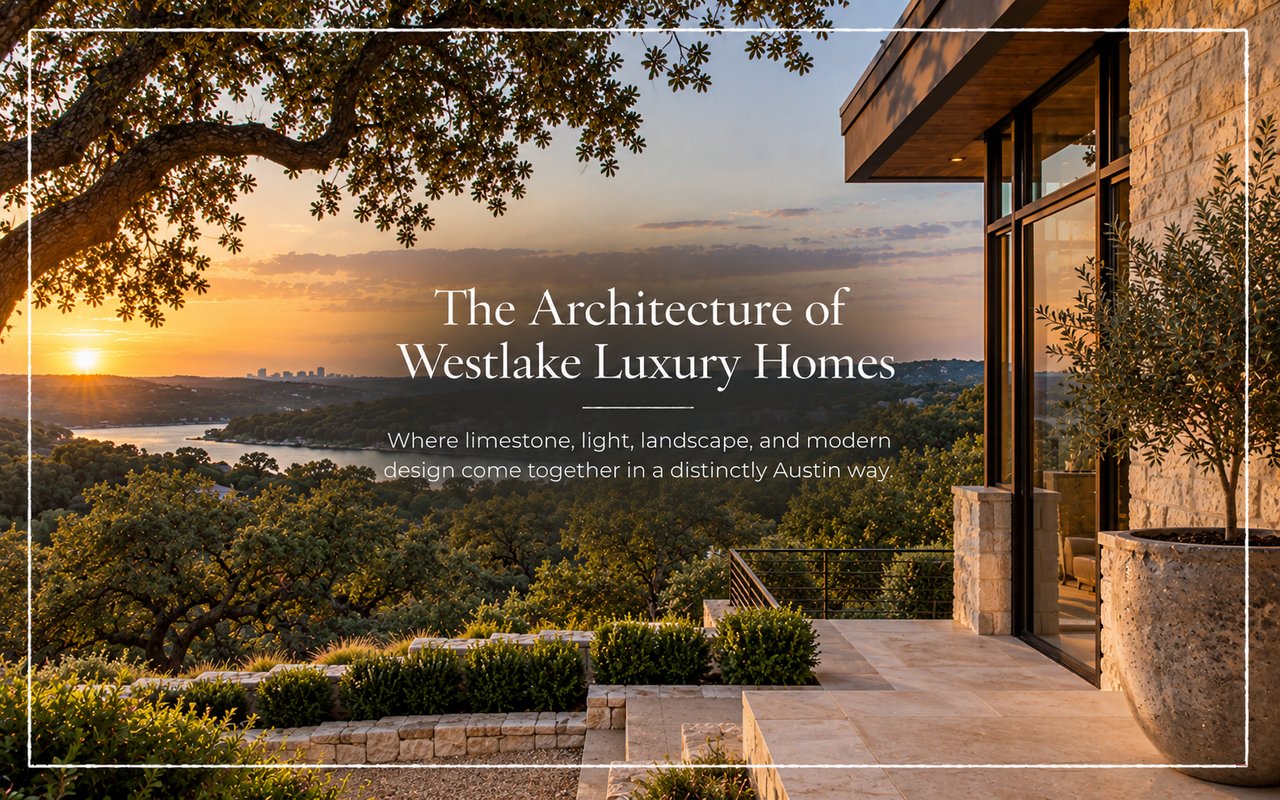
There is a certain feeling you get when driving through Westlake.
The roads curve with the landscape. Limestone walls appear between mature trees. A modern home may sit quietly behind a grove of oaks, while a more traditional estate feels as though it has been part of the neighborhood for decades.
This is part of what makes Westlake architecture so interesting.
Luxury here is not defined by one architectural style. It is defined by how a home responds to its setting, and how thoughtfully architecture, land, light, and privacy come together.
Westlake sits among the limestone hills west of the river, where larger lots, mature trees, natural elevation changes, and views toward Lake Austin or the surrounding canyon shape the character of the neighborhood.
That topography has a major influence on the homes.
A house rarely feels completely separate from its surroundings. Instead, the architecture often works with the slope, the trees, the natural stone, and the views.
In the best examples, the landscape is not decoration.
It is part of the architecture.
Walk through Westlake and you begin to notice that there is no single definition of a luxury home.
The classic Westlake estate might feature generous proportions, limestone, mature landscaping, a pool, and spaces designed for both family life and entertaining. Other properties have been thoughtfully reimagined, preserving the character of an older home while introducing a more contemporary way of living.
Newer construction has brought another layer to the neighborhood. Modern homes near Bee Cave Road increasingly combine cleaner architectural lines with natural materials that feel connected to the landscape.
The result is not a neighborhood where everything looks the same.
It is a neighborhood where different generations of architecture can coexist.
Austin's light is part of the experience.
Morning light through mature oak trees feels completely different from the warm glow that reaches a limestone wall in the late afternoon. On Westlake's hills, orientation can make an especially noticeable difference in how a home feels throughout the day.
That is why two houses with similar square footage and similar finishes can feel entirely different.
The relationship between the windows, the trees, the elevation, and the surrounding views becomes part of the home's character.
For buyers, this is one of those details that is difficult to understand from photographs alone.
There is a reason natural materials continue to feel so appropriate in Westlake.
Limestone connects the architecture to the Texas landscape. Wood introduces warmth. Stone walls create privacy without feeling overly formal. Glass can bring the surrounding trees and sky into the interior.
The most successful homes tend to balance these elements rather than relying on one material or one dramatic architectural gesture.
That balance is part of what gives Westlake its quieter expression of luxury.
One of the more interesting shifts in Westlake architecture is the way contemporary design has adapted to the Austin environment.
Clean lines and expansive glass can easily feel disconnected from a Hill Country setting. In Westlake, however, modern architecture often becomes warmer when paired with natural stone, wood, mature landscaping, and carefully considered outdoor spaces.
The result can feel sophisticated without feeling sterile.
It is less about creating a statement house and more about creating a home that feels intentional from every angle.
In Westlake, the architecture is only half of the story.
The lot itself can determine what is possible.
Elevation, orientation, privacy, mature trees, driveway approach, views, and the relationship between the house and the surrounding landscape all influence the experience of a property. The existing KZG neighborhood guide notes that morning and evening light, view lines, and the character of individual Westlake enclaves can vary significantly from one property to another.
This is one reason buyers should resist comparing Westlake homes purely by size or bedroom count.
A home is not just the structure. It is the relationship between the structure and the land.
The most compelling Westlake homes tend to make everyday life feel considered.
A kitchen opens naturally toward the garden. A living room frames the trees rather than competing with them. Outdoor spaces become extensions of the interior. A pool feels positioned within the landscape instead of simply placed behind the house.
These details may not appear on a specification sheet.
But they are often the details people remember.
When evaluating architecture in Westlake, it can be useful to look beyond finishes and ask a few broader questions:
The answers can reveal much more than a list of materials or a recent renovation date.
Westlake's architectural character is not frozen in time.
Older estates continue to be renovated and reimagined. New construction introduces contemporary ideas. Natural materials keep the newer homes connected to the environment, while established properties carry the history of the neighborhood forward.
That evolution is part of the appeal.
The architecture can change without losing the qualities that make Westlake feel like Westlake.
Perhaps the most important distinction is also the simplest.
A beautiful home can be impressive anywhere.
A truly successful Westlake home feels as though it belongs to the land beneath it.
It understands the trees. It responds to the slope. It takes advantage of the light. It respects privacy. And whether its architecture is traditional, transitional, or contemporary, it feels connected to the landscape rather than imposed upon it.
That is the kind of luxury Westlake does particularly well.
Quiet. Considered. And designed to last.
With Gratitude,
Khani Zulu Group
@properties Christie's International Real Estate
Stay up to date on the latest real estate trends.
Buyer info
October 21, 2026
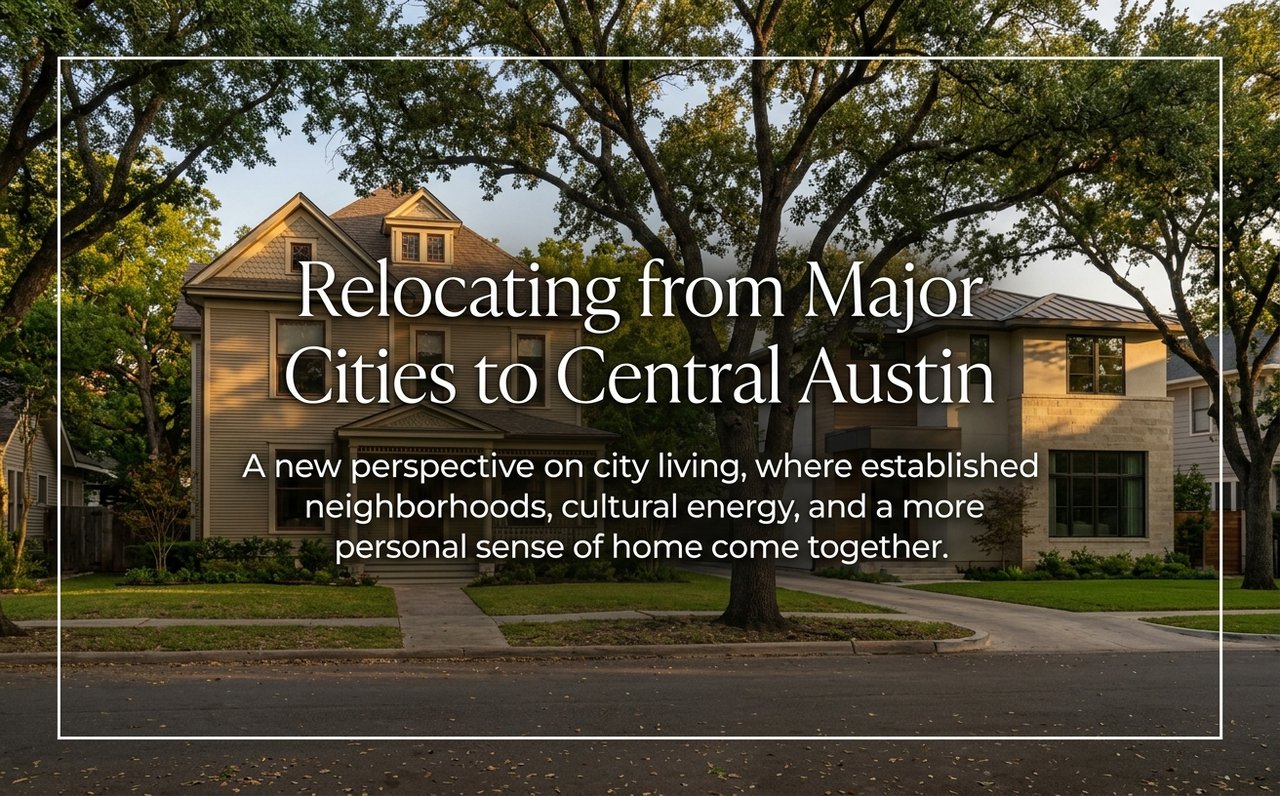
A new perspective on city living, where established neighborhoods, cultural energy, and a more personal sense of home come together.
Buyer info
October 20, 2026
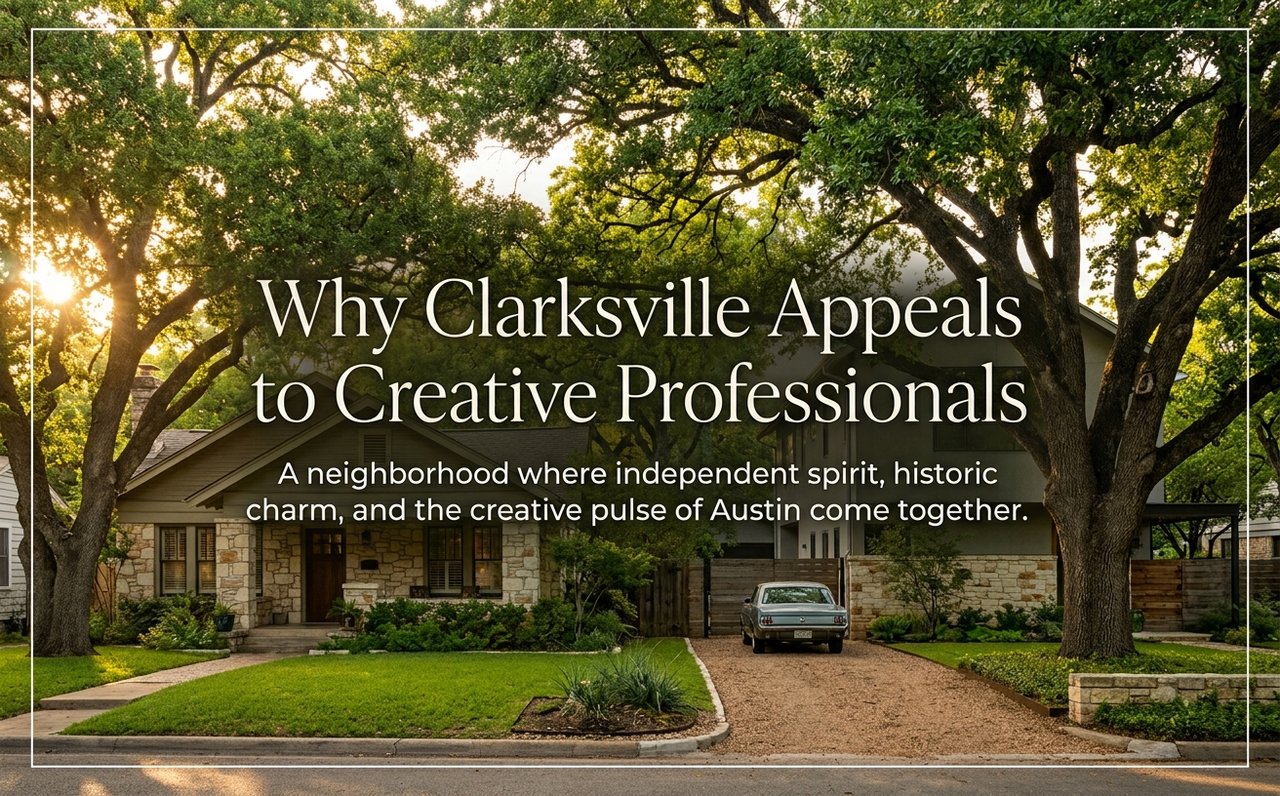
A neighborhood where independent spirit, historic charm, and the creative pulse of Austin come together.
Buyer Education
October 19, 2026
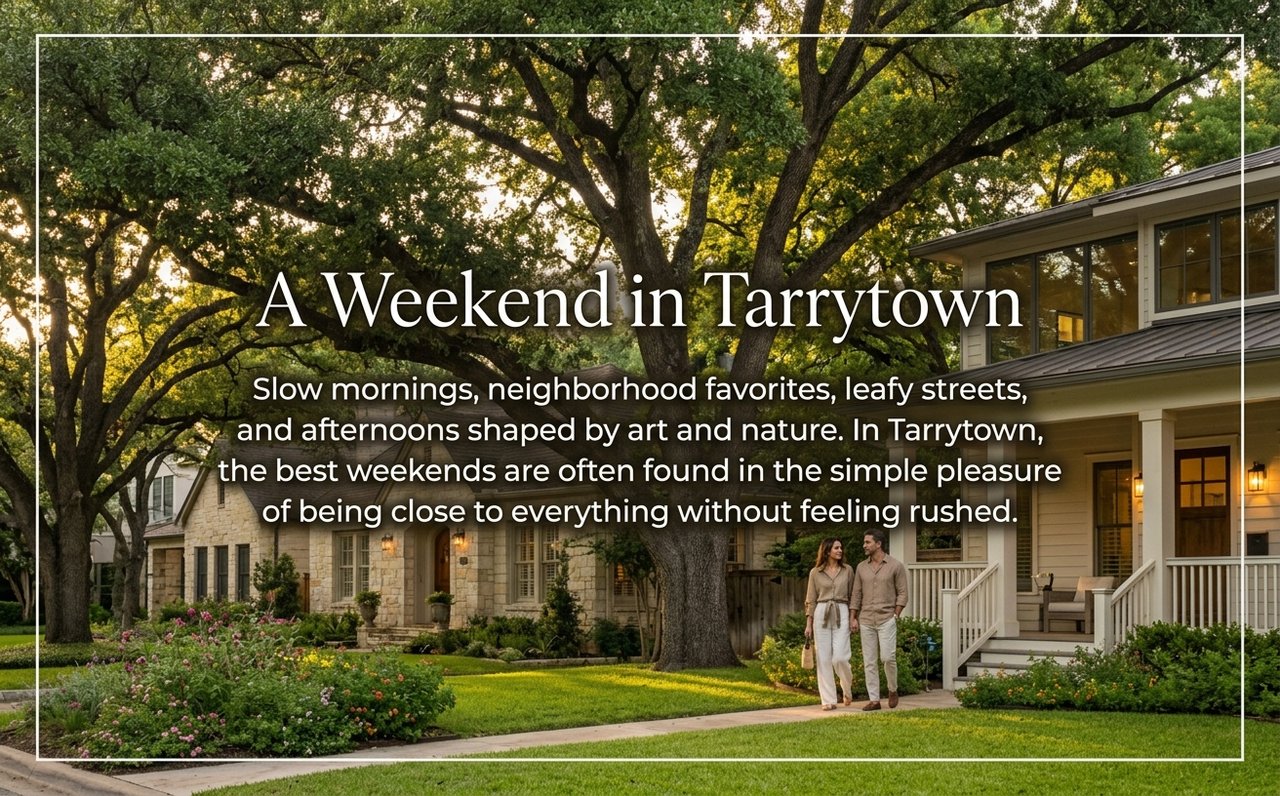
Slow mornings, neighborhood favorites, leafy streets, and afternoons shaped by art and nature. In Tarrytown, the best weekends are often found in the simple pleasure o… Read more
Buyer info
October 16, 2026
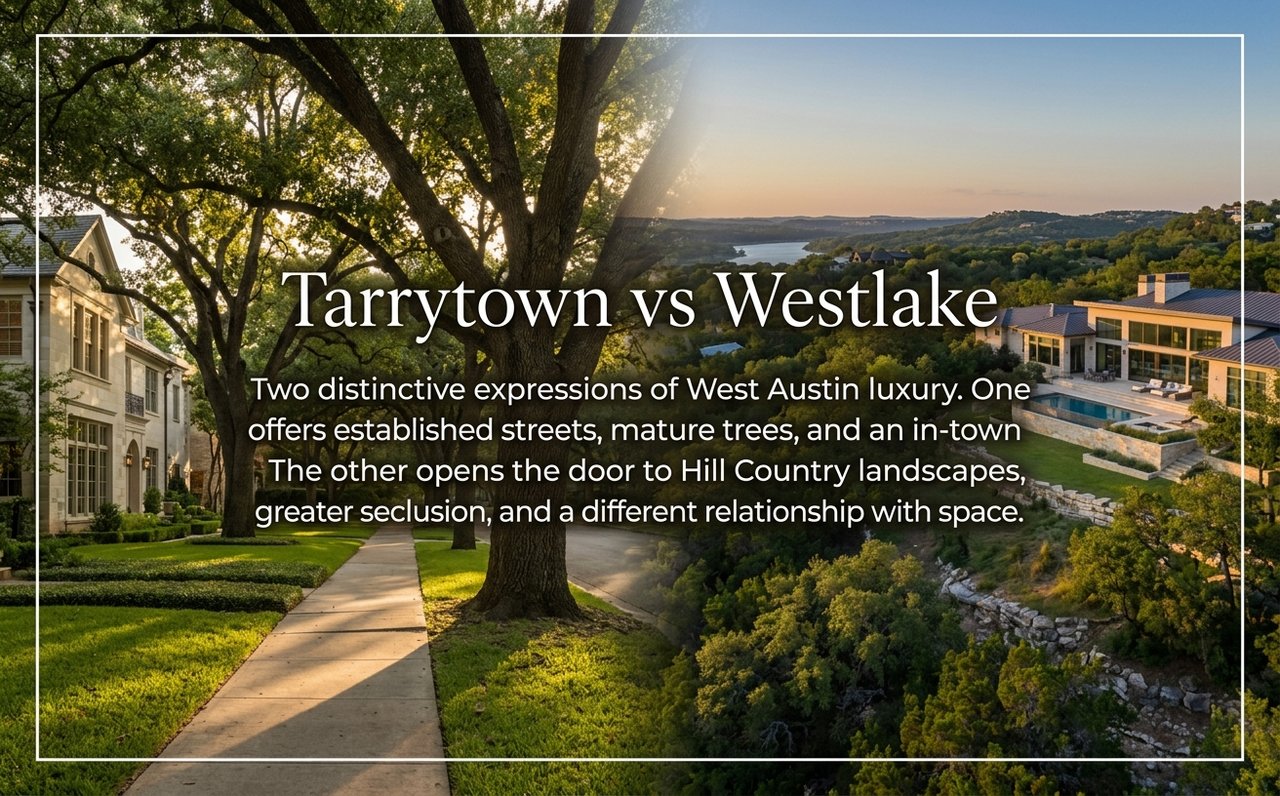
Two distinctive expressions of West Austin luxury. One offers established streets, mature trees, and an in-town rhythm. The other opens the door to Hill Country landsc… Read more
Art & Culture
October 15, 2026
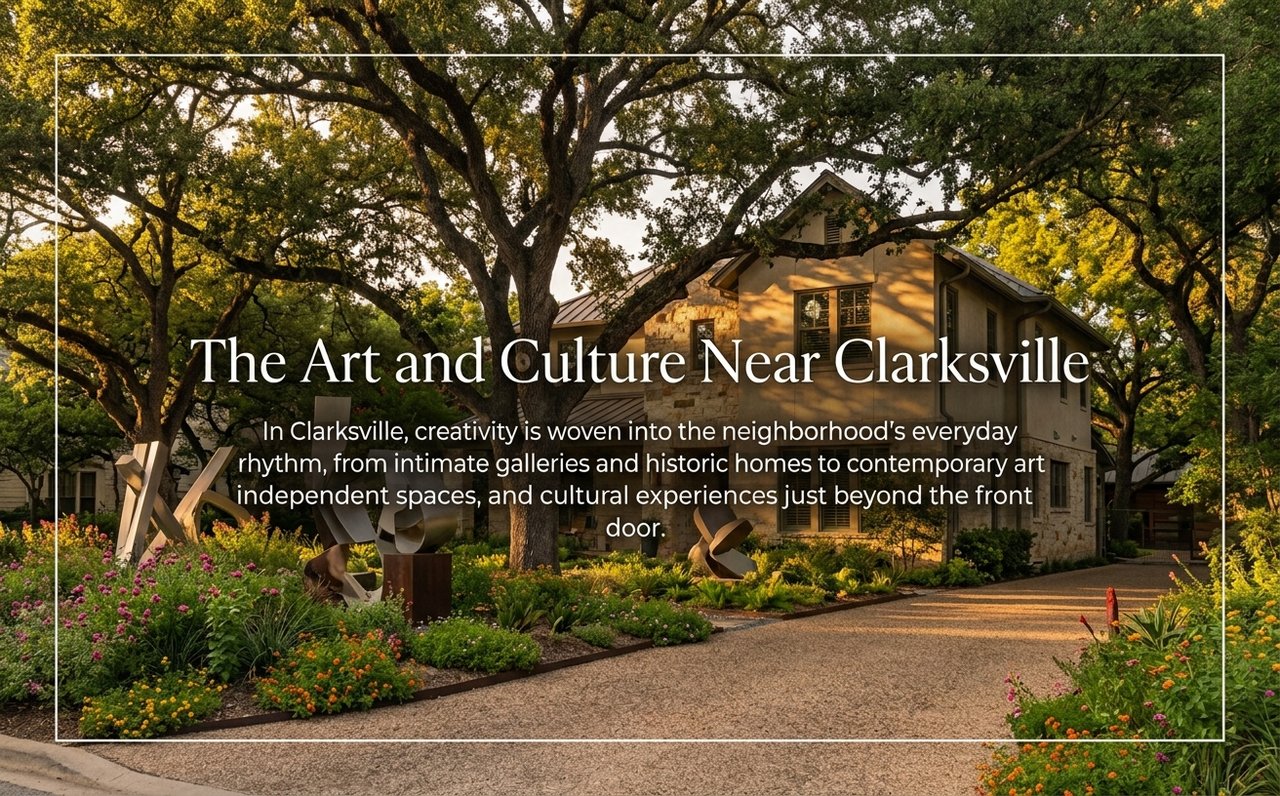
In Clarksville, creativity is woven into the neighborhood’s everyday rhythm, from intimate galleries and historic homes to contemporary art, independent spaces, and cu… Read more
Lifestyle
October 14, 2026
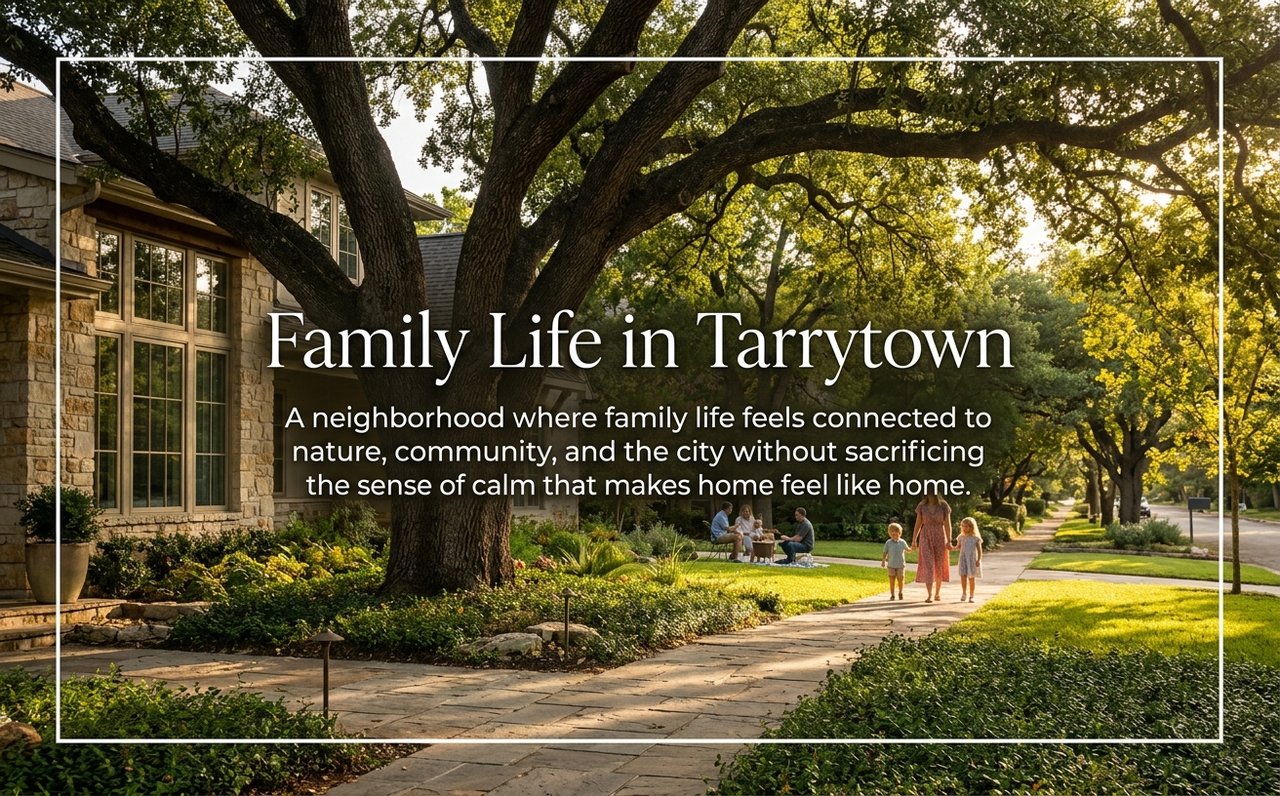
A neighborhood where family life feels connected to nature, community, and the city without sacrificing the sense of calm that makes home feel like home.
Lifestyle
October 13, 2026
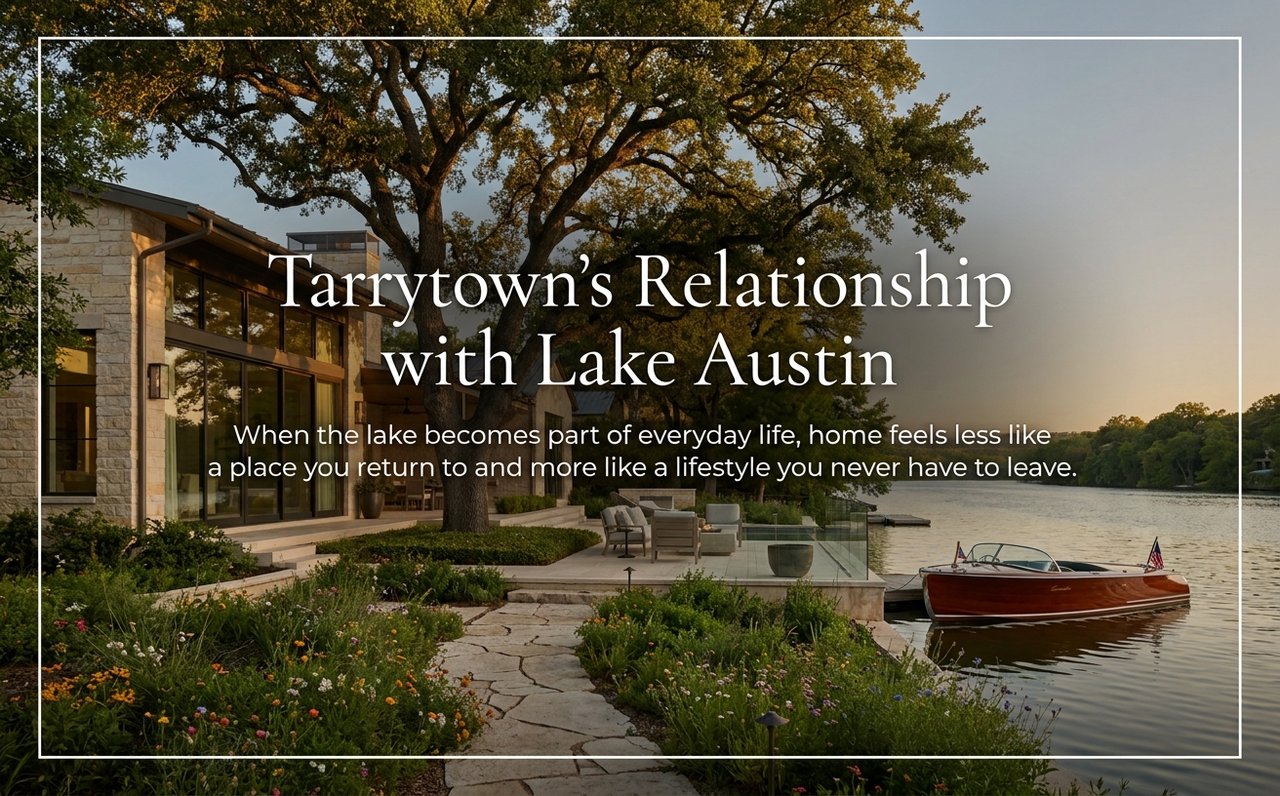
When the lake becomes part of everyday life, home feels less like a place you return to and more like a lifestyle you never have to leave.

Lifestyle
October 12, 2026
The most valuable things in Tarrytown are often the ones you notice slowly: mature trees, privacy, architectural character, lake access, and the rare feeling of being … Read more

Buyer Education
October 10, 2026
In a changing market, the right preparation, pricing, and presentation can make all the difference in how buyers see your home.
Get In Touch With Our Team To Learn More