KHANI ZULU | BROKER ASSOCIATE, MCNE, CLHMS | October 9, 2026
Buyer info
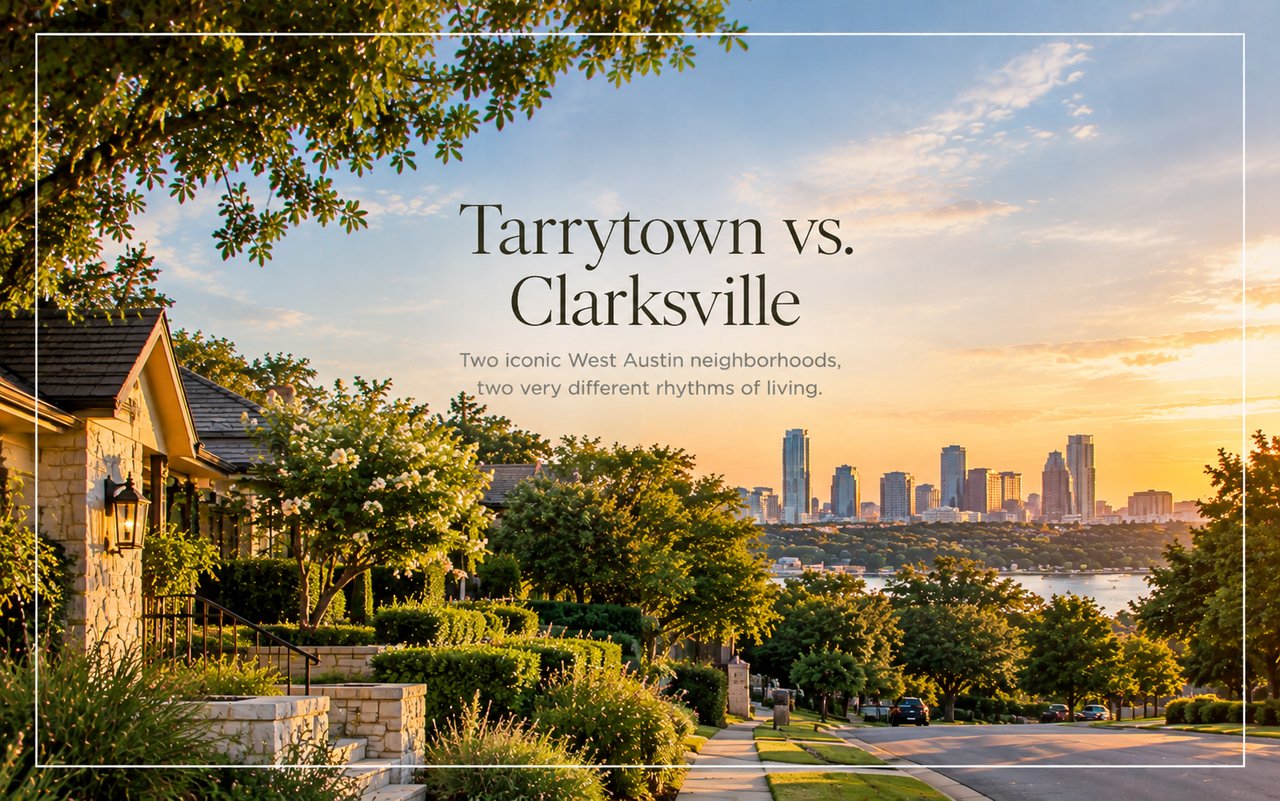
At first glance, Tarrytown and Clarksville can seem like two versions of the same idea.
Both are in 78703. Both sit close to downtown Austin. Both have mature trees, distinctive homes, deep histories, and a strong sense of neighborhood identity.
But spend an afternoon in each and the differences become obvious.
Clarksville feels closer to the city. Tarrytown feels closer to the landscape.
Neither is better. The more interesting question is which one feels more like your life.
Clarksville sits immediately west of downtown, with a compact footprint and a strong connection to the West Lynn and West Sixth corridors. Tarrytown stretches farther west between MoPac and Lake Austin, creating a more expansive residential environment shaped by mature trees, gardens, larger properties, and the lake.
That difference in scale influences almost everything.
In Clarksville, the city feels close enough to be part of the neighborhood experience. In Tarrytown, the city is still nearby, but the transition from urban energy to residential calm feels more pronounced.
It is a subtle distinction.
Until you live it.
Clarksville has a story unlike almost any other neighborhood in Austin.
Established in 1871 by Charles Clark, a formerly enslaved man, it became one of the city's historic Black freedom communities. Today, the Clarksville Historic District is listed on the National Register of Historic Places, with landmarks such as the Haskell House preserving part of that history.
Its physical character reflects that history.
The streets are compact, homes tend to sit closer together, and the neighborhood has an intimate relationship with the sidewalk. Historic cottages and bungalows exist alongside renovated homes, newer construction, condos, and modern infill.
There is a sense of movement here.
You step outside and you are already connected to something.
Tarrytown tells a different story.
Its identity comes from mature trees, established gardens, larger residential properties, architectural variety, and its position between Lake Austin and MoPac. The Tarrytown Alliance describes the neighborhood as one of Austin's classic established communities, with everything from historic homes and estates to charming bungalows.
The streets feel softer.
There is more space between the home and the street. More landscape. More shade. More of a sense that the neighborhood was designed around the land rather than the other way around.
And then there is the lake.
Lake Austin adds a recreational dimension that is simply different from Clarksville's more urban relationship with downtown and central Austin.
Both neighborhoods reward buyers who appreciate architecture, but they express it differently.
Clarksville's historic housing stock is closely tied to its early residential development, with cottages, bungalows, Victorian influences, and later infill creating a compact architectural mix. Its historic designation also makes preservation an important part of the neighborhood conversation.
Tarrytown is more expansive architecturally and spatially.
Traditional residences, Tudor and Colonial influences, bungalows, Mid Century Modern homes, estates, and contemporary custom architecture coexist beneath a mature tree canopy.
For an architecture-minded buyer, the distinction can be meaningful.
Clarksville offers intimacy and historical texture. Tarrytown offers variety within a more spacious setting.
This is one of the clearest differences.
Clarksville's compact streets and proximity to neighborhood commercial corridors make walking part of everyday life for many residents. The Old West Austin Neighborhood Plan specifically identifies neighborhood-oriented shops and commercial areas along corridors including West Lynn, West Sixth, Lamar, and Fifth Street, while also calling for improvements to sidewalks and pedestrian connections.
Tarrytown has a different model.
It offers neighborhood shopping, dining, parks, and services in several locations, but the experience is more centered around specific destinations than a continuous urban commercial grid. The neighborhood's appeal is less about walking everywhere and more about having access to multiple lifestyle anchors while maintaining a quieter residential environment.
So if your ideal Saturday begins with walking out the front door and wandering toward coffee, dinner, and shops, Clarksville may have the edge.
If it begins with a quiet morning beneath the trees, followed by a drive or bike ride toward the lake or a nearby park, Tarrytown may feel more natural.
This is where the comparison becomes particularly important for luxury buyers.
Clarksville's tighter urban fabric generally means smaller lots and a closer relationship between homes and streets. That compactness is part of its charm, but it also means that privacy and outdoor space can be more limited.
Tarrytown generally offers larger lots, greater setbacks, and more room for gardens, pools, additions, outdoor entertaining, and architectural expression. The Central West Austin planning materials describe Tarrytown as an eclectic mix of mostly one and two story residences within a street pattern that combines traditional grid streets with winding roads and cul de sacs.
That difference can change how a home feels before you even walk through the front door.
The easiest way to compare the two neighborhoods is not by listing amenities.
It is by imagining a normal Tuesday.
In Clarksville, you might walk to a neighborhood restaurant, meet a friend for coffee, head toward West Sixth, or make the short trip downtown. The neighborhood's compact scale keeps daily life connected to the city.
In Tarrytown, the day may revolve more around the home itself, the surrounding landscape, parks, neighborhood services, and access to Lake Austin. The Tarrytown Alliance also highlights destinations such as Reed Park, Westenfield Park, Tarrytown Neighborhood Park, Mayfield Park and Nature Preserve, Lions Municipal Golf Course, and The Contemporary Austin at Laguna Gloria.
One lifestyle feels more urban village.
The other feels more residential retreat.
Both are remarkably close to Austin's center.
Luxury does not mean the same thing to every buyer.
For one person, luxury is being able to walk to dinner and return home through a historic neighborhood in ten minutes.
For another, it is having a large shaded yard, architectural privacy, and enough outdoor space to spend an entire afternoon at home.
That is why comparing Tarrytown and Clarksville through price alone misses the point.
The better questions are:
How important is walkability to your daily routine?
Do you want more land or more urban connection?
Does historic character matter more than architectural flexibility?
Would you rather be closer to neighborhood shops or closer to Lake Austin?
How much privacy and outdoor space do you want?
This may be the most important distinction.
You can live in either neighborhood and remain close to downtown, the University of Texas, parks, restaurants, and the broader Austin lifestyle. But the experience of coming home is different.
Clarksville has a more immediate relationship with the city.
Tarrytown has a stronger relationship with the landscape.
Clarksville feels intimate, historic, walkable, and energetic.
Tarrytown feels leafy, spacious, established, and quietly residential.
And because both neighborhoods are so close geographically, the decision often comes down to something far more personal than a map.
It comes down to the rhythm you want your home to give you.
Stay up to date on the latest real estate trends.
Lifestyle
November 13, 2026
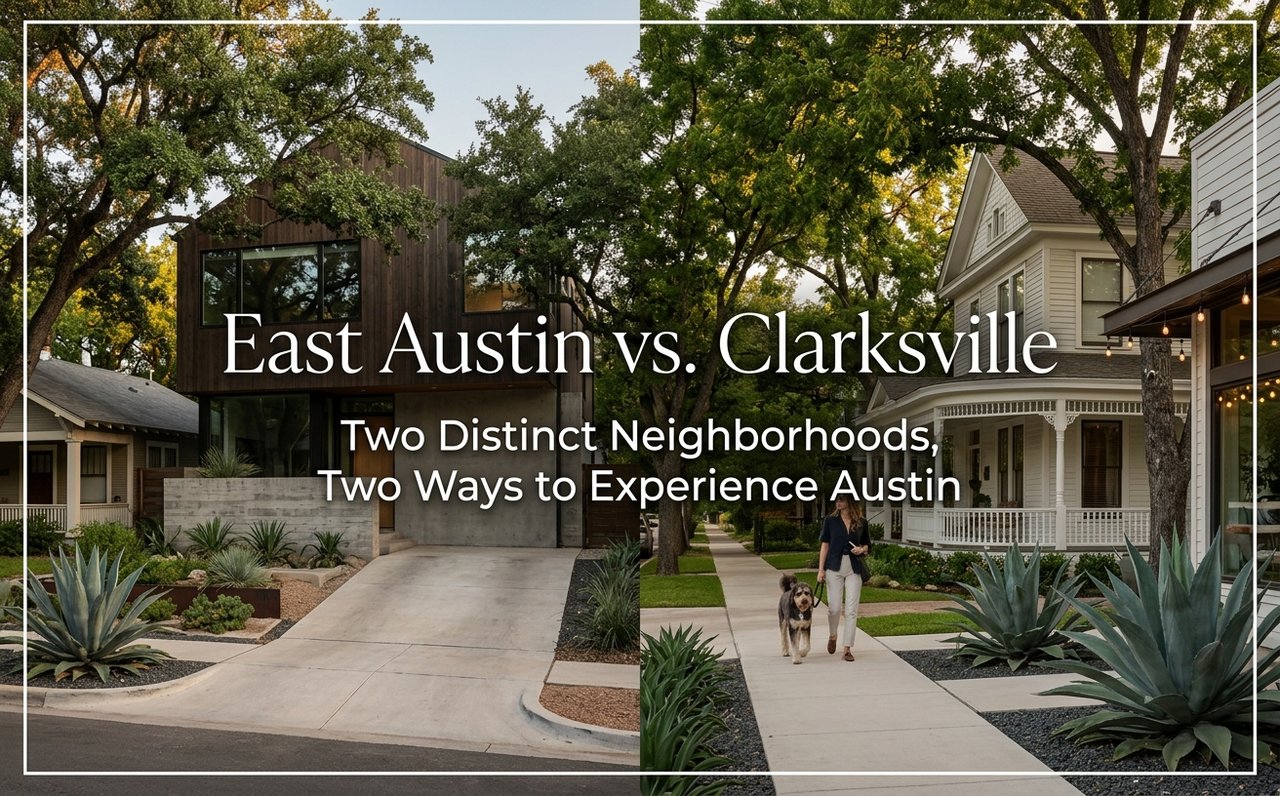
Two Distinct Neighborhoods, Two Ways to Experience Austin
Buyer info
November 12, 2026
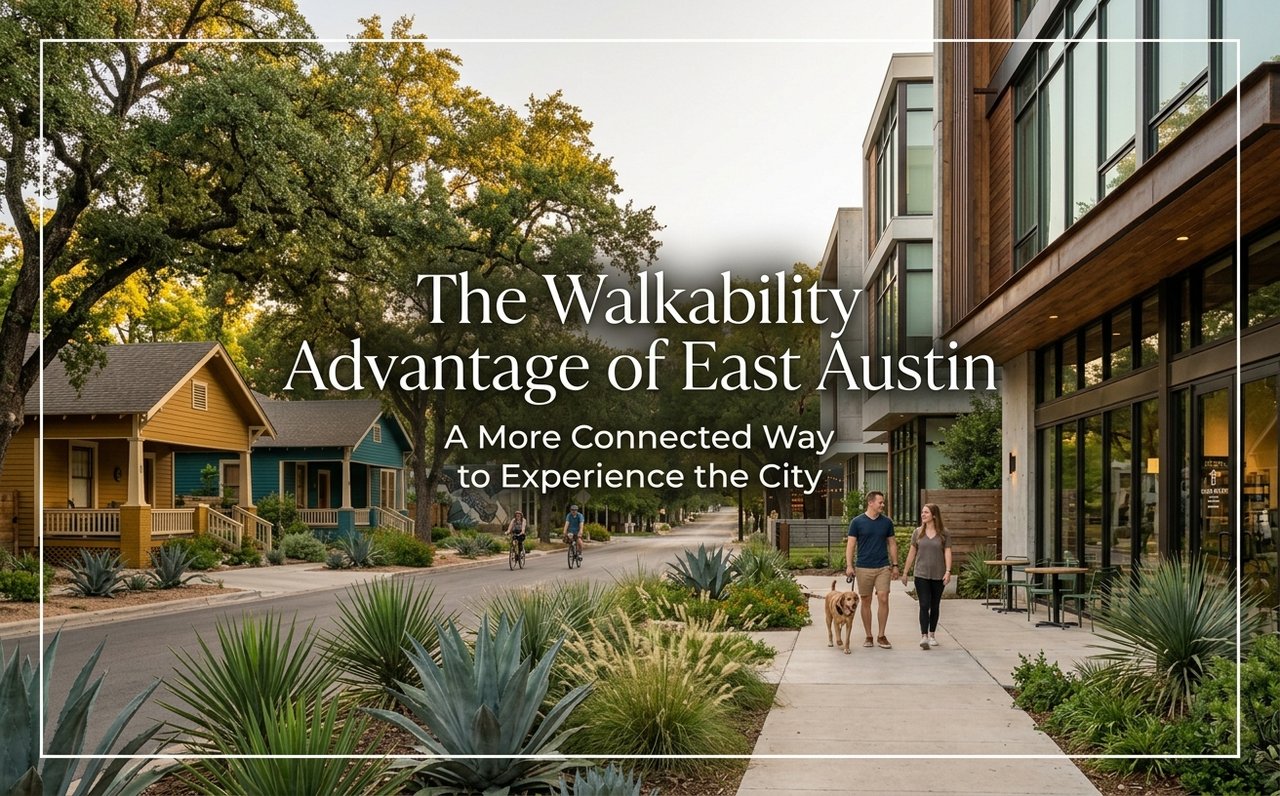
A More Connected Way to Experience the City
Buyer info
November 11, 2026
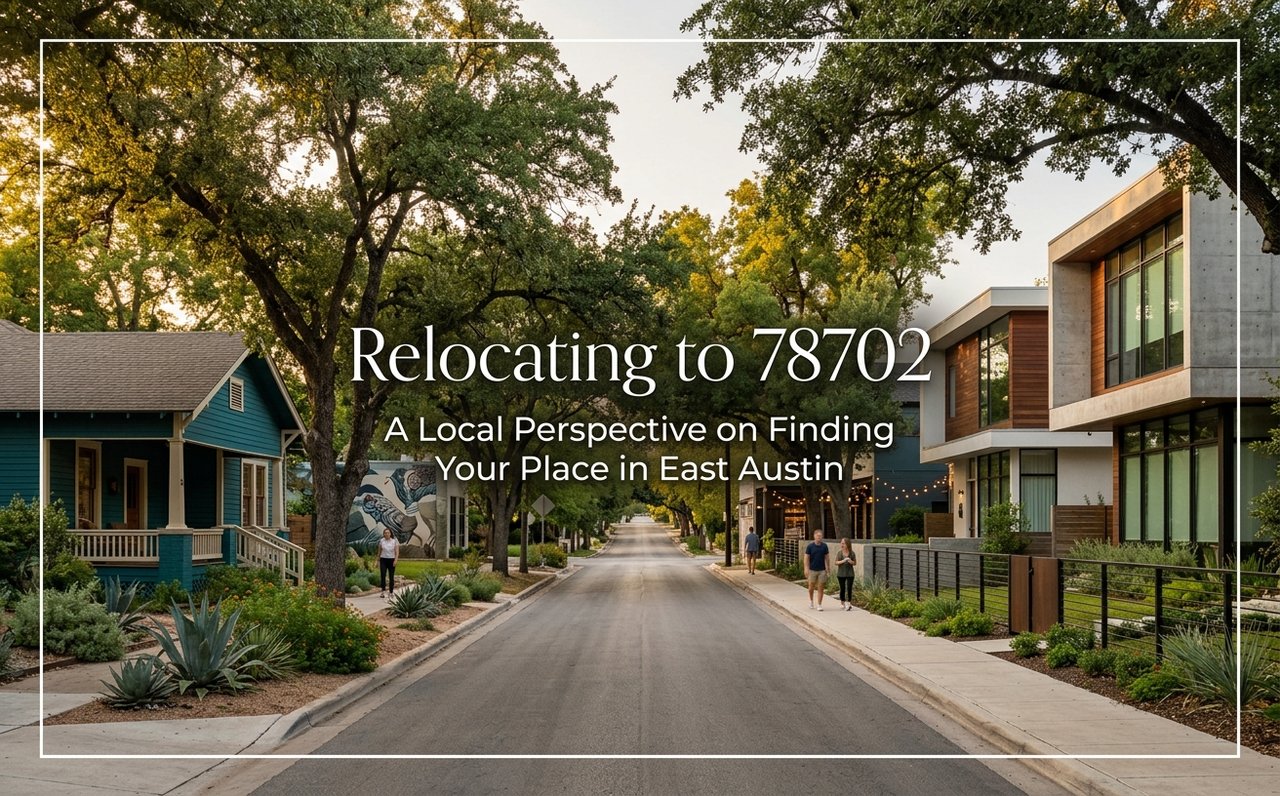
A Local Perspective on Finding Your Place in East Austin
Lifestyle
November 10, 2026
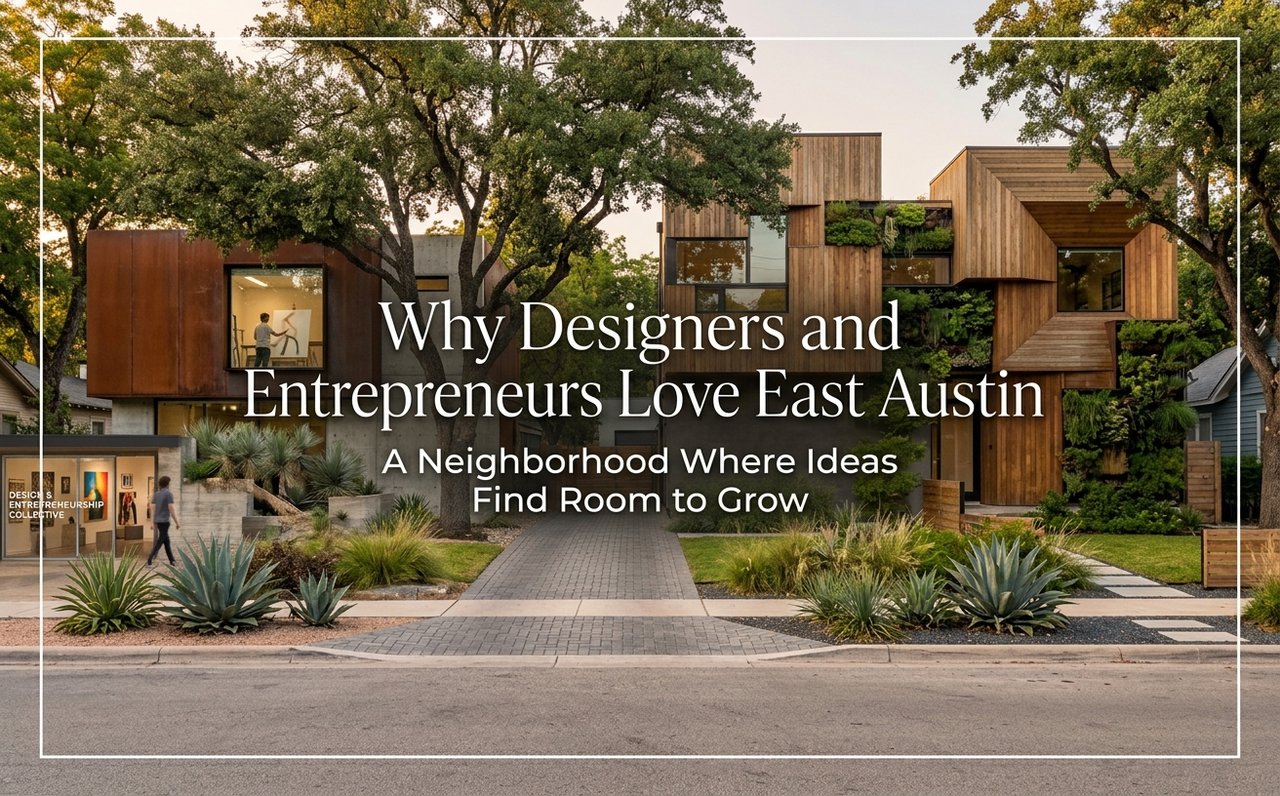
A Neighborhood Where Ideas Find Room to Grow
Art & Culture
November 9, 2026
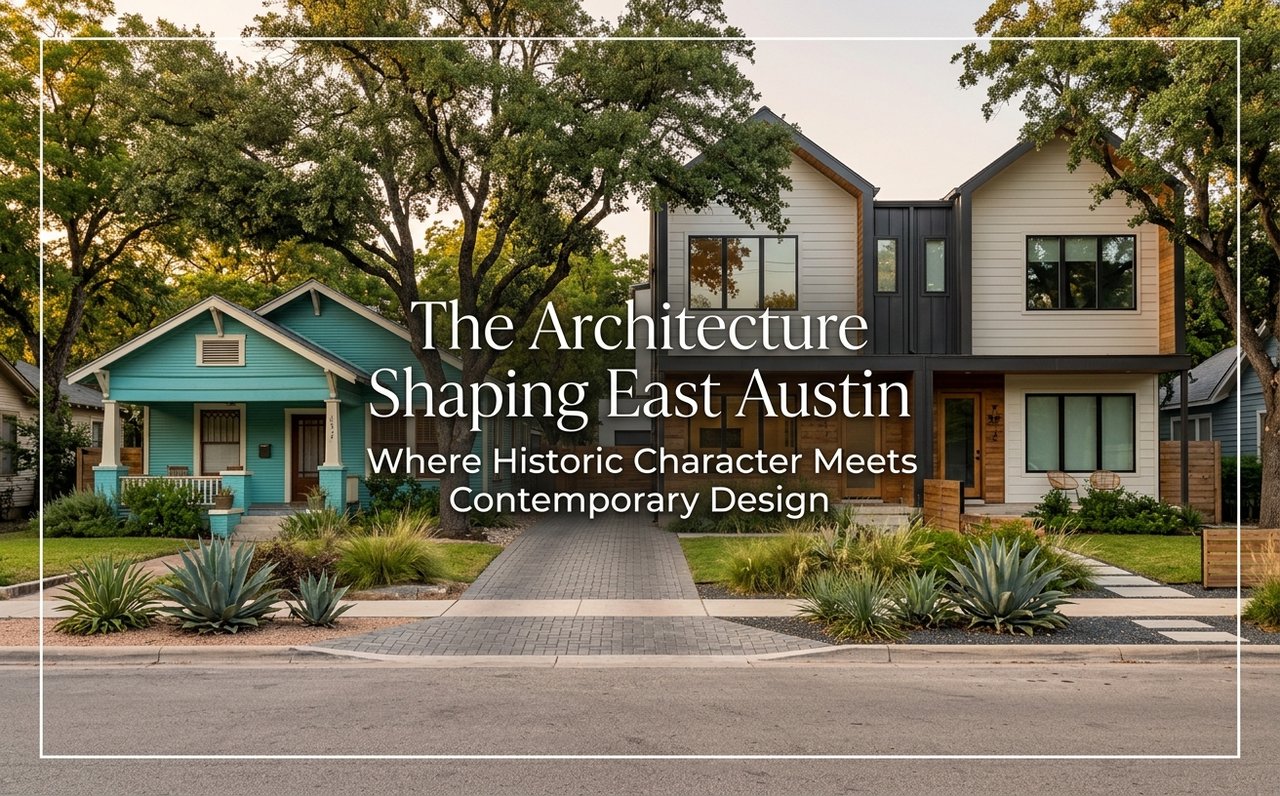
Where Historic Character Meets Contemporary Design
Lifestyle
November 6, 2026
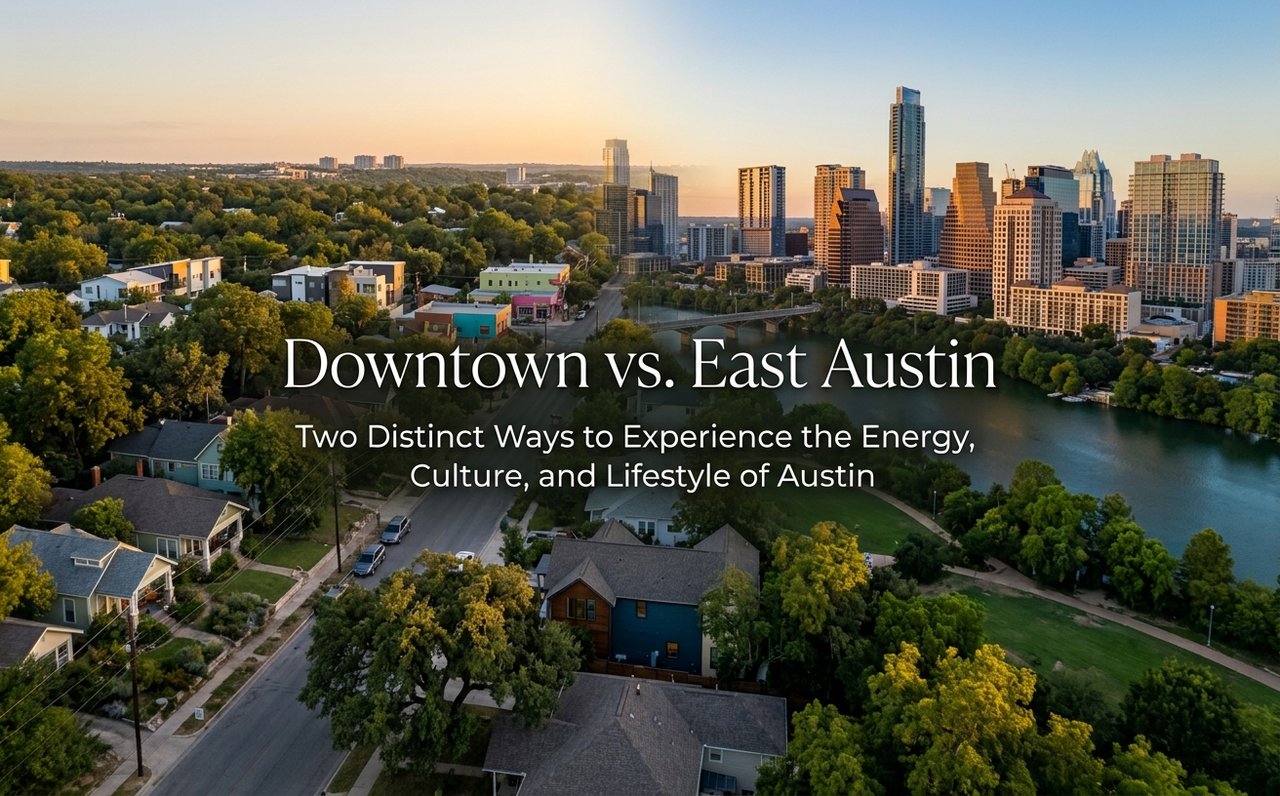
Two Distinct Ways to Experience the Energy, Culture, and Lifestyle of Austin

Buyer info
November 5, 2026
Where Local Heritage, Art, and Everyday Life Shape a Distinctive Austin Experience
Lifestyle
November 4, 2026
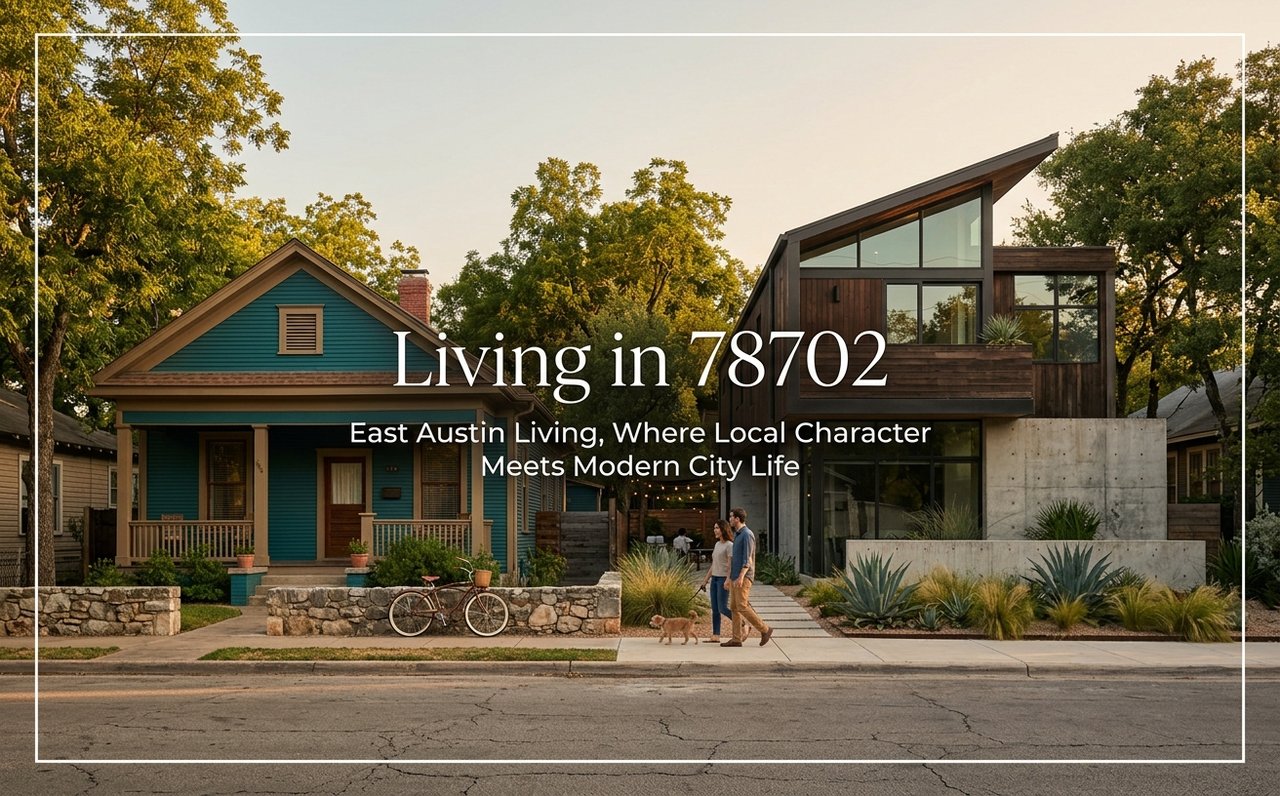
East Austin Living, Where Local Character Meets Modern City Life
Buyer info
November 3, 2026
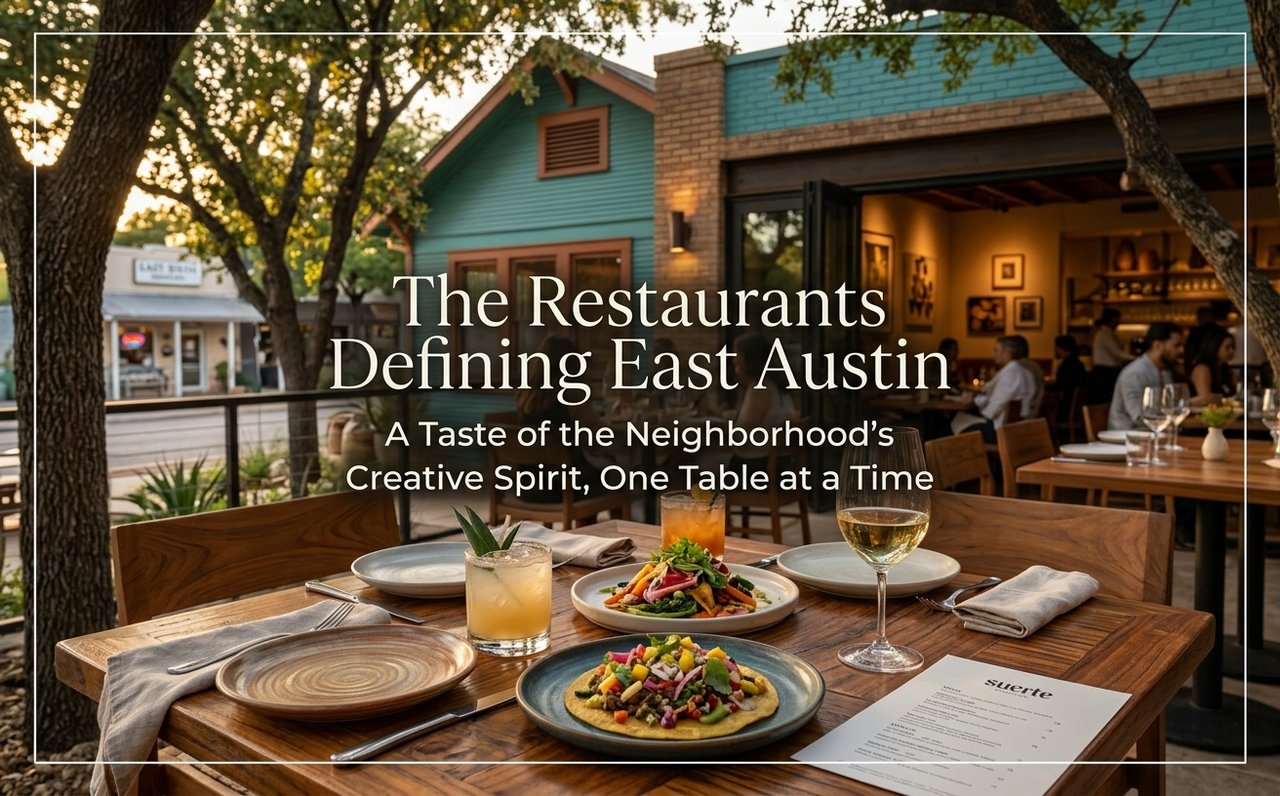
A Taste of the Neighborhood's Creative Spirit, One Table at a Time
Get In Touch With Our Team To Learn More