KHANI ZULU | BROKER ASSOCIATE, MCNE, CLHMS | October 21, 2026
Buyer info
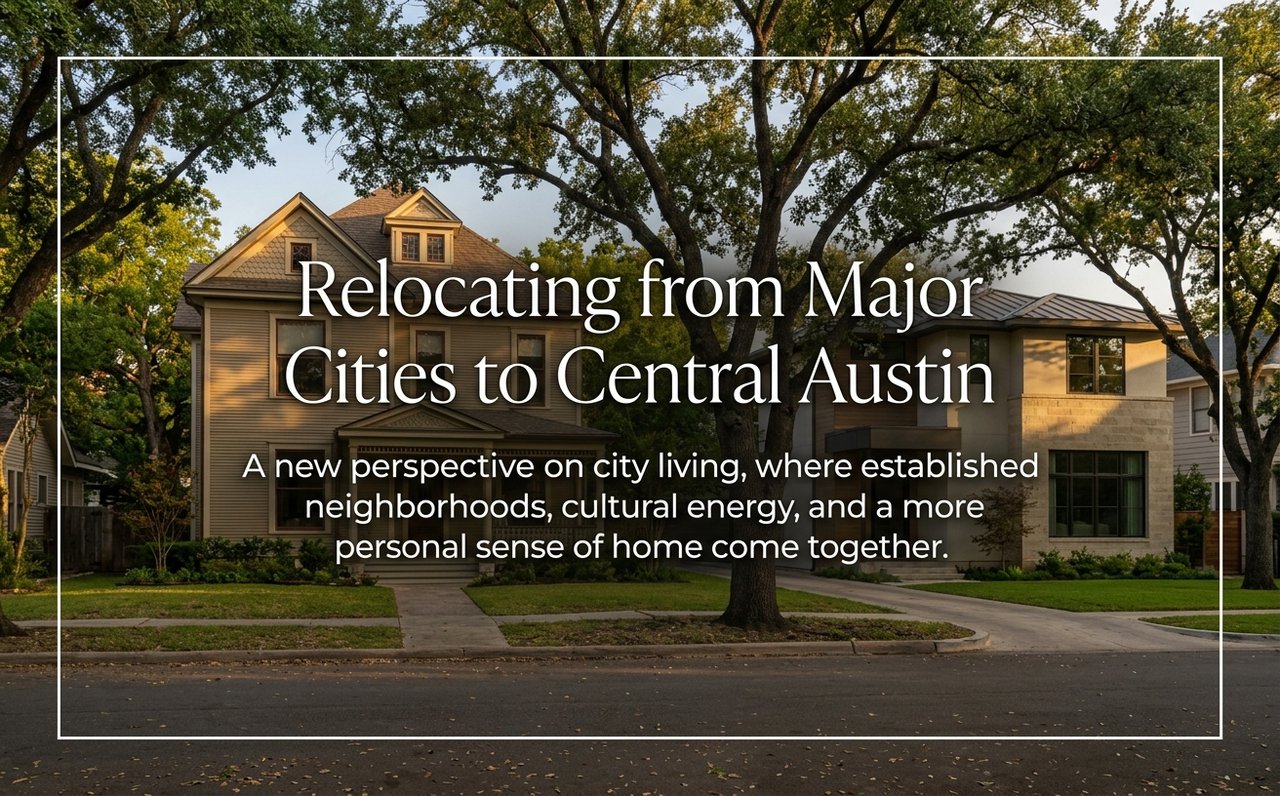
Moving from a major metropolitan area to Austin is rarely just a change of address. It is an opportunity to reconsider what you want your everyday life to look like. For buyers arriving from New York, Los Angeles, San Francisco, Chicago, or other major cities, Central Austin offers an appealing balance of urban access, established residential neighborhoods, and opportunities to spend more time outdoors without losing touch with the energy of a growing city.
The transition, however, is not about trading one lifestyle for an automatically better one. It is about understanding which parts of your current life you want to preserve and which you are ready to change. For some, that means exchanging a high-rise apartment for a home with a garden. For others, it means keeping a walkable, connected lifestyle while gaining more privacy, architectural character, or room to work from home.
Central Austin is not a single, uniform neighborhood. It is a collection of distinct residential settings, each with its own character, housing options, and relationship to downtown. Areas such as Clarksville, Tarrytown, Old Enfield, Hyde Park, and the neighborhoods surrounding Zilker offer different interpretations of city living, from historic cottages and tree-lined streets to contemporary residences and urban condominiums.
For someone relocating from a dense metropolitan environment, this variety can be one of Central Austin’s greatest advantages. You can remain connected to restaurants, cultural destinations, professional hubs, and outdoor recreation while choosing a residential setting that feels more intimate than a traditional downtown district. The key is to look beyond the broad label of “Central Austin” and identify the neighborhood that aligns with your priorities.
In many major cities, real estate decisions revolve around proximity, building amenities, and the efficient use of limited space. Central Austin introduces a different set of possibilities, particularly for buyers considering detached homes, renovated historic properties, or residences with private outdoor areas.
The appeal is not necessarily having more of everything. It is having the right spaces for the way you live. A dedicated office may matter more than an additional bedroom. A shaded patio may become more valuable than a formal dining room. Mature trees, natural light, a flexible floor plan, or a connection between indoor and outdoor living can transform how a home feels throughout the day.
Central Austin properties vary considerably in age, condition, lot size, and architectural style. Some offer original details and established landscaping, while others feature extensive renovations or contemporary construction. Understanding those differences helps relocating buyers distinguish between a home that simply looks appealing and one that will genuinely support their routines.
One concern for people leaving a major city is whether a smaller urban environment will offer enough variety. Central Austin makes a compelling case for staying connected. Restaurants, independent businesses, live music, galleries, and cultural venues contribute to a city identity that extends well beyond its downtown skyline.
The experience is different from that of a larger metropolitan center, and expectations should be adjusted accordingly. Austin has its own cultural rhythms, local institutions, and creative communities rather than a direct equivalent for every experience found in New York, Los Angeles, or Chicago. For many newcomers, part of the appeal is discovering those local distinctions instead of trying to recreate their previous city in a new setting.
The location also creates opportunities to incorporate outdoor time into an ordinary day. Depending on the neighborhood, parks, urban trails, and destinations around Lady Bird Lake may be accessible by foot, bicycle, or a short drive. Austin’s Urban Trails Plan reflects the role these connections can play in recreation, mobility, and neighborhood life. Actual access, of course, depends on the property and the route.
For buyers accustomed to long commutes or relying heavily on public transportation, Austin requires a more deliberate approach to location. Living centrally can make access to downtown easier, but it does not automatically make every commute short. Major employment centers are spread across the region, and a home that works beautifully for someone traveling downtown may be less practical for someone commuting regularly to North Austin, the Domain, or a suburban campus.
Before choosing a neighborhood, map the actual route to work, school, and the places you visit most often. Consider peak-hour traffic, parking, available transit, and whether walking or cycling is realistic for your daily routine. Hybrid and remote workers may have more flexibility, allowing them to prioritize the quality of their home environment and proximity to restaurants, parks, or community destinations.
The most successful relocation decisions account for the life you will lead after the move, not simply the location that looks best on a map.
Central Austin can offer a distinctive combination of location, character, and residential privacy, but it is important to approach the market with clear priorities. Buyers comparing Austin with larger coastal cities should avoid assuming that every property will deliver a dramatic cost advantage. Housing prices vary widely by neighborhood, property type, condition, and lot, while property taxes, insurance, maintenance, and renovation costs all contribute to the long-term expense of ownership.
Older homes may offer architectural details and established landscaping, but they can also require more extensive inspections and ongoing maintenance. Renovated properties deserve careful review of the quality and scope of improvements, while newer homes may offer more contemporary layouts and systems. Buyers considering historic districts should also investigate applicable preservation requirements before planning exterior alterations.
A thoughtful search begins with a complete picture of ownership costs and a clear understanding of which features are essential, which are flexible, and which are simply attractive in photographs.
Relocation is an opportunity to make intentional choices. Clarksville may appeal to buyers drawn to historic character and a neighborhood-oriented atmosphere. Tarrytown and Old Enfield offer a different expression of established West Austin living. Hyde Park brings its own historic identity, while areas near Zilker appeal to those who want to keep outdoor recreation close to their daily routine. These are starting points rather than fixed categories, and the right fit depends on the individual property, budget, commute, and lifestyle priorities.
Rather than trying to compare neighborhoods on reputation alone, spend time experiencing them at different times of day. Walk the surrounding streets, visit nearby businesses, test your commute, and consider how the neighborhood feels beyond a scheduled showing. If possible, explore both the immediate surroundings and the routes connecting the property to your everyday destinations.
The decision to relocate from a major city to Central Austin is ultimately a decision about how you want to live. For some, it means gaining a closer connection to nature. For others, it means finding a home with greater individuality, more flexible space, or a different balance between professional ambition and personal time.
The most meaningful move is not necessarily the one that offers the largest house or the closest proximity to downtown. It is the one that brings your surroundings into better alignment with your priorities. With its varied neighborhoods, distinctive homes, and connection to Austin’s cultural and outdoor life, Central Austin offers a range of possibilities for buyers ready to approach their next chapter with intention.
Stay up to date on the latest real estate trends.
Lifestyle
November 13, 2026
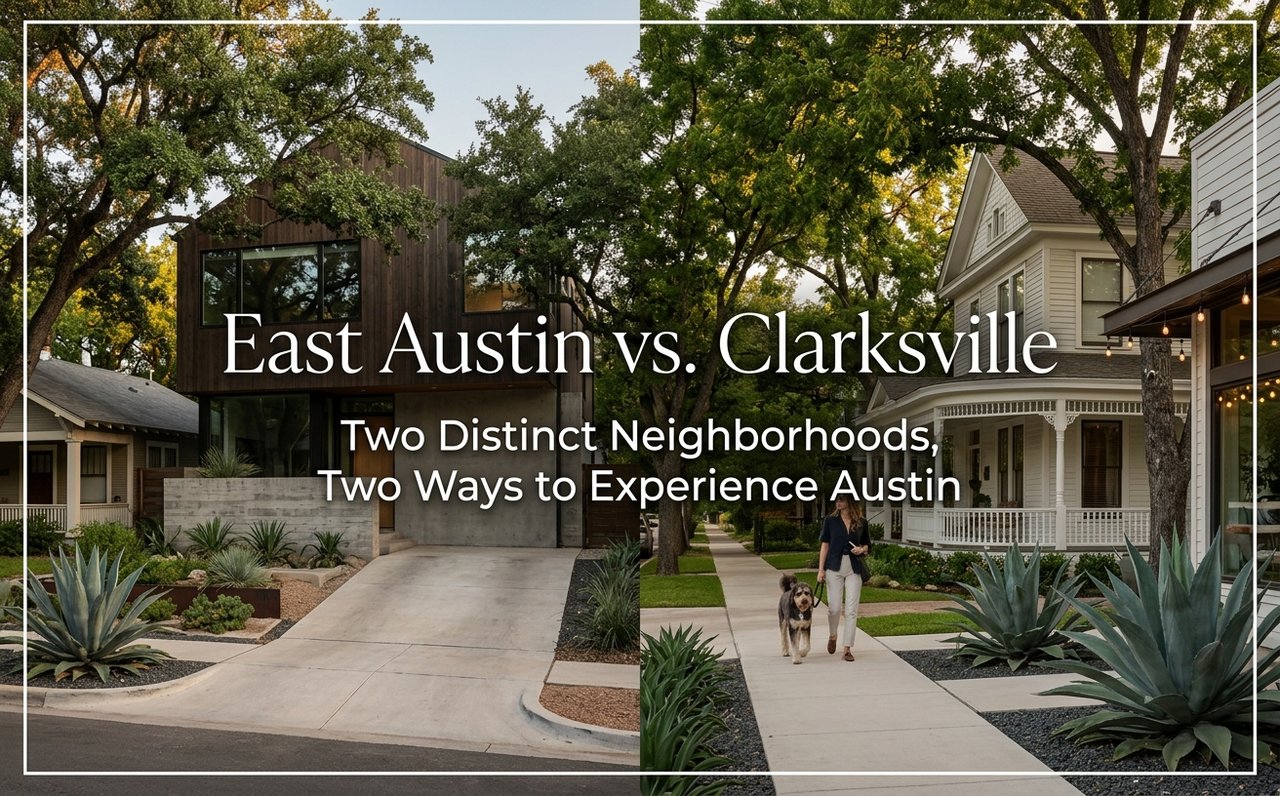
Two Distinct Neighborhoods, Two Ways to Experience Austin
Buyer info
November 12, 2026
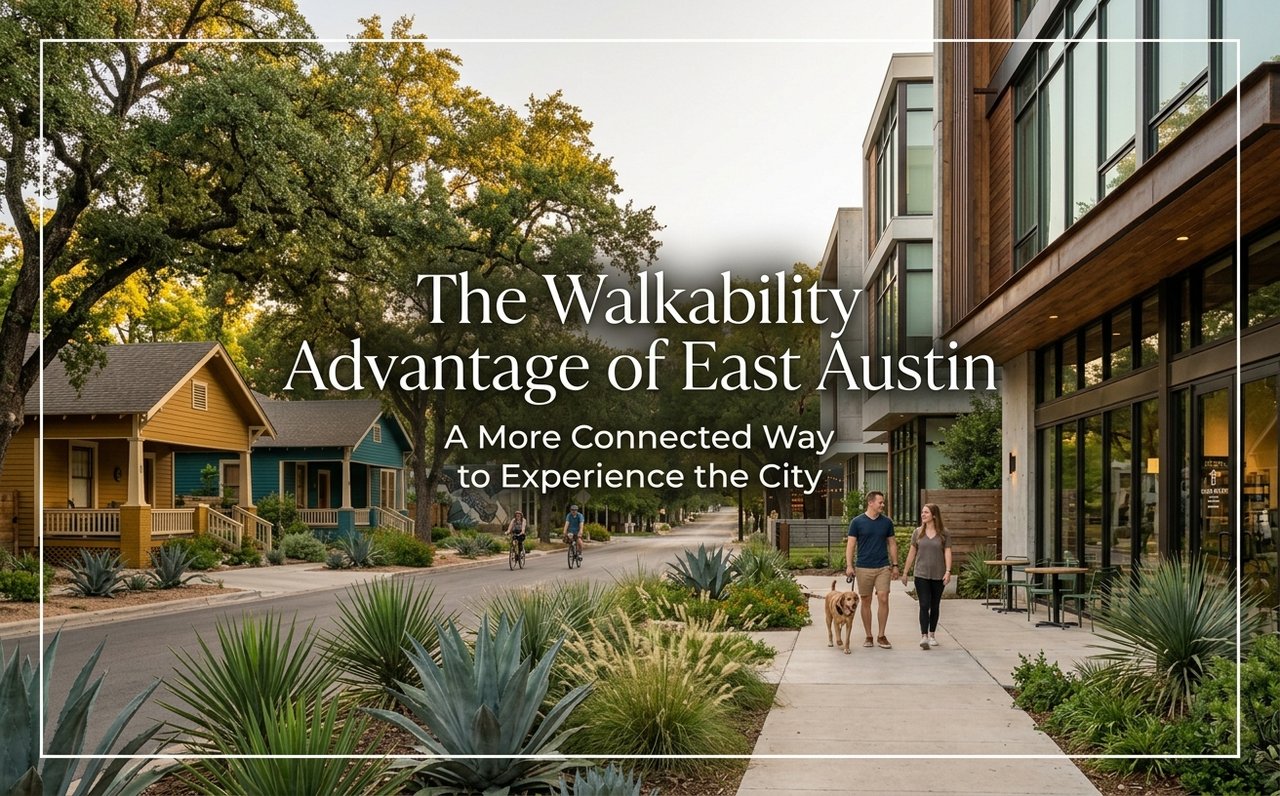
A More Connected Way to Experience the City
Buyer info
November 11, 2026
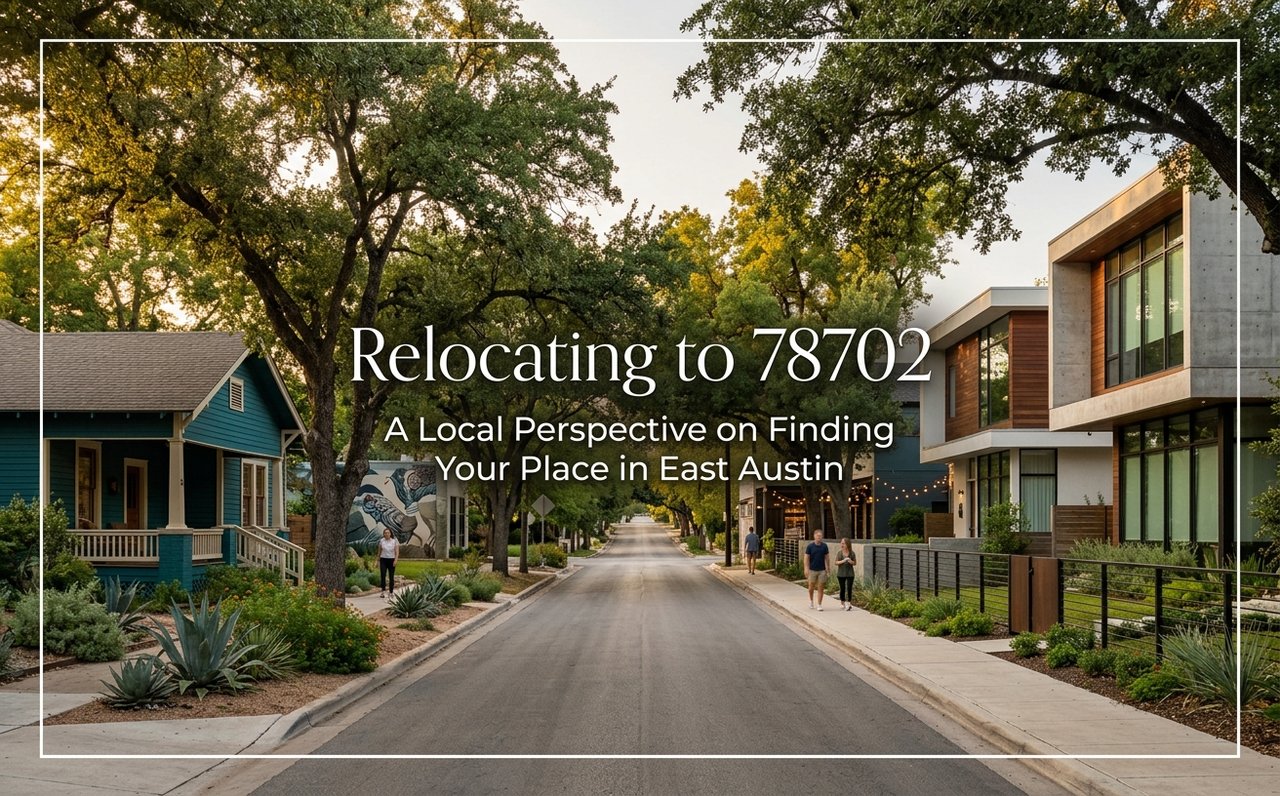
A Local Perspective on Finding Your Place in East Austin

Lifestyle
November 10, 2026
A Neighborhood Where Ideas Find Room to Grow
Art & Culture
November 9, 2026
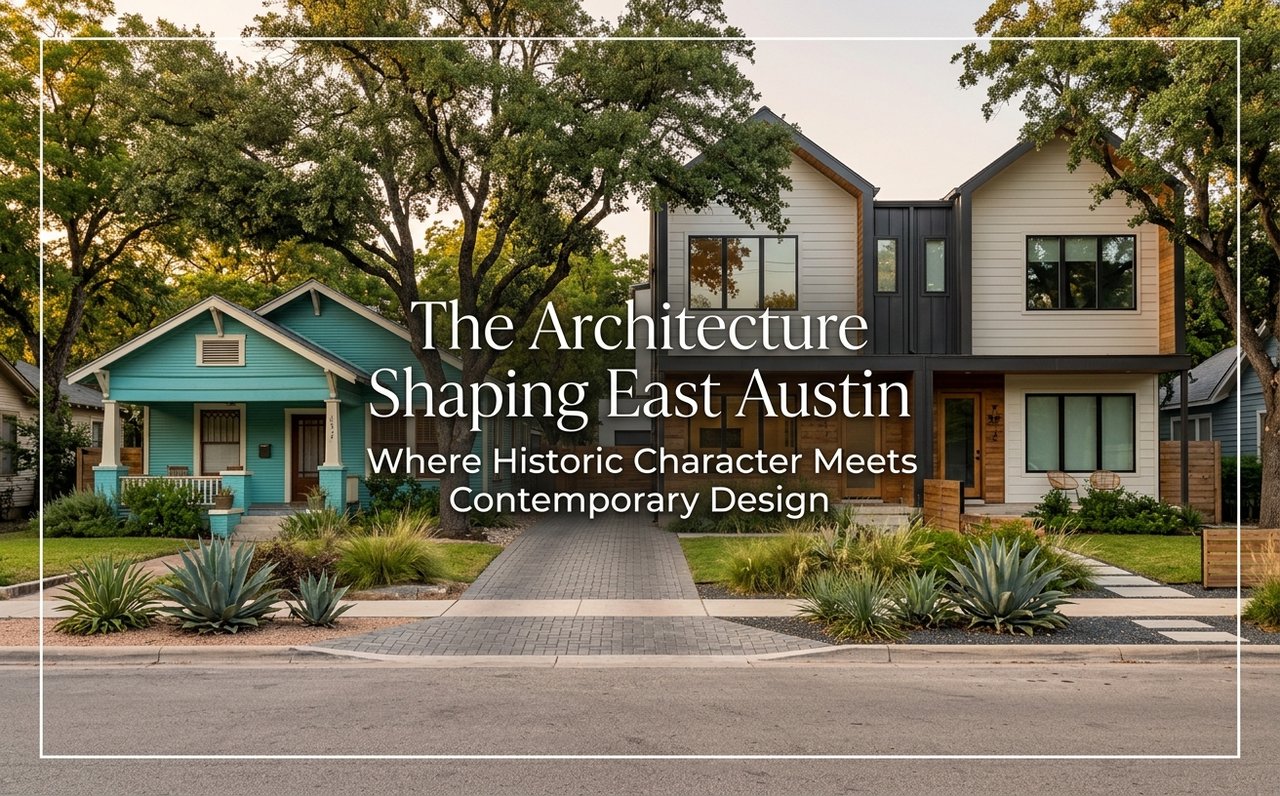
Where Historic Character Meets Contemporary Design
Lifestyle
November 6, 2026
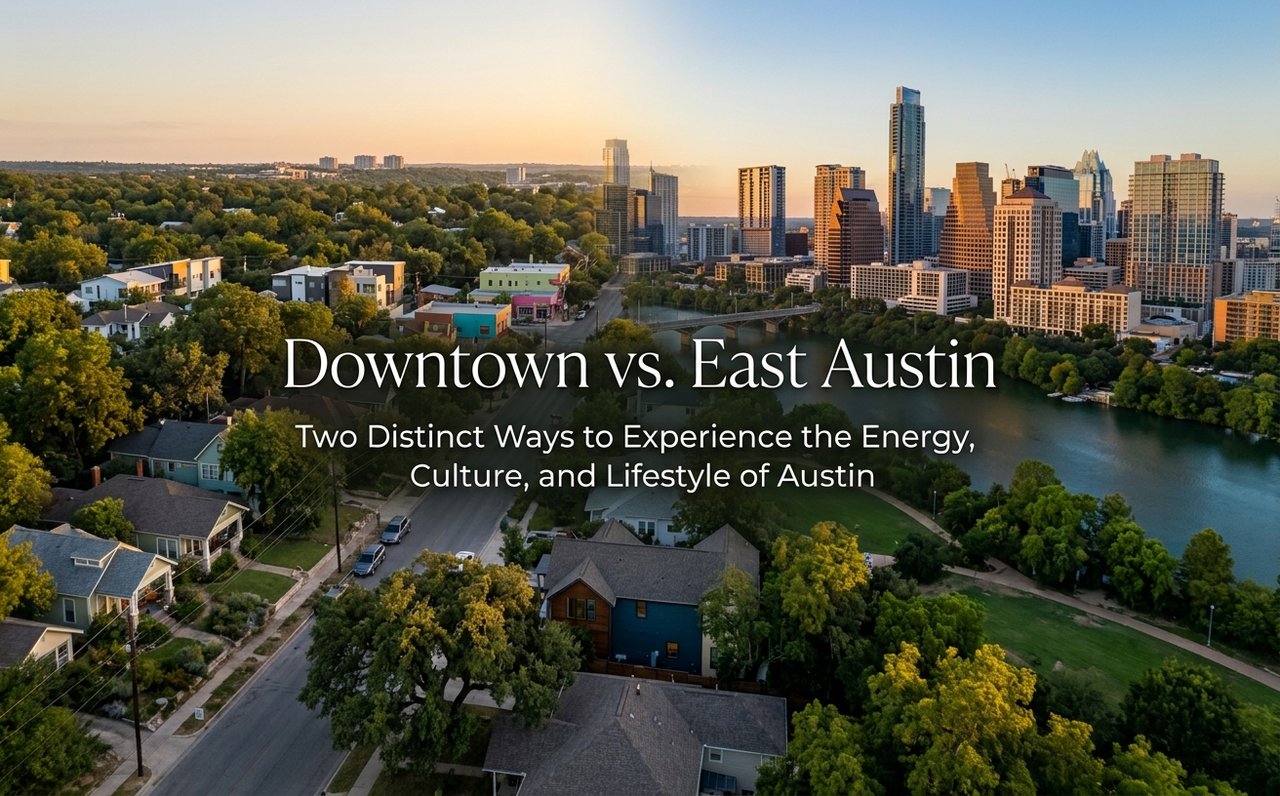
Two Distinct Ways to Experience the Energy, Culture, and Lifestyle of Austin

Buyer info
November 5, 2026
Where Local Heritage, Art, and Everyday Life Shape a Distinctive Austin Experience
Lifestyle
November 4, 2026
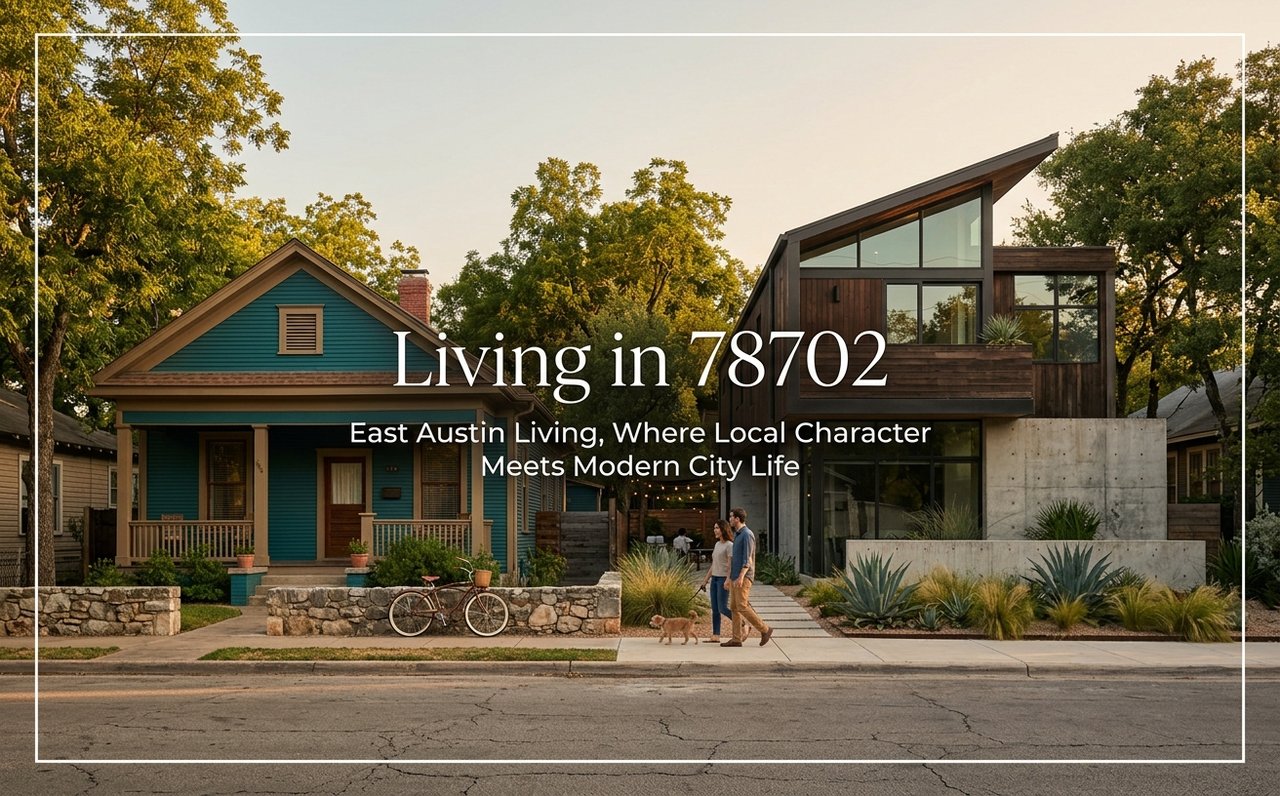
East Austin Living, Where Local Character Meets Modern City Life

Buyer info
November 3, 2026
A Taste of the Neighborhood's Creative Spirit, One Table at a Time
Get In Touch With Our Team To Learn More