KHANI ZULU | BROKER ASSOCIATE, MCNE, CLHMS | December 17, 2025
If you already own a home in Austin and you are dreaming about more space, a better layout, or a lifestyle shift, you have probably asked yourself:
“Do I have enough equity to move up.”
Equity is not a mystery number only lenders can see. It is a tool, and once you understand it, you can make sharper decisions about when and how to move.
Equity is the difference between what your home is worth and what you owe on it. If your home would sell for 800,000 and your remaining loan balance is 500,000, your equity is 300,000.
To get a realistic equity picture, you want to consider:
Your current market value, not just your tax appraisal.
Your loan payoff, including any second liens or HELOCs.
Estimated closing costs and selling expenses.
There is no universal rule, but many financial experts point to having at least 20 percent equity when you roll into a new home. That level can help you avoid private mortgage insurance, access better rates, and keep your monthly payment more comfortable.
For Austin move-up buyers, I usually look at three ranges:
10 to 20% equity
You may be able to move up, but we will need to be very strategic with price points and loan products. You might prioritize a lateral move in price but into a better location, layout, or lifestyle.
20 to 35% equity
This is often the “sweet spot”. You have flexibility to increase your price range, improve your neighborhood, or both, while keeping your monthly payments in line with your comfort.
35% plus
Now you are choosing based on lifestyle and long-term planning. You may be able to keep your current home as a rental, or move up significantly in size or location position.
Here is the simple way I walk clients through it:
Get a true market valuation of your current home, not a generic online estimate.
Subtract your loan payoff amount to find your rough equity.
Subtract estimated selling costs, usually in the 7 to 9 percent range once you factor in commission, title, and closing costs.
Decide how much of your equity you want to roll into your next down payment versus how much you want to keep in reserves.
From there, we back into a target purchase price that fits both your monthly budget and your comfort level.
The numbers matter, but they are not the whole story. For many Austin clients, the “why” behind the move is just as important.
You want a different school track for kids.
You want walkability, parks, a studio, or a home office that really works.
You want a home that better fits who you are now, not who you were when you bought years ago.
My job is to balance both: the spreadsheet and your life.
You do not need to guess whether you have “enough equity” to move up. A clear, data-driven equity review can show you exactly where you stand and what kind of move is realistic today.
If you are equity curious, I am happy to run the numbers for you and talk through move-up scenarios, from lateral lifestyle shifts to bold upgrades.
With Love from ATX,
Khani Zulu Group
Stay up to date on the latest real estate trends.

Art & Culture
October 22, 2026
Character, craftsmanship, and the enduring beauty of homes that carry a story into the future.
Buyer info
October 21, 2026
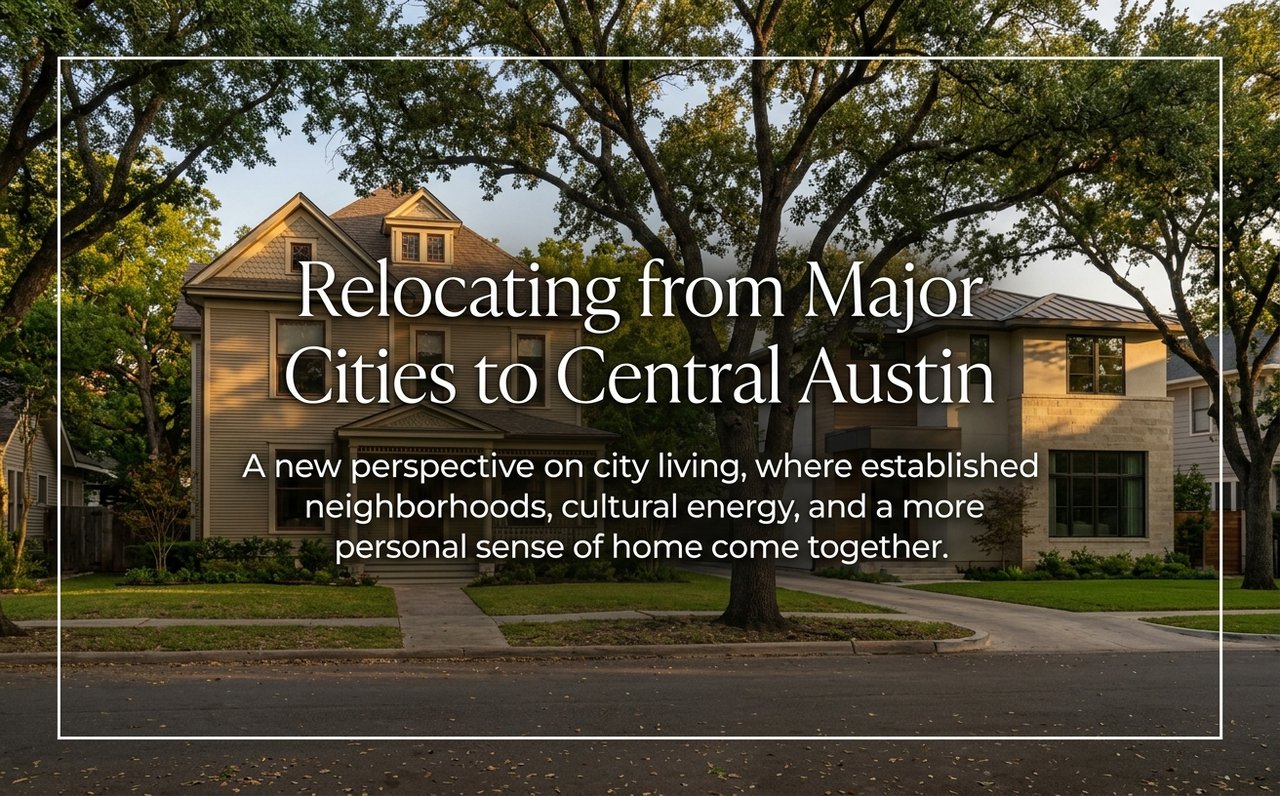
A new perspective on city living, where established neighborhoods, cultural energy, and a more personal sense of home come together.
Buyer info
October 20, 2026
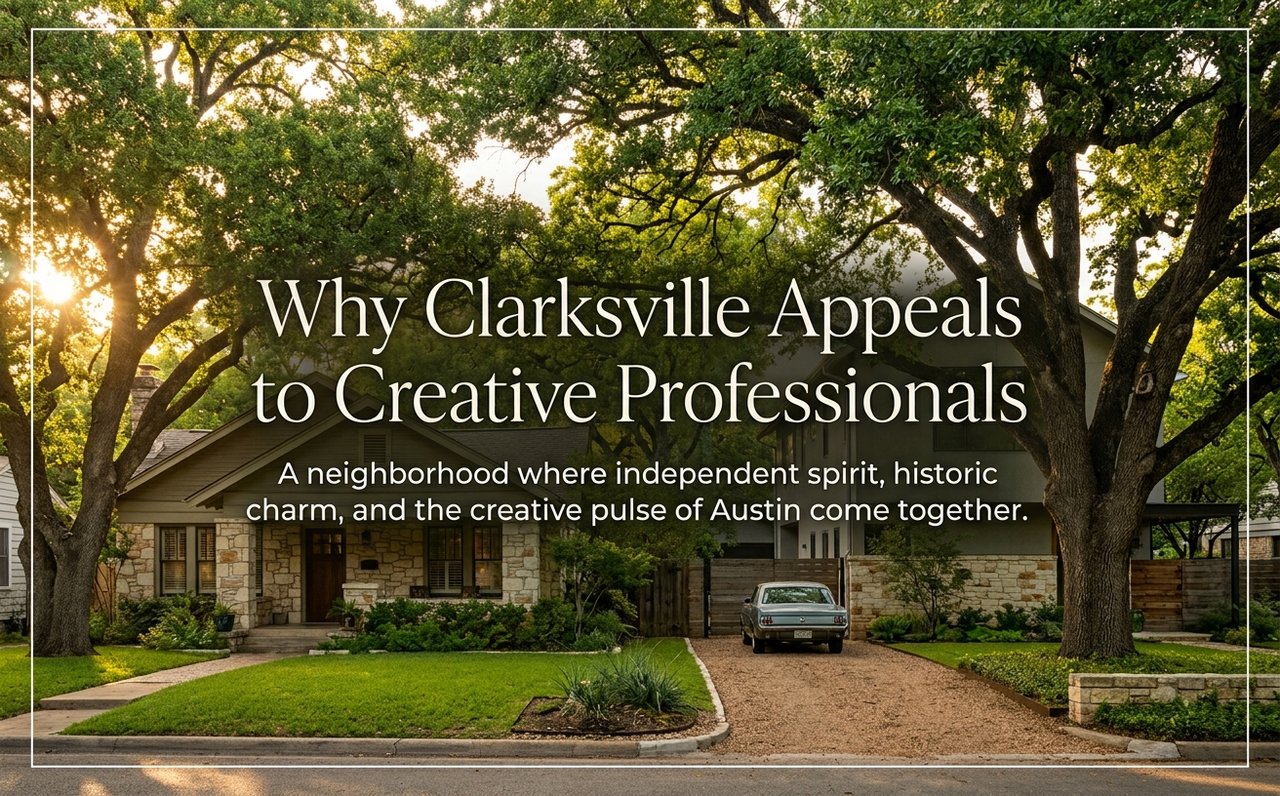
A neighborhood where independent spirit, historic charm, and the creative pulse of Austin come together.
Buyer Education
October 19, 2026
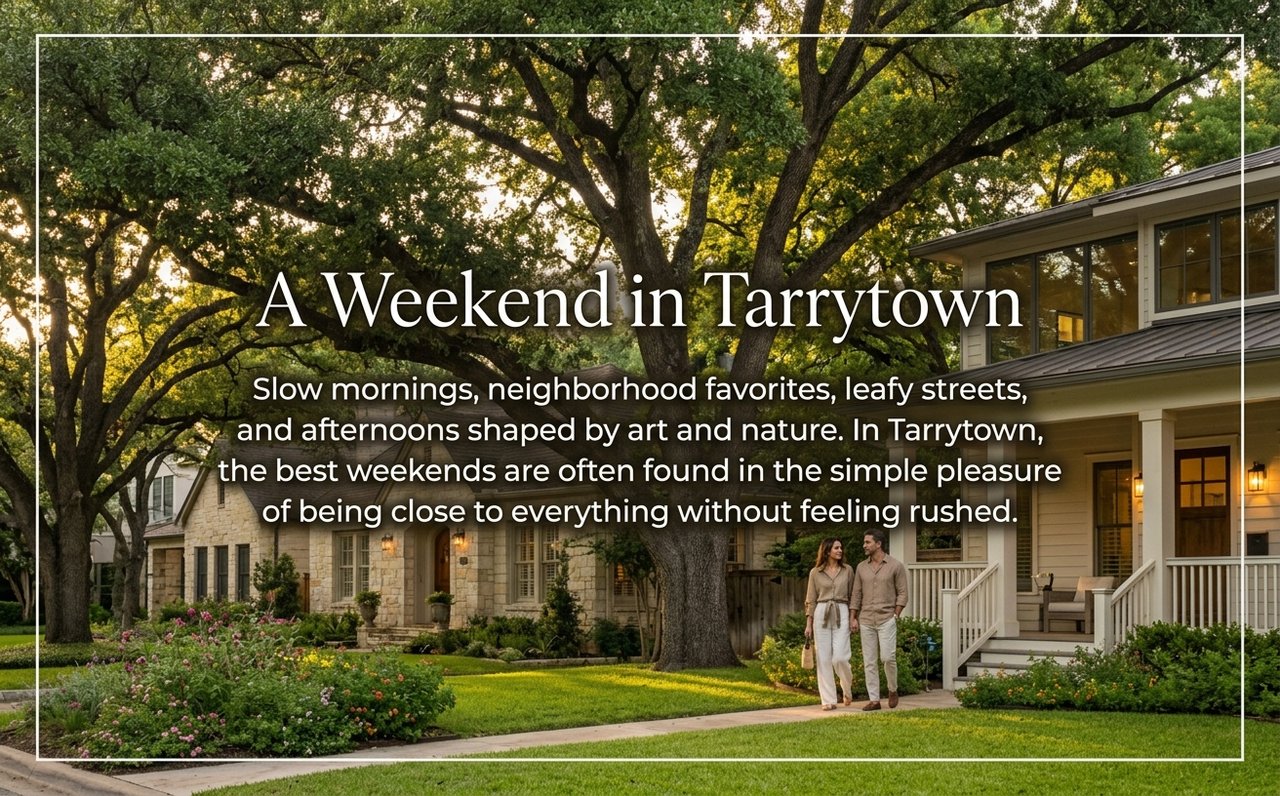
Slow mornings, neighborhood favorites, leafy streets, and afternoons shaped by art and nature. In Tarrytown, the best weekends are often found in the simple pleasure o… Read more

Buyer info
October 16, 2026
Two distinctive expressions of West Austin luxury. One offers established streets, mature trees, and an in-town rhythm. The other opens the door to Hill Country landsc… Read more
Art & Culture
October 15, 2026
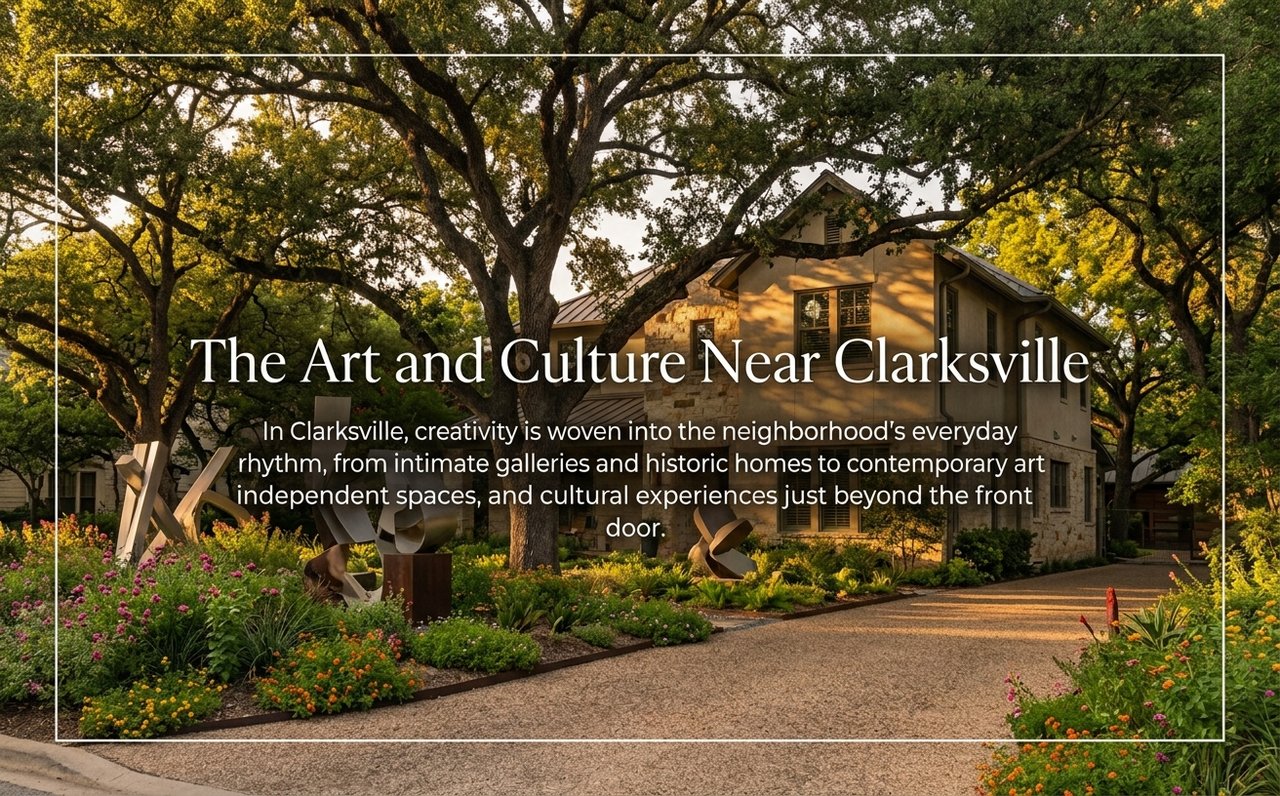
In Clarksville, creativity is woven into the neighborhood’s everyday rhythm, from intimate galleries and historic homes to contemporary art, independent spaces, and cu… Read more

Lifestyle
October 14, 2026
A neighborhood where family life feels connected to nature, community, and the city without sacrificing the sense of calm that makes home feel like home.

Lifestyle
October 13, 2026
When the lake becomes part of everyday life, home feels less like a place you return to and more like a lifestyle you never have to leave.

Lifestyle
October 12, 2026
The most valuable things in Tarrytown are often the ones you notice slowly: mature trees, privacy, architectural character, lake access, and the rare feeling of being … Read more
Get In Touch With Our Team To Learn More