KHANI ZULU | BROKER ASSOCIATE, MCNE, CLHMS | August 27, 2026
Buyer info
For years, Austin operated a little like a teenager.
Growing quickly. Changing constantly. Moving at a pace that sometimes felt impossible to sustain.
Population surged. Companies relocated here. Construction seemed endless. And double-digit home appreciation became something many people started to think was normal.
It wasn't.
What we're seeing now is something different.
Austin is entering a more mature phase of growth—and that may be one of the most important shifts the city's real estate market has experienced in years.
Austin has officially surpassed one million residents, while the metro continues to attract jobs, investment, and new residents.
The difference is the pace.
The economy is still expanding, but not at the breakneck speed we experienced during the height of the pandemic-era boom.
That distinction matters.
Growth doesn't have to mean constant acceleration. A healthy city can continue attracting people and investment while becoming more measured, more selective, and more sustainable.
And Austin appears to be entering that next chapter.
Real estate is often one of the clearest ways to see a city's changing momentum.
In July, home sales in the City of Austin were up 11% year over year, while the median sales price was down just 1.4%.
That tells us something important.
People are still buying.
But they're being much more selective about what they buy—and what they're willing to pay for it.
The market hasn't disappeared.
It has become more discerning.
During Austin's most competitive period, buyers often had to move quickly, compete aggressively, and make decisions with very little leverage.
Sellers, meanwhile, could sometimes achieve remarkable results simply by entering the market.
That environment has changed.
Today, buyers have more choices and more negotiating power. They're taking their time, comparing properties, evaluating condition, and thinking carefully about value.
For sellers, that means the details matter more than ever.
Pricing.
Presentation.
Condition.
Marketing.
Strategy.
A great home can still attract significant attention. But the market is no longer rewarding every property equally.
This is an important distinction.
A market where buyers are selective isn't necessarily a market that's failing.
In many ways, it's a healthier market.
Buyers have the opportunity to make more thoughtful decisions. Sellers have clearer feedback about how the market perceives their property. And value becomes more closely connected to the actual qualities of a home rather than simply the momentum of the market.
That's a meaningful shift from the frenzy Austin experienced several years ago.
For buyers, this new phase creates opportunities that were difficult to find during the boom.
More inventory and greater negotiating power can make it possible to take a more strategic approach.
Instead of asking, "How quickly do I need to buy?" buyers can focus on a better question:
"Is this actually the right property for me?"
That shift is particularly important in Austin's luxury market, where lifestyle, location, architecture, privacy, and long-term value can vary significantly from one property to another.
For sellers, the message is equally clear.
The market hasn't stopped rewarding exceptional properties.
It has simply become more selective about which properties deserve a premium.
Homes that are well-positioned, well-presented, appropriately priced, and supported by a thoughtful marketing strategy can still stand out.
The difference is that success can no longer be assumed.
It has to be earned.
Perhaps the most encouraging part of this transition is what it could mean for Austin over the long term.
A sustainable real estate market isn't built on perpetual double-digit appreciation.
It's built on a strong economy, continued demand, responsible growth, and a housing market that people can have confidence in over time.
That kind of stability may not generate the same headlines as a housing frenzy.
But it can create something much more valuable.
A stronger foundation for the years ahead.
It's easy to look at a slower pace of appreciation or more selective buyers and assume something is wrong.
We don't see it that way.
Austin is still attracting people.
Businesses are still investing here.
The economy is still expanding.
And people are still buying homes.
The difference is that the market is becoming more mature.
More thoughtful.
More selective.
And ultimately, more sustainable.
The headlines may continue to ask whether Austin is booming or crashing.
We think the more accurate story is much less dramatic—and much more encouraging.
Austin isn't slowing down. Austin is growing up.
And as the city moves into this next chapter, understanding how that growth affects neighborhoods, home values, and opportunities will matter more than ever.
For buyers and sellers alike, this is a market where strategy matters.
Not because Austin has stopped being desirable.
Because Austin has become a market worth understanding.
With Gratitude,
Khani Zulu
@properties Christie's International Real Estate
Stay up to date on the latest real estate trends.
Buyer info
October 21, 2026
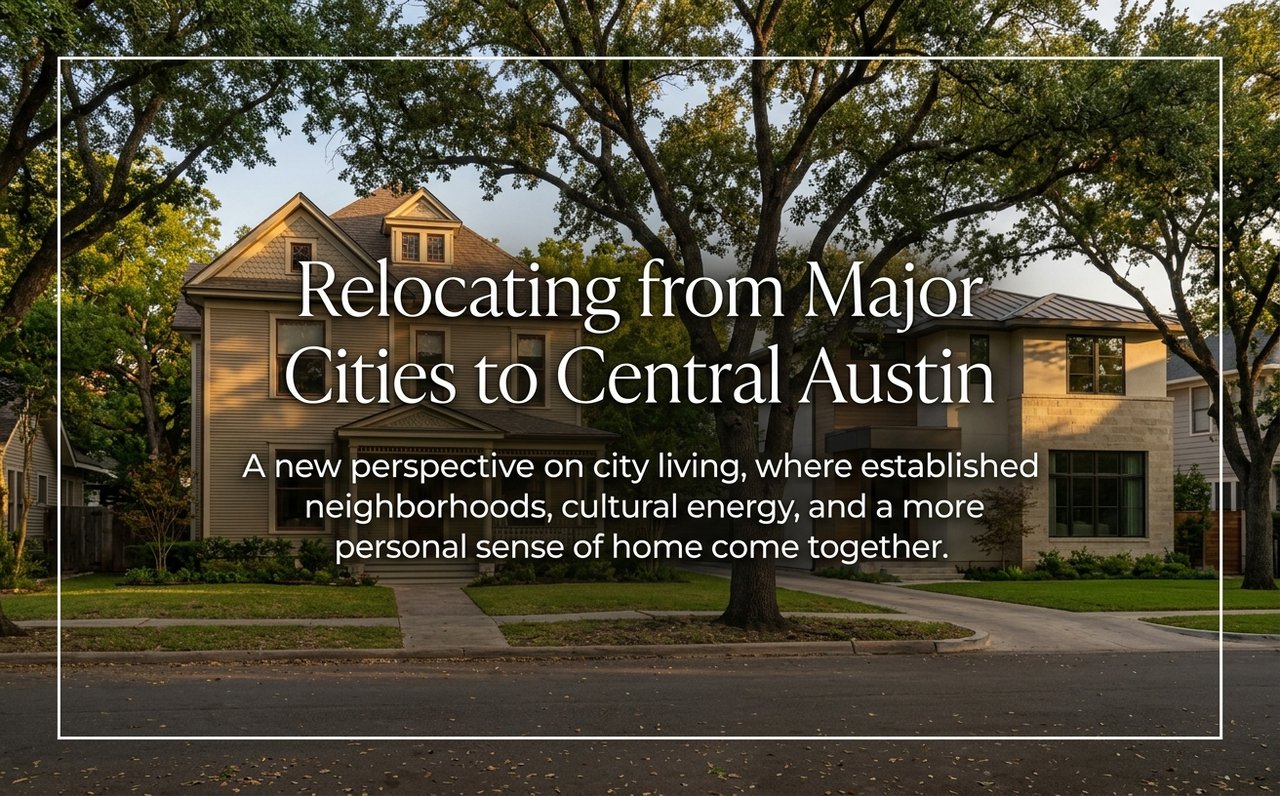
A new perspective on city living, where established neighborhoods, cultural energy, and a more personal sense of home come together.
Buyer info
October 20, 2026
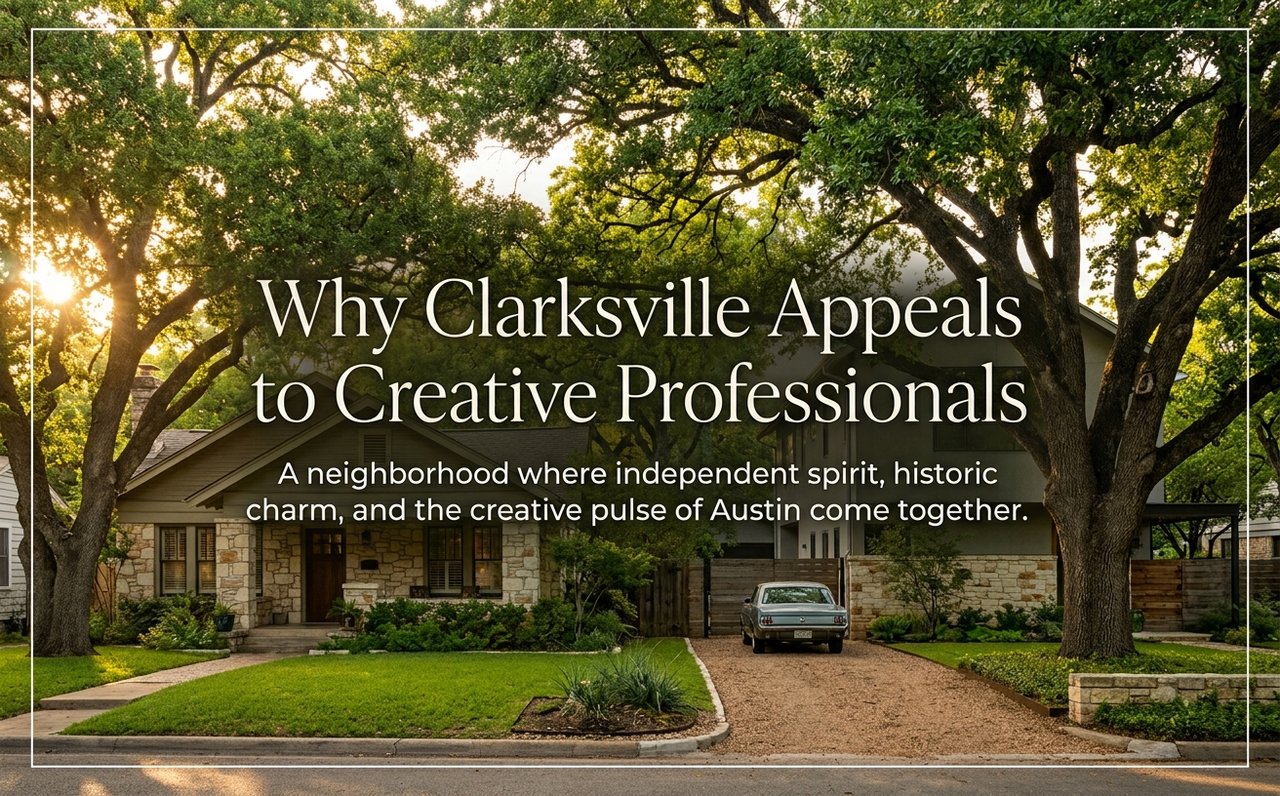
A neighborhood where independent spirit, historic charm, and the creative pulse of Austin come together.
Buyer Education
October 19, 2026
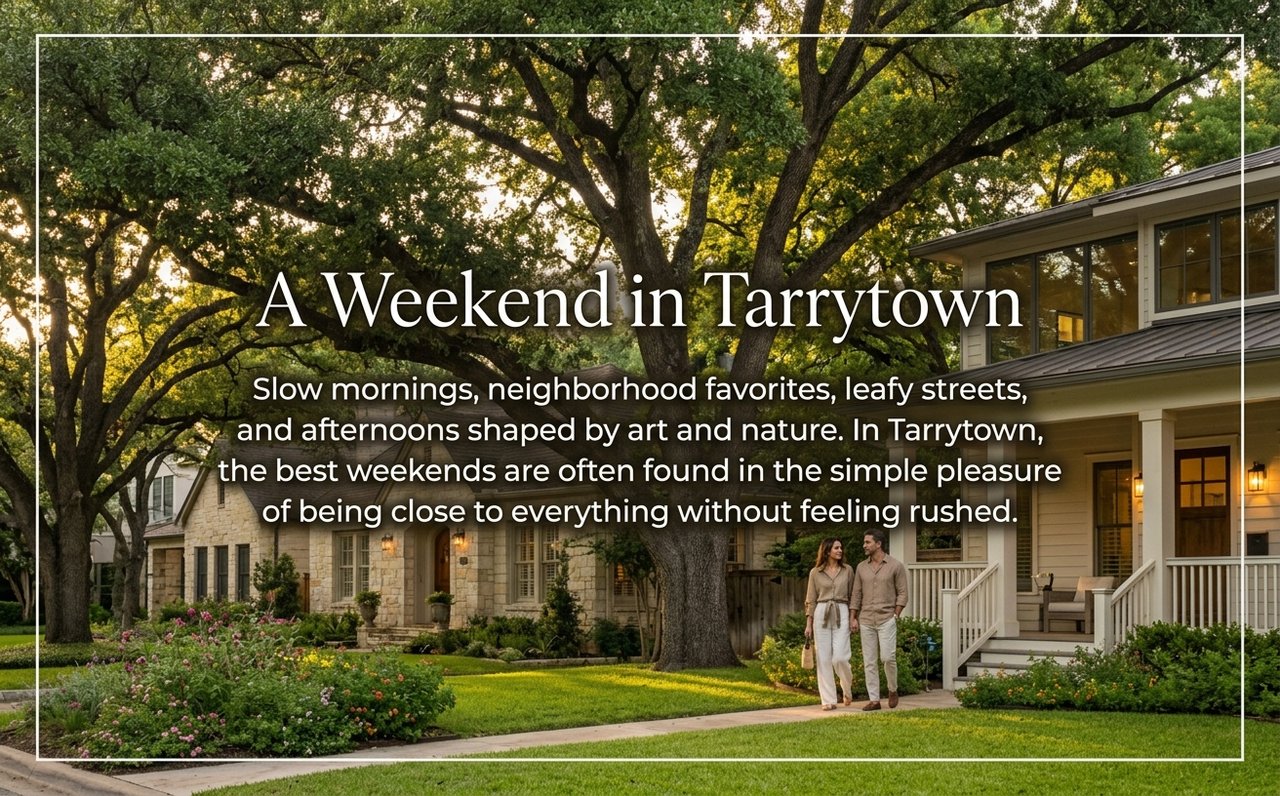
Slow mornings, neighborhood favorites, leafy streets, and afternoons shaped by art and nature. In Tarrytown, the best weekends are often found in the simple pleasure o… Read more
Buyer info
October 16, 2026
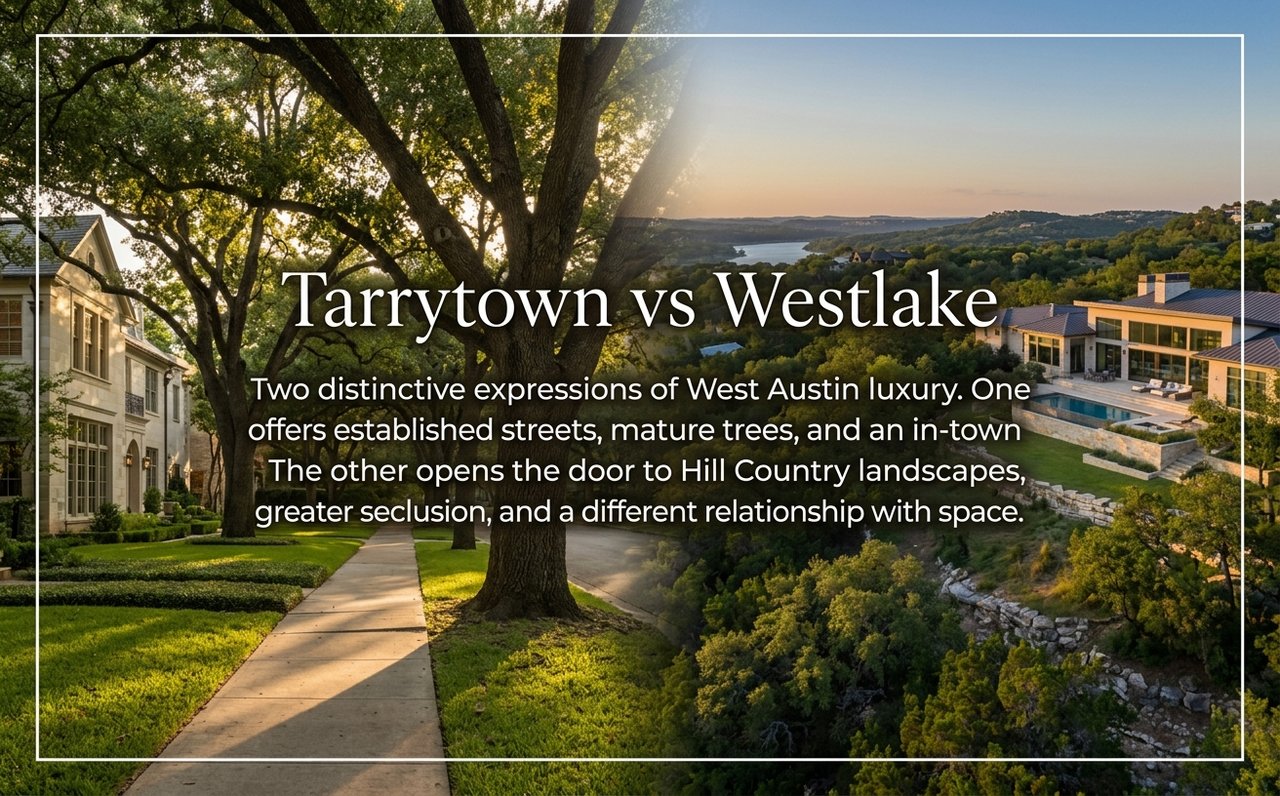
Two distinctive expressions of West Austin luxury. One offers established streets, mature trees, and an in-town rhythm. The other opens the door to Hill Country landsc… Read more
Art & Culture
October 15, 2026
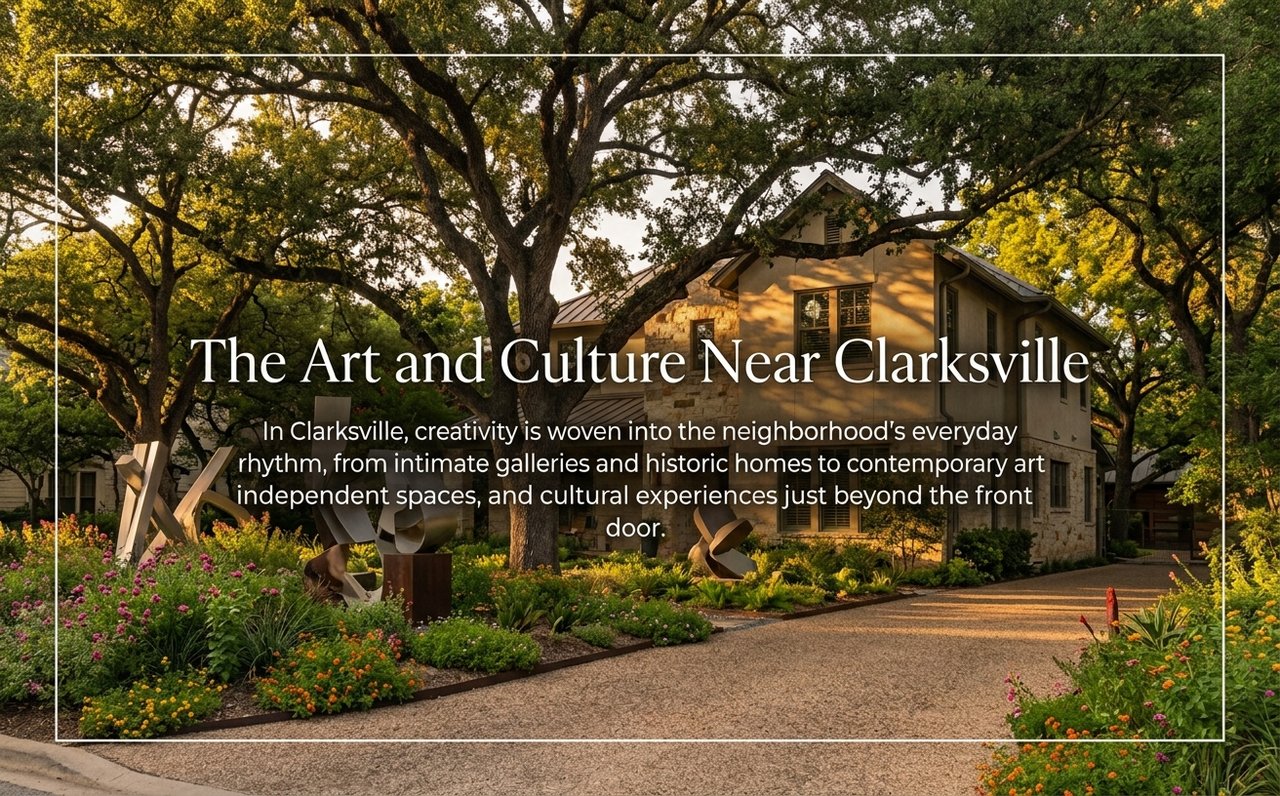
In Clarksville, creativity is woven into the neighborhood’s everyday rhythm, from intimate galleries and historic homes to contemporary art, independent spaces, and cu… Read more
Lifestyle
October 14, 2026
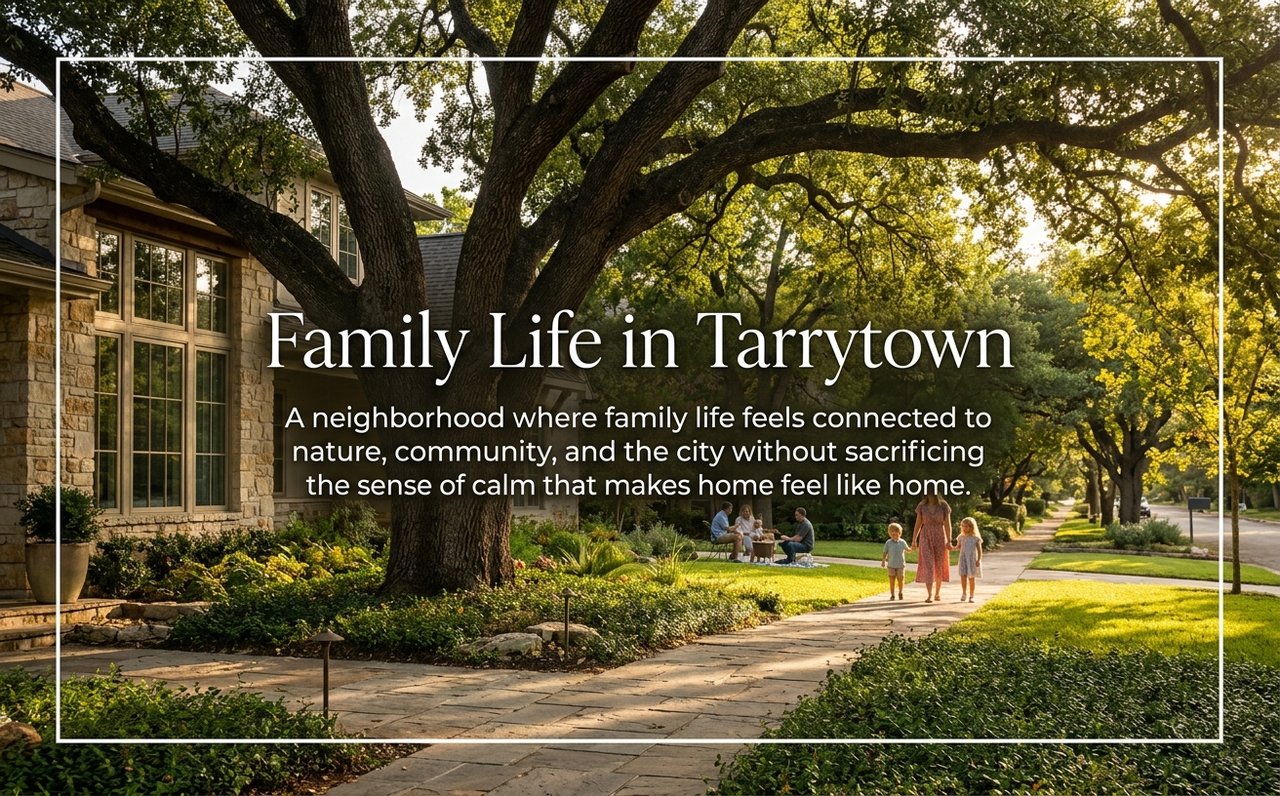
A neighborhood where family life feels connected to nature, community, and the city without sacrificing the sense of calm that makes home feel like home.
Lifestyle
October 13, 2026
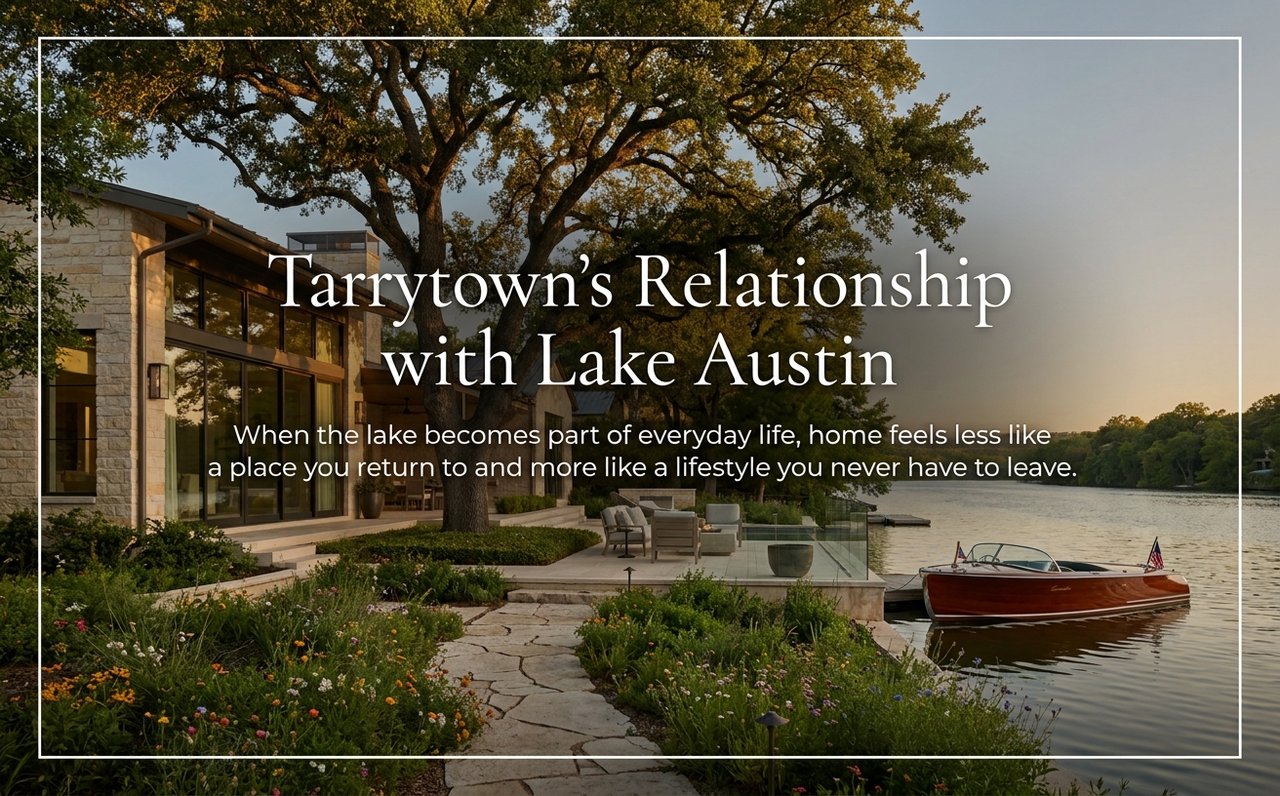
When the lake becomes part of everyday life, home feels less like a place you return to and more like a lifestyle you never have to leave.
Lifestyle
October 12, 2026
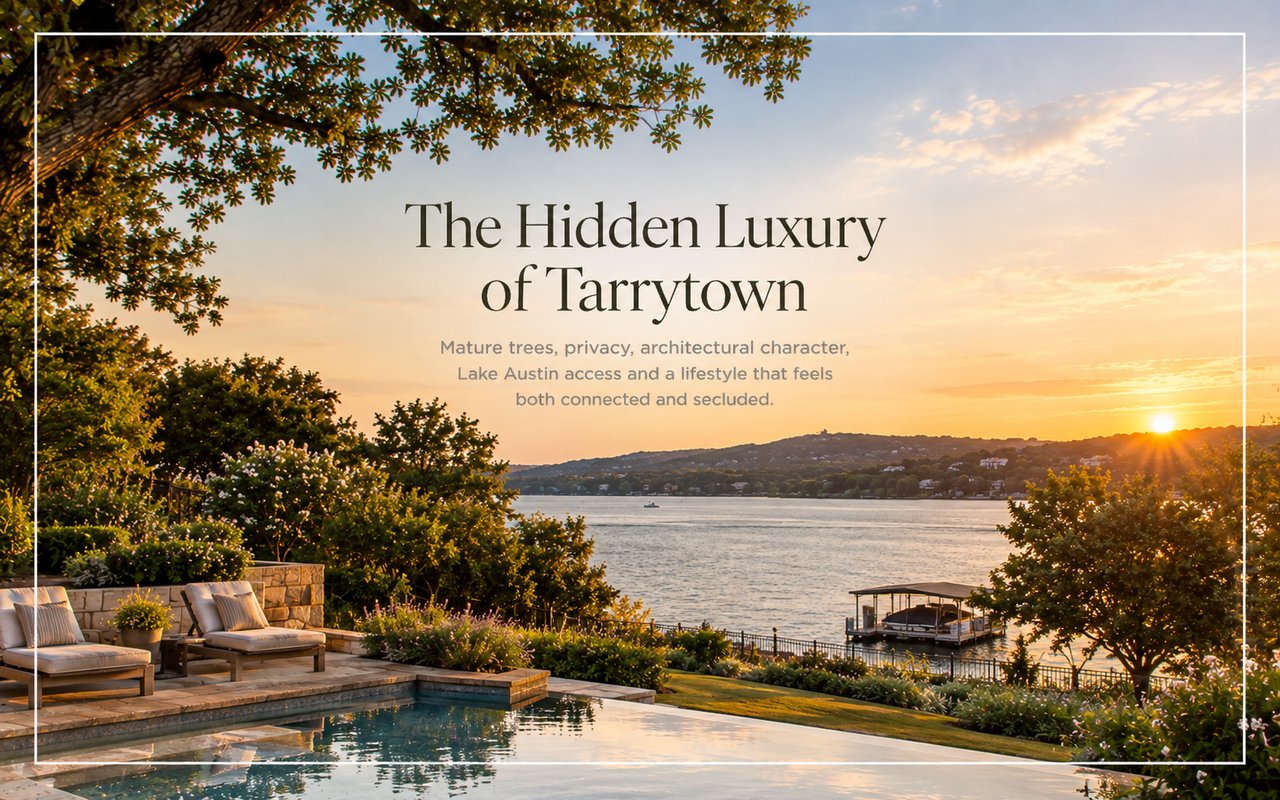
The most valuable things in Tarrytown are often the ones you notice slowly: mature trees, privacy, architectural character, lake access, and the rare feeling of being … Read more
Buyer Education
October 10, 2026
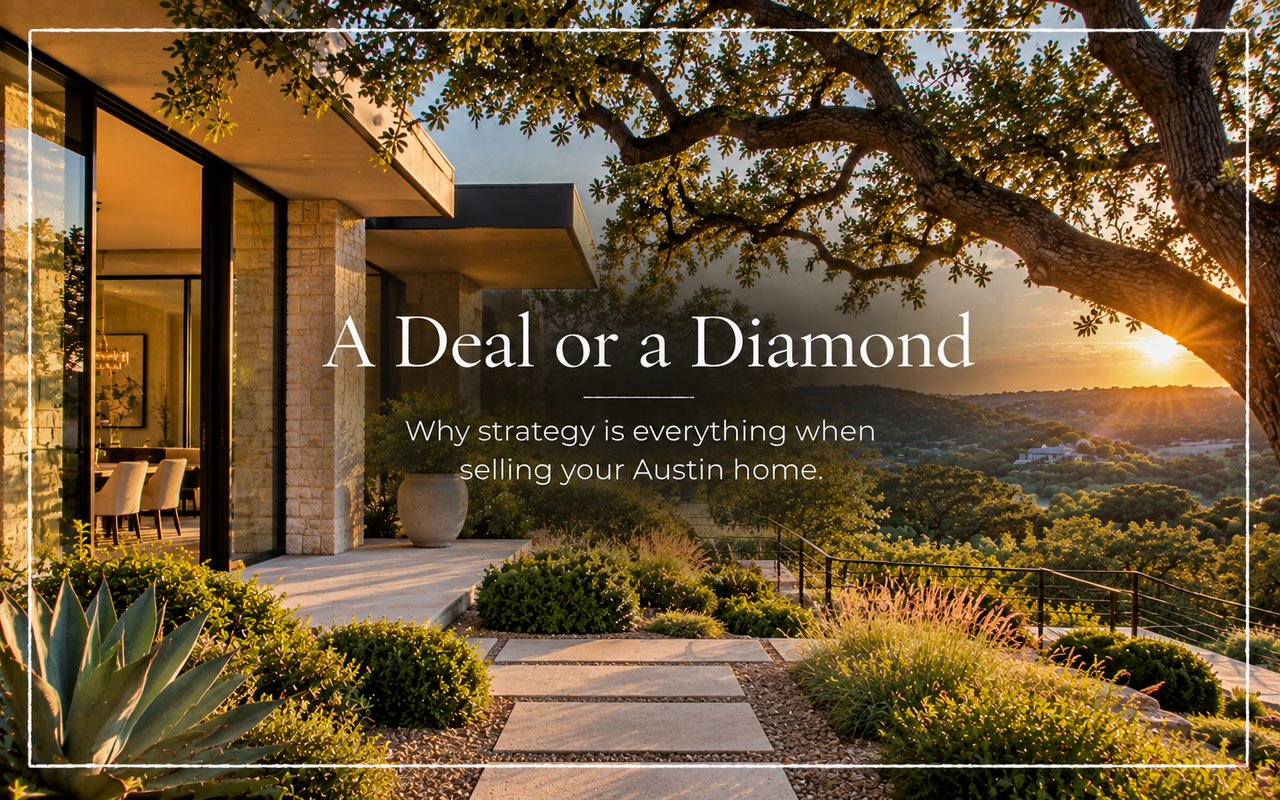
In a changing market, the right preparation, pricing, and presentation can make all the difference in how buyers see your home.
Get In Touch With Our Team To Learn More