KHANI ZULU | BROKER ASSOCIATE, MCNE, CLHMS | May 23, 2026
Art & Culture
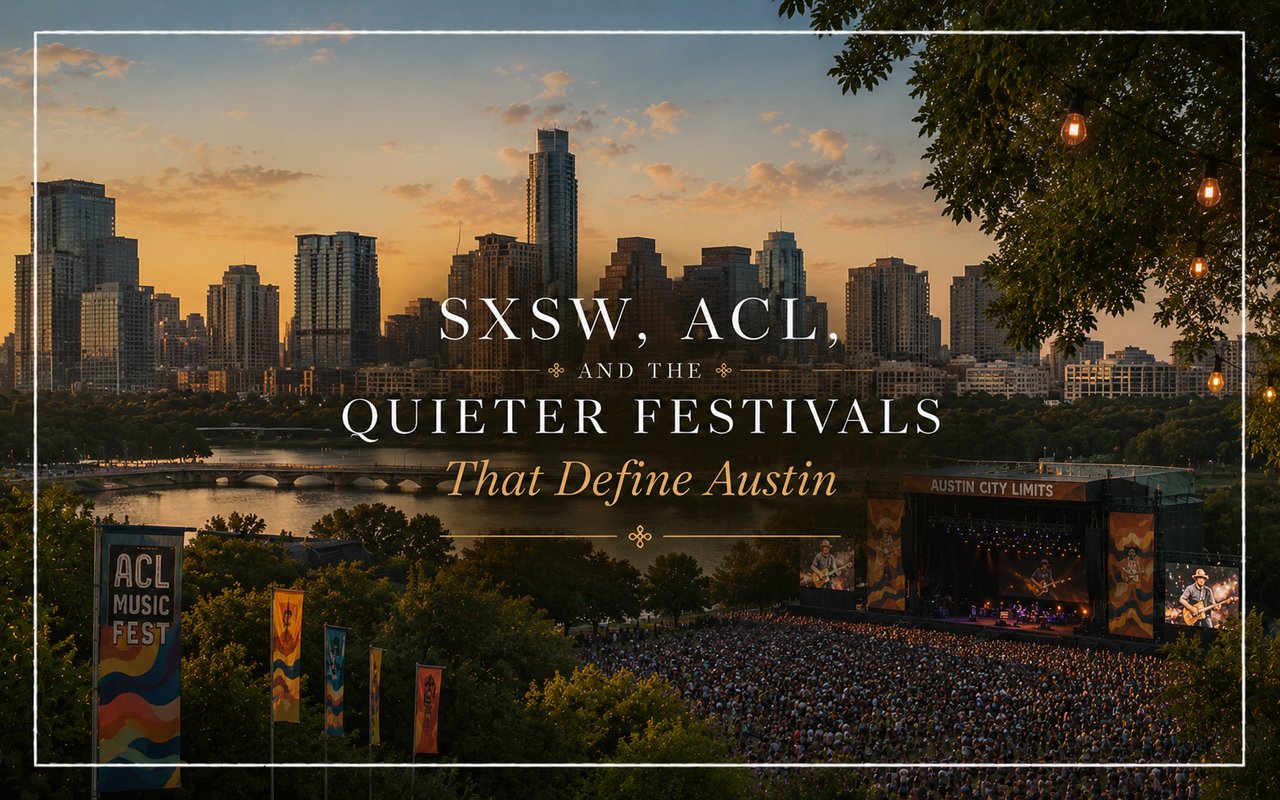
Most people arrive in Austin already knowing two names.
SXSW.
ACL.
And to be fair, both deserve the attention they receive.
But the deeper truth about Austin’s cultural identity is that it is not built around one festival weekend or one headline event. It is built around a year-round rhythm of gatherings, screenings, concerts, conversations, outdoor events, and smaller cultural traditions that longtime residents quietly organize their calendars around.
The festivals matter here because they shape the energy of the city itself.
Some weeks Austin feels like a global creative capital.
Other weeks it feels local, intimate, and neighborhood-driven.
The contrast is part of the charm.
South by Southwest arrives every March, and for two weeks Austin transforms completely.
The city becomes louder.
Busier.
More crowded.
More electric.
Hotels fill.
Restaurants extend waits.
Downtown traffic rearranges itself entirely.
SXSW operates through three overlapping worlds:
And each carries its own ecosystem.
For music, SXSW remains one of the industry’s most influential discovery platforms. Artists from around the world perform across hundreds of venues, from iconic theaters to temporary outdoor stages hidden behind downtown buildings.
For technology and venture capital, the conference draws founders, executives, investors, and media looking for what feels next.
And for film, SXSW has quietly become one of the strongest launch platforms in the country for independent cinema, documentaries, and breakout premieres.
Longtime residents usually fall into two categories during SXSW:
Both approaches are understandable.
Where SXSW feels industry-facing, Austin City Limits Music Festival feels communal.
Held across two weekends each October in Zilker Park, ACL has become one of the defining traditions of fall in Austin.
The setting itself carries much of the magic:
The lineup balances major headliners with emerging artists, which keeps the atmosphere broad enough for:
Many Austinites plan around ACL the same way other cities plan around holiday weekends.
It has become part of the city’s emotional calendar.
The festivals many residents grow most attached to over time are often the quieter ones.
Austin Film Festival, held in October, has earned a national reputation among screenwriters and filmmakers. Unlike larger celebrity-heavy festivals, AFF remains unusually focused on the craft of storytelling itself.
Writers from Los Angeles, New York, and beyond regularly attend:
And because Austin still feels more approachable than larger entertainment cities, the atmosphere remains surprisingly accessible.
Fantastic Fest operates on an entirely different frequency.
Hosted by Alamo Drafthouse each September, it has developed near-cult status among genre filmmakers, critics, and dedicated film audiences. Horror, science fiction, international cinema, and experimental storytelling dominate the schedule, creating one of the most distinctive film communities anywhere in the country.
Other festivals continue adding layers to the city’s cultural identity:
Each draws a different audience.
Each reveals a different version of Austin.
Some of Austin’s most beloved cultural traditions are not industry events at all.
Texas Book Festival brings authors, readers, and publishers downtown every fall, quietly becoming one of the city’s most intellectually engaged weekends of the year.
The Austin Chronicle Hot Sauce Festival, while far more casual, feels deeply Austin in its own way — local, eccentric, social, and slightly chaotic.
Austin Pride continues growing each year as well, reflecting the city’s evolving cultural identity and community visibility.
And then there are the quieter seasonal rituals:
These events often become the ones residents remember most.
One of the most useful things newcomers can understand is that no one experiences all of Austin’s cultural calendar.
Longtime residents usually build their own version of the city over time.
Some lean heavily into:
Others prefer:
Part of settling into Austin is discovering which parts of the city’s rhythm actually belong to you.
And eventually, certain weekends begin feeling less like events and more like traditions.
Austin’s festival culture matters because it reveals what kind of city this really is beneath the headlines.
Creative.
Social.
Sometimes chaotic.
Often deeply local despite its growth.
The city still gathers around ideas, music, film, conversation, food, and public space in ways that many larger cities have gradually lost.
That energy is part of why so many people stay longer than they originally planned.
If you are new to Austin and trying to understand how the city actually moves throughout the year, I would always be glad to share the festivals, weekends, and traditions that many longtime residents quietly organize life around.
With Gratitude,
Khani Zulu Group
@properties Christie’s International Real Estate
Stay up to date on the latest real estate trends.
Buyer info
October 21, 2026
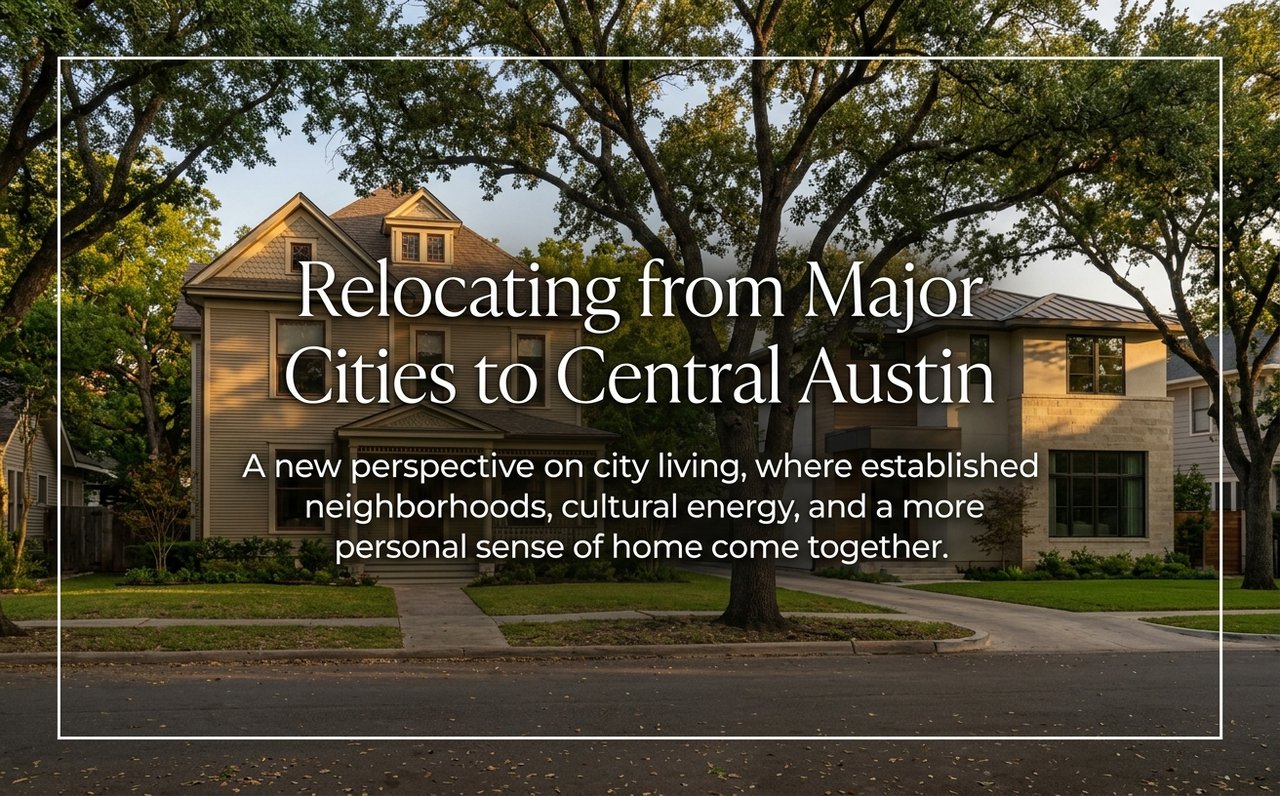
A new perspective on city living, where established neighborhoods, cultural energy, and a more personal sense of home come together.
Buyer info
October 20, 2026
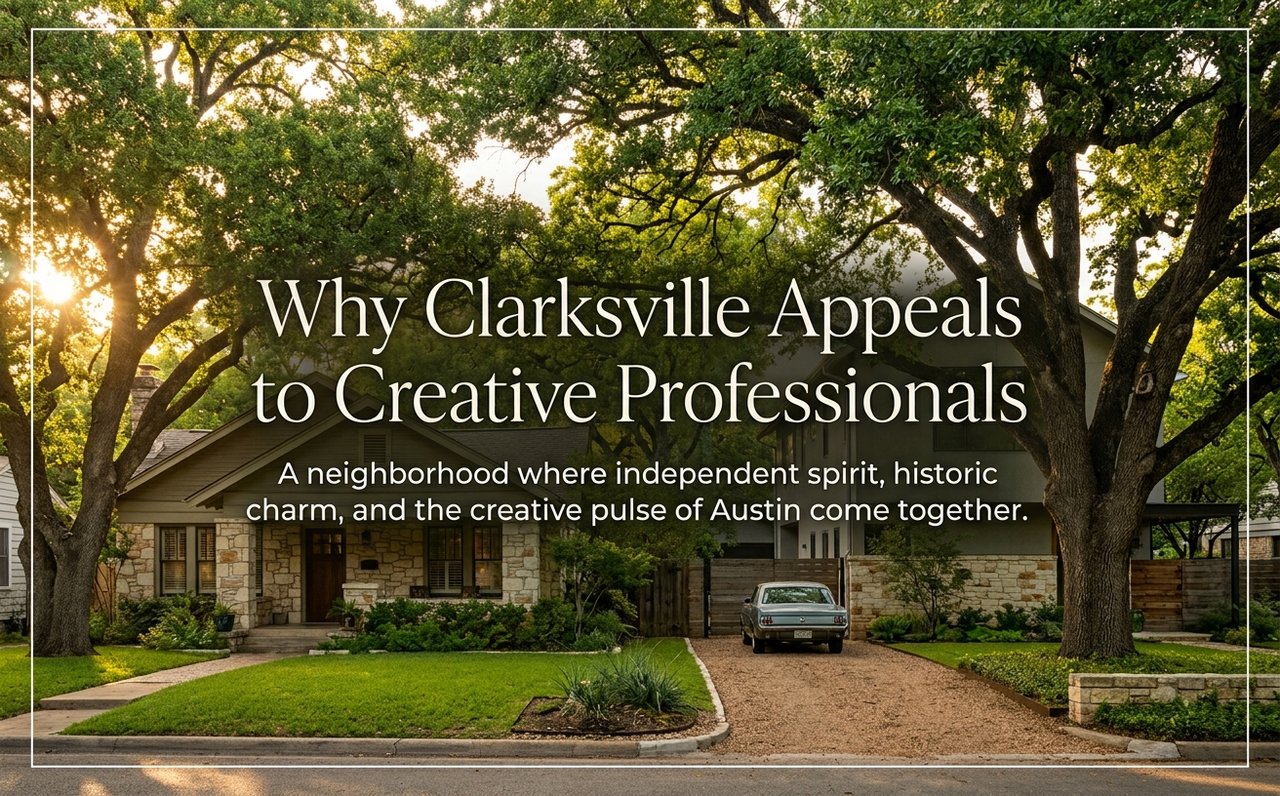
A neighborhood where independent spirit, historic charm, and the creative pulse of Austin come together.
Buyer Education
October 19, 2026
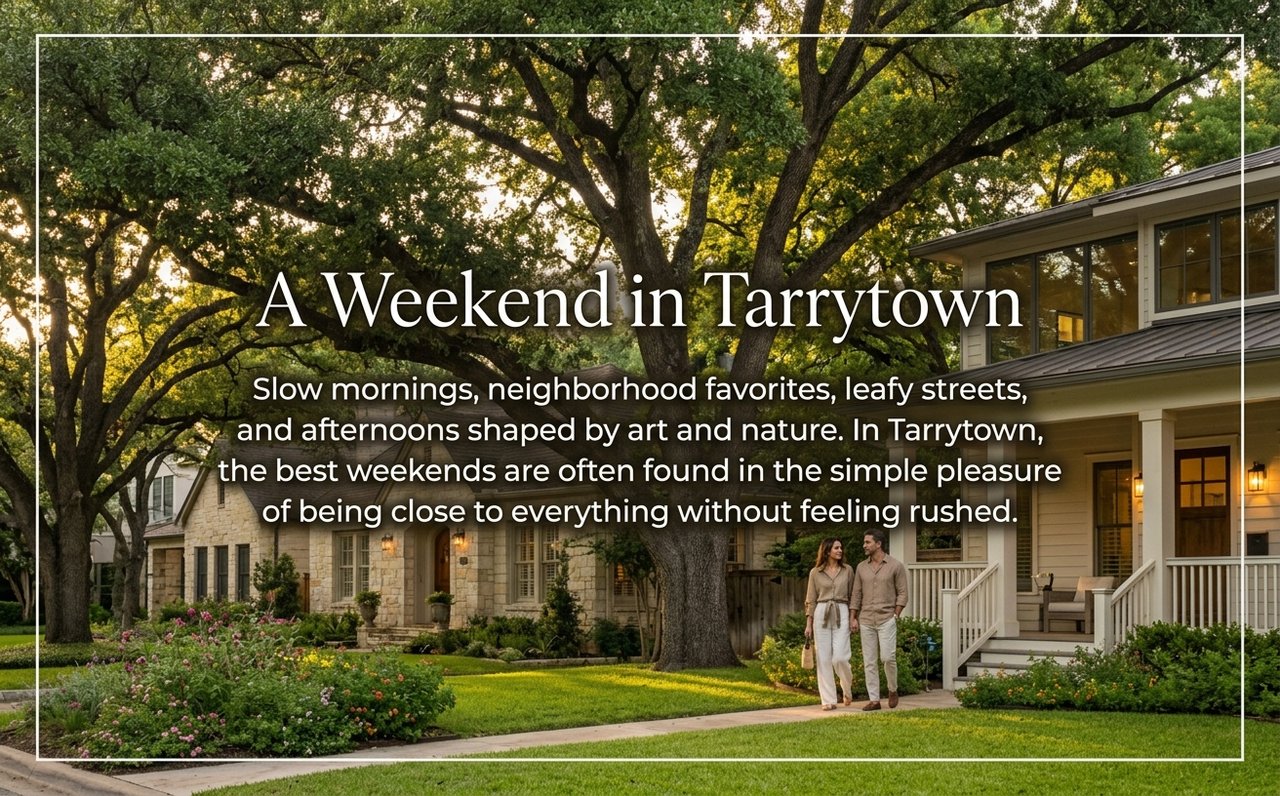
Slow mornings, neighborhood favorites, leafy streets, and afternoons shaped by art and nature. In Tarrytown, the best weekends are often found in the simple pleasure o… Read more
Buyer info
October 16, 2026
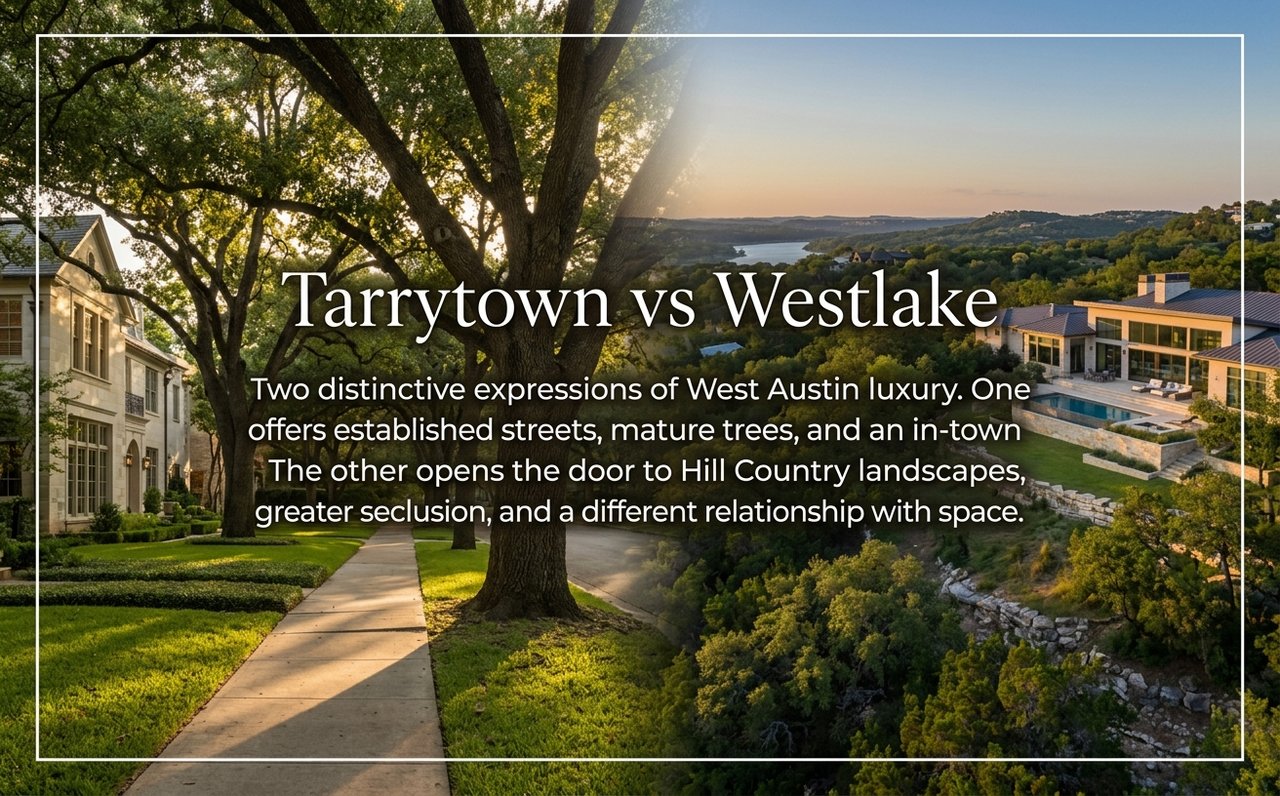
Two distinctive expressions of West Austin luxury. One offers established streets, mature trees, and an in-town rhythm. The other opens the door to Hill Country landsc… Read more
Art & Culture
October 15, 2026
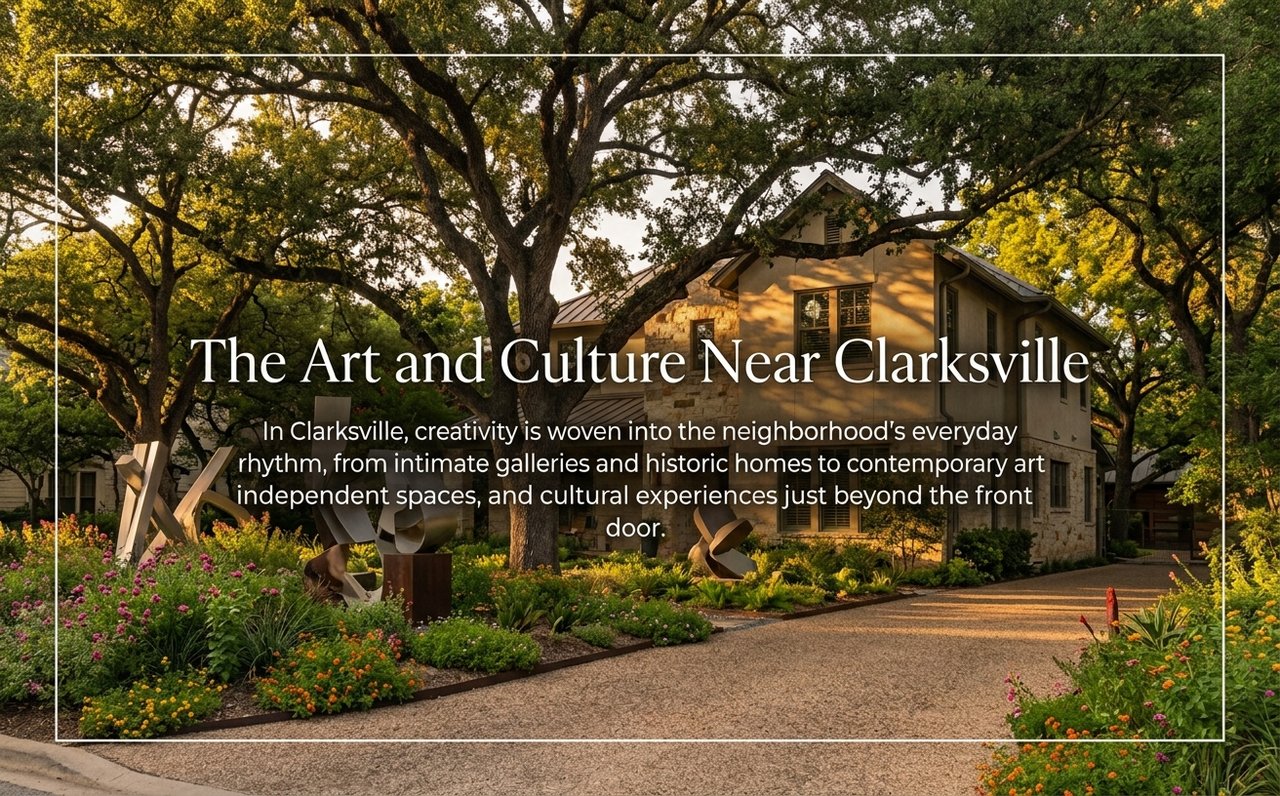
In Clarksville, creativity is woven into the neighborhood’s everyday rhythm, from intimate galleries and historic homes to contemporary art, independent spaces, and cu… Read more
Lifestyle
October 14, 2026
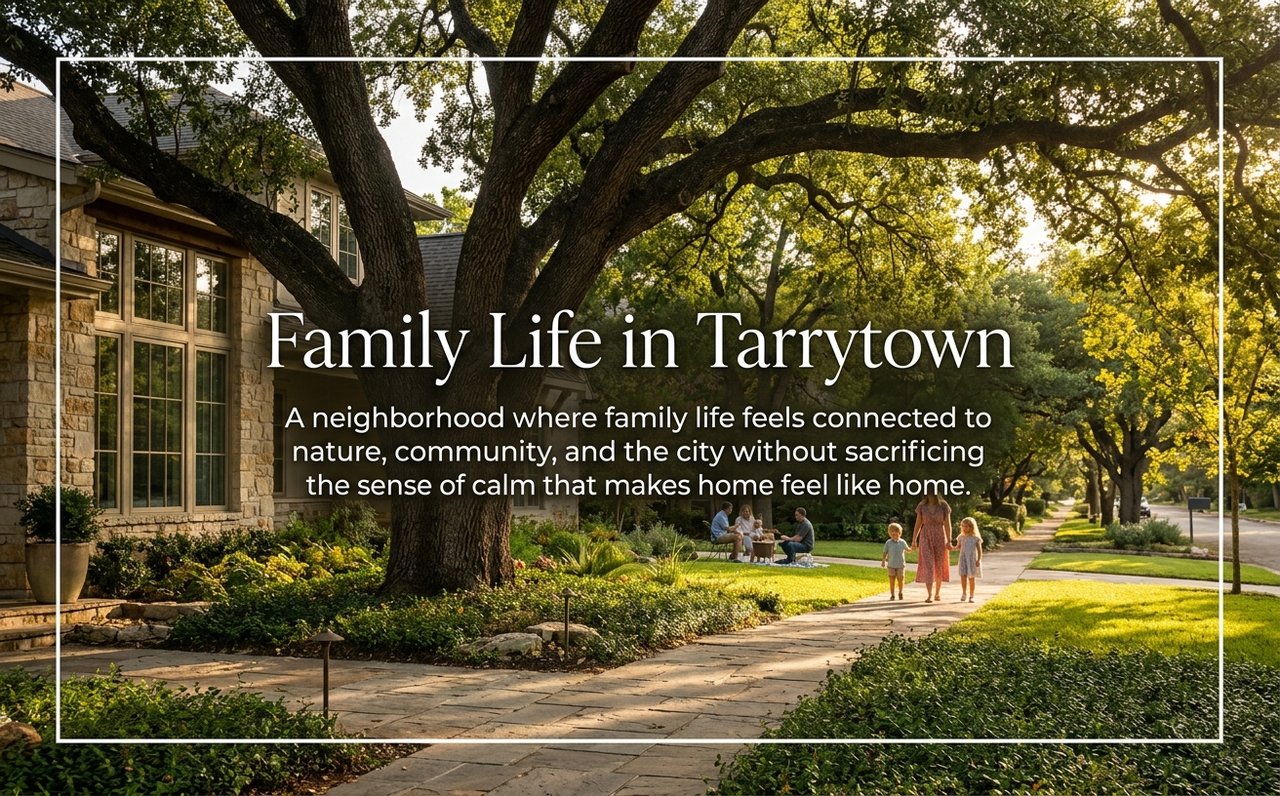
A neighborhood where family life feels connected to nature, community, and the city without sacrificing the sense of calm that makes home feel like home.
Lifestyle
October 13, 2026
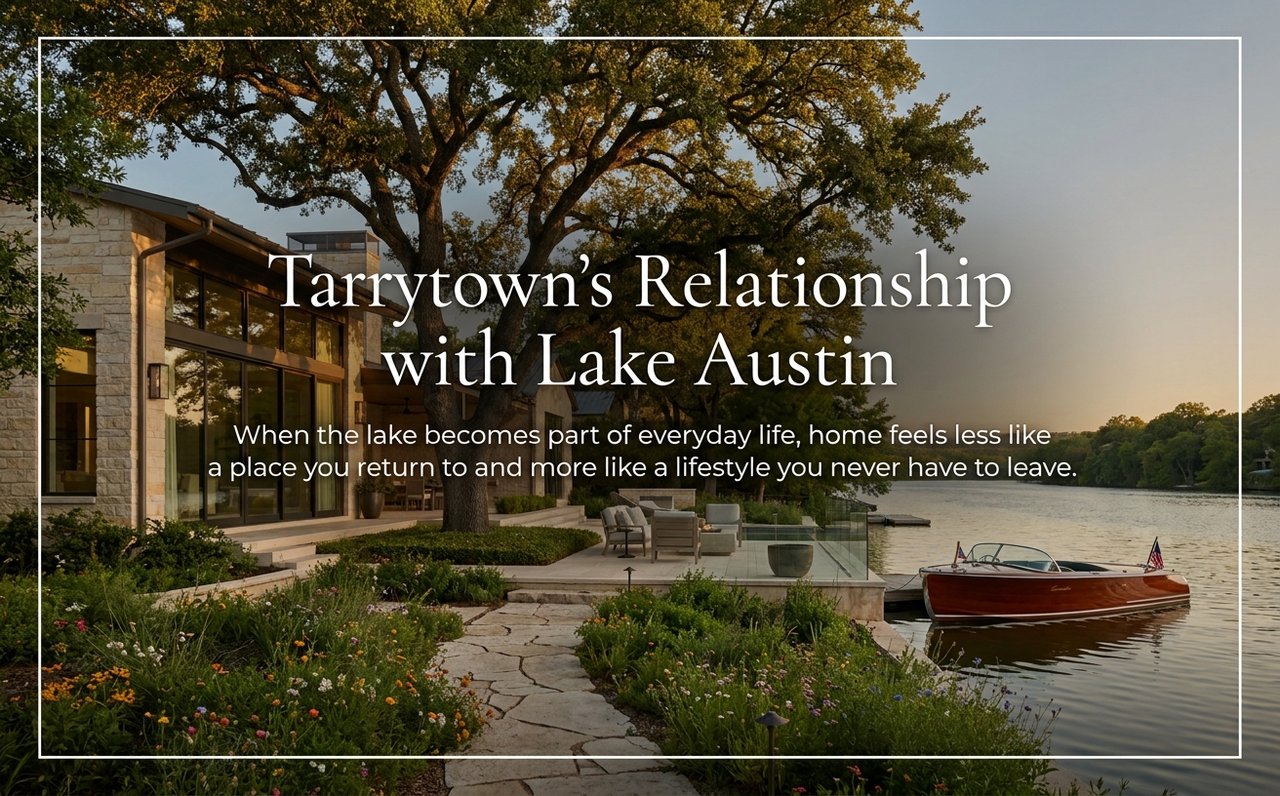
When the lake becomes part of everyday life, home feels less like a place you return to and more like a lifestyle you never have to leave.
Lifestyle
October 12, 2026
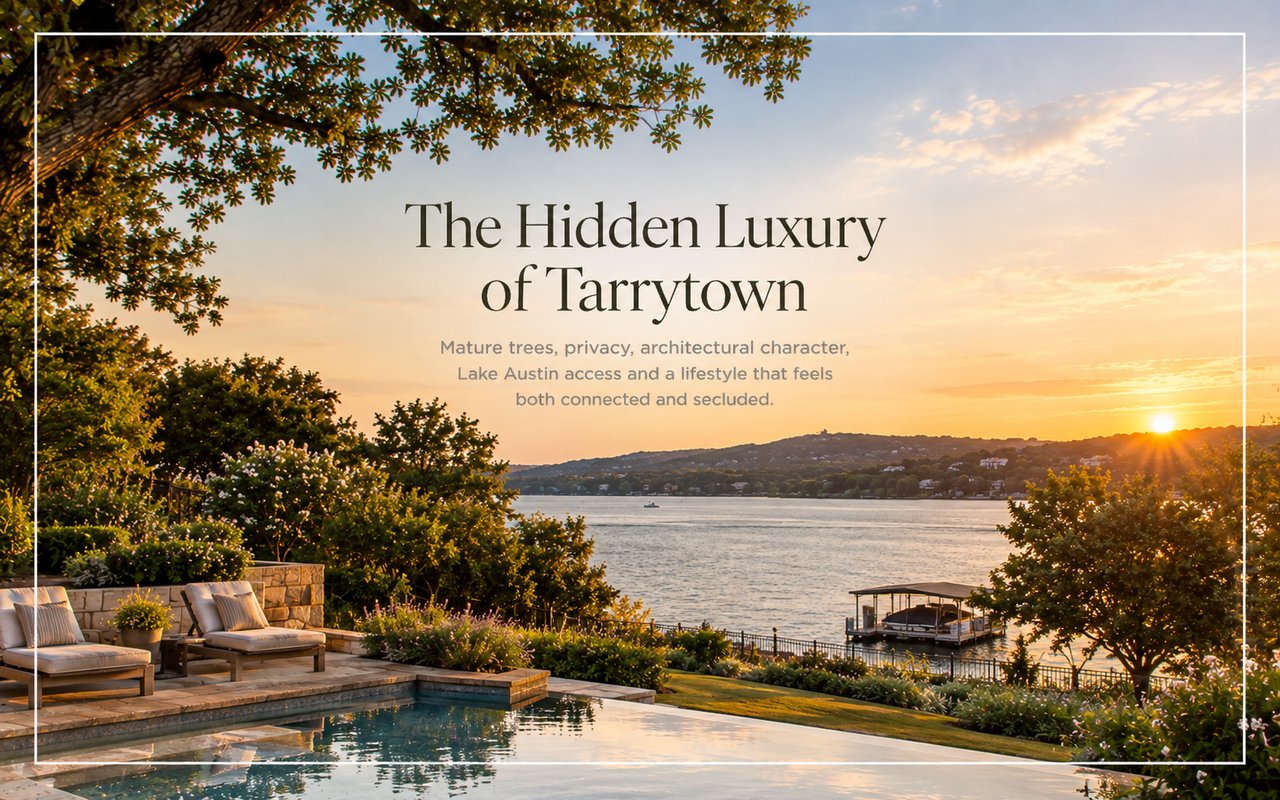
The most valuable things in Tarrytown are often the ones you notice slowly: mature trees, privacy, architectural character, lake access, and the rare feeling of being … Read more
Buyer Education
October 10, 2026
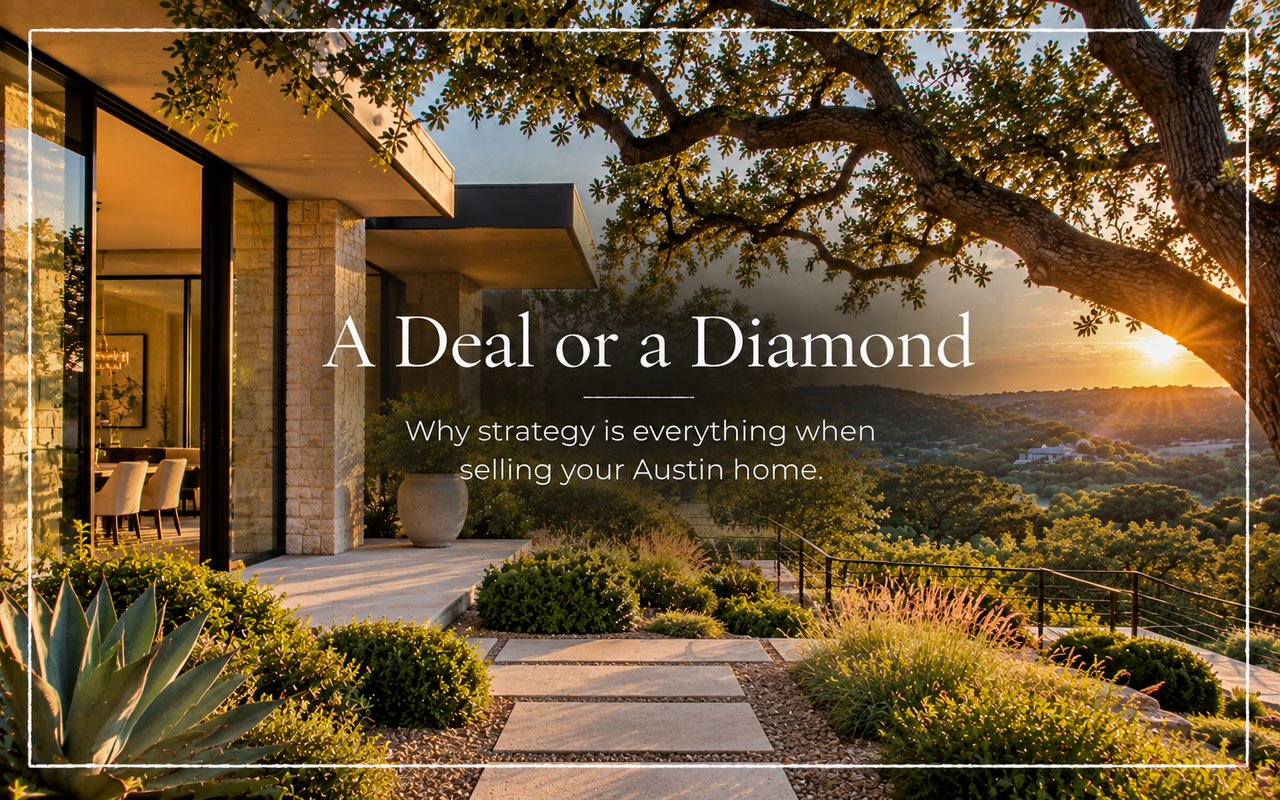
In a changing market, the right preparation, pricing, and presentation can make all the difference in how buyers see your home.
Get In Touch With Our Team To Learn More