KHANI ZULU | BROKER ASSOCIATE, MCNE, CLHMS | May 30, 2026
Art & Culture
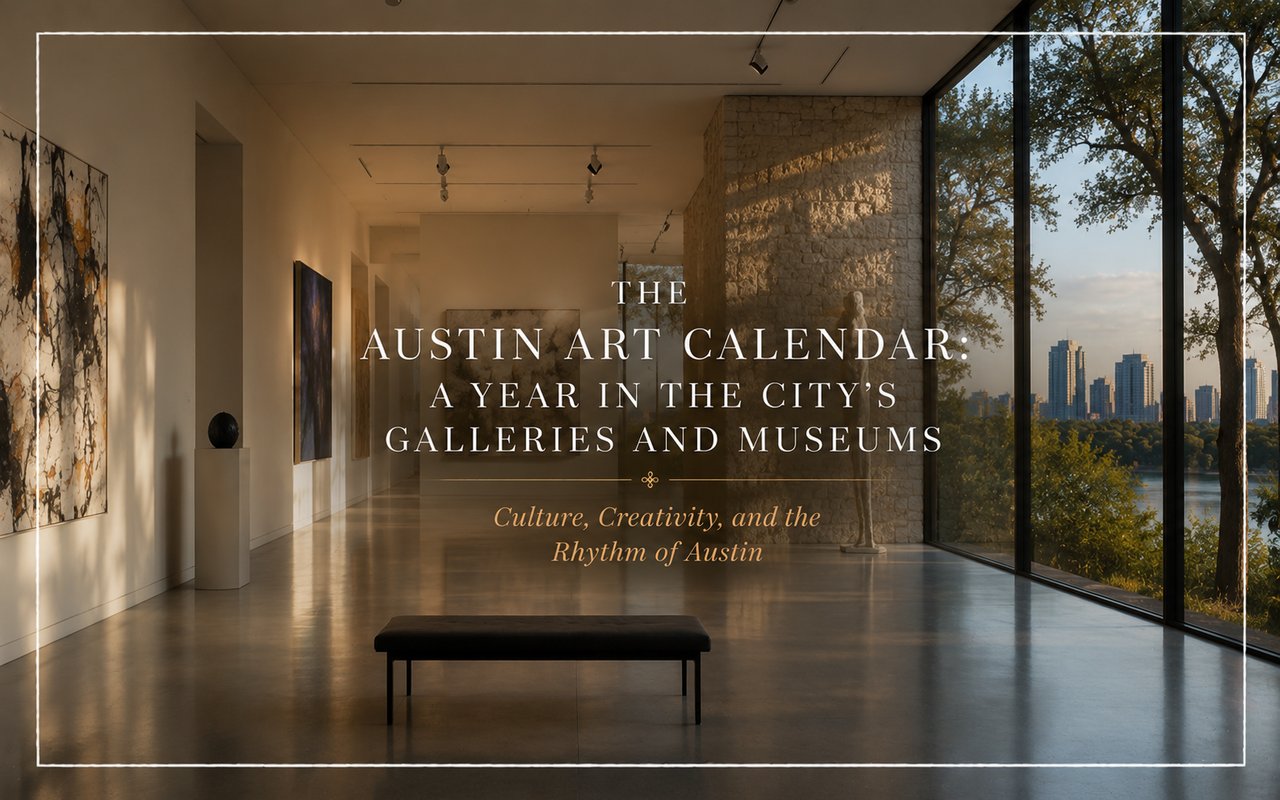
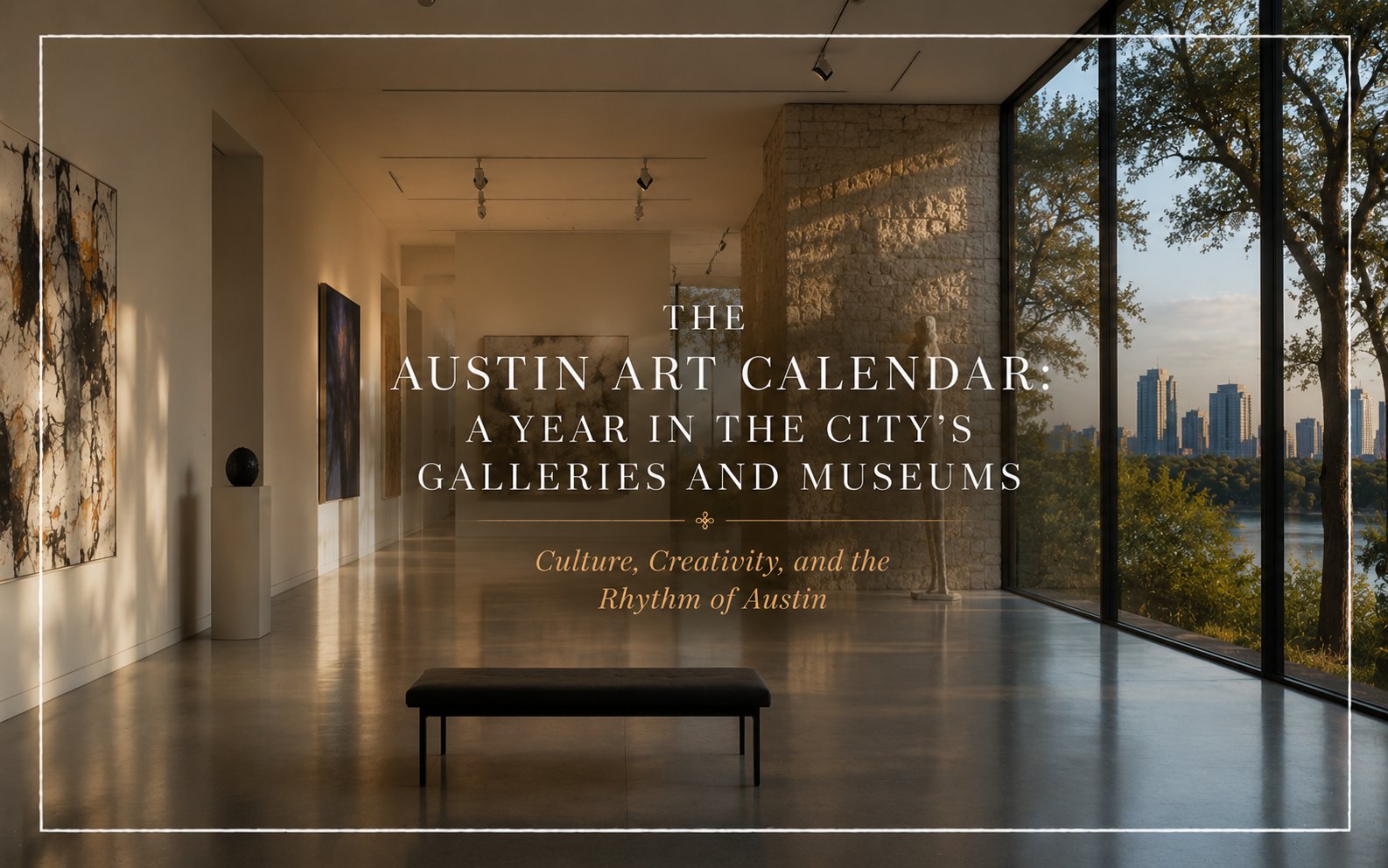
Austin is usually introduced to newcomers through music.
Live shows.
Festivals.
Venues.
Crowds.
But another cultural layer runs quietly beneath the surface of the city year-round.
Austin’s gallery and museum world has matured considerably over the past decade, creating a cultural rhythm that feels increasingly sophisticated while still remaining unusually approachable.
For many residents, the city’s art calendar becomes one of the most meaningful ways to understand Austin beyond the headlines.
Not all at once.
Season by season.
Spring tends to be when Austin’s major institutions unveil their most ambitious programming.
The Blanton Museum of Art, located on the University of Texas campus, frequently refreshes its major exhibitions during this period, drawing visitors into one of the city’s most respected cultural spaces.
The museum’s collection spans:
But for many visitors, the emotional centerpiece remains Austin by Ellsworth Kelly.
The building, the only freestanding structure the artist ever designed — feels less like a traditional gallery and more like a quiet architectural meditation.
Many residents revisit it repeatedly throughout the year.
The Contemporary Austin operates across two locations:
Laguna Gloria, in particular, offers one of the most distinctive art experiences in the city.
The lakeside villa, sculpture gardens, walking paths, and outdoor installations create an atmosphere that feels cinematic without trying too hard to be.
It is one of the few places in Austin where:
all quietly coexist in the same frame.
Many longtime residents treat it less like a museum visit and more like a reset.
While larger museums continue programming year-round, summer often becomes the season when Austin’s smaller galleries and working studios feel most alive.
East Austin remains the city’s strongest gallery corridor, with spaces like:
continuing to shape much of the city’s contemporary art conversation.
What makes Austin’s art scene different from larger markets is how accessible it still feels.
Collectors regularly meet artists directly.
Gallery owners remain approachable.
Studio visits happen quietly through relationships rather than exclusivity.
For many residents, collecting art here becomes less transactional and more relational over time.
Some of the strongest private collections in Austin were built slowly:
rather than through auctions or status purchases.
Fall carries some of Austin’s most important cultural moments.
The East Austin Studio Tour — often shortened simply to EAST — transforms the city over two weekends each November.
Hundreds of artists open their studios across the east side, allowing visitors to move directly through Austin’s working creative ecosystem:
For newcomers, EAST offers one of the clearest windows into the city’s actual creative culture.
The experience feels deeply local in the best possible way.
At nearly the same time, the Texas Book Festival brings another layer of cultural life downtown:
all gathering around the Capitol grounds.
Together, these events reveal how much Austin’s cultural identity extends beyond music alone.
Winter in Austin tends to feel calmer socially, but the cultural calendar remains active.
The Long Center, Bass Concert Hall, and Paramount Theatre continue presenting:
throughout the season.
The Harry Ransom Center on the UT campus also becomes particularly appealing in winter, offering exhibitions drawn from one of the country’s most significant literary and historical archives.
For many residents, winter becomes the season of quieter cultural rituals:
One of the things newcomers often notice quickly is that Austin’s cultural world feels unusually open.
Curators talk to visitors.
Artists welcome questions.
Galleries feel warm rather than performative.
The atmosphere is less about exclusivity and more about participation.
That openness changes how people engage with the arts here.
Families become members at:
not simply for access, but because regular attendance gradually creates community around culture itself.
And for collectors, the relationships built with:
often become more valuable than any single acquisition.
Austin’s art calendar rewards consistency more than intensity.
The city reveals itself gradually:
For newcomers especially, leaning into the cultural calendar early often creates a deeper understanding of the city far faster than any relocation guide can.
Because Austin’s creative identity is not confined to one neighborhood or one institution.
It lives in the rhythm of the year itself.
If you would like recommendations on galleries, museum memberships, artist studios, or where to begin exploring Austin’s cultural scene, I would always be glad to help.
With Gratitude,
Khani Zulu Group
@properties Christie’s International Real Estate
Stay up to date on the latest real estate trends.
Buyer info
October 21, 2026
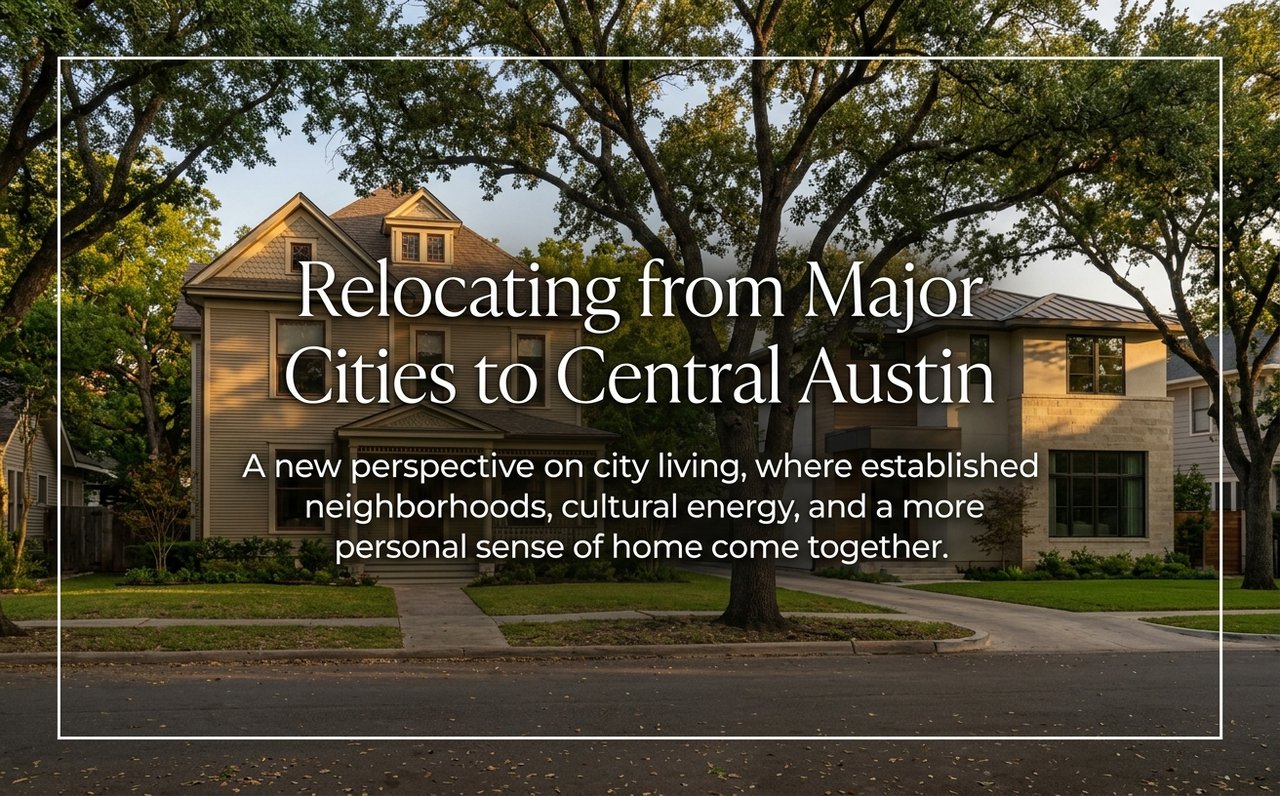
A new perspective on city living, where established neighborhoods, cultural energy, and a more personal sense of home come together.
Buyer info
October 20, 2026
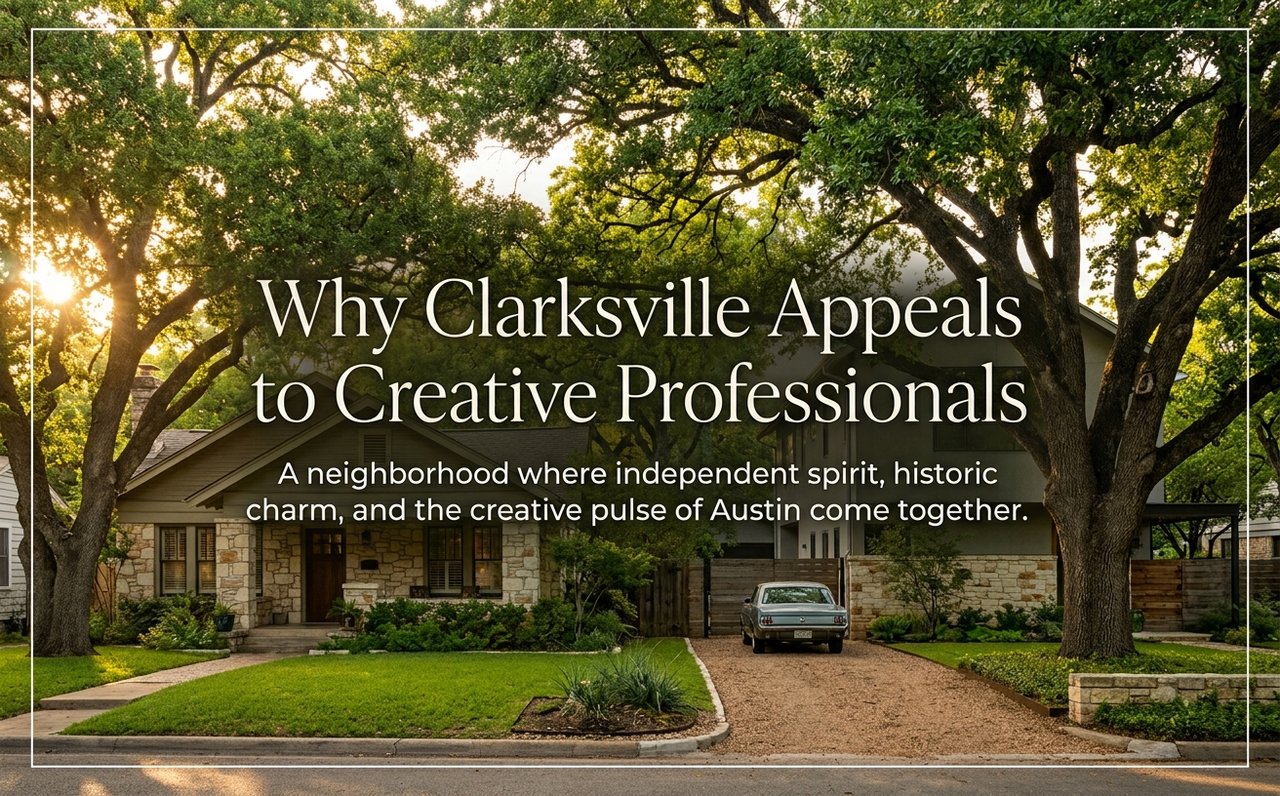
A neighborhood where independent spirit, historic charm, and the creative pulse of Austin come together.
Buyer Education
October 19, 2026
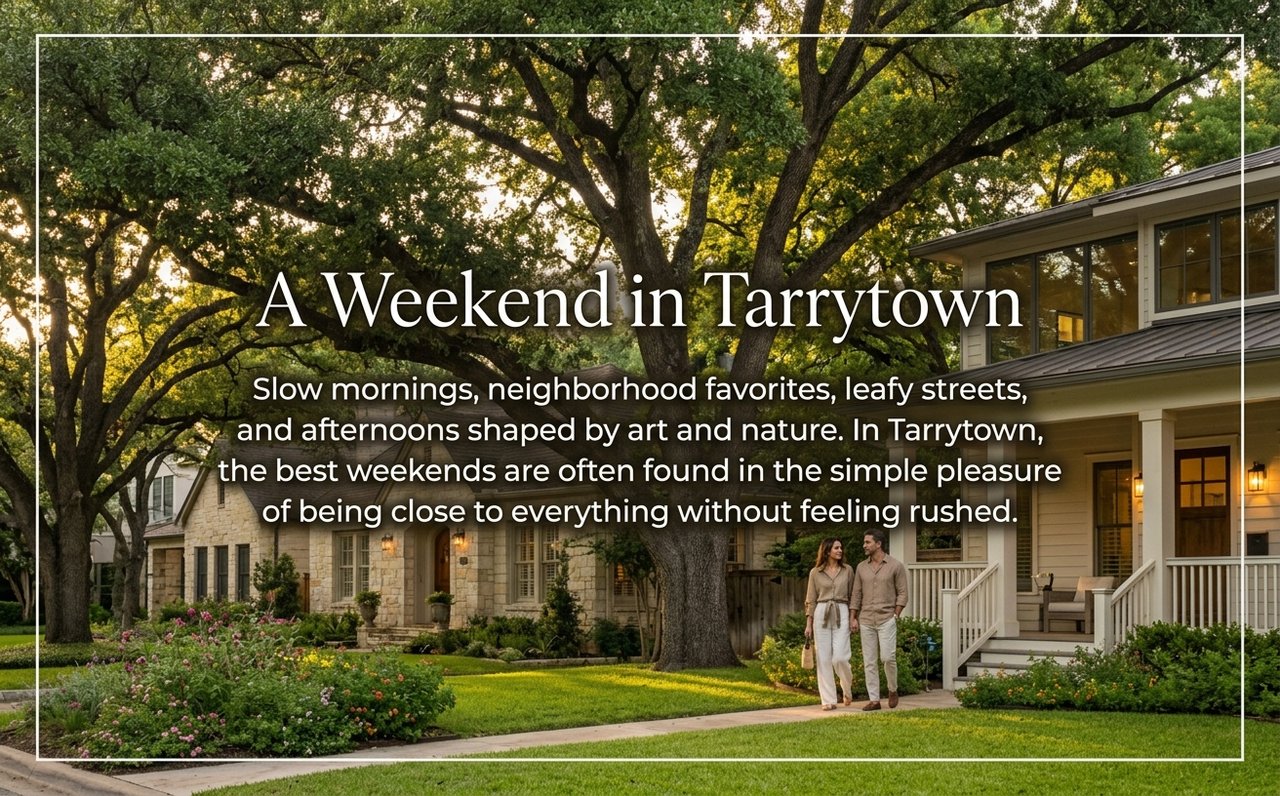
Slow mornings, neighborhood favorites, leafy streets, and afternoons shaped by art and nature. In Tarrytown, the best weekends are often found in the simple pleasure o… Read more
Buyer info
October 16, 2026
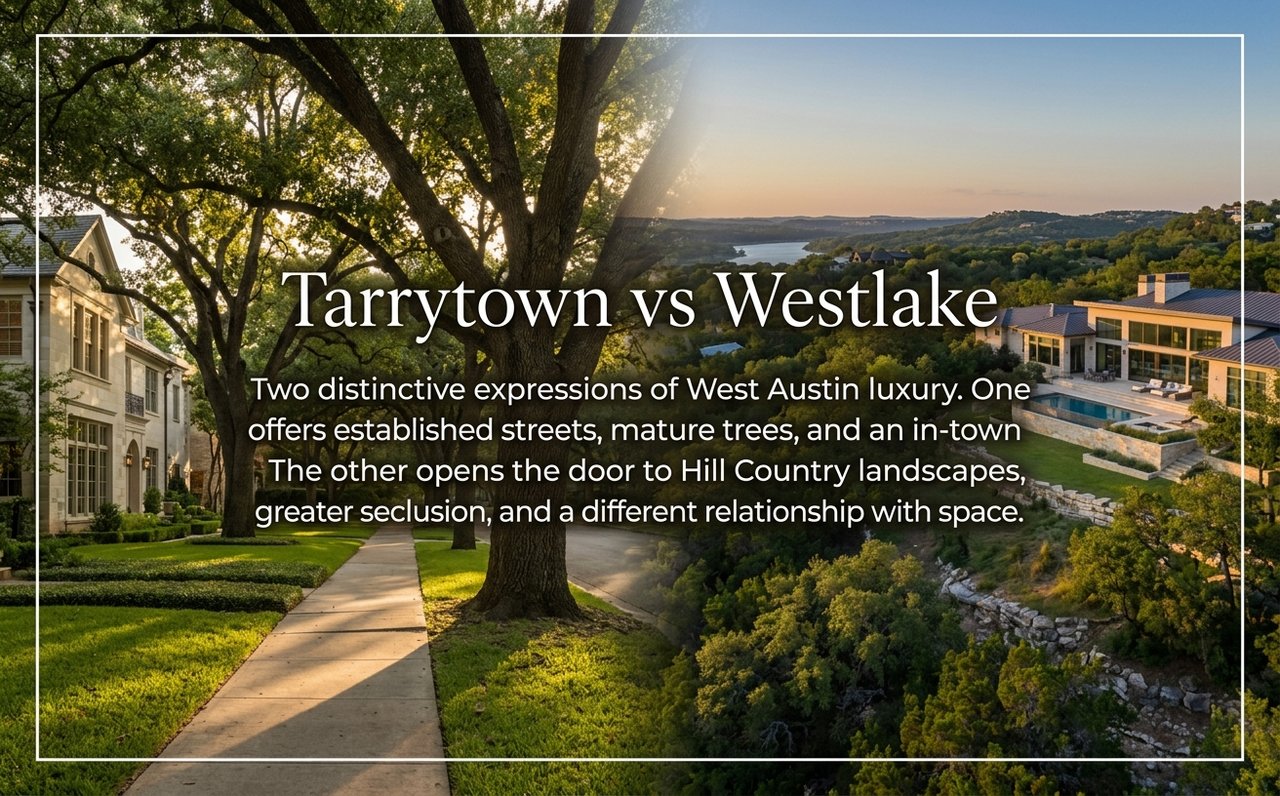
Two distinctive expressions of West Austin luxury. One offers established streets, mature trees, and an in-town rhythm. The other opens the door to Hill Country landsc… Read more
Art & Culture
October 15, 2026
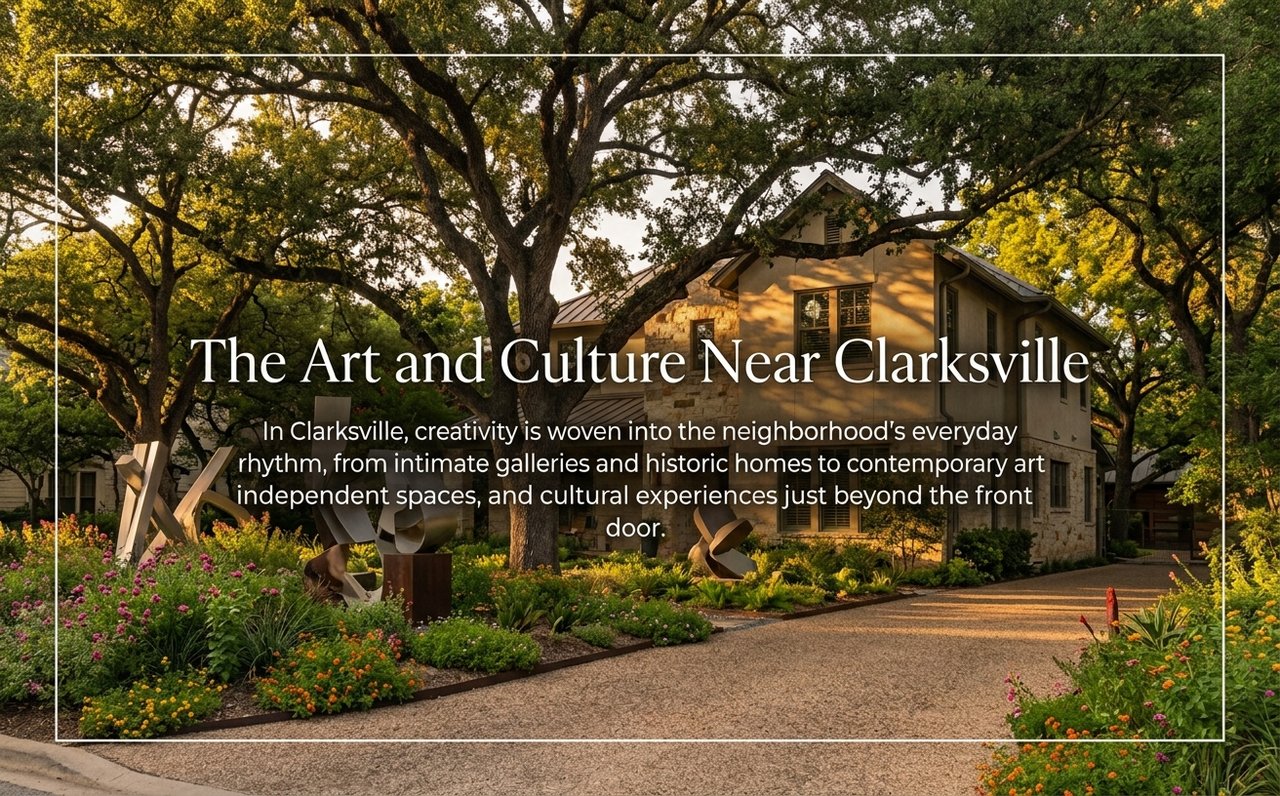
In Clarksville, creativity is woven into the neighborhood’s everyday rhythm, from intimate galleries and historic homes to contemporary art, independent spaces, and cu… Read more
Lifestyle
October 14, 2026
A neighborhood where family life feels connected to nature, community, and the city without sacrificing the sense of calm that makes home feel like home.
Lifestyle
October 13, 2026
When the lake becomes part of everyday life, home feels less like a place you return to and more like a lifestyle you never have to leave.

Lifestyle
October 12, 2026
The most valuable things in Tarrytown are often the ones you notice slowly: mature trees, privacy, architectural character, lake access, and the rare feeling of being … Read more

Buyer Education
October 10, 2026
In a changing market, the right preparation, pricing, and presentation can make all the difference in how buyers see your home.
Get In Touch With Our Team To Learn More