KHANI ZULU | BROKER ASSOCIATE, MCNE, CLHMS | March 19, 2026
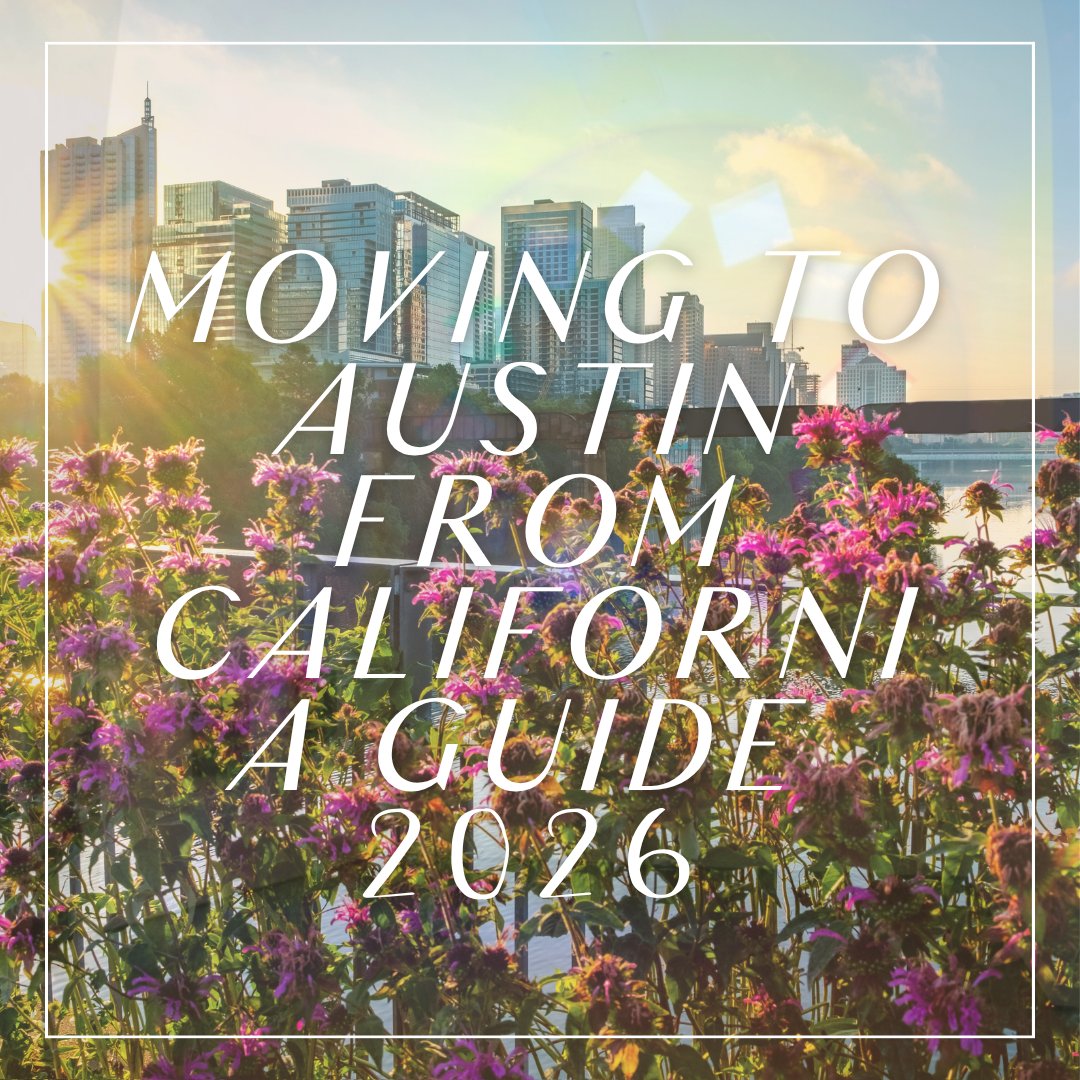
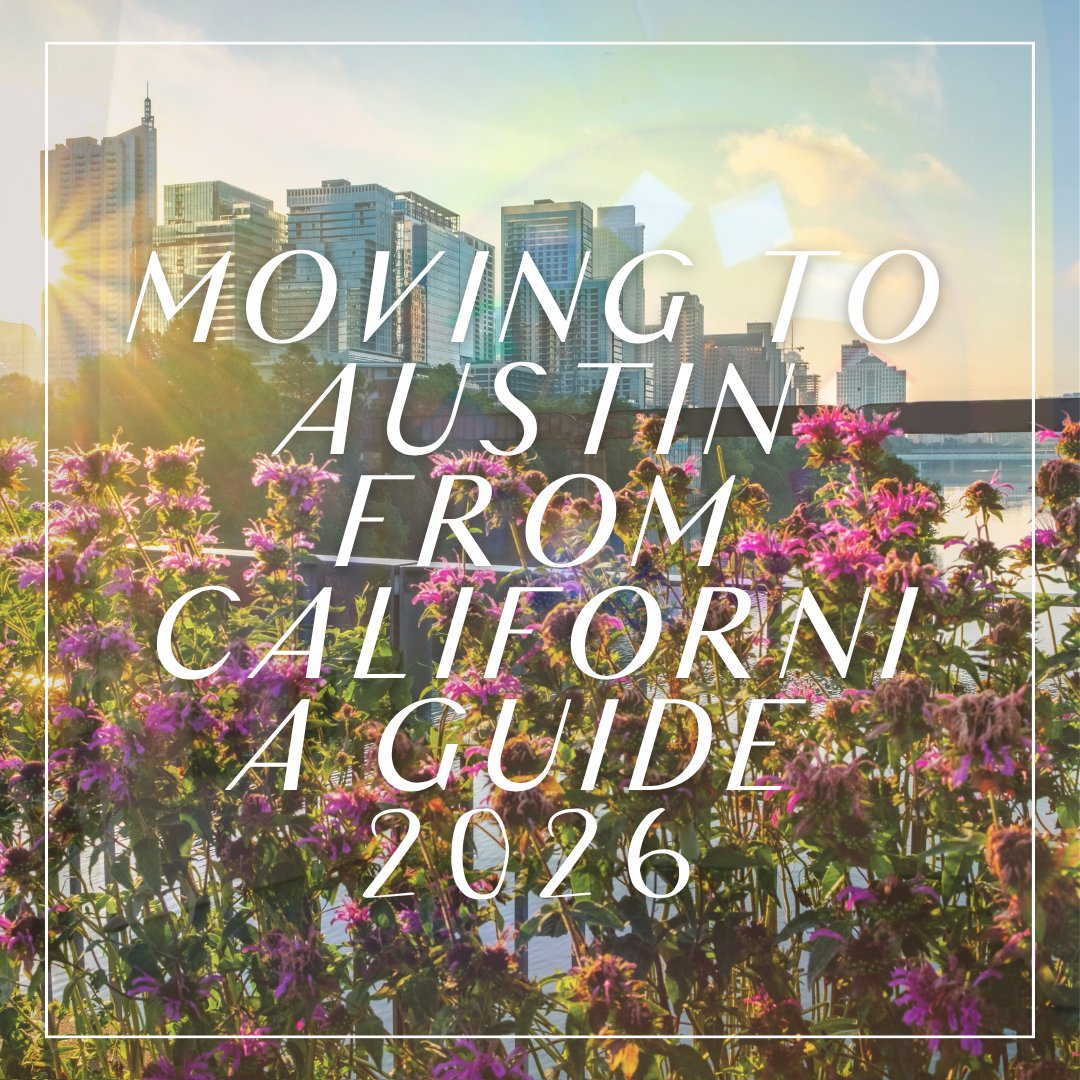
Relocating from California to Austin has become one of the most significant migration trends in the United States over the past several years. From Silicon Valley professionals to Los Angeles creatives, buyers are increasingly choosing Austin for its balance of opportunity, lifestyle, and long-term investment potential.
But while the move can be incredibly rewarding, it’s not as simple as trading one zip code for another. Austin operates differently—from its housing market to its pace of life—and understanding those differences is key to making a successful transition.
There isn’t just one reason people are making the move—there are several powerful factors driving the trend.
One of the most immediate differences buyers notice is cost.
While Austin is no longer considered “cheap,” it still offers significantly more value compared to major California cities. Buyers are often able to purchase:
Larger homes
Newer construction
Outdoor space and land
Additionally, Texas has no state income tax, which can result in substantial annual savings depending on your income level.
However, it’s important to balance this with the reality that property taxes in Texas are higher, which should be factored into your long-term financial planning.
Moving to Austin isn’t just a financial decision—it’s a lifestyle upgrade for many.
Instead of dense urban living and long commutes, Austin offers a more balanced, outdoor-centered way of life.
Residents spend weekends:
Paddleboarding on Lady Bird Lake
Walking or biking through Zilker Metropolitan Park
Exploring local coffee shops, restaurants, and live music
There’s a noticeable shift in pace. While Austin is growing rapidly, it still maintains a sense of space and accessibility that many California cities have lost.
One of the biggest surprises for California buyers is that Austin’s real estate market—while competitive—functions differently.
Unlike many parts of California, Austin offers a wide range of new construction homes, particularly in suburban and developing areas.
In neighborhoods like Westlake Hills, Tarrytown, and Barton Creek, demand remains strong—especially for move-in-ready homes with modern finishes.
Buyers are often pleasantly surprised by:
Larger lot sizes
Outdoor living potential
More privacy compared to urban California homes
Even with all its advantages, Austin comes with adjustments.
Summers are significantly hotter than most California coastal cities. Expect extended periods of high temperatures.
Austin is a car-dependent city. While walkable areas exist (Downtown, South Congress), most residents rely on driving.
Texas property taxes are higher than California’s, so it’s important to evaluate your total monthly cost—not just purchase price.
Many California buyers are drawn to specific neighborhoods that align with their lifestyle preferences.
Westlake Hills – Luxury homes, top-rated schools, privacy
Zilker – Walkability and proximity to downtown
Tarrytown – Established charm with central convenience
Downtown Austin – High-rise living and urban energy
East Austin – Creative, modern, and fast-growing
Each offers a different version of Austin living, from urban energy to quiet retreat.
Relocating from California to Austin is more than a move—it’s a strategic lifestyle shift.
With its strong economy, growing tech presence, and balance of culture and outdoor living, Austin continues to attract buyers looking for both opportunity and quality of life.
If you approach the move with the right expectations and guidance, it can be one of the best decisions you make.
We specialize in helping out-of-state buyers transition seamlessly into the Austin
market.
-Contact Khani Zulu Group to explore available homes and off-market opportunities.
Stay up to date on the latest real estate trends.
Art & Culture
October 22, 2026
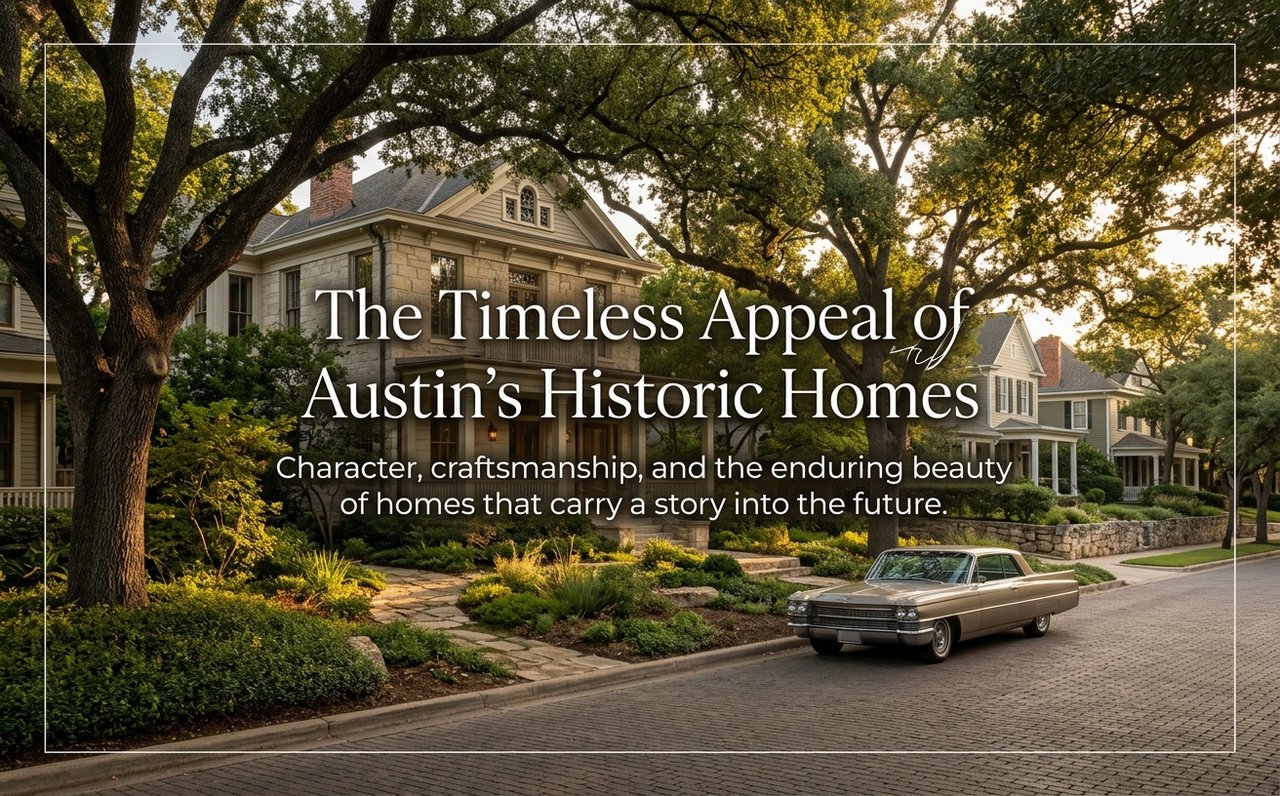
Character, craftsmanship, and the enduring beauty of homes that carry a story into the future.
Buyer info
October 21, 2026
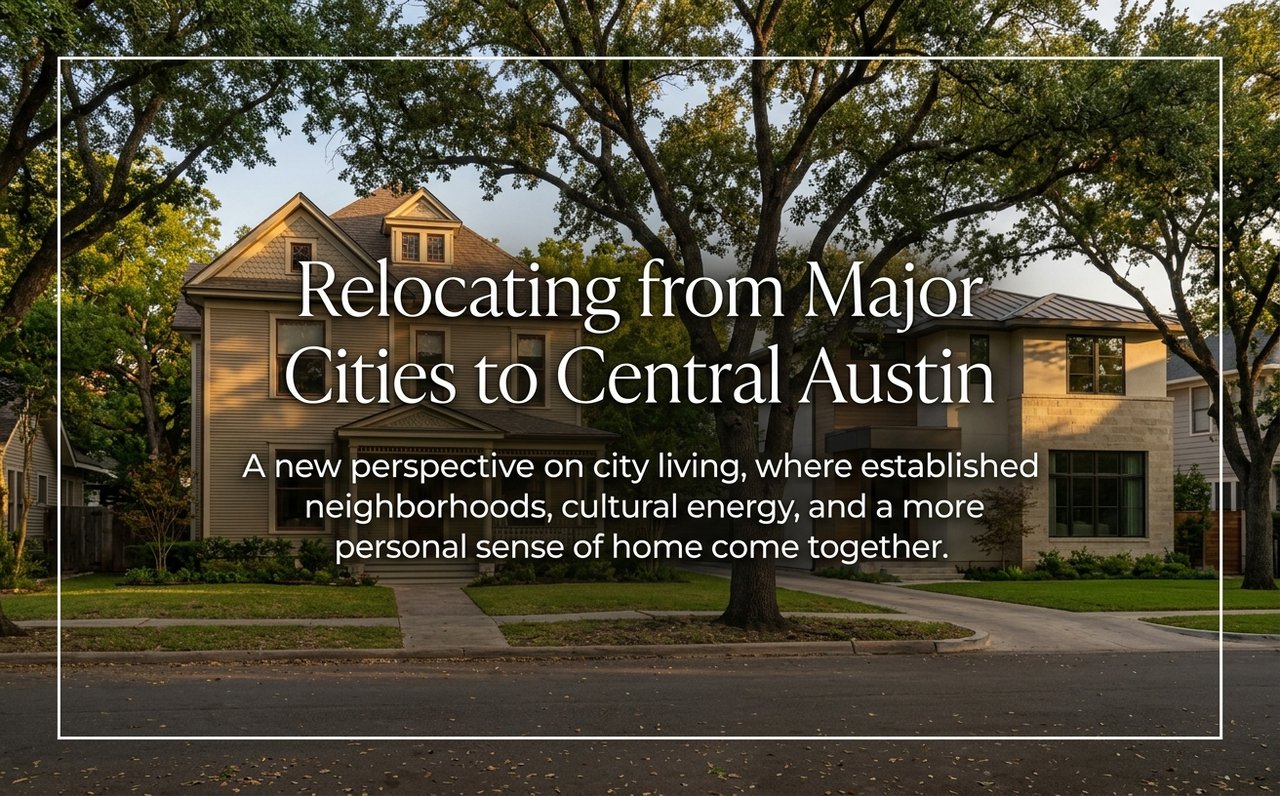
A new perspective on city living, where established neighborhoods, cultural energy, and a more personal sense of home come together.
Buyer info
October 20, 2026
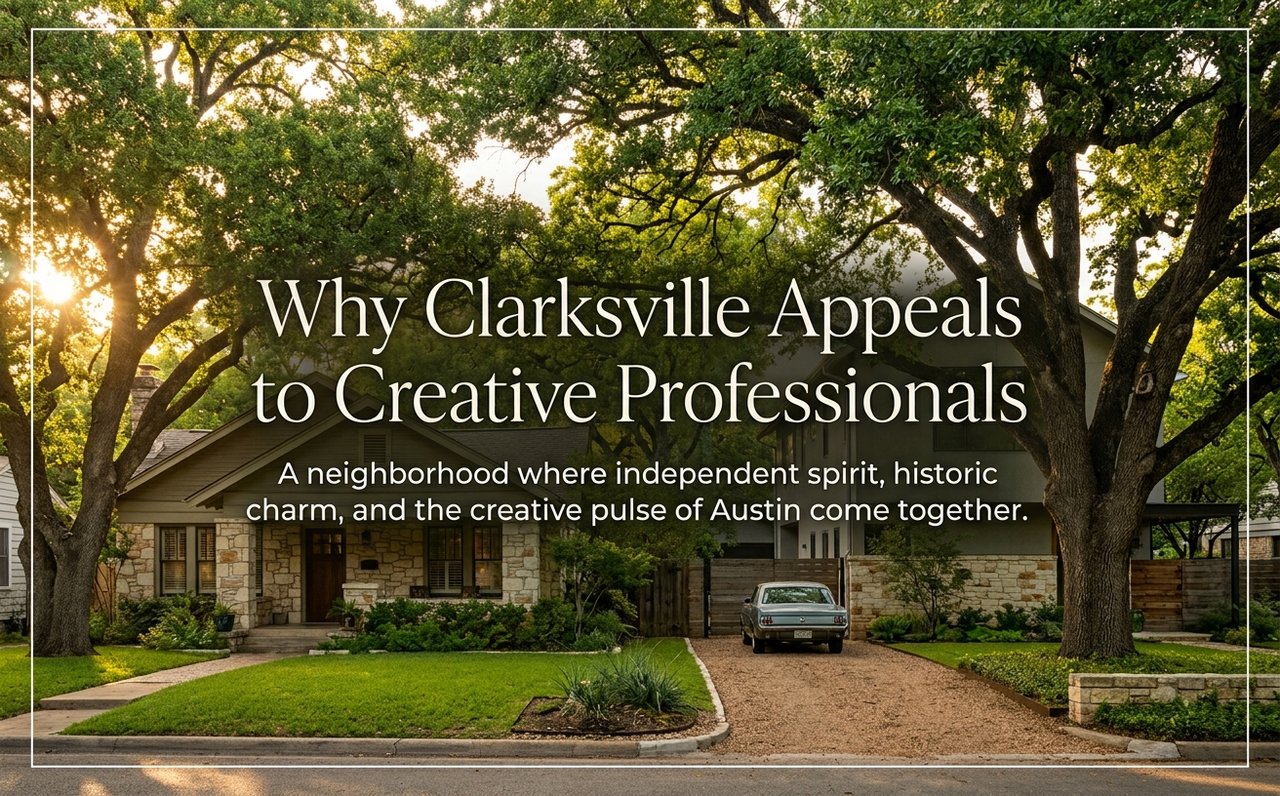
A neighborhood where independent spirit, historic charm, and the creative pulse of Austin come together.
Buyer Education
October 19, 2026
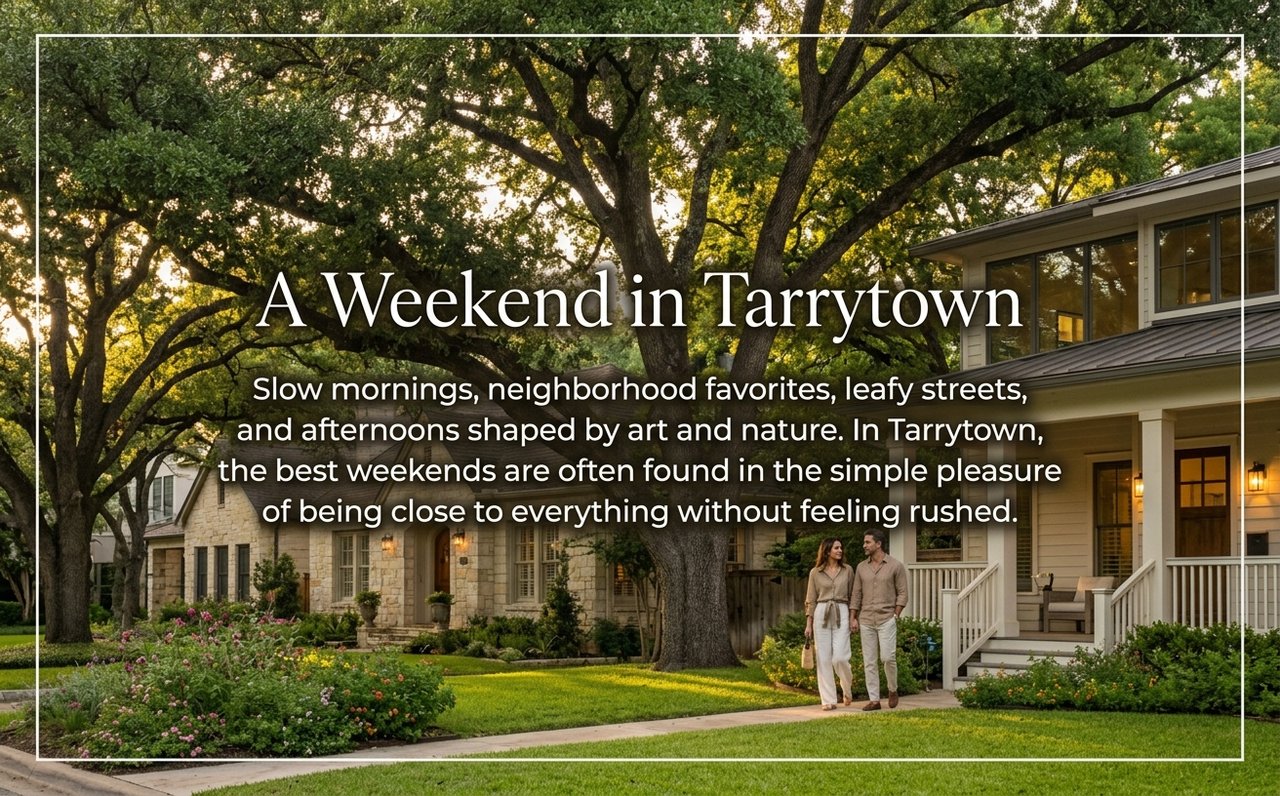
Slow mornings, neighborhood favorites, leafy streets, and afternoons shaped by art and nature. In Tarrytown, the best weekends are often found in the simple pleasure o… Read more
Buyer info
October 16, 2026
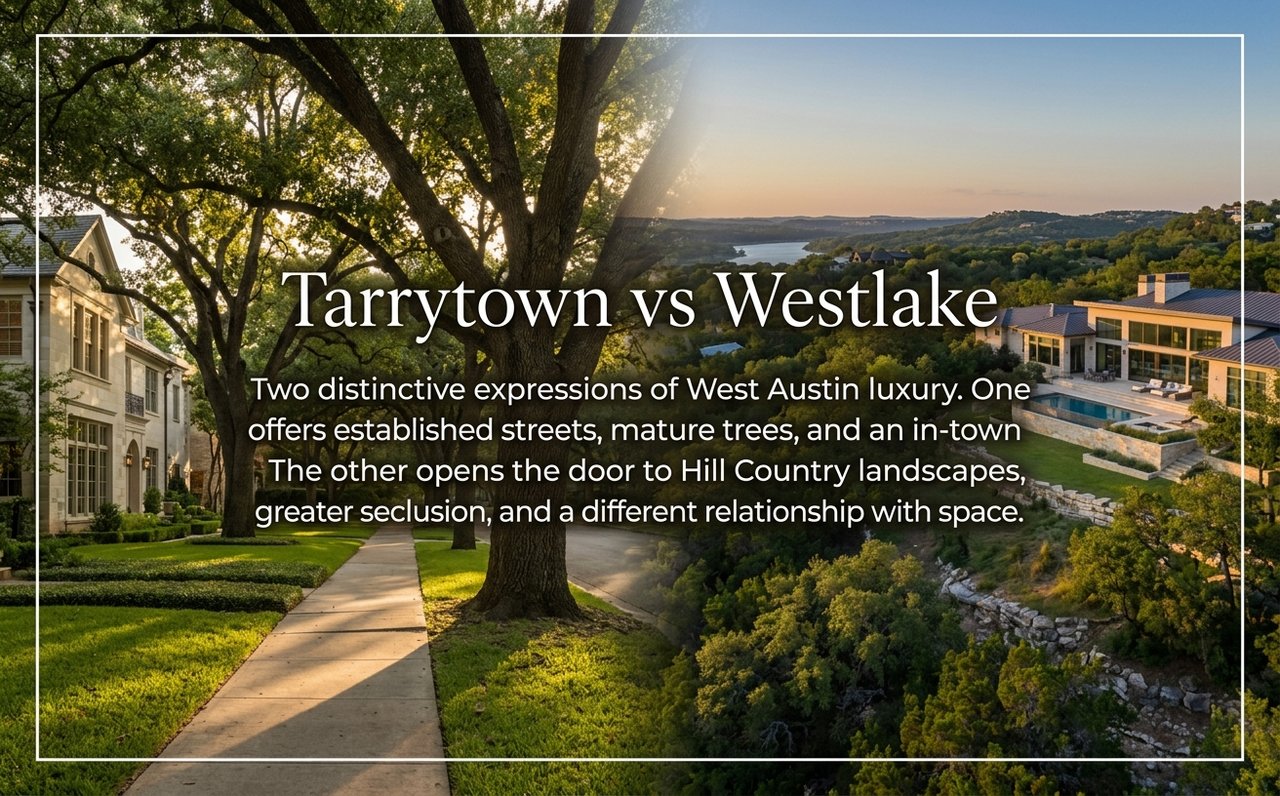
Two distinctive expressions of West Austin luxury. One offers established streets, mature trees, and an in-town rhythm. The other opens the door to Hill Country landsc… Read more
Art & Culture
October 15, 2026
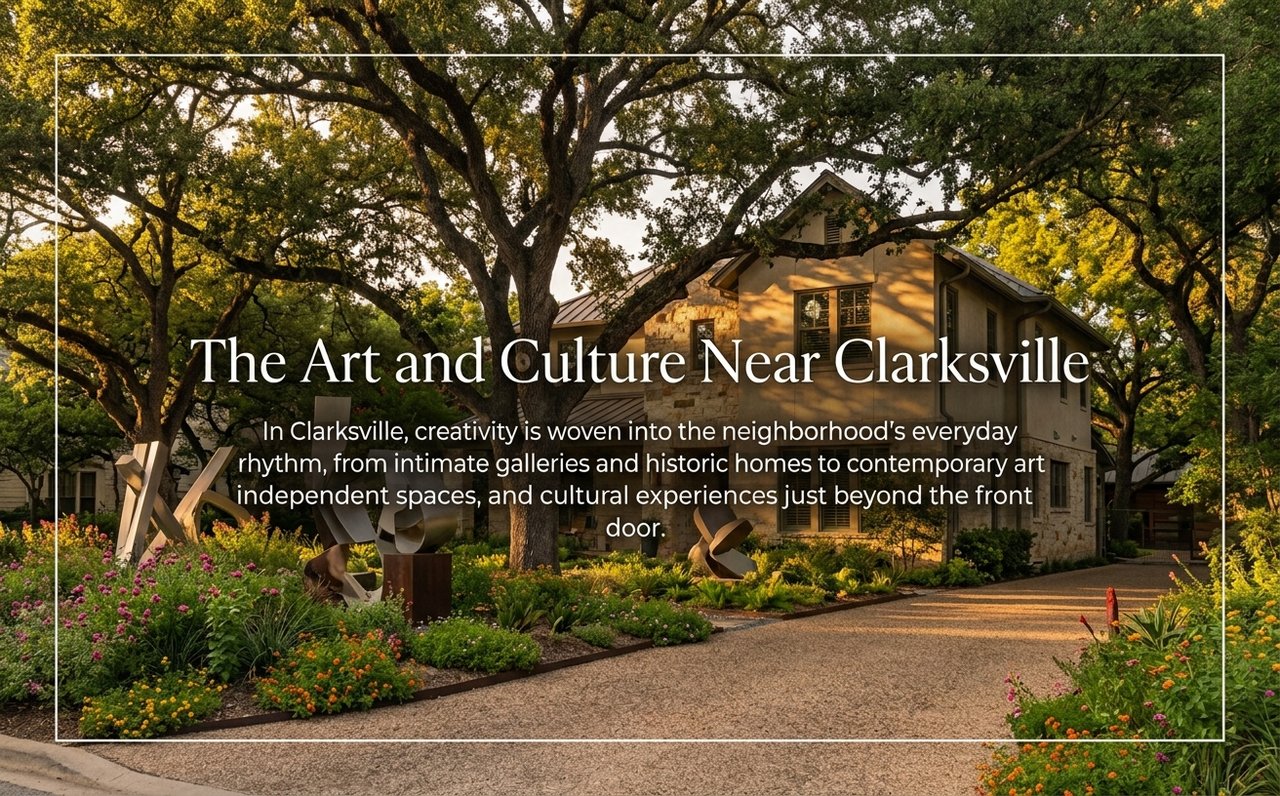
In Clarksville, creativity is woven into the neighborhood’s everyday rhythm, from intimate galleries and historic homes to contemporary art, independent spaces, and cu… Read more
Lifestyle
October 14, 2026
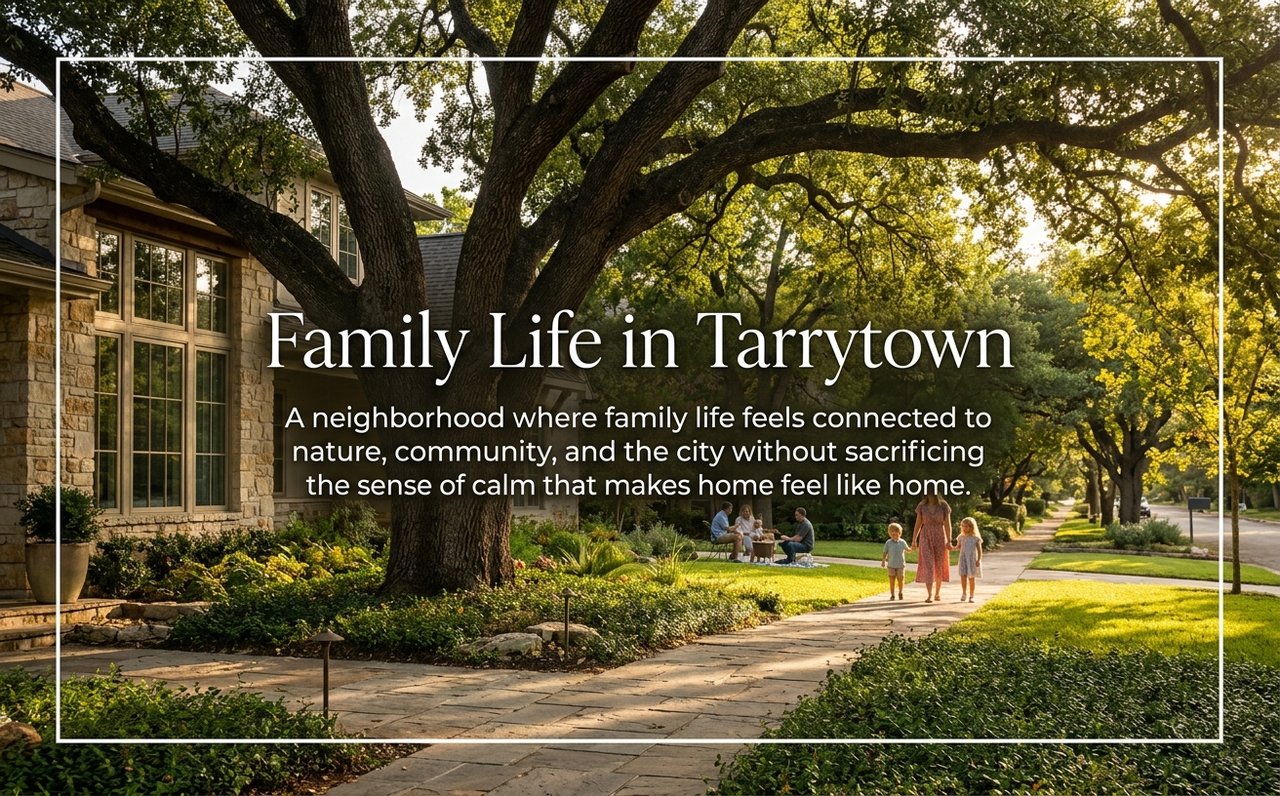
A neighborhood where family life feels connected to nature, community, and the city without sacrificing the sense of calm that makes home feel like home.
Lifestyle
October 13, 2026
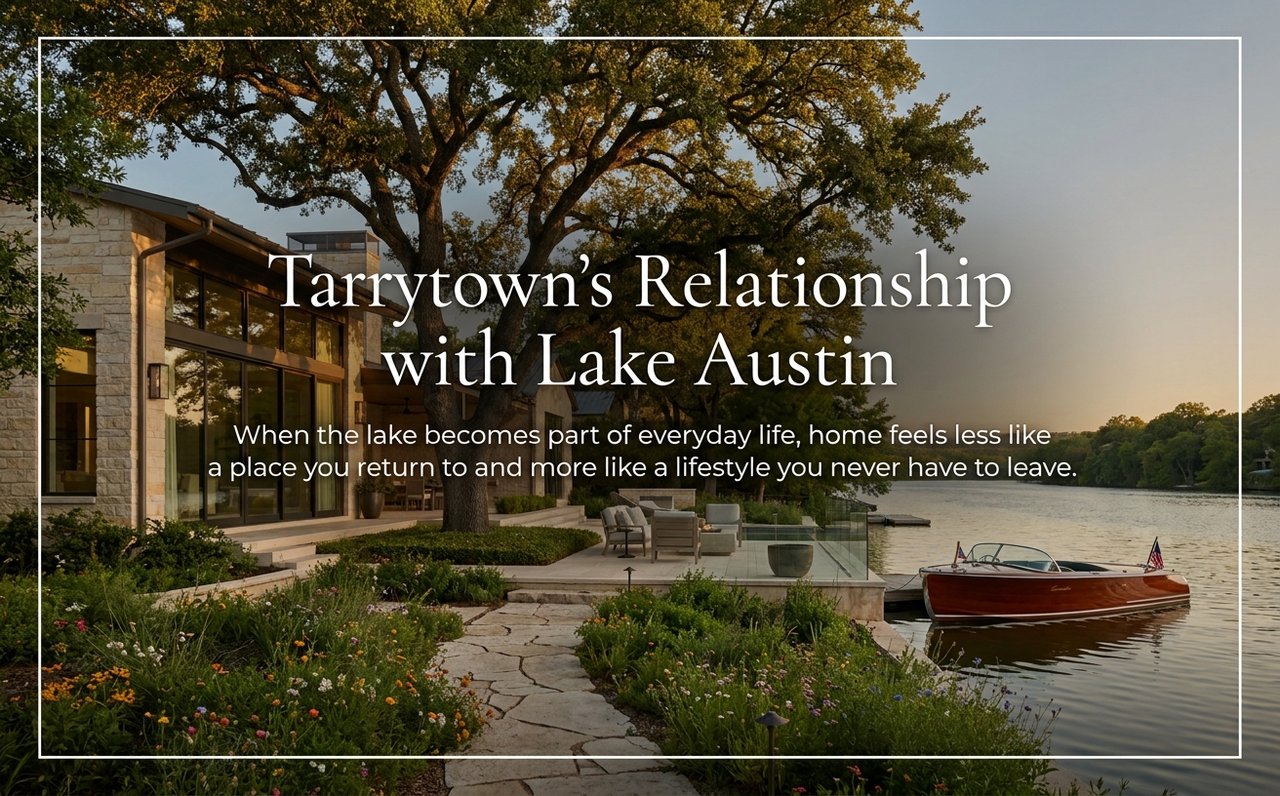
When the lake becomes part of everyday life, home feels less like a place you return to and more like a lifestyle you never have to leave.

Lifestyle
October 12, 2026
The most valuable things in Tarrytown are often the ones you notice slowly: mature trees, privacy, architectural character, lake access, and the rare feeling of being … Read more
Get In Touch With Our Team To Learn More